The Blade: Cutting Deep
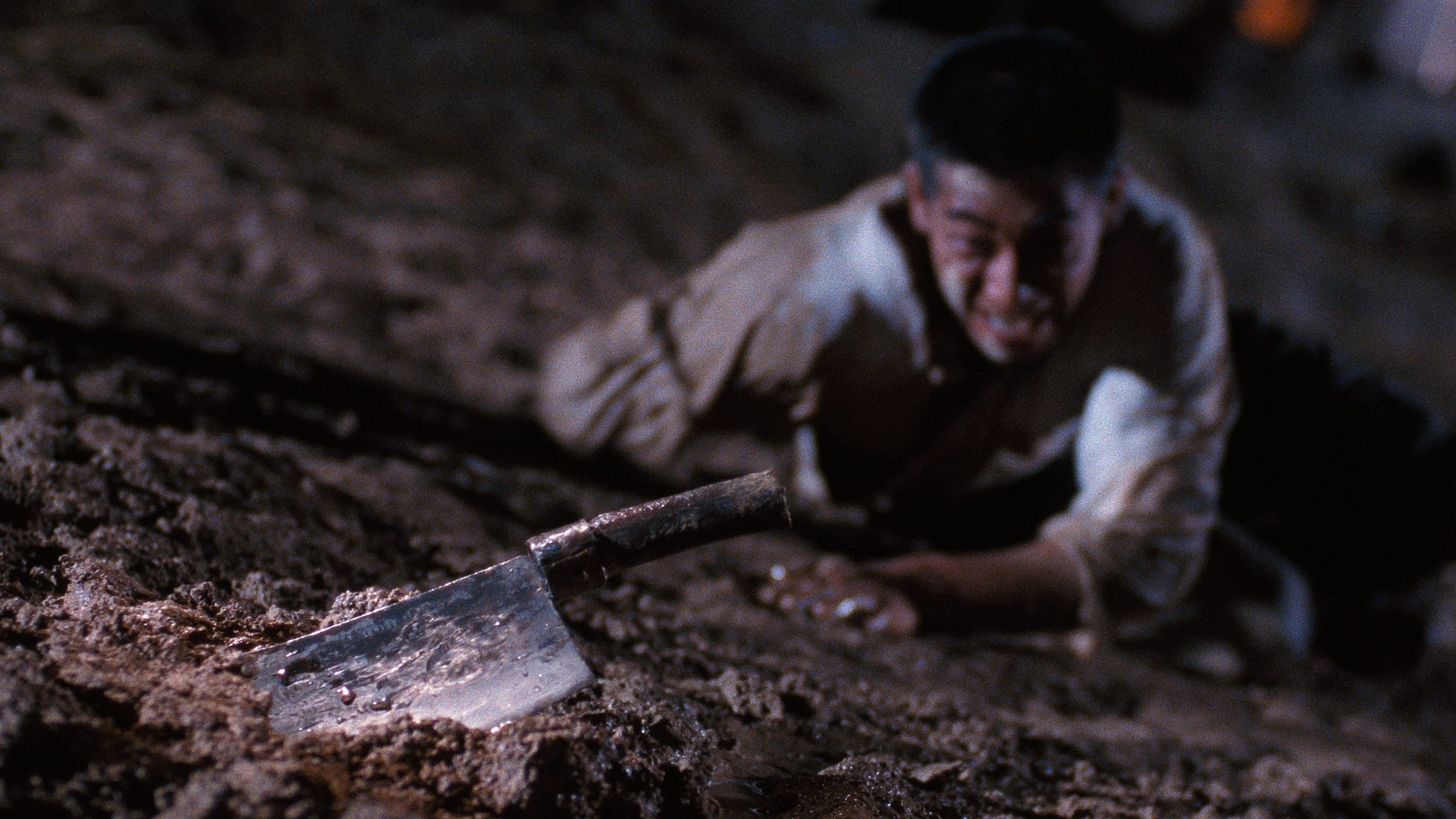
In 1995, the year he released The Blade, Tsui Hark was the undisputed king of Hong Kong cinema. A cinematic Renaissance man—he worked as director, producer, screenwriter, and even actor—the ethnic-Chinese native of Vietnam had begun by making documentaries and television before moving to narrative feature films in 1979. With that year’s The Butterfly Murders, a sort of mash-up of martial arts, mystery, and steampunk (before that last genre was even invented), Tsui, ever restless and rebellious, had embarked on a decade-plus of yearly box-office and artistic hits, with which he would de- and then reconstruct genres with astonishing insight and success. His Film Workshop, founded in 1984, had either established or reestablished the careers of luminaries including actors Brigitte Lin, Leslie Cheung, and Chow Yun-fat and directors John Woo and Ching Siu-tung. He’d introduced Hollywood-style special effects into Asian film with Zu: Warriors from the Magic Mountain (1983) and explored gender in films like Peking Opera Blues (1986) and (as a cowriter and producer) Swordsman II (1992), both starring Lin, a waiflike Taiwanese beauty turned by Tsui into a take-no-prisoners warrior.
In 1994, Tsui had directed The Lovers, a historical romance based on a classic Chinese folktale; the film’s sumptuous imagery and heartfelt performances by Nicky Wu and Charlie Yeung drew audiences throughout Asia and led to numerous award nominations. His Lunar New Year comedy The Chinese Feast (1995) was his most financially successful project to that point. His second release of that year, the romance–sci-fi hybrid Love in the Time of Twilight, was a more modest success but earned praise for its twisting time-travel plot and use of special effects. Tsui could have chosen any material for his next film. The Blade was certainly not what anyone would have expected.
More: Essays
God Laughs: Stanley Kubrick’s Cinema
Throughout his enormously influential body of work, the great director explored the conflict between humankind’s obsession with control and our capacity for error and failure.
Christiane F.: Up Against the Wall
Uli Edel’s harrowing tale of youth rebellion is one of cinema’s greatest Berlin films, a visceral urban portrait that captures the city’s doom and decadence during the Cold War era.
The Shout: Sound and Fury
Blending elements of psychological thriller, social satire, and psychedelic film, Jerzy Skolimowski’s Cannes-award-winning classic uses its audacious sound design to evoke the terror of English civilization.
Welcome II the Terrordome: The Future Is Furious
A dystopian drama that draws on the influences of African mythology and hip-hop, Ngozi Onwurah’s debut feature uses a mix of speculative forms to expose anti-Blackness as a system that underpins the modern world.