Lenny: High-Wire Act
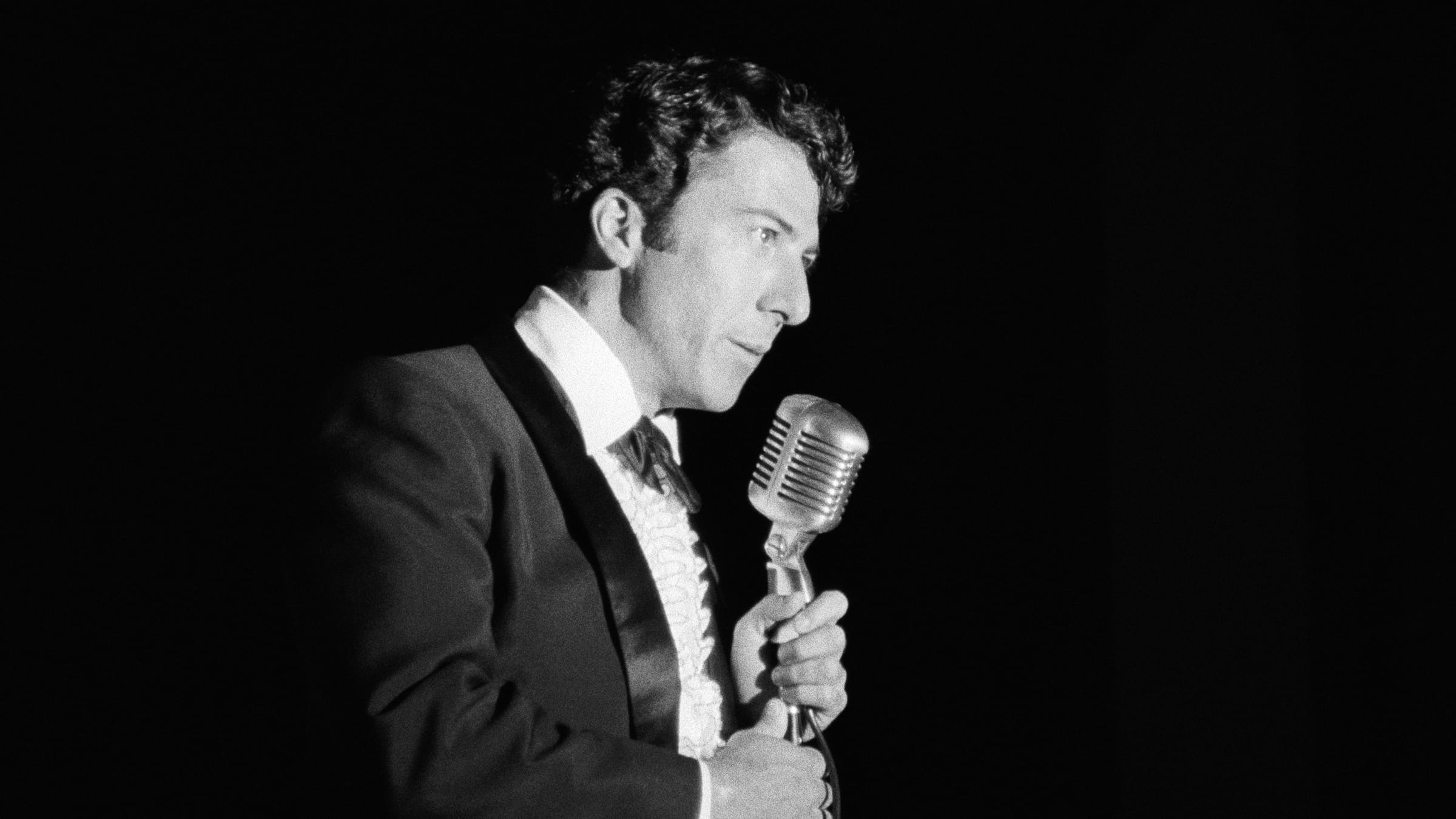
Of all the performing arts, stand-up comedy may be the most ephemeral, even more so if the humor is considered dangerous or taboo. Stand-up relies on the charged dynamic between a comedian and an audience, with both sides often bringing into the room their consciousness of the traditions, restrictions, and social mores of the world at that moment and delighting in their violation. But with the passage of years, what was pathbreaking can come to seem passé, and shocked laughs can give way to shrugs. It is, to some extent, the fate that has befallen Lenny Bruce, a towering presence in cutting-edge American comedy from the late 1950s until his death from a narcotics overdose in 1966. Partly because of changing standards and partly because most of the routines that made him famous aren’t available on film, Bruce is now little known, except, perhaps, to those who saw him portrayed in the TV series The Marvelous Mrs. Maisel (2017–23) as a nice, handsome, troubled comic who supports the career ambitions of the show’s protagonist.
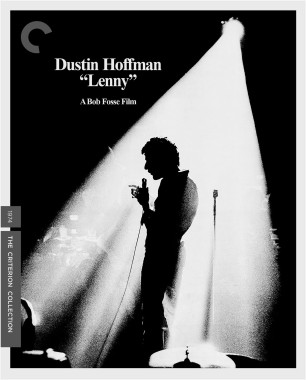
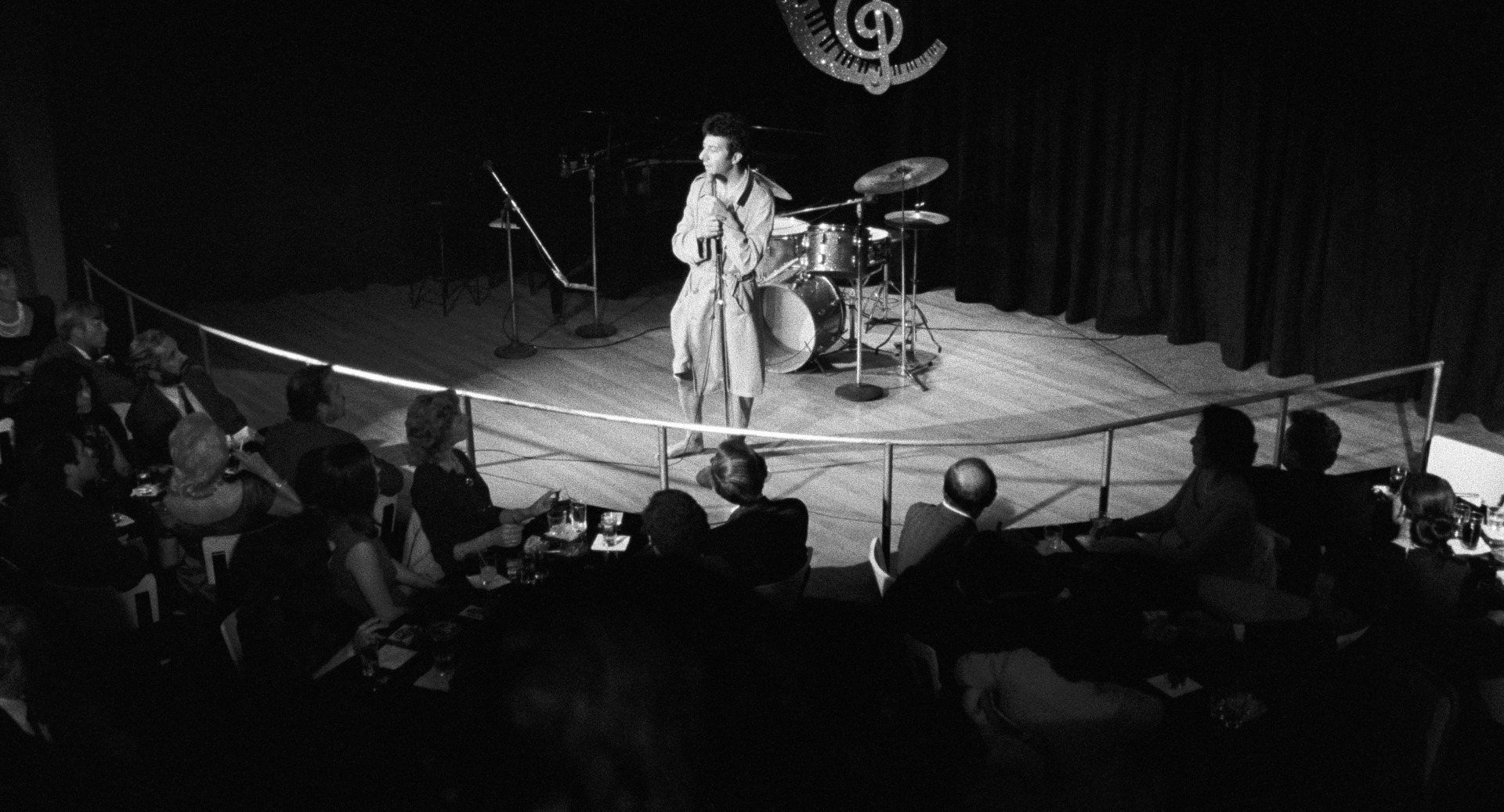
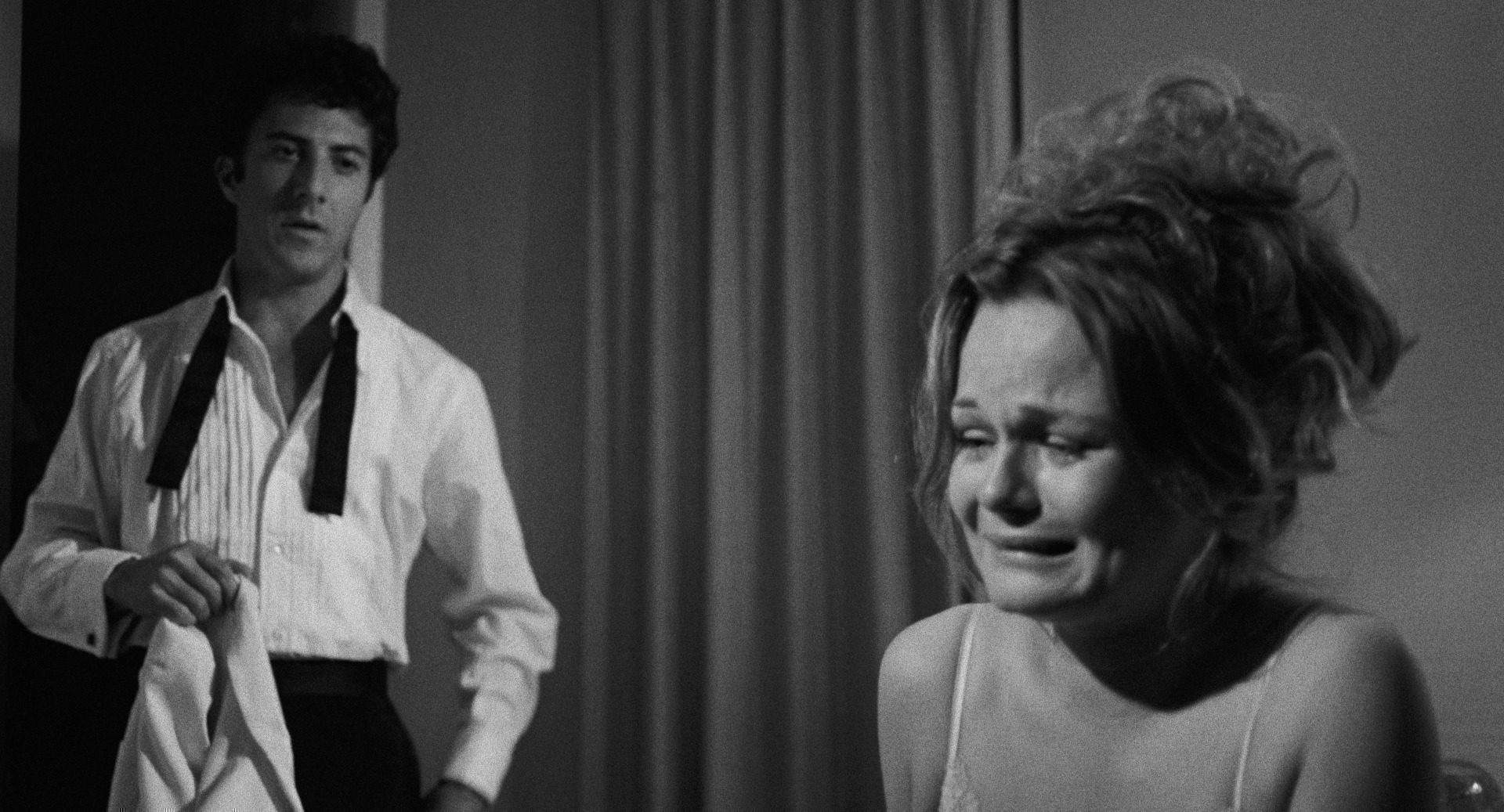
In the more than fifty years since its release, Bob Fosse’s Lenny, which seemed certain to serve as a permanent enshrinement of Bruce’s legacy when it opened in 1974, has receded from cultural centrality in tandem with its subject. In its time, the movie competed with the likes of Chinatown and The Godfather: Part II at the Academy Awards, where it was nominated for Best Picture, Director, Actor, Actress, and Adapted Screenplay. But the film is now remembered primarily through the prism of Fosse’s next movie, 1979’s autofiction masterpiece All That Jazz, in which director-choreographer Joe Gideon (Roy Scheider) is seen driving himself toward a heart attack while struggling with the editing of a stark, adult, black-and-white movie about a stand-up comedian that is, in all respects short of the use of actual footage, clearly Lenny.
The reputation of Lenny Bruce himself was in a long, slow fade even before Fosse decided to memorialize him in a movie. A nightclub comic (he was not, to put it mildly, TV-friendly) who was determined to say the unsayable—about the Kennedy assassination, bigotry, religion, and, most frequently and profanely, sex—he was arrested half a dozen times for obscenity in the last five years of his life. His legal battles consumed him, contributing to his drug spiral; his once incendiary performances turned into increasingly erratic, rambling, alternately furious and incredulous recitations of court transcripts and legal documents. As a comedy phenomenon, Bruce peaked long before his death, and by the time Fosse’s biopic arrived, some of his admirers were worried that it was already too late to recapture what had made him so remarkable. Some leading critics were skeptical; in the New Yorker, Pauline Kael complained that Lenny worked too hard to humanize a man whose “cool pimp’s mask of indifference was almost reptilian” and argued that the film was only interested in wooing “audiences who want to believe that Lenny Bruce was a saintly gadfly who was martyred . . . well-meaning innocents who never saw [him].” In other words, she felt, to “get” Bruce, you had to have been there—an impossible hurdle for any filmmaker seeking to tell his story.
More: Essays
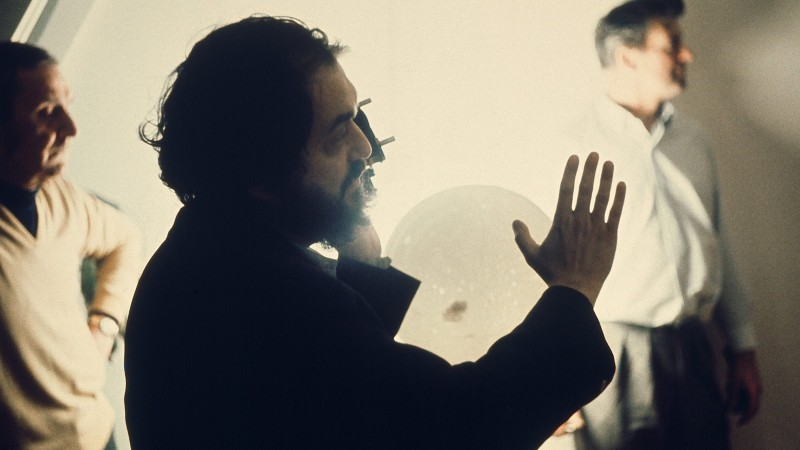
God Laughs: Stanley Kubrick’s Cinema
Throughout his enormously influential body of work, the great director explored the conflict between humankind’s obsession with control and our capacity for error and failure.
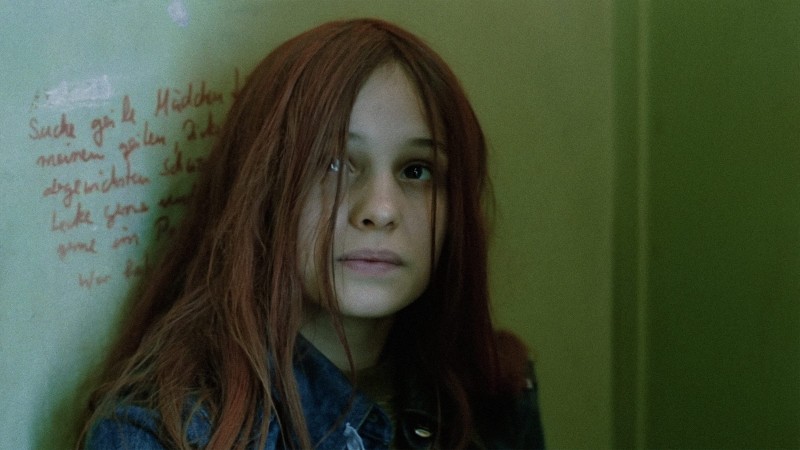
Christiane F.: Up Against the Wall
Uli Edel’s harrowing tale of youth rebellion is one of cinema’s greatest Berlin films, a visceral urban portrait that captures the city’s doom and decadence during the Cold War era.
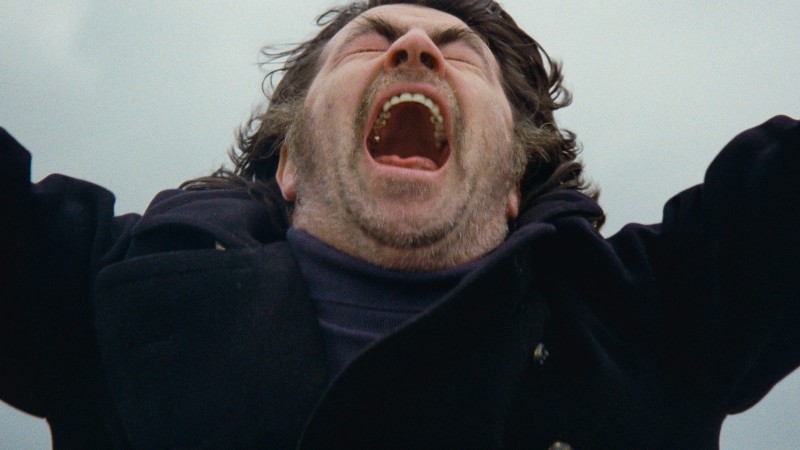
The Shout: Sound and Fury
Blending elements of psychological thriller, social satire, and psychedelic film, Jerzy Skolimowski’s Cannes-award-winning classic uses its audacious sound design to evoke the terror of English civilization.
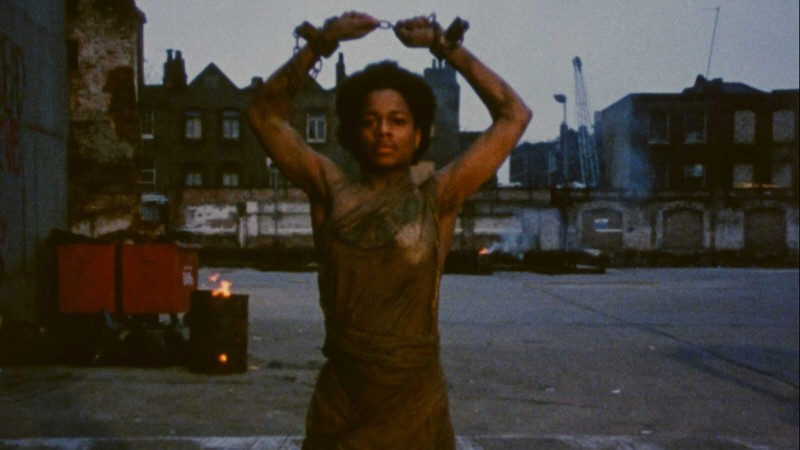
Welcome II the Terrordome: The Future Is Furious
A dystopian drama that draws on the influences of African mythology and hip-hop, Ngozi Onwurah’s debut feature uses a mix of speculative forms to expose anti-Blackness as a system that underpins the modern world.