Fresh Kill: Fluid Transmission
Elevator doors open onto a warehouse floor bathed in red light, high above downtown Manhattan in early May 2024. Exposed concrete and visible ductwork frame a room where artists in green aprons, cosplaying as waiters, circulate among guests in suits and stilettos, offering them trays of saliva as part of a museum-gala performance. It feels less like spectacle than a representation of lineage, invoking a history of art that investigates bodies as sites of contamination. I’m here to introduce a progenitor of this lineage, who steps onto the stage with a peroxide-blond buzz cut, in a black leather jacket and a distressed T-shirt that reads deep shit in a distorted graphic echo, as if reverberating from a screen. I begin: “This is not love. This is sex . . . This is not sex. This is love.” The phrases—taglines from two of the artist’s films—are openings into a world she has been building for decades, where gender can be biohacked, economies rerouted, and queer survival imagined through pleasure and networks. “It is an honor to introduce a pioneer of the Sci-Fi New Queer Cinema, Shu Lea Cheang!”
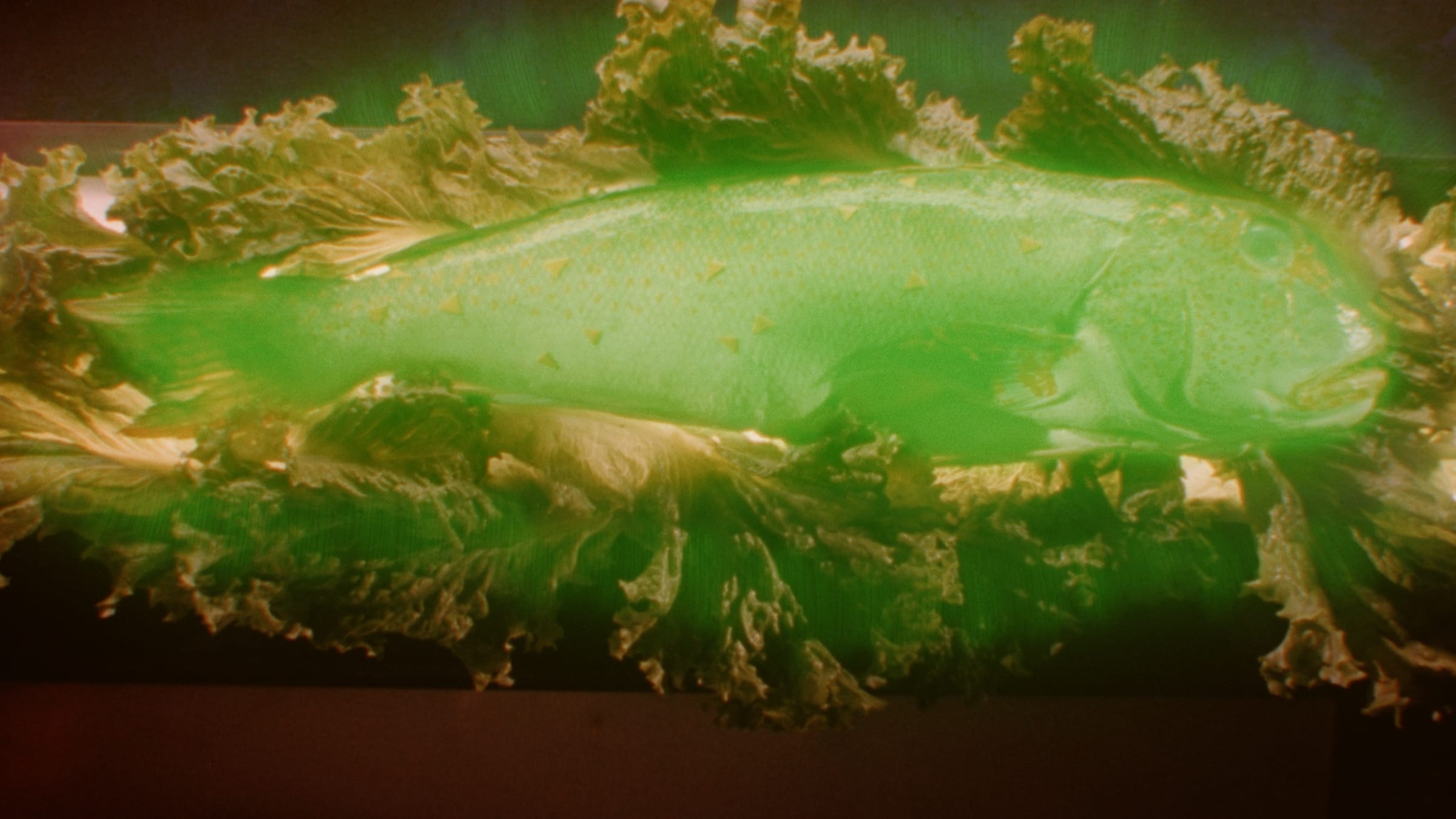
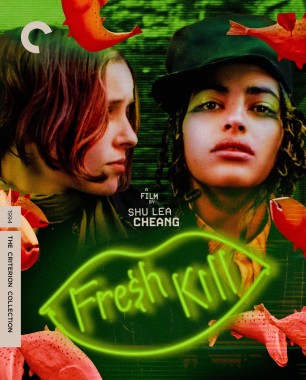
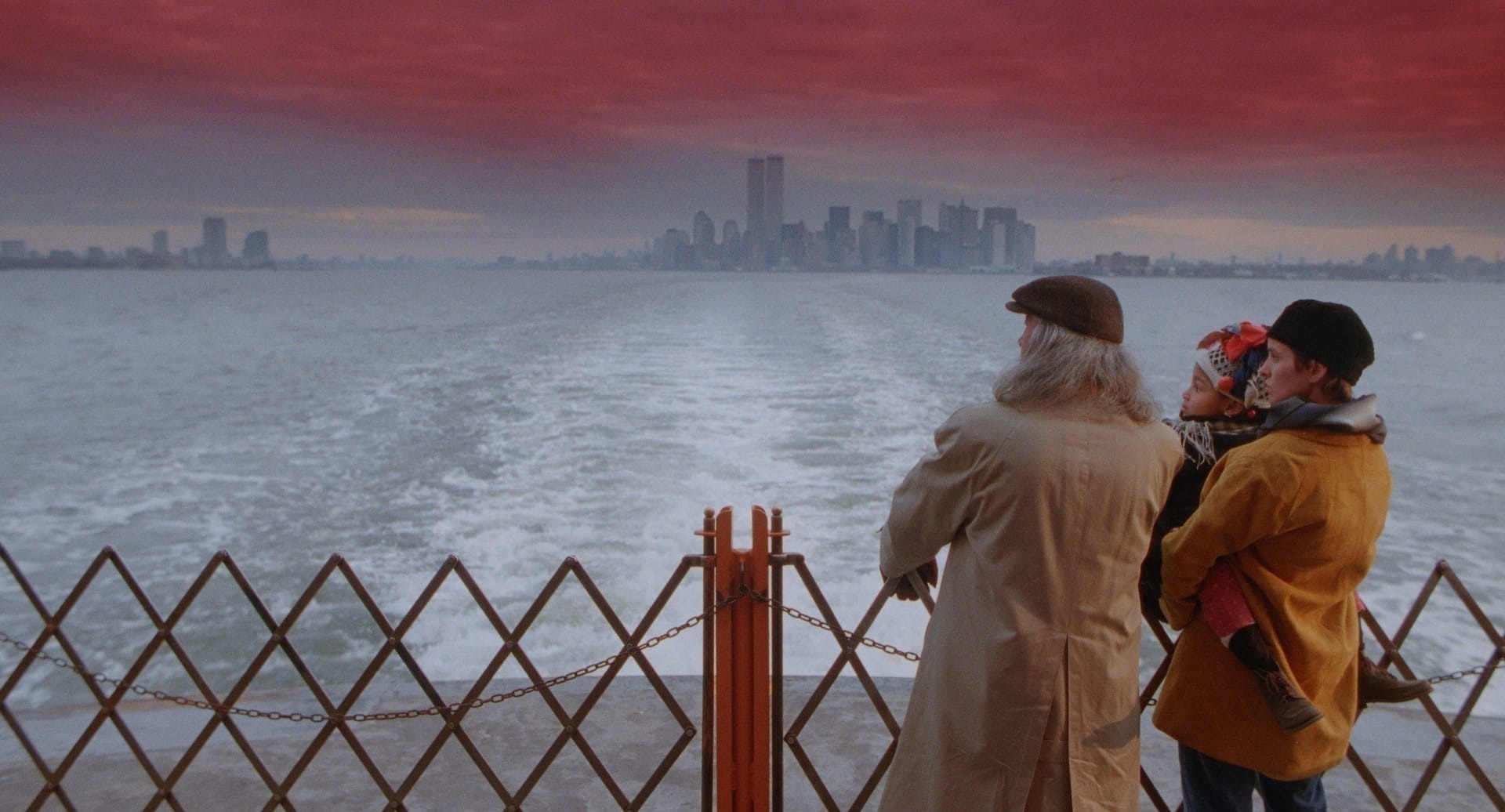
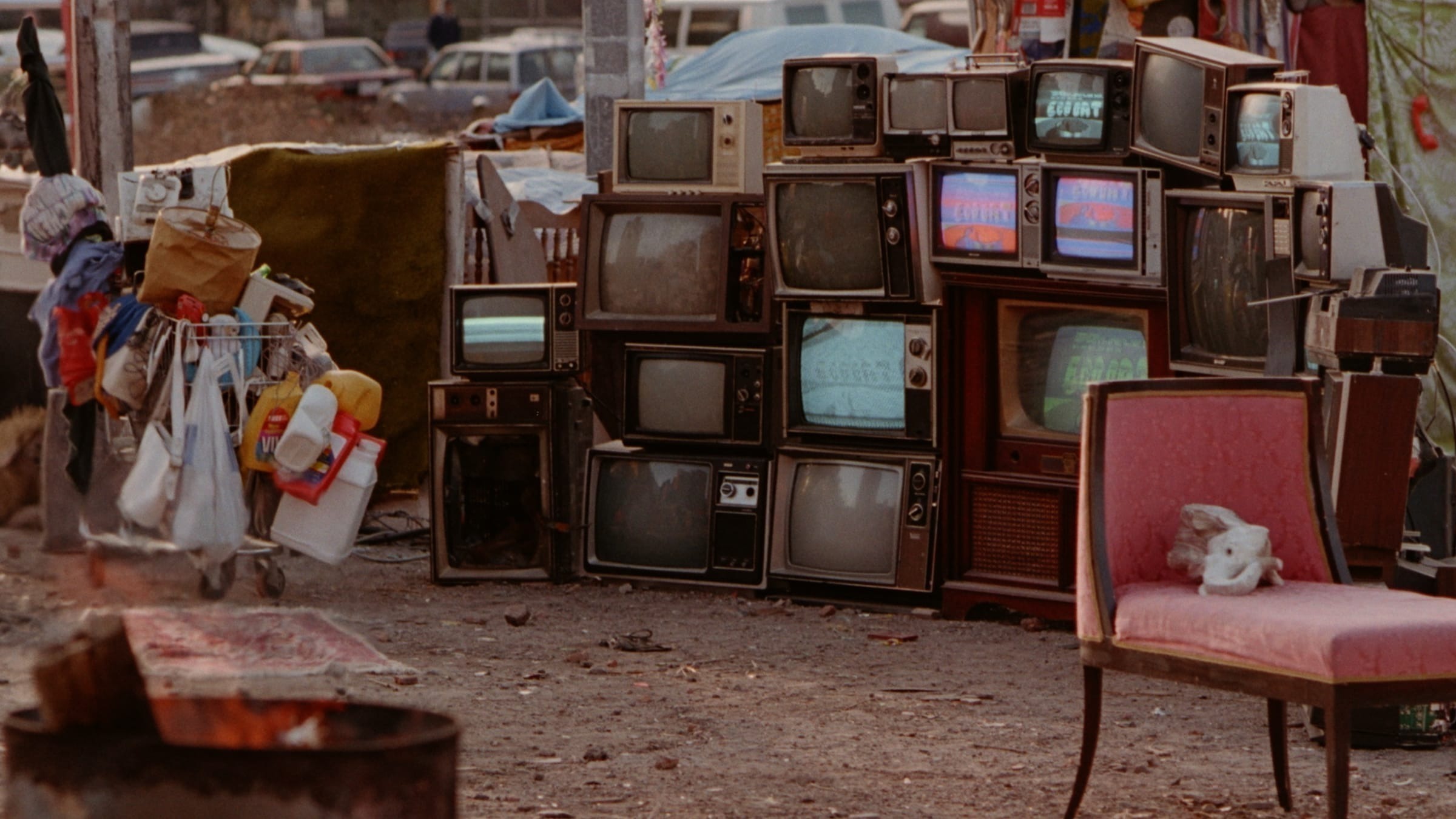
Forty years into an expansive career, the artist and networker Shu Lea Cheang has moved fluidly between cinema and new media in a body of work that centers technology’s entanglements with sexuality, power, and alternative social systems. Even now, as an artist still working at the edge of what’s next, she refuses to settle into reverence or retrospection. But that doesn’t stop the art world from trying to crown her with career-capping awards. That 2024 gala was the New Museum’s Rhizome benefit; she also received that year’s LG Guggenheim Award, which recognizes groundbreaking practitioners of technology-based art. A year earlier, at the Museum of Modern Art, she had premiered UKI, a long-gestating sequel to I.K.U. (2000); together, the films envision new markets powered by pornographic data. My millennial obsession with Cheang, who is in her early seventies, isn’t unique. You’ll consistently see her in the company of eager young artists. Several years ago, some of them could be found harvesting garlic from her lot in upstate New York, for an adaptation of GARLIC=RICH AIR, her 2002 project that imagines a postcapitalist barter economy with the bulb as currency. Most recently, in Berlin, Cheang debuted a new adult short film—making porn is an escape mechanism she turns to when she’s tired of art-world bureaucracy. But amid a rich oeuvre that spans cinema, software, multichannel installations, and durational performance, the eco-cyberpunk thriller Fresh Kill (1994) is a defining work.
More: Essays
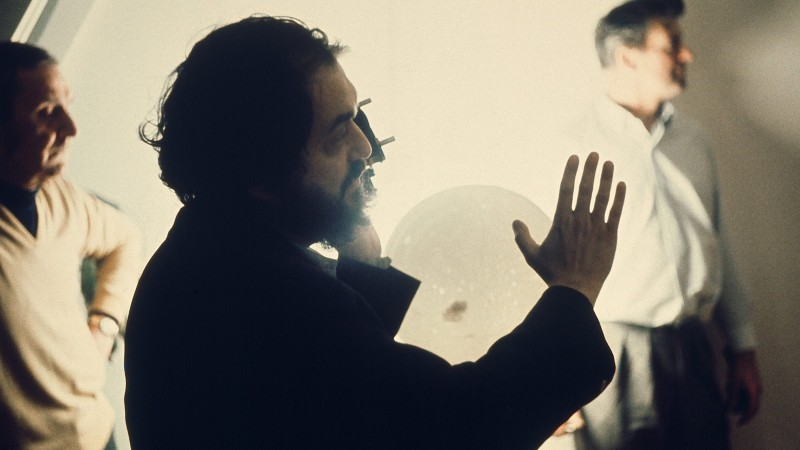
God Laughs: Stanley Kubrick’s Cinema
Throughout his enormously influential body of work, the great director explored the conflict between humankind’s obsession with control and our capacity for error and failure.
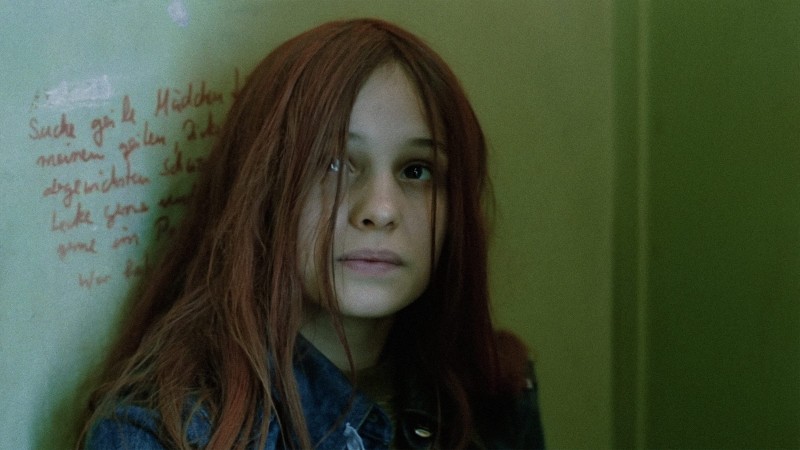
Christiane F.: Up Against the Wall
Uli Edel’s harrowing tale of youth rebellion is one of cinema’s greatest Berlin films, a visceral urban portrait that captures the city’s doom and decadence during the Cold War era.
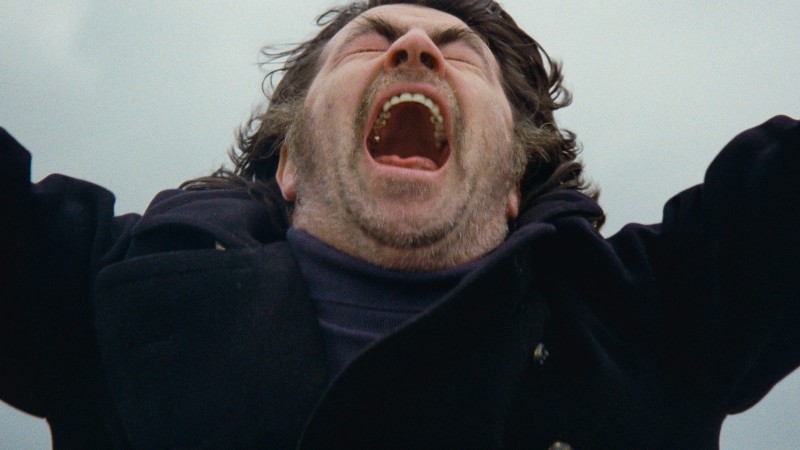
The Shout: Sound and Fury
Blending elements of psychological thriller, social satire, and psychedelic film, Jerzy Skolimowski’s Cannes-award-winning classic uses its audacious sound design to evoke the terror of English civilization.
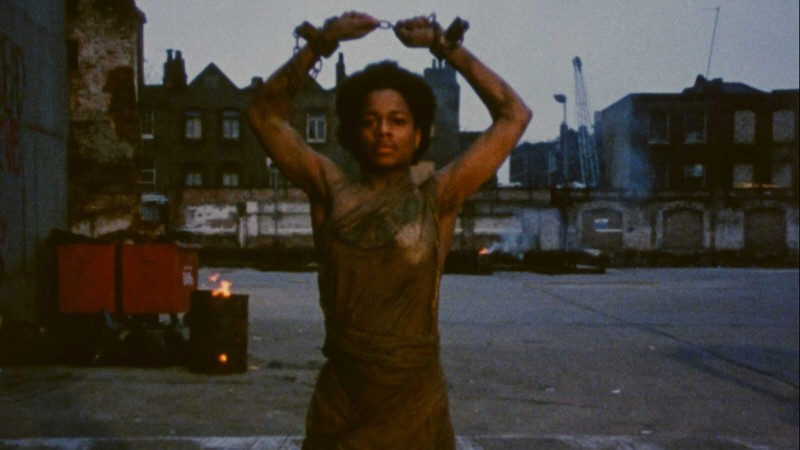
Welcome II the Terrordome: The Future Is Furious
A dystopian drama that draws on the influences of African mythology and hip-hop, Ngozi Onwurah’s debut feature uses a mix of speculative forms to expose anti-Blackness as a system that underpins the modern world.