Body Heat: The Trap You Set for Yourself
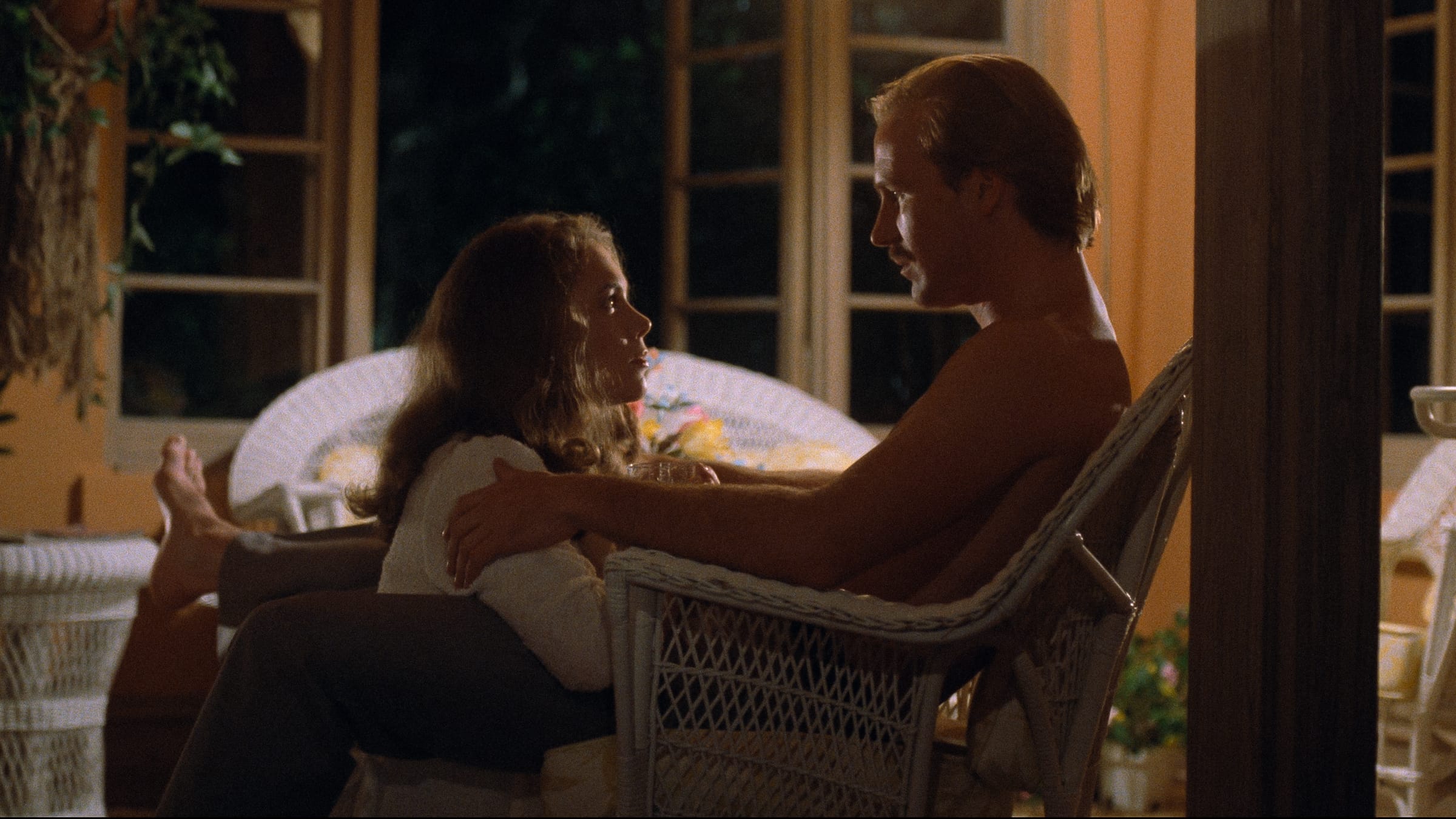
“My history’s burning up out here,” Ned Racine (William Hurt) tells his lover in the opening minutes of Lawrence Kasdan’s directorial debut, Body Heat (1981). Ned, a small-time attorney and local roué in his South Florida beach town, recognizes the building ablaze in the distance as the Seawater Inn, where his family used to eat dinner twenty-five years ago. “Now somebody’s torched it to clear the lot,” he says with a bitter laugh. “Probably one of my clients.” From his words, we understand that Ned feels himself rendered obsolete, his past effaced by the relentless force of development and new money. His only role in this economy is that of a bottom-feeder. His lover, however, is mainly concerned with luring him back to bed. “You’ve had your fun,” she teases. “You’re spent.” It’s an old-fashioned phrase but a pointed one, with its dual connotations of depleted finances and exhausted virility. And it gets her what she wants: Ned returns to bed with a knowing smile, ready to prove he’s not used up, not yet. These first few moments establish both that Ned is easily manipulated and that he may even enjoy it. In the parlance of film noir, he’s a patsy from the jump.
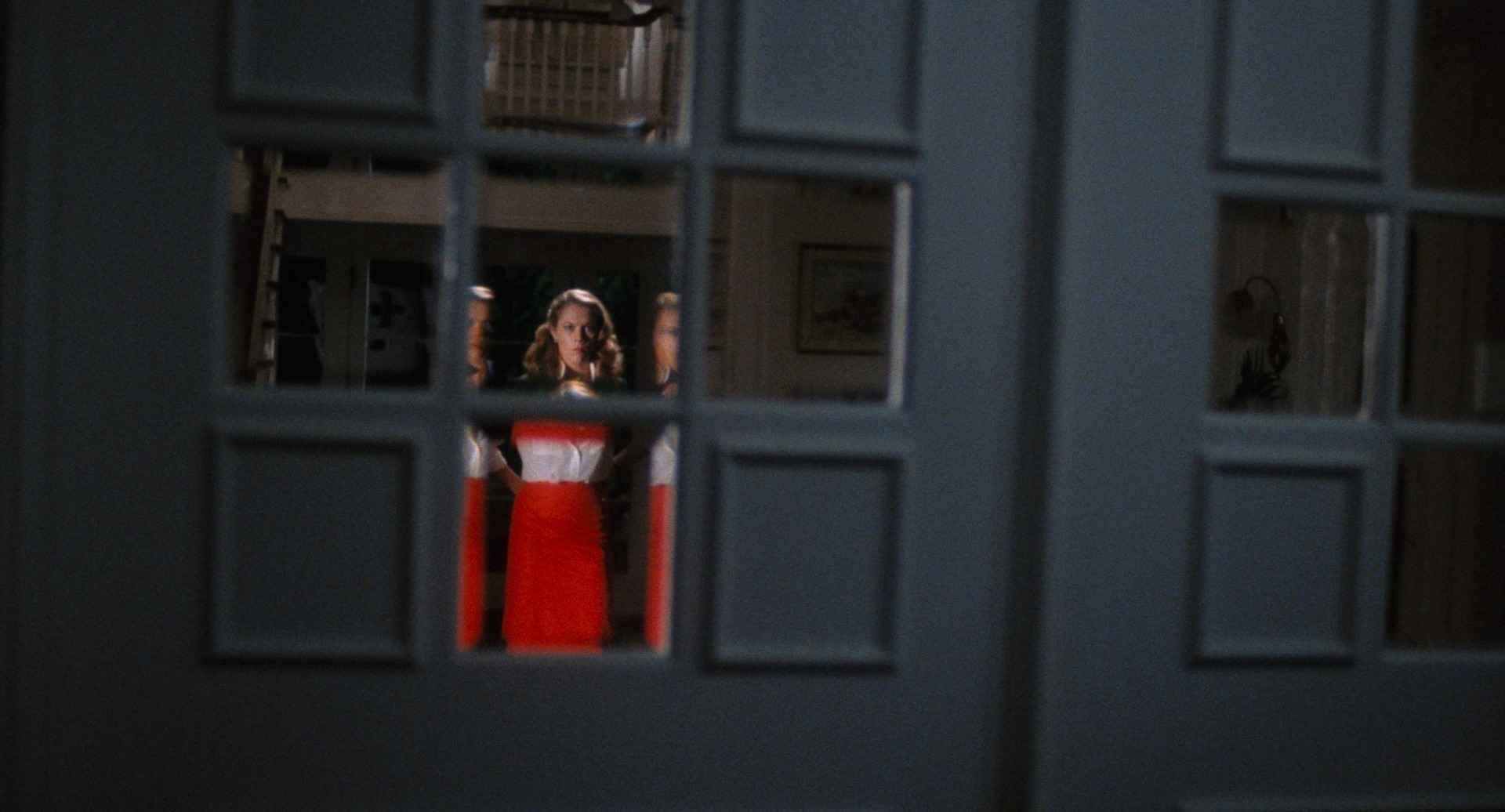
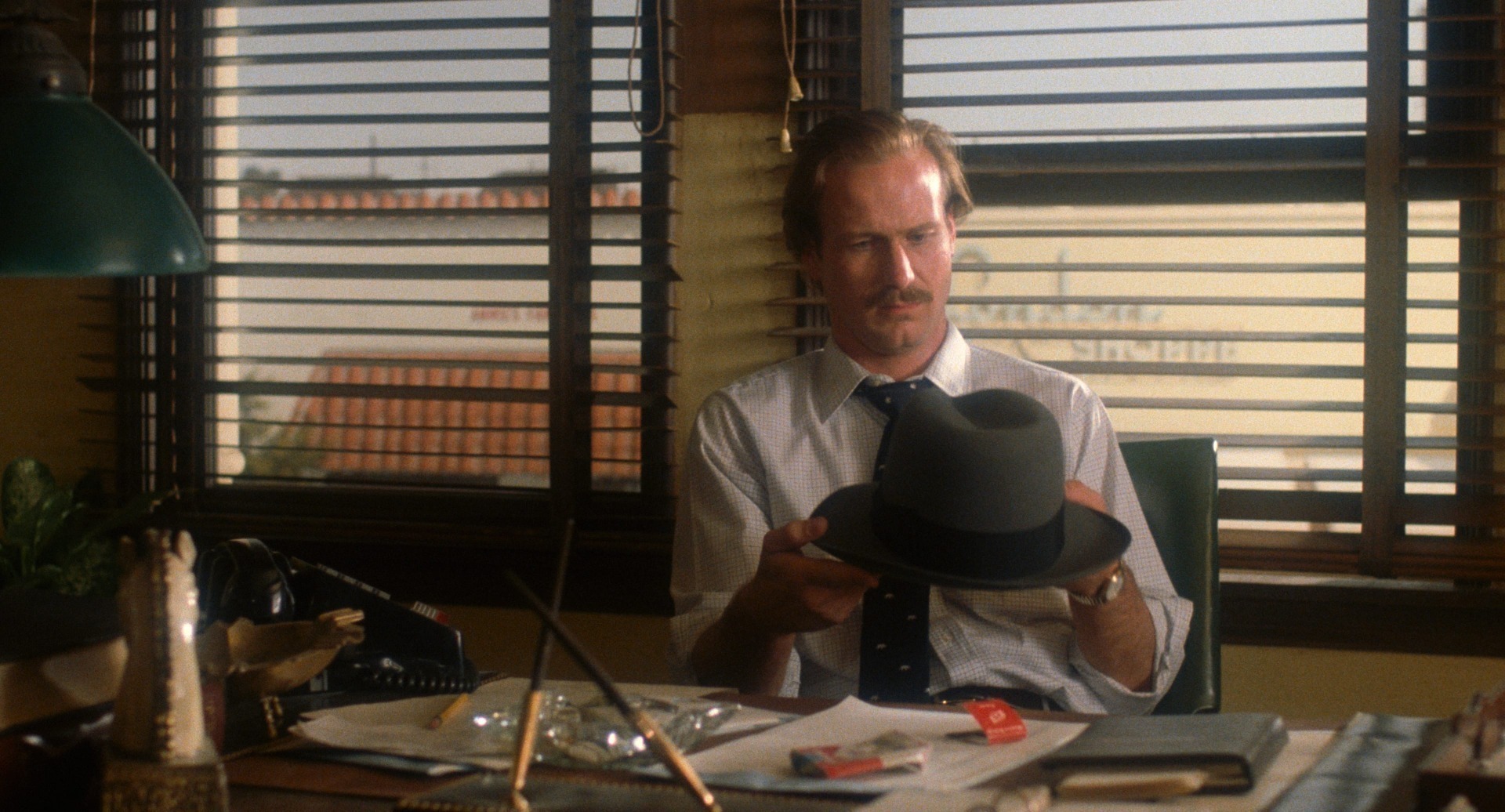
When we next see Ned, a judge reprimands him for his client’s attempt to “defraud the county” over a bulk order of toilets that never arrived. His prosecutor friend (Ted Danson) jokes that he’s surprised Ned wasn’t “in on that toilet caper,” adding that it could have been “that quick score you’ve always been searching for.” As if on cue, Ned meets and falls into bed with the stunning Matty Walker (Kathleen Turner). Married to a rich older man named Edmund (Richard Crenna), she lives mostly alone in a grand old house in nearby Pinehaven. If you’ve seen Billy Wilder’s Double Indemnity (1944) or any other classic noir, you might anticipate the next move, and that’s part of the giddy thrill. Matty claims she’s in love with Ned and wants a divorce, but why settle for a small fraction of the money when you could have all of it? Swiftly, a plan to murder Edmund is afoot, one that succeeds until it doesn’t—because Matty is not as she seems, and Ned, for all his scheming and hustling, doesn’t stand a chance. From here, the plot corkscrews through a series of dizzying twists as Ned sinks deeper and deeper into a hole that he has mostly dug himself.
Widely praised on its release, Body Heat launched the directing career of Kasdan, a screenwriter coming off the back-to-back successes of The Empire Strikes Back and Raiders of the Lost Ark. It also marked a pivot from the moody, downbeat, noir-inflected movies of the 1970s (Chinatown, The Long Goodbye, Night Moves), with their emphasis on corruption and stealth power, to a spate of erotically charged neonoirs (Body Double, Basic Instinct, The Last Seduction) that flourished in the eighties and nineties. At the time, Body Heat received particular attention for its provocative sex scenes—ones that classic noir could only hint at through a shared cigarette, suggestive repartee, a desperate embrace fading to black. Many contemporary critics focused on the movie’s winks to the genre—the venetian blinds, the chiaroscuro lighting, the sultry saxophone on John Barry’s score—and judged it a sleek, expertly mounted exercise in nostalgia, style, and fetish. But Kasdan, who also wrote the cunning script, had far more in mind than simple pastiche. Today, it’s clear that Body Heat is about precisely the historical moment in which it was made. Like its genre predecessors, the film uses the vehicle of a stylish sex-and-murder plot to deeply mine the anxieties of its current moment—in this case, the creeping dawn of the eighties and everything that decade would bring.
More: Essays
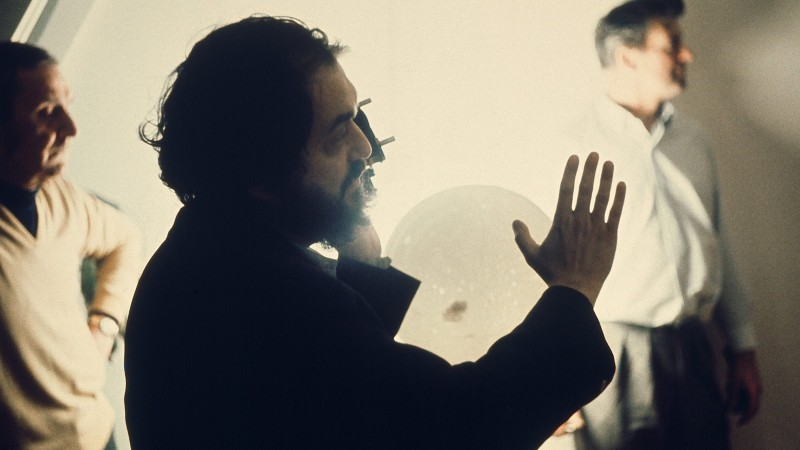
God Laughs: Stanley Kubrick’s Cinema
Throughout his enormously influential body of work, the great director explored the conflict between humankind’s obsession with control and our capacity for error and failure.

Christiane F.: Up Against the Wall
Uli Edel’s harrowing tale of youth rebellion is one of cinema’s greatest Berlin films, a visceral urban portrait that captures the city’s doom and decadence during the Cold War era.
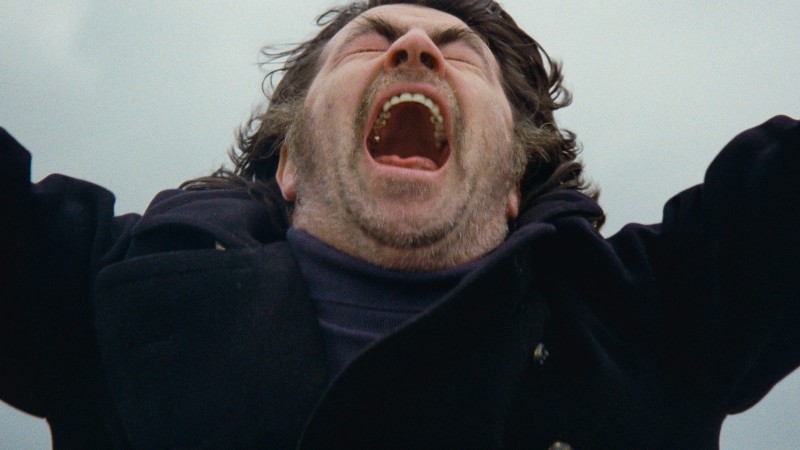
The Shout: Sound and Fury
Blending elements of psychological thriller, social satire, and psychedelic film, Jerzy Skolimowski’s Cannes-award-winning classic uses its audacious sound design to evoke the terror of English civilization.

Welcome II the Terrordome: The Future Is Furious
A dystopian drama that draws on the influences of African mythology and hip-hop, Ngozi Onwurah’s debut feature uses a mix of speculative forms to expose anti-Blackness as a system that underpins the modern world.