A trauma is really nothing more than a memory, but a memory of something overwhelming, life-threatening, or destructive, and what characterizes this memory is that its power remains undiminished and that it cannot be controlled. It can take over a life. It is also wordless. Not only in the sense that language is powerless in relation to the overwhelming and cannot grasp it but also because the memory lives through emotions and is physical. Such a state, where the past lives on in the present, wordless and unprocessed and overwhelming, like a kind of emotional wilderness, has repercussions in the social sphere, because when energy is used to deal with the presence of the past, the bonds to the present and to those who are in it are weakened. And what happens to them? To those who have had a parent who drinks, or who is depressed, or who is aggressive, or who takes their own life? In a way, the trauma lives on in them, albeit indirectly and in a different form. And it doesn’t stop there, because their children will also experience the aftereffects of what they were exposed to, to a greater or lesser extent: a shadow of something that once happened to one of their grandparents will hang over their lives, something unspoken and invisible, often unknown.
And it is more common than one might think. “One does not have to be a combat soldier, or visit a refugee camp in Syria or the Congo, to encounter trauma,” writes Bessel van der Kolk in his book The Body Keeps the Score. “Trauma happens to us, our friends, our families, and our neighbors.” Suicide happens, domestic violence happens, sexual abuse happens, drug abuse happens. But trauma happens in isolation and is like a kind of hidden enclave in society. In Sentimental Value, the trauma began some eighty years earlier; it has long since left its concrete starting point, the torture, and become something completely different. But what? It is something beyond definition, and that is what Sentimental Value explores: how the past lives on in us, shapes us, partly determines who we are and how we feel. That also requires a language, or an expression, that can move beyond definition but at the same time be able to grasp it.
I have interviewed Trier twice: the first time about his relationship with the painter Edvard Munch, for a book I wrote; the second time about Sentimental Value, for a Norwegian newspaper. Both times he talked about the connection between trauma and the sublime.
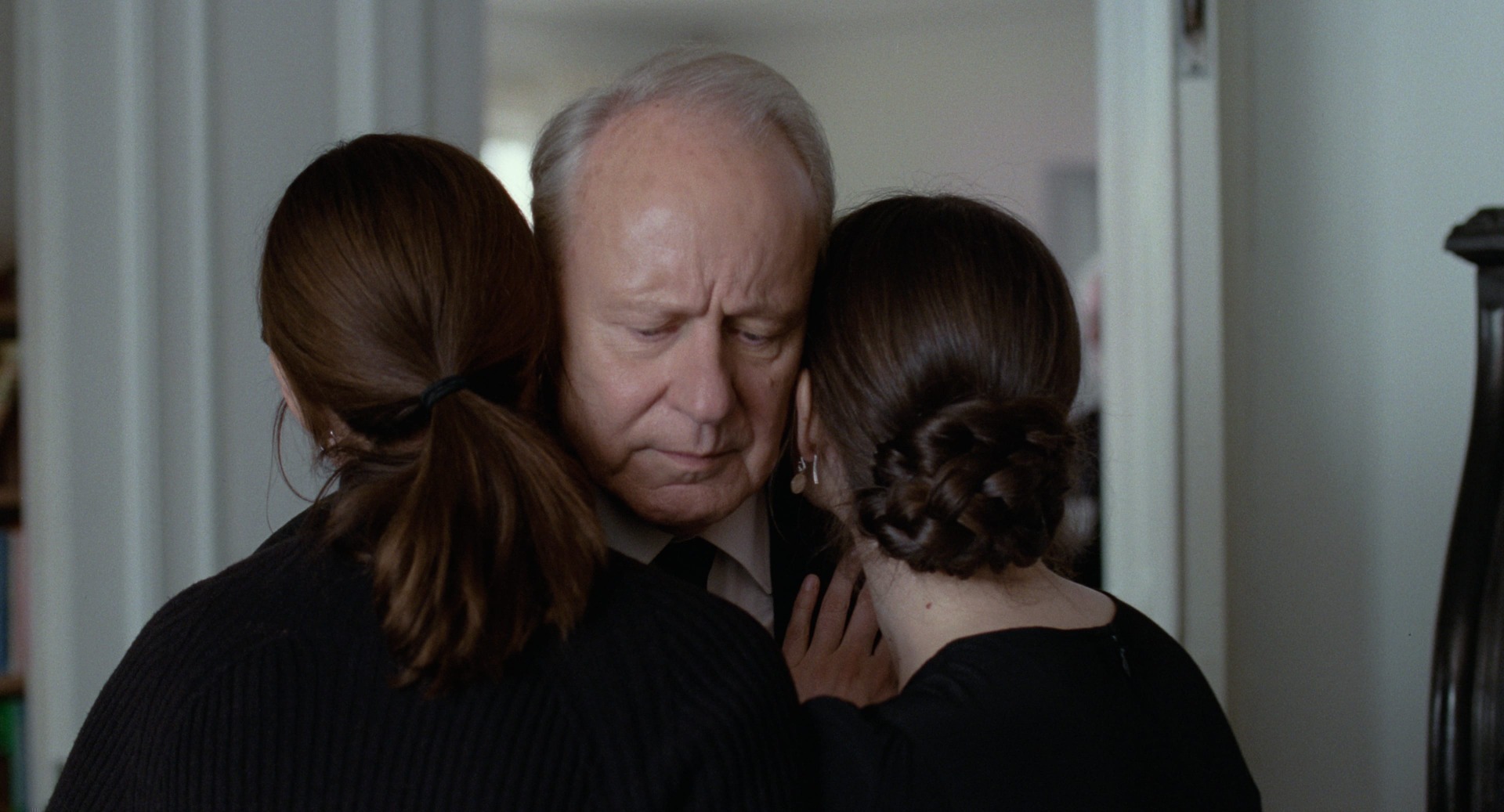
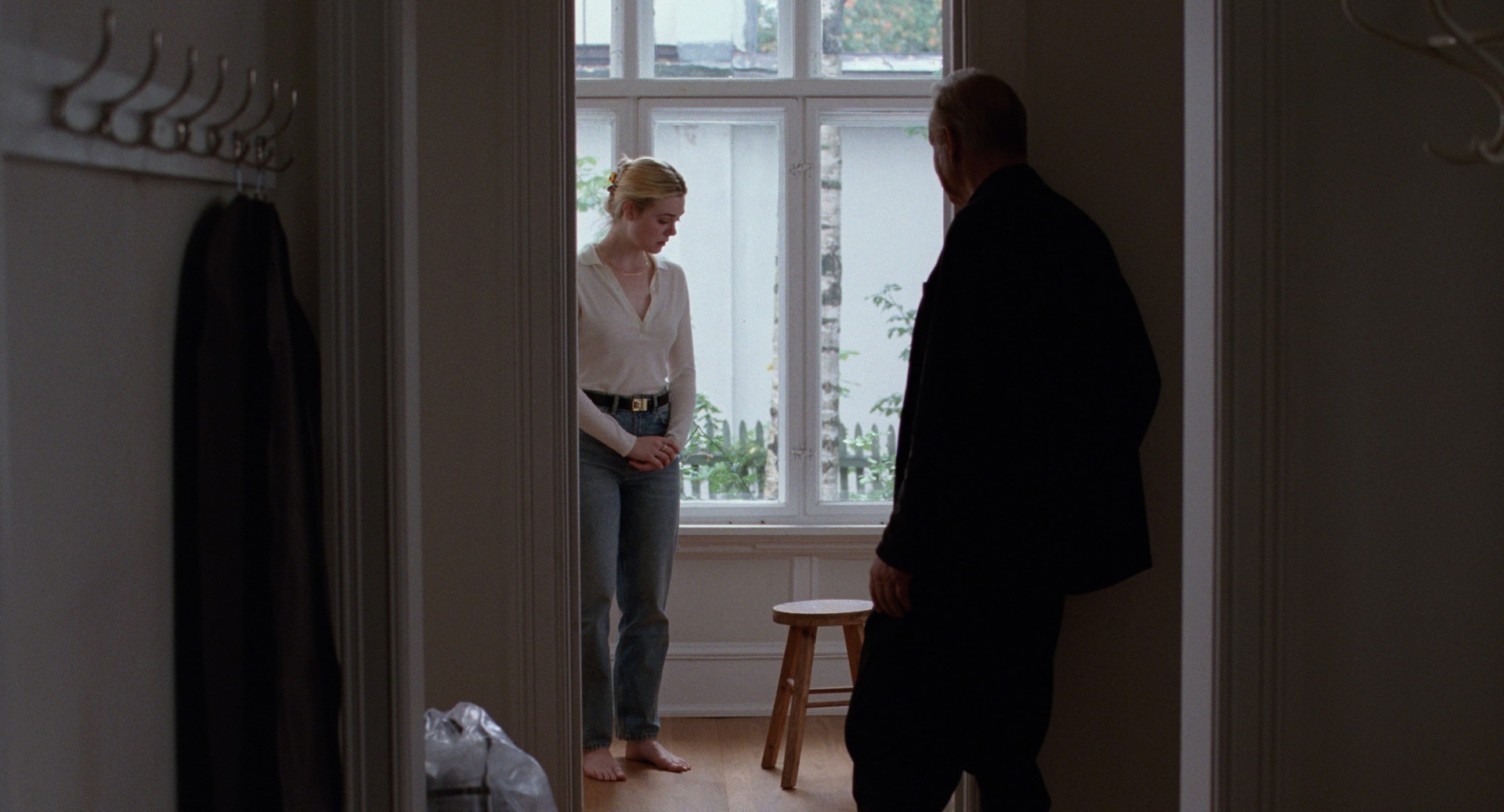
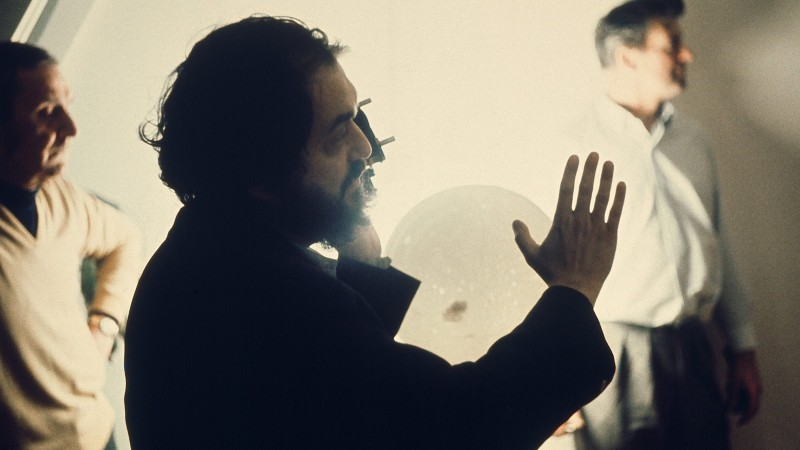
“Trauma exists in the nonsocial, outside language, in the transmissions we are blind to,” he said. “There, in that space, art also exists. What we sense but cannot put into words has its place there, can be seen there. Trauma and the sublime are connected.” It is in this light that I see the film within the film, Gustav’s attempt to capture the gaze before the abyss when he wants to recreate the expression on his mother’s face in the seconds before she ended her own life. Gustav is clearly an emotionally damaged man; he is unable to relate to his own children, to be close to them, and he has failed them massively; but in another way, in relation to the films he has made, he is just as clearly emotionally expressive and insightful. This is not an unusual combination; art history is full of narcissistic, tyrannical men who have created uniquely enriching and deeply humane works of art, and there is no contradiction in this, precisely because art, at least in its innermost essence, exists outside the social sphere, free from its constraints, and because its language, when it is good, is about presence, about getting close to something. This may sound like an apology, a mythologization of the artist, and an expression of a deeply romantic view of art—that art has its own privileged language for human existence—but in Sentimental Value, the opposite happens: Gustav’s film is drawn completely into practical, tangible, everyday reality. We see it first as a pile of scripts on a café table in Oslo, absolutely subordinate to the meeting between father and daughter, then in the rehearsal with Rachel, where Gustav describes how he imagines the scene, and then we encounter it again in the form of many long script rehearsals, before we finally get to see the scene about the mother’s suicide, with Nora as the mother, in one long take, but not as an illusion, not as presence, because what we are seeing is the filming of the scene, with Gustav sitting there surrounded by his film crew. It is an effective device, because Gustav’s film becomes fiction while Sentimental Value becomes the reality that encompasses the fiction, inevitably credible, at the same time as the film as a phenomenon becomes just one of many ways of dealing with and understanding life. It is somewhat reminiscent of something that happens in Trier’s first film: its title, Reprise, alludes to a wish of the main character Phillip, who at one point attempts to recreate a memory—he takes his ex-girlfriend to Paris and wants them to do exactly the same things they did when they met there, down to the smallest detail. These scenes are extremely uncomfortable to watch, perhaps because they simultaneously convey a sense of hope—Phillip’s hope of winning back his girlfriend, who is his gateway to life—and the impossibility, indeed the hopelessness, of this hope, since we who are watching know that life and living exist only in the moment, which is constantly changing and cannot, under any circumstances, be held on to without becoming something else. Yes, that’s true, one might think. But the film’s power of illusion is so great that when we see Phillip standing there in Paris, carefully instructing his ex-girlfriend to sit in a certain way on a wall, it is easy to forget that behind that scene there is a director and a film crew working with reality in exactly the same way as Phillip does.
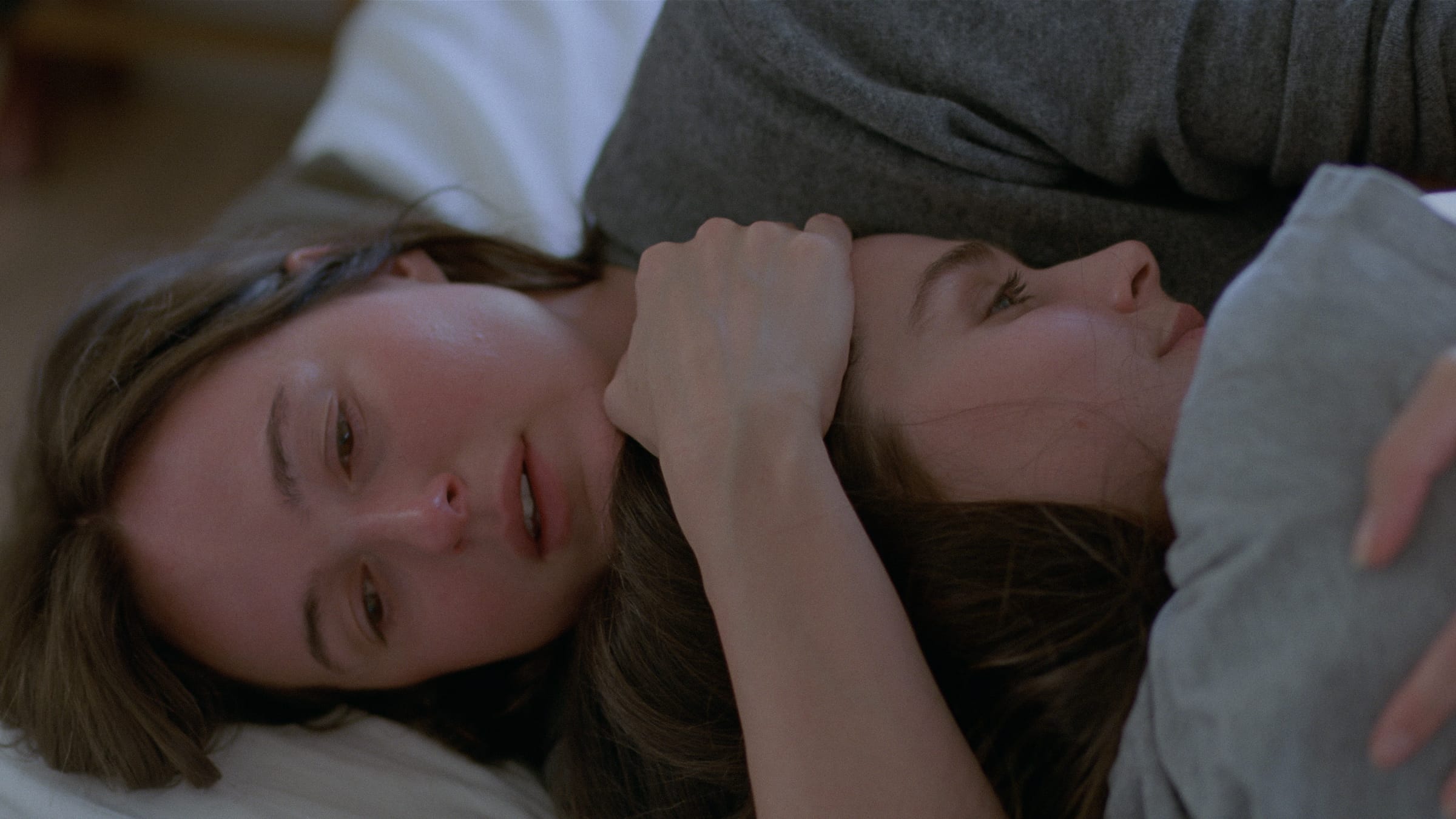
It is probably no coincidence that Sentimental Value opens backstage at a theater, where Nora stands dressed in costume, half herself, half her character, preparing to go onstage. We find ourselves in a transitional space, in a room between reality and fiction. The film ends in a similar transitional space, zooming out from the set where Nora stands as herself, having just played her grandmother, as the reality outside becomes more and more visible. That reality is, of course, fiction, part of the film, and one must imagine that a film crew is standing outside it again, in our world, the one I am sitting in writing this, and where Sentimental Value is just one of many films. Elements from this real world have probably slipped into the film—Trier’s grandfather was Erik Løchen, a Norwegian filmmaker who was held captive at Grini by the Germans during the war, and the film’s narrator is a legendary actress, Bente Børsum, who starred in one of Løchen’s films—but more important, of course, is what goes the other way, from the film into reality. For me, as I said, it loosened something hard, and that might have been about my father, an irritable, unpredictable, quick-tempered, harsh, and strict man, later an alcoholic, incapable of intimacy. I never thought about why he was the way he was while he was alive. After he died, I heard from neighbors and colleagues that when he got drunk, he always talked about the same thing: events from his childhood, how he had often been beaten and locked in a dark closet, clearly traumatized. That explained something, but it didn’t change anything. When I saw Sentimental Value, this fact-based insight was filled with emotion, and brought to the fore the equally terrible and good thought: What if he had no choice? And then: Do I have a choice?
Then we have left fiction and film behind and are deep into reality, but, and this is probably the point of this essay, the film is also there, as one of the many ways we have of dealing with and understanding life.