A Man and a Woman: Modern Lovers

The nouvelle vague, the storied French New Wave, made reputations. Jean-Luc Godard, François Truffaut, and Agnès Varda were among the mavericks who established their careers between the late 1950s, when the wave began, and 1963, when it started to subside. In the uncertain period of the mid-1960s, two young auteurs became household names and their passion projects international successes.
In a glowing review of Claude Lelouch’s 1966 breakout hit, A Man and a Woman, critic Gilles Jacob (later the longtime president of the Cannes Film Festival) affectionately dubbed the movie Under the Umbrellas of Deauville, implying its kinship with Jacques Demy’s 1964 musical romance, The Umbrellas of Cherbourg. Both films exalted first love but pragmatically suggested that it might not last, and that there was a way of moving forward in its wake.
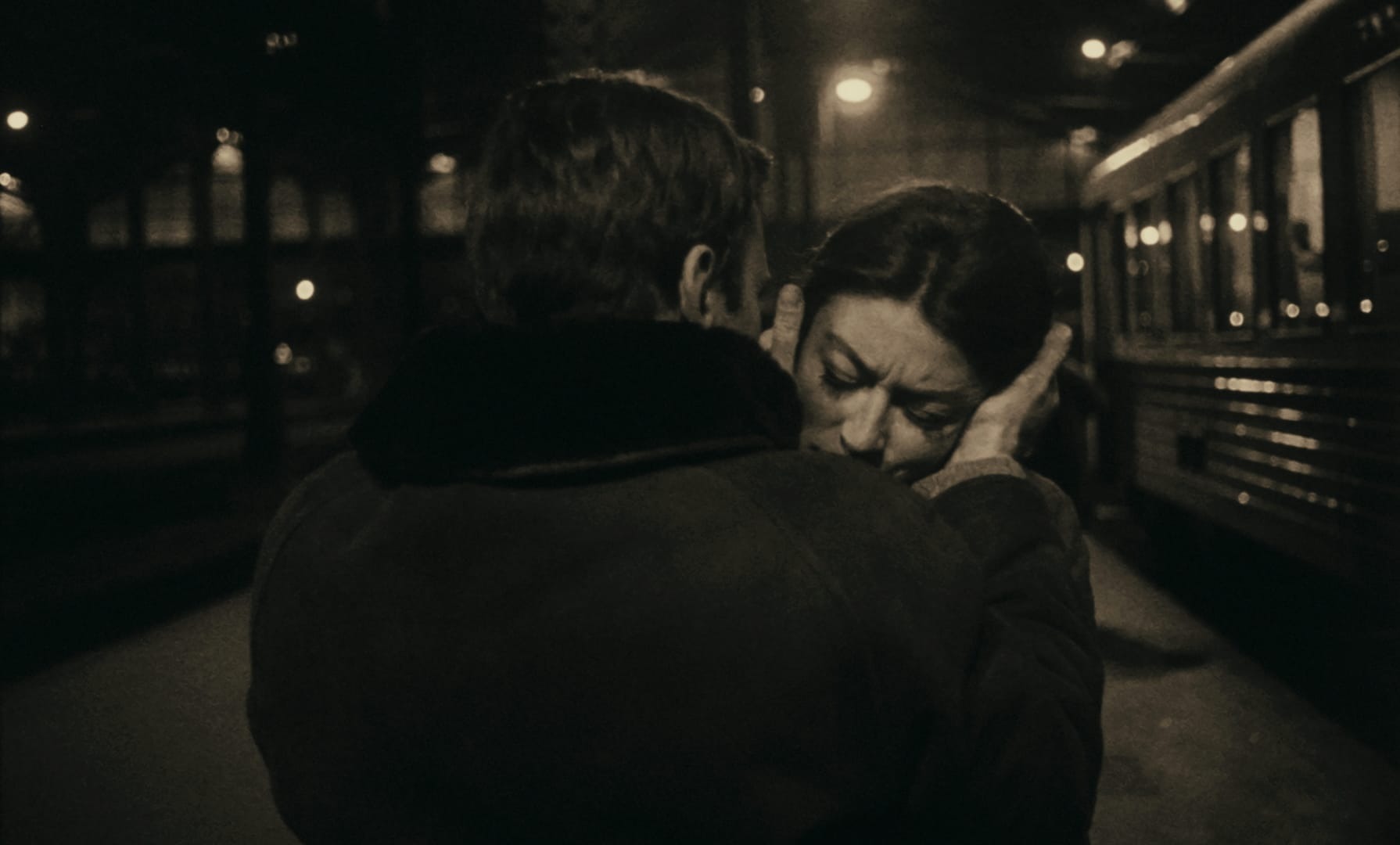
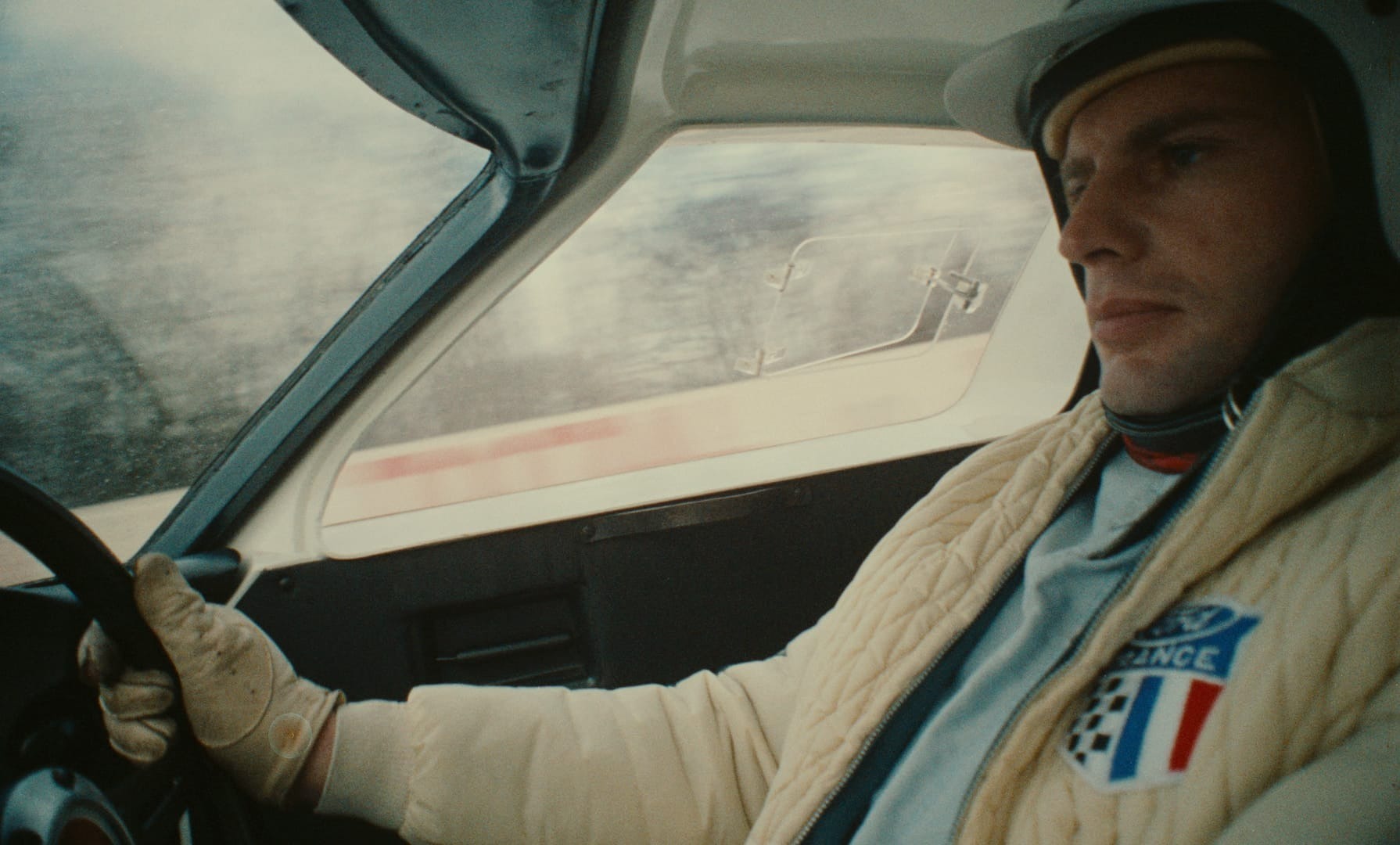
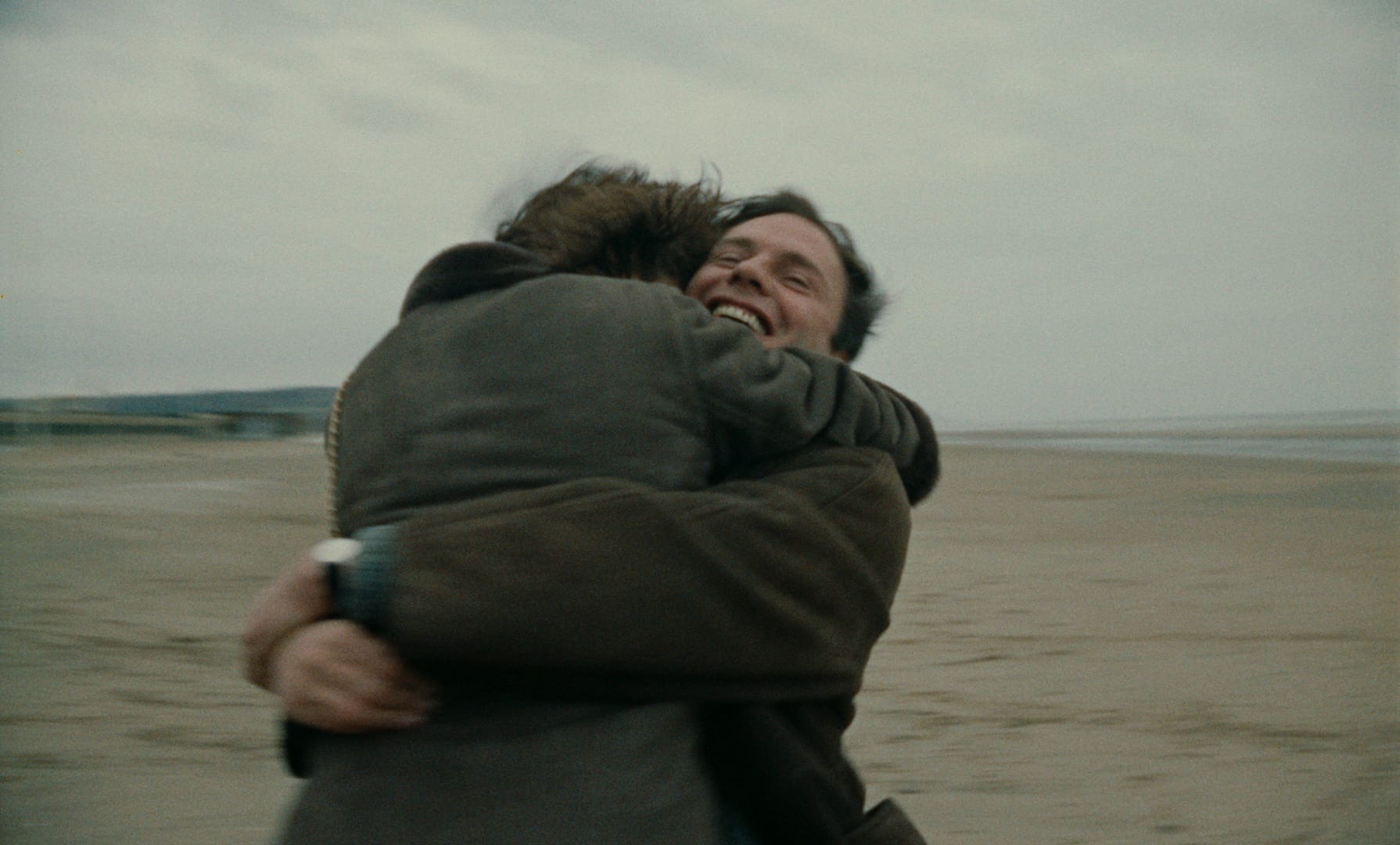
Demy’s film, set in the port city of Cherbourg, concerns the relationship between a young garage mechanic and a shopgirl, who are cruelly separated when the former is sent to fight in France’s war in Algeria. The Lelouch is about sexy Parisians with sexy jobs, a race-car driver and a film continuity supervisor, who have been cruelly sundered from their spouses. Both are single parents, each with a child at a boarding school in the upscale resort town of Deauville.

More: Essays
God Laughs: Stanley Kubrick’s Cinema
Throughout his enormously influential body of work, the great director explored the conflict between humankind’s obsession with control and our capacity for error and failure.
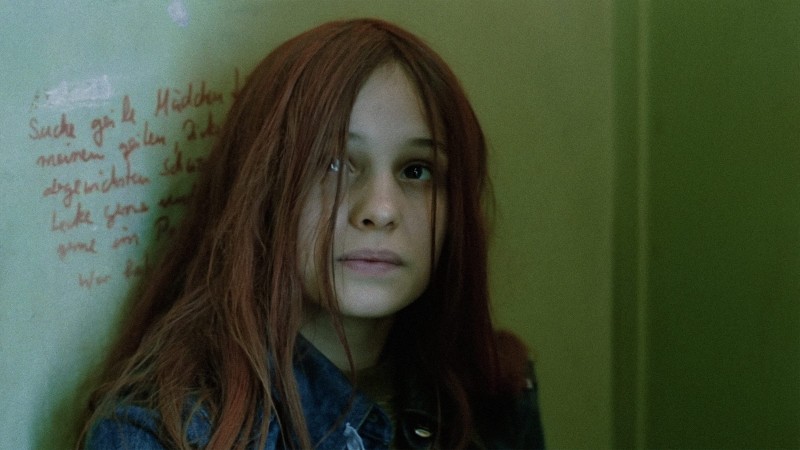
Christiane F.: Up Against the Wall
Uli Edel’s harrowing tale of youth rebellion is one of cinema’s greatest Berlin films, a visceral urban portrait that captures the city’s doom and decadence during the Cold War era.
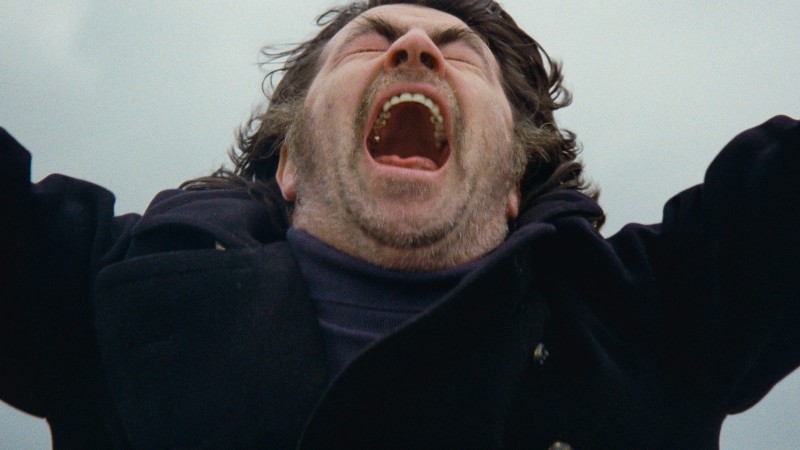
The Shout: Sound and Fury
Blending elements of psychological thriller, social satire, and psychedelic film, Jerzy Skolimowski’s Cannes-award-winning classic uses its audacious sound design to evoke the terror of English civilization.
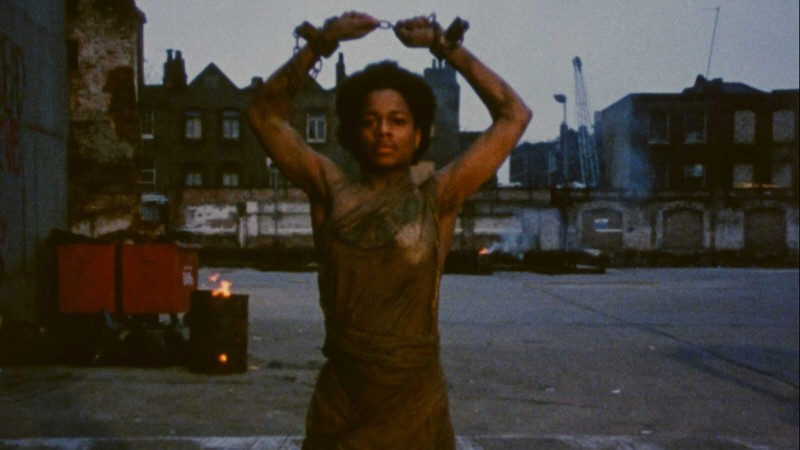
Welcome II the Terrordome: The Future Is Furious
A dystopian drama that draws on the influences of African mythology and hip-hop, Ngozi Onwurah’s debut feature uses a mix of speculative forms to expose anti-Blackness as a system that underpins the modern world.