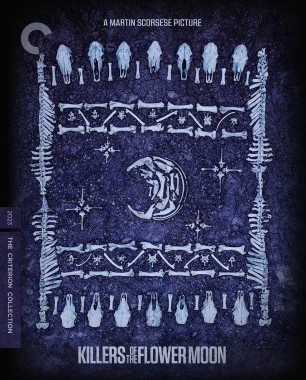
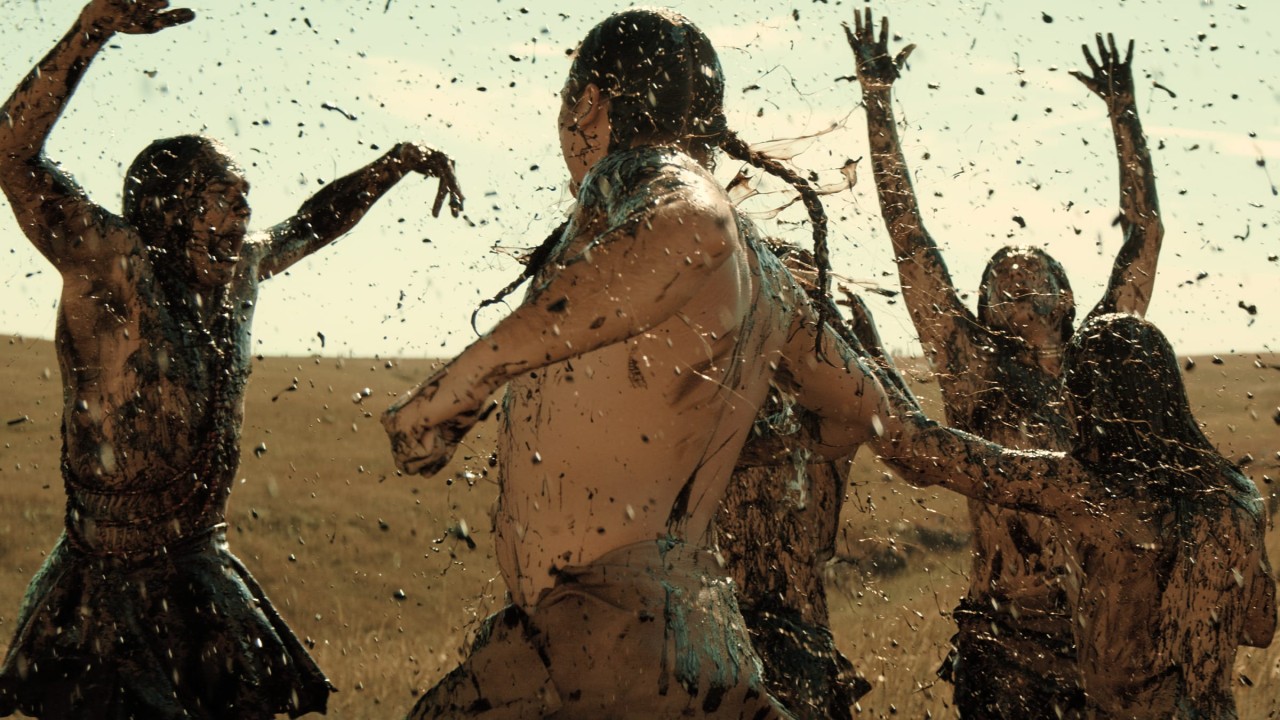
Killers of the Flower Moon: A Prayer from the Abyss
Share
One summer, when I must have been around seven years old, my grandmother told me a story about a wealthy Native American family. It was during the annual road trip that we would make, from Arizona through western Oklahoma’s sea of grass, to a reunion of the side of my family that hails from the Kiowa Tribe. The family she described were so incredibly rich, they lived in a mansion, owned luxury cars, and even employed white servants. The image was utterly bewildering, like something out of an alternate reality. I asked if they were part of our tribe, but she said they were not; they were Osage, from the other side of the state. I never asked how she knew about them or what became of them, and this lingering story from my childhood only gained clarity years later, when I learned of the Osage people’s history, and again in 2017, when it was announced that Martin Scorsese would be adapting David Grann’s Killers of the Flower Moon.
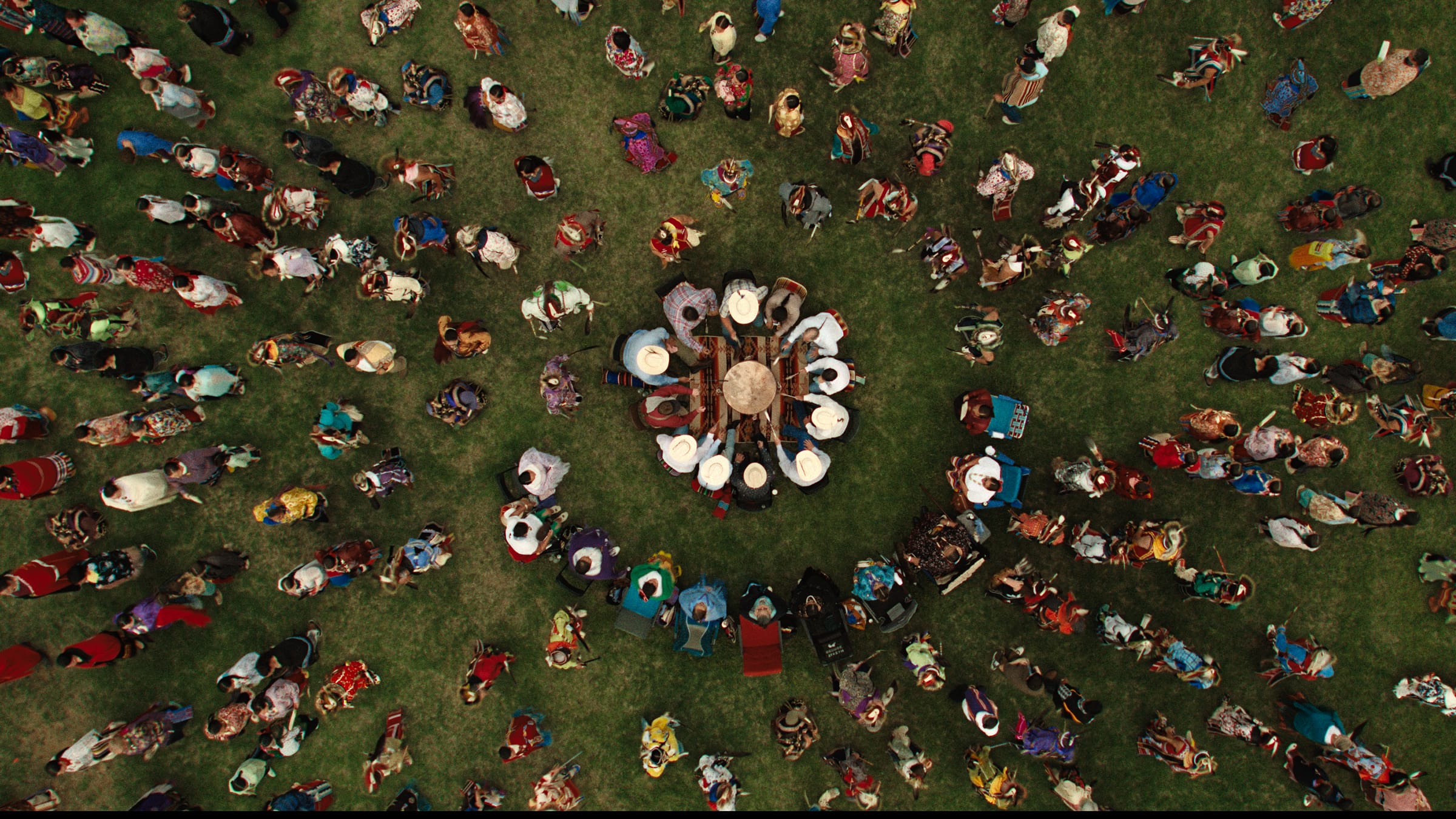
In his meticulously researched book, Grann details the calculated genocide of Osage tribal members in eastern Oklahoma during the 1920s. Driven by the Osage Nation’s oil wealth, white settlers orchestrated what was later called a “Reign of Terror”—a slew of murders by way of poisoning, bombing, and shooting—to seize oil headrights. Grann frames the narrative around the nascent Federal Bureau of Investigation’s inquiry, shifting focus from the perpetrators’ identities to the systemic conspiracy, the pervasive guilt, and the frustrating pursuit of justice. The murders are highlighted as an institutional failure, yet the Osage narrative was distinct among Native American tribes because the tormentors did face prosecution, even if some ultimately evaded justice.
Scorsese’s decision to adapt this monumental book—and, critically, his willingness to confront one of America’s foundational sins, the genocide of its Indigenous people—presented an opportunity for a vital cultural moment and marked a novel direction in a career then spanning forty-two features. Given his stature, the project was uniquely positioned to achieve a scale and an audience that few, if any, other filmmakers at that time could have commanded. As a longtime admirer of the iconic director’s work, I was undeniably intrigued by the prospect; yet, as a Native person navigating an America demanding to be made great again, I felt some personal apprehension stirred up by the endeavor.
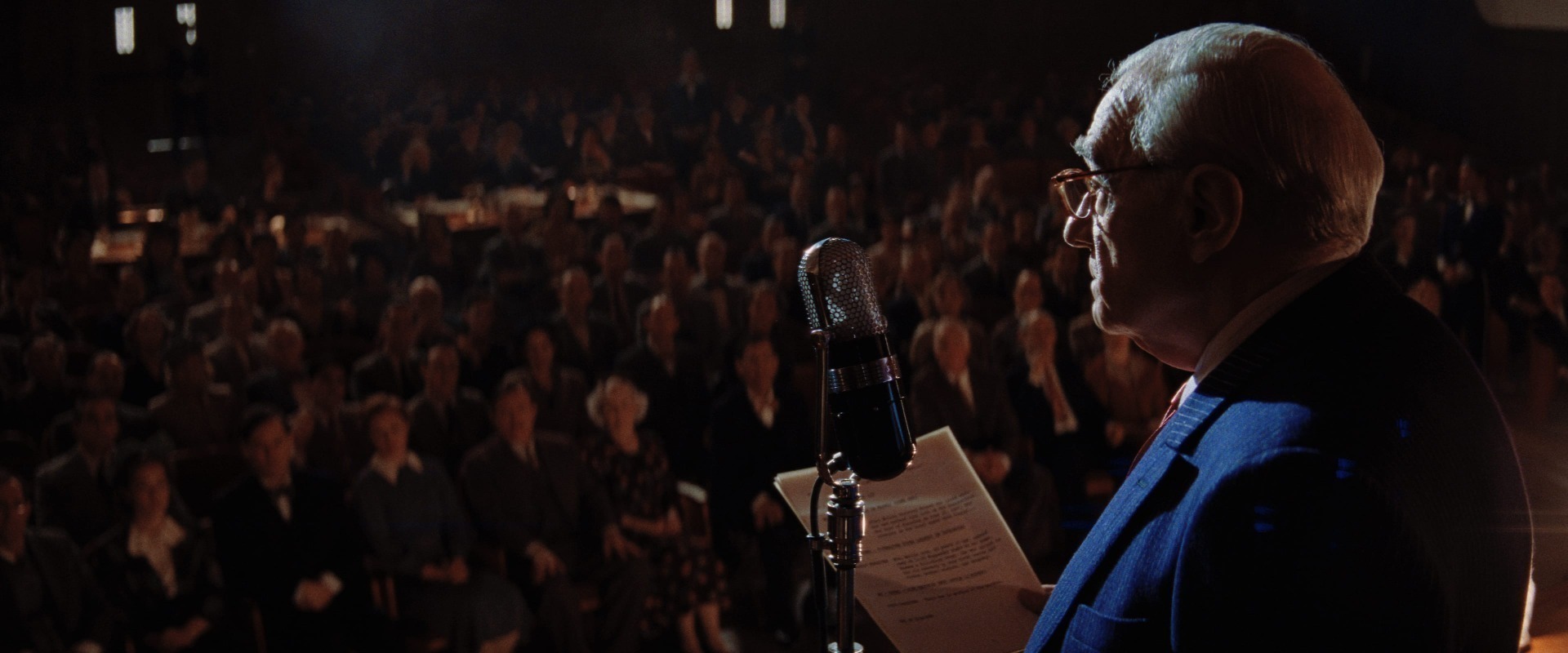
More: Essays
God Laughs: Stanley Kubrick’s Cinema
Throughout his enormously influential body of work, the great director explored the conflict between humankind’s obsession with control and our capacity for error and failure.

Christiane F.: Up Against the Wall
Uli Edel’s harrowing tale of youth rebellion is one of cinema’s greatest Berlin films, a visceral urban portrait that captures the city’s doom and decadence during the Cold War era.
The Shout: Sound and Fury
Blending elements of psychological thriller, social satire, and psychedelic film, Jerzy Skolimowski’s Cannes-award-winning classic uses its audacious sound design to evoke the terror of English civilization.
Welcome II the Terrordome: The Future Is Furious
A dystopian drama that draws on the influences of African mythology and hip-hop, Ngozi Onwurah’s debut feature uses a mix of speculative forms to expose anti-Blackness as a system that underpins the modern world.