
Killers of the Flower Moon: A Formal Feeling
Share
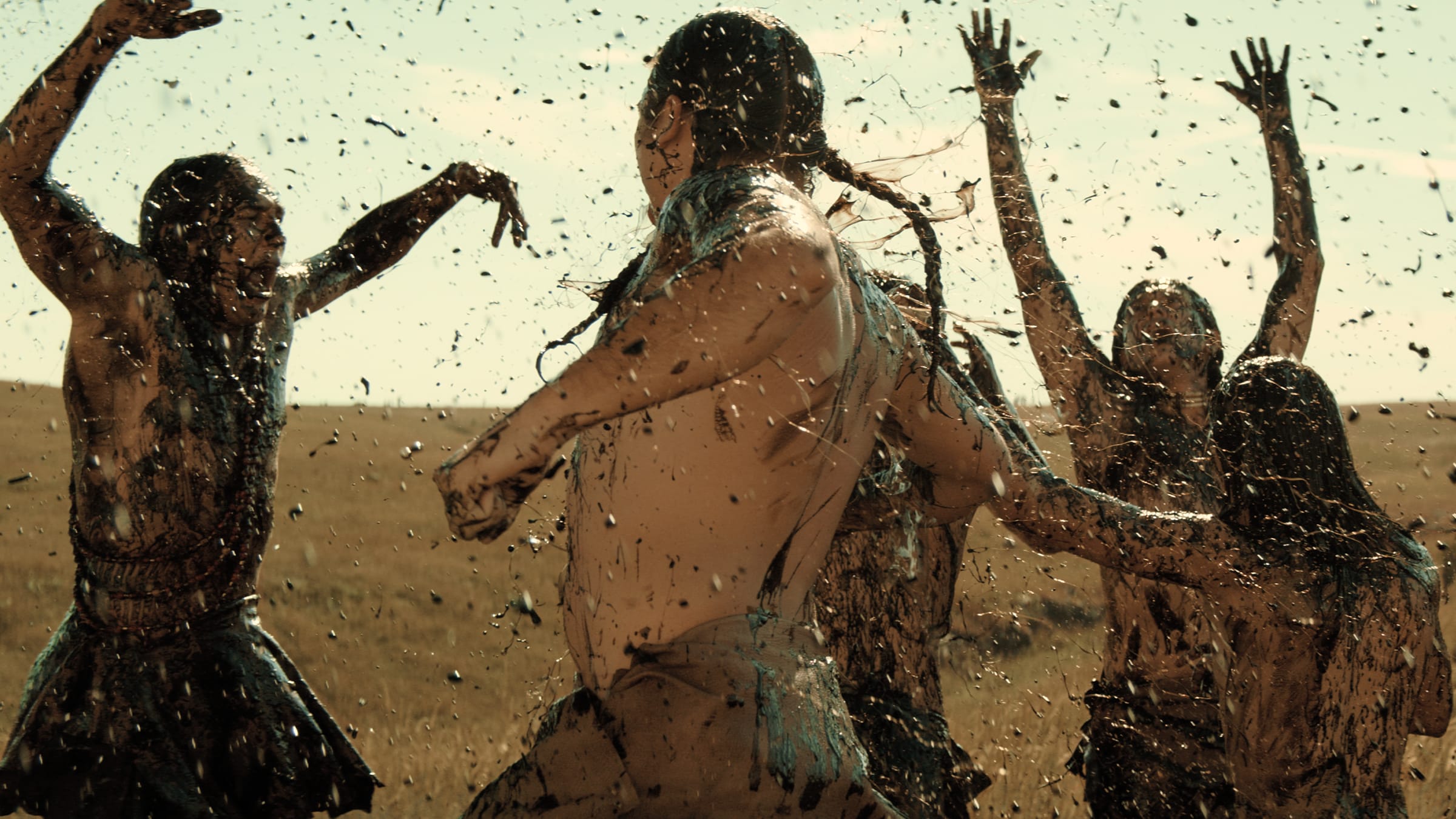
Toward the beginning of Killers of the Flower Moon (2023), Martin Scorsese’s guileful masterwork of unguileful plunder, a few young members of the Osage Nation are shown in a moment of reverie. They’re jumping and yelling, all elation and sublime relief, their skin covered in rich black oil. The fruit of the earth has brought their people great material wealth, and that’s enough reason to have fun, get hedonistic, throw a party. Scorsese casts the scene in slow motion—that time signature of self-indulgent pleasure—and scores it with pulsating drums. The oil boom is a blessing. Never mind the foreboding that is humming underneath.
Scorsese is, among other things, the great choreographer of glittering moments that come before a great fall. Think of all those grotesque scenes of money-crazed debauchery on the trading floor in The Wolf of Wall Street (2013). One woman agrees to let her head of long blond hair be shaved for ten thousand bucks. In Goodfellas (1990), there’s a long, sumptuous take of Ray Liotta as Henry Hill, a gangster on the upswing, guiding his new girlfriend through the back rooms of the Copacabana. Down a flight of stairs and through narrow, dark passageways, into the bustling kitchen, and, finally, out onto the low-lit, dapper floor, where a table is promptly set up for them. Remember the bright color of the tables in Casino (1995), seen from so high above. This is what it looks like to arrive.
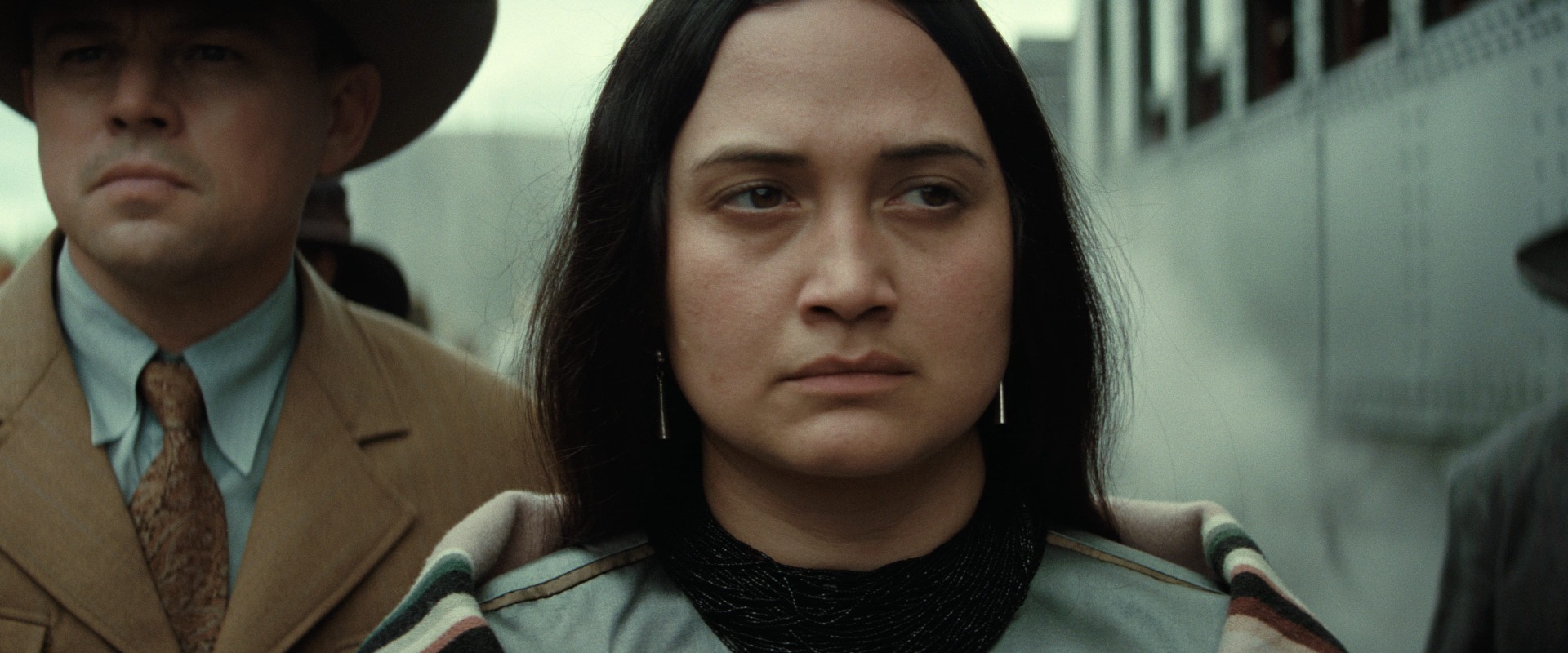
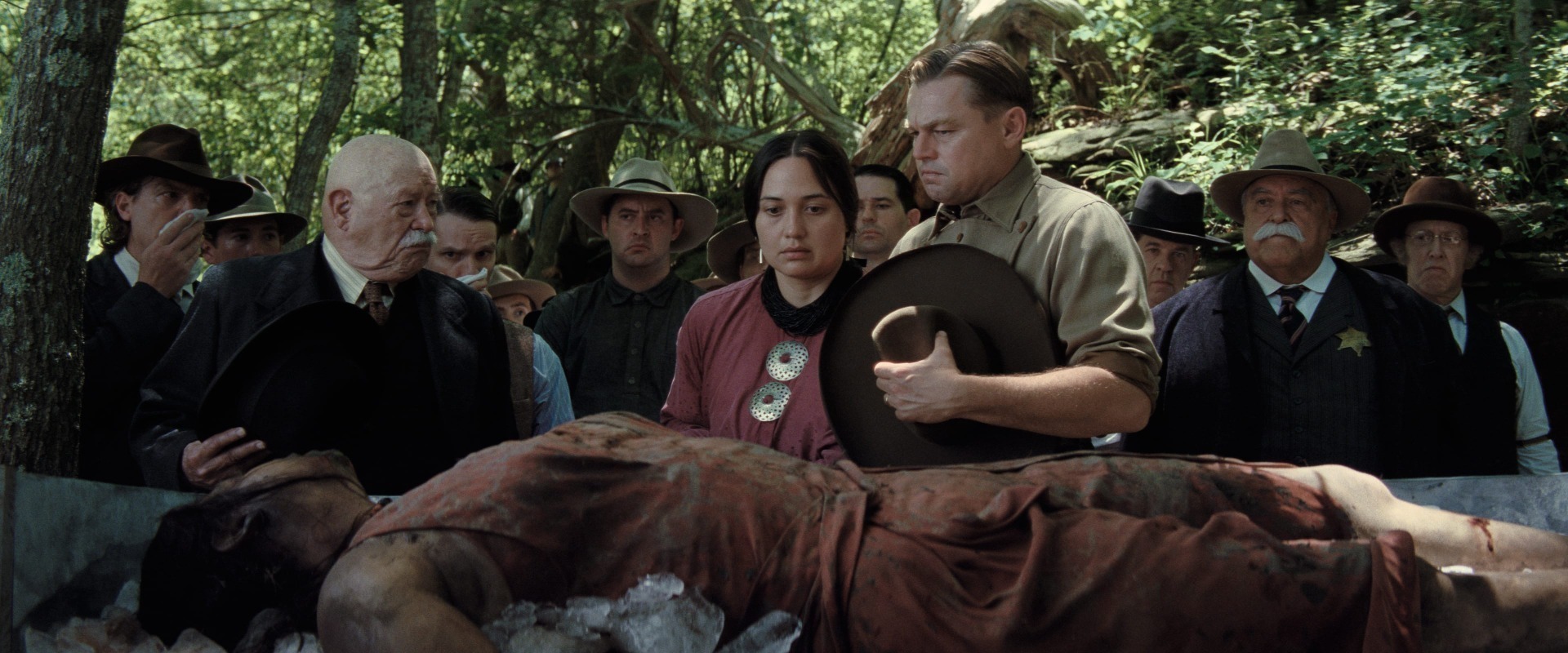
All of this is going to go bad, and so it does with Killers. But the Osage people are no gangsters, and Killers traces a very different arc. It tells the story of a florid true crime: how, in the 1920s, the oil wealth of the Osage was stolen by way of a dastardly scheme to murder its rightful inheritors, one by one, through means both clandestine and surreally frank, making all the spoils of that black gold end up in white hands. David Grann’s 2017 book about the murders and the FBI operation that led to their exposure served as source material for Scorsese’s almost three-and-a-half-hour epic: a fitting canvas for a sprawling shame.
More: Essays
God Laughs: Stanley Kubrick’s Cinema
Throughout his enormously influential body of work, the great director explored the conflict between humankind’s obsession with control and our capacity for error and failure.
Christiane F.: Up Against the Wall
Uli Edel’s harrowing tale of youth rebellion is one of cinema’s greatest Berlin films, a visceral urban portrait that captures the city’s doom and decadence during the Cold War era.
The Shout: Sound and Fury
Blending elements of psychological thriller, social satire, and psychedelic film, Jerzy Skolimowski’s Cannes-award-winning classic uses its audacious sound design to evoke the terror of English civilization.
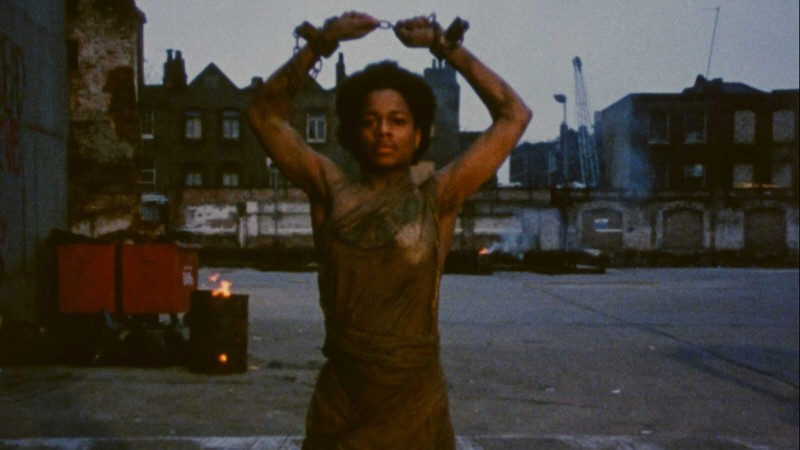
Welcome II the Terrordome: The Future Is Furious
A dystopian drama that draws on the influences of African mythology and hip-hop, Ngozi Onwurah’s debut feature uses a mix of speculative forms to expose anti-Blackness as a system that underpins the modern world.