Věra Chytilová’s Boldly Antiauthoritarian Take on Teen Horror
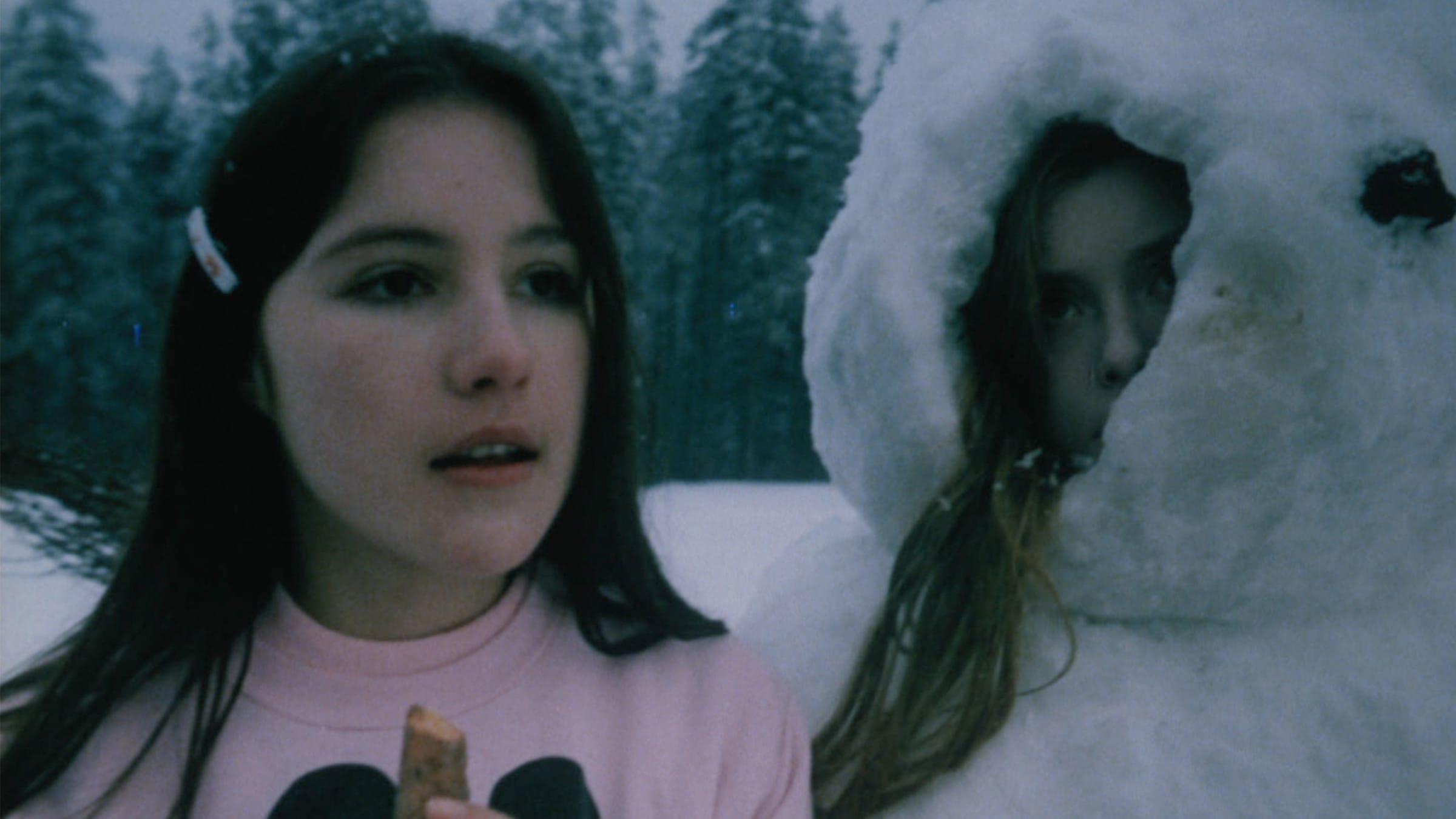
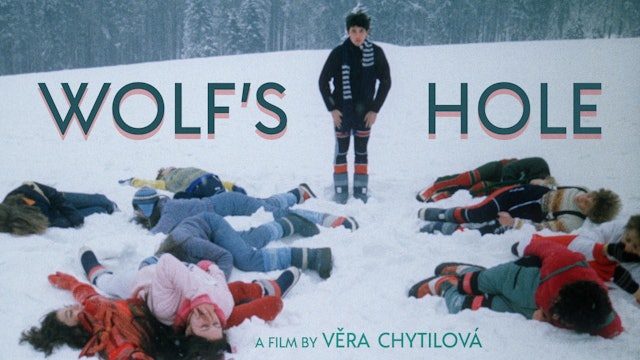
One of the most mischievous figures in world cinema, Věra Chytilová is still best known for Daisies, the daring 1966 film whose gonzo vision of female rebellion and empowerment launched her into the public eye. This Czechoslovak New Wave landmark—which follows the hedonistic exploits of two young women, both named Marie—was banned in the director’s home country for its many shots of wasted food, at a time when rations were strictly enforced by the communist government. Beyond the popularity of this signature work, though, there’s much left to discover in Chytilová’s oeuvre—including the underappreciated Wolf’s Hole, made two decades later. This grim but kooky take on the teen-horror genre widens the scope of Chytilová’s political critique; instead of taking exclusive aim at the patriarchy, here she examines the power dynamics within a group of adolescents from different backgrounds who have been invited to a mysterious skiing retreat that turns out to be a dangerous game. Though the movie lightly touches on gender politics, its main subject is the absurdity of authoritarianism and groupthink.
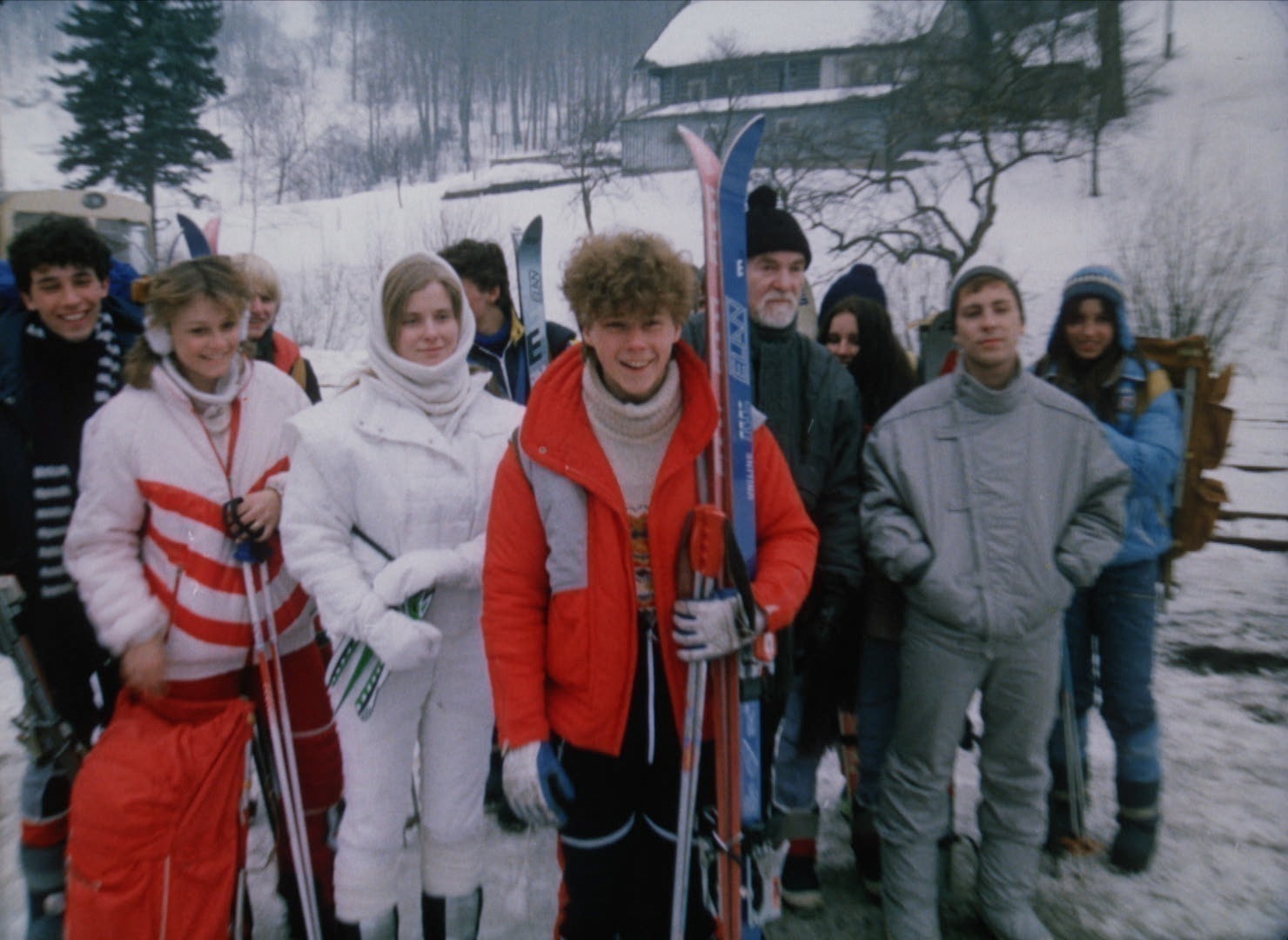
In contrast to Chytilová’s other films, which tend to be formally subversive and experimental, Wolf’s Hole has a relatively straightforward narrative premise: once the ragtag group of eleven youths arrive at their cabin at the top of an icy mountain, they begin to discover that their three adult leaders aren’t who they claim to be. At first, the warning signs are subtle, but the kids soon learn that they are being held captive by aliens. The leader, who calls himself “Daddy,” explains to the hostages that there should be only ten of them at the retreat, and refuses to let them leave until they have chosen one of their own to be killed. Daddy’s intention is to reveal the mercenary nature of the human species, and the ensuing power struggle forms the central drama. Will the group decide on an ethnic outsider, a Romani girl named Gitka, who has brought along a pesky dog and attends a different school than the others? Or will they single out the defiant Petr, who has a criminal past?

More: Features
Jacques Rivette Envisions a More Human Joan of Arc
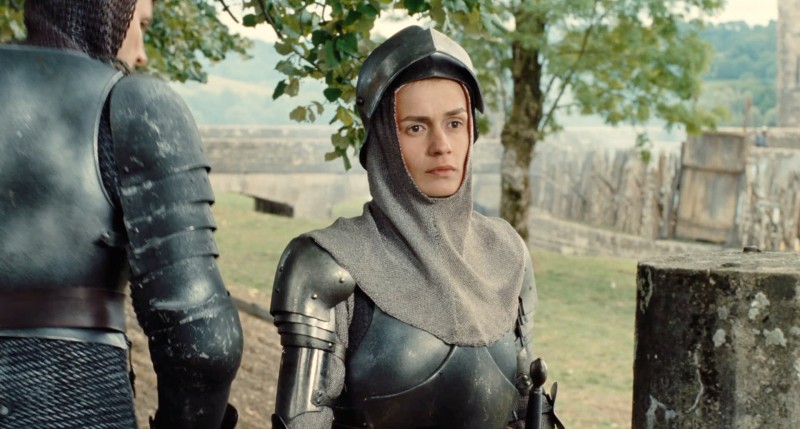
Anchored by an extraordinary performance from Sandrine Bonnaire, the epic historical drama Joan the Maid strips away its saintly protagonist’s mythic aura and gives us a humbler, more intimate version of her life story.
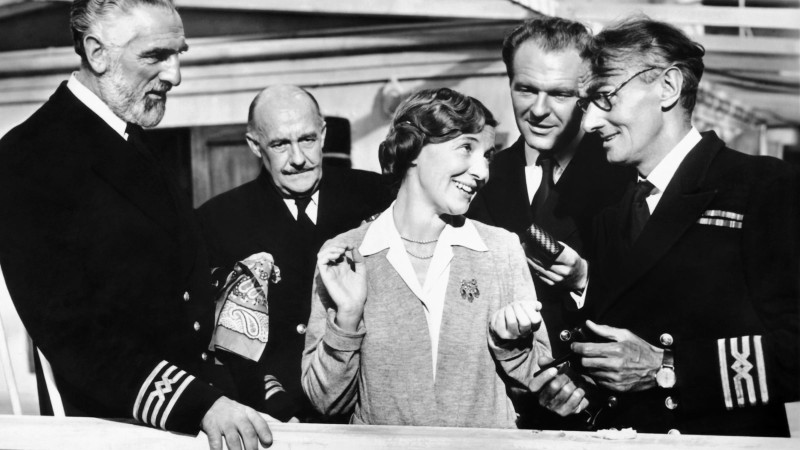
Anthologized: The World of W. Somerset Maugham On-Screen
The elegantly crafted portmanteau films Quartet, Trio, and Encore adapt twelve spellbinding tales of deception and passion from one of the best-selling authors of the twentieth century.

The Inner Worlds of Neon Genesis Evangelion
A Japanese-television phenomenon that sparked a boom in anime production and fandom, Hideaki Anno’s magnum opus is a mind-bending mix of kinetic action, sci-fi spectacle, and introspective human drama.

James Baldwin Looks Back
The illuminating 1982 documentary I Heard It Through the Grapevine follows the celebrated author on a journey through the American South, as he attempts to reckon with the legacy and losses of the civil rights movement.