Get Me Out of Here: Harry Dean Stanton in Straight Time
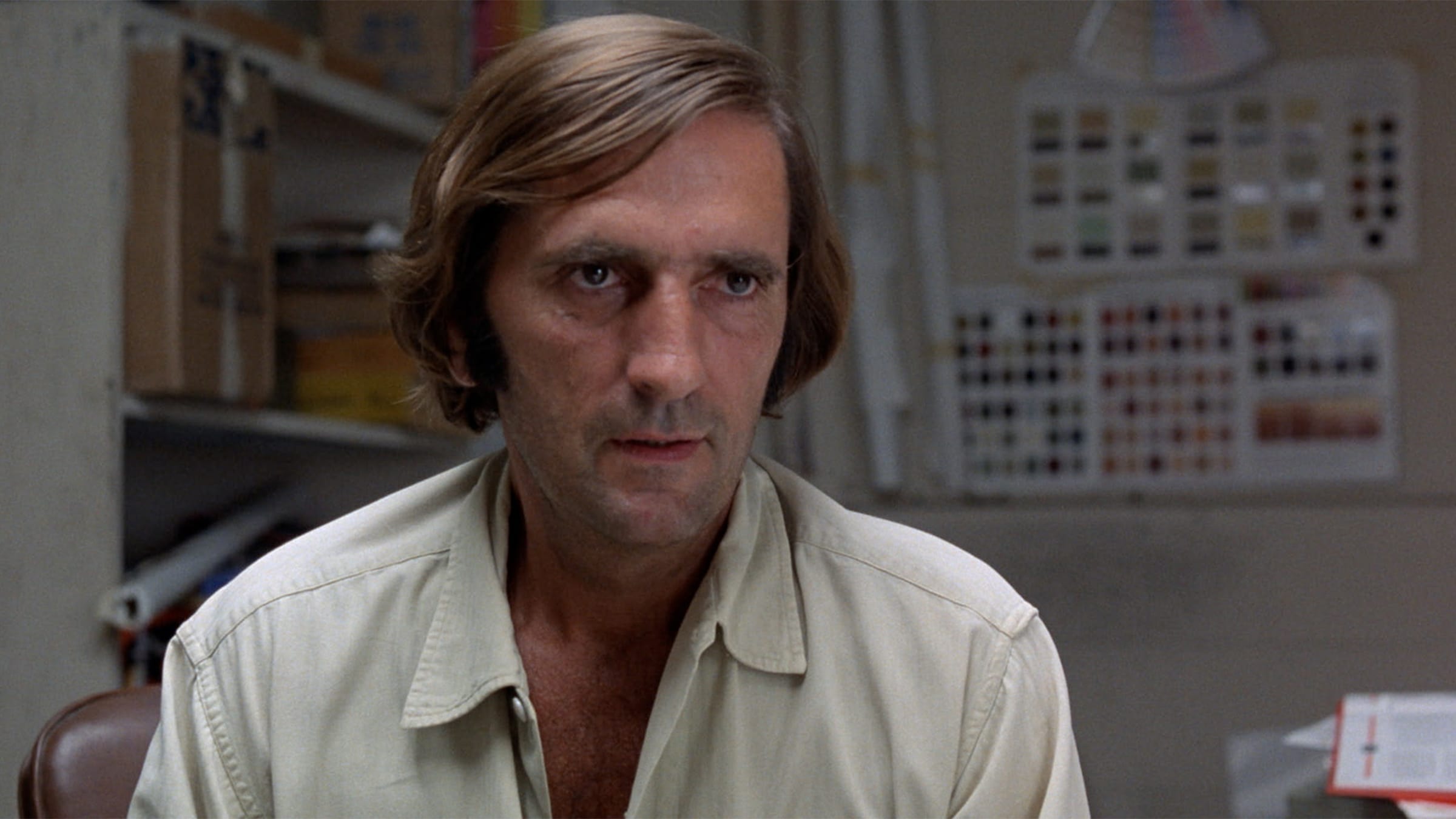
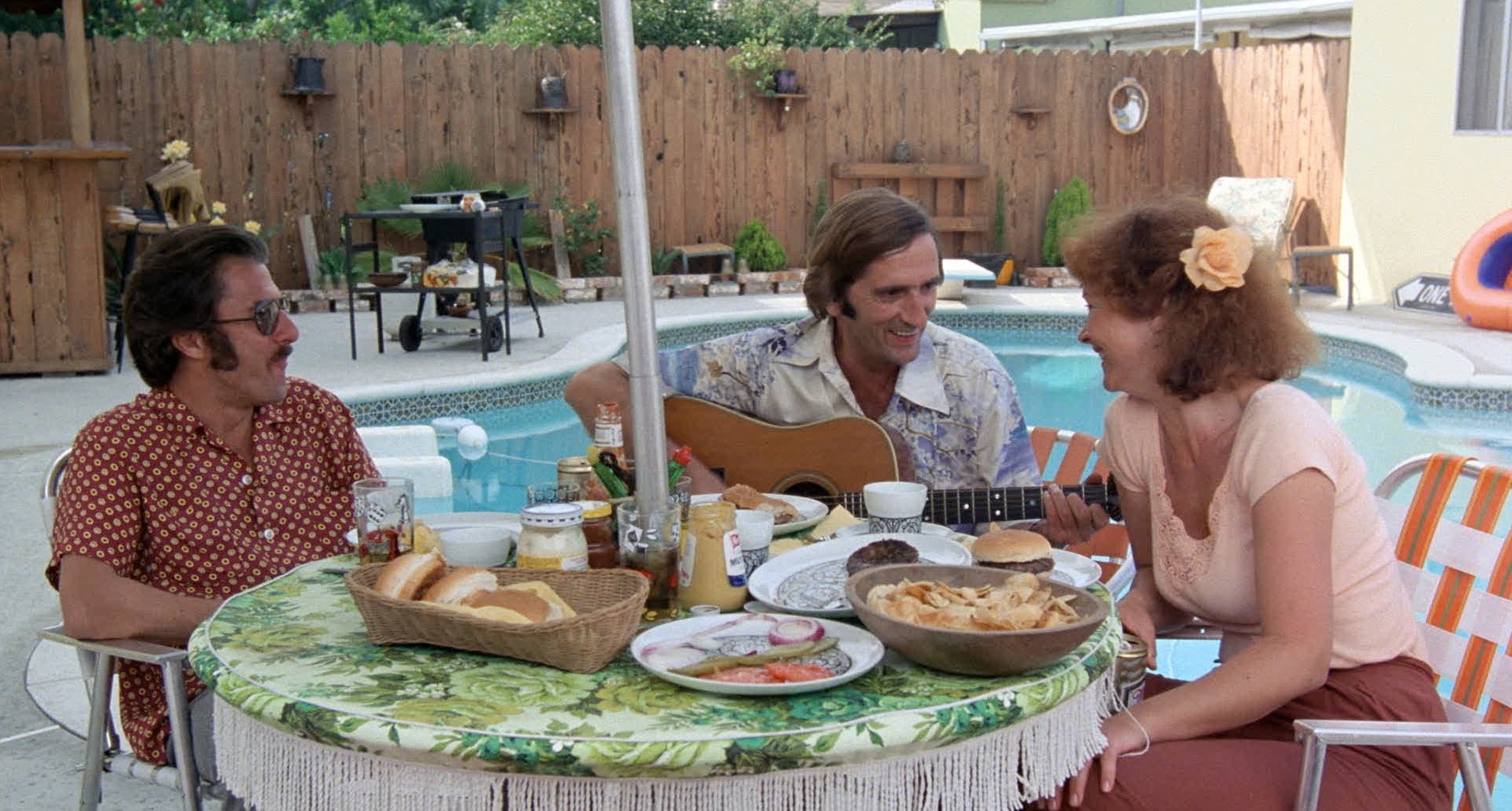
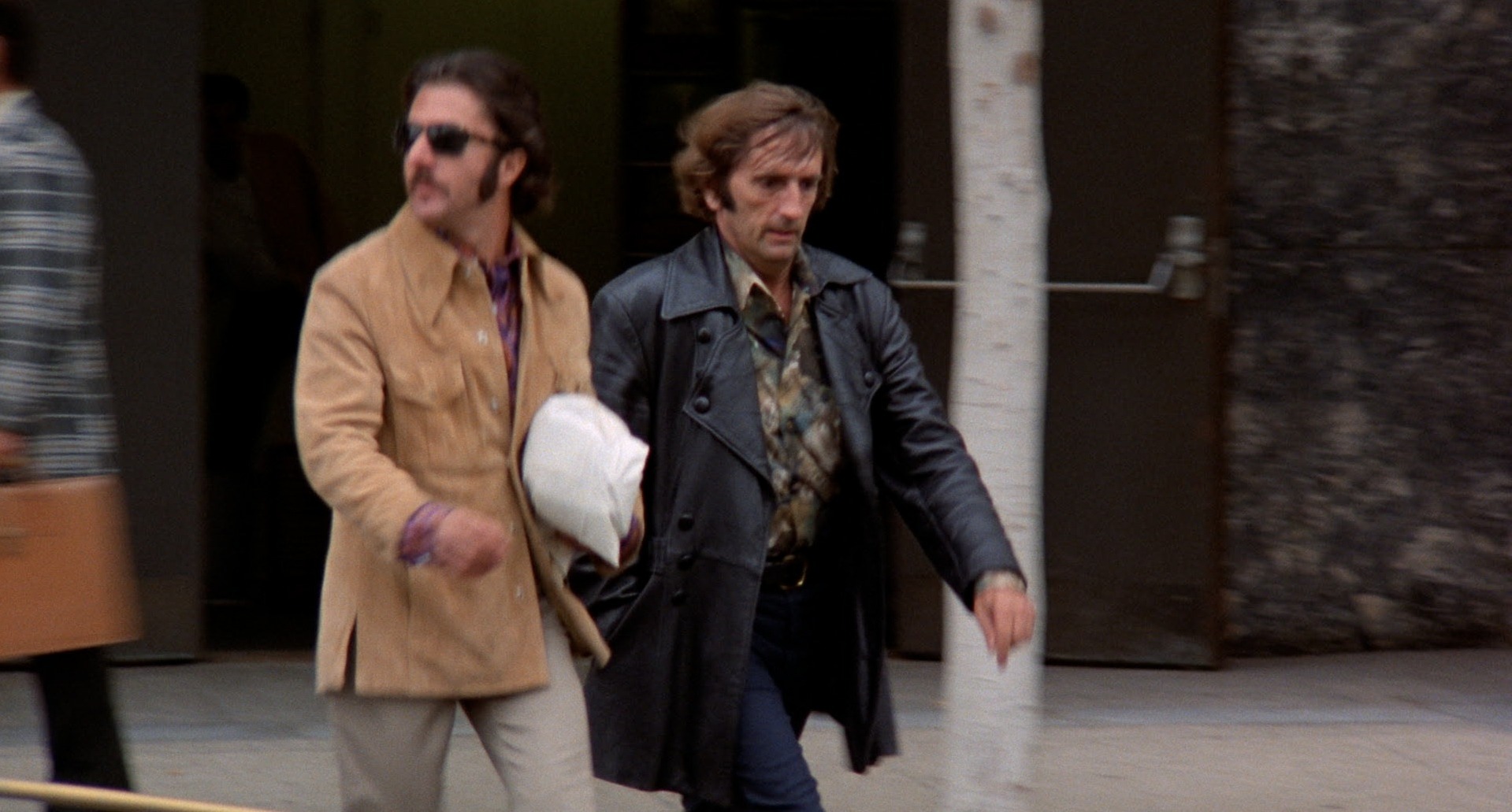
Harry Dean Stanton’s Jerry Schue doesn’t get on-screen until a full hour of Ulu Grosbard’s Straight Time (1978) has passed. Unlike Orson Welles as Harry Lime in The Third Man, Stanton’s character hasn’t been discussed, chewed over, anticipated, and foreshadowed for that first hour in which he doesn’t appear; quite the opposite. Jerry, a former robber gone straight, has tucked himself deep in a hiding place, a suburban life nearly as anonymized as the witness protection program. As if respecting the privacy of Jerry’s attempt to erase his earlier existence, the film has left him unglimpsed and unalluded-to. (In fact, the witness he is trying to protect is himself, and it is a protection program destined to fail, because the one piece of evidence of his former life he cannot disguise is his own restless, agitated self.) Once catalyzed out of his slumber by Max Dembo (Dustin Hoffman), Stanton-as-Jerry, in turn, catalyzes the second half of this great film. His pivot back to a criminal life mirrors that of the lead character, Max.
For me, this is Stanton’s greatest performance, specifically because it fuses together the two modes that predominate in his career, but are rarely explored, as they are here, as two faces of the same character. One is the frisky, misanthropic provocateur, the other the soulful dead-eyes survivor-witness, the man who’s seen too much. (You could call this the Repo Man vs. Paris, Texas perplex.) Because his unusual physiognomy ropes these two modes together in one body—Stanton appears to have jumped from limber, goofy teen to crushed senior citizen without bothering to visit middle age on the way—we can underestimate his range. But not here.


More: Features

Jacques Rivette Envisions a More Human Joan of Arc
Anchored by an extraordinary performance from Sandrine Bonnaire, the epic historical drama Joan the Maid strips away its saintly protagonist’s mythic aura and gives us a humbler, more intimate version of her life story.
Anthologized: The World of W. Somerset Maugham On-Screen
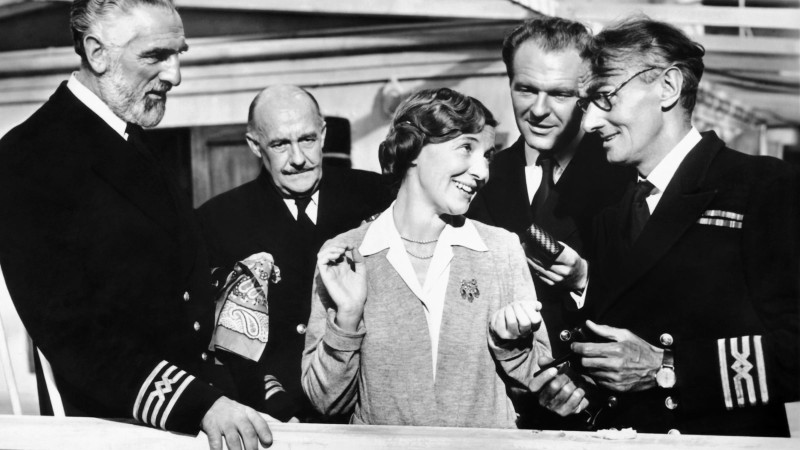
The elegantly crafted portmanteau films Quartet, Trio, and Encore adapt twelve spellbinding tales of deception and passion from one of the best-selling authors of the twentieth century.

The Inner Worlds of Neon Genesis Evangelion
A Japanese-television phenomenon that sparked a boom in anime production and fandom, Hideaki Anno’s magnum opus is a mind-bending mix of kinetic action, sci-fi spectacle, and introspective human drama.

James Baldwin Looks Back
The illuminating 1982 documentary I Heard It Through the Grapevine follows the celebrated author on a journey through the American South, as he attempts to reckon with the legacy and losses of the civil rights movement.