Nice Work If You Can Get It: Office Romances on Film
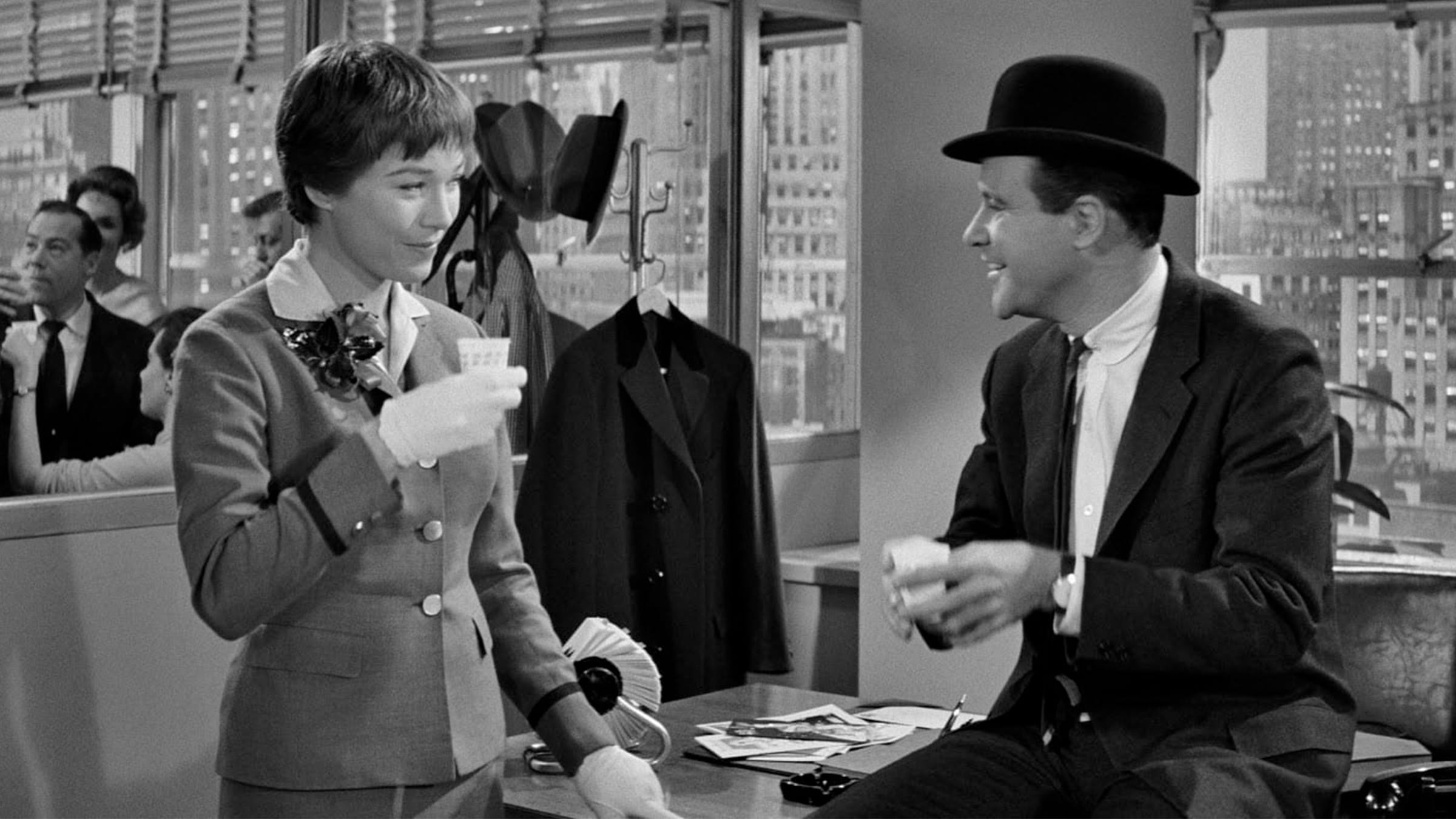
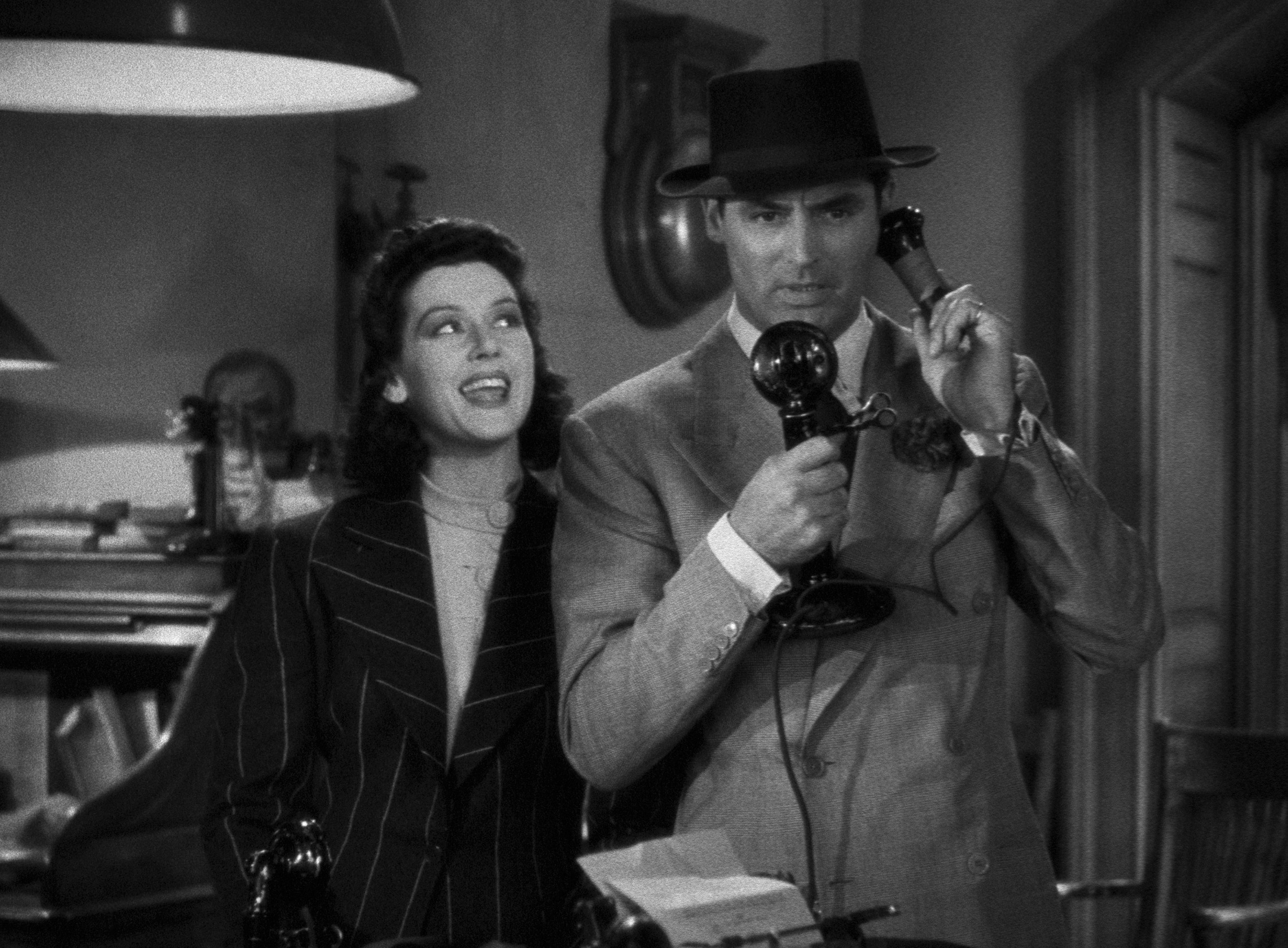
Women’s hands dance over typewriter keys. The percussive racket they make, like the tapping of an unruly chorus line, takes the place of music during the opening credits of The Office Wife (1930), which appear over a montage of female typists. The film then begins with a smooth tracking shot past rows of desks where smartly dressed young women are working, in the kind of bright, spacious modern office—with its cheerful hubbub of phones and buzzers and clacking keys, its art-deco lettering on nameplates and pebbled-glass doors—that was one of 1930s Hollywood’s favorite settings, especially for romantic comedies. The combination is natural: who hasn’t harbored a crush on a coworker or indulged in a workplace flirtation?
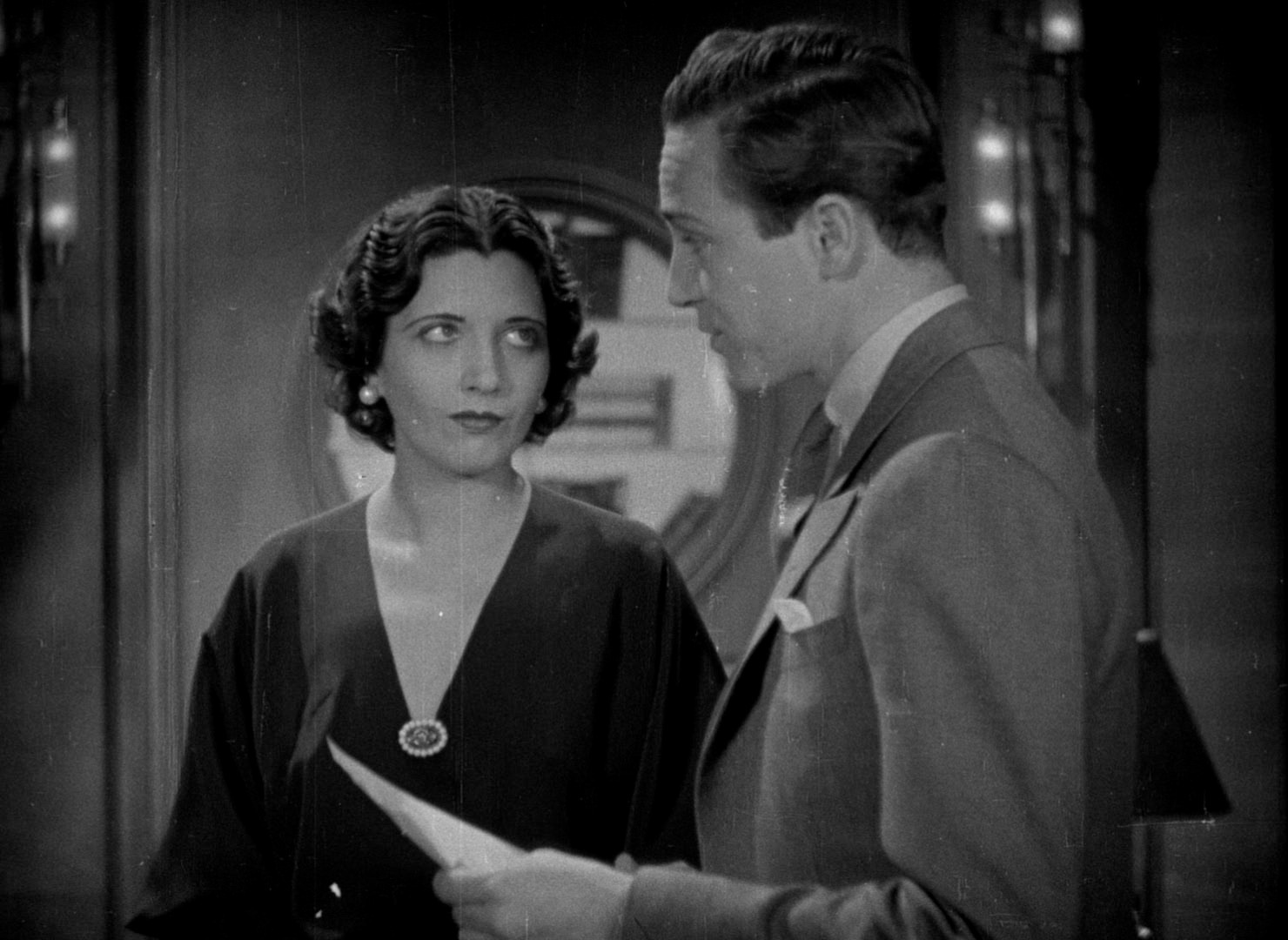
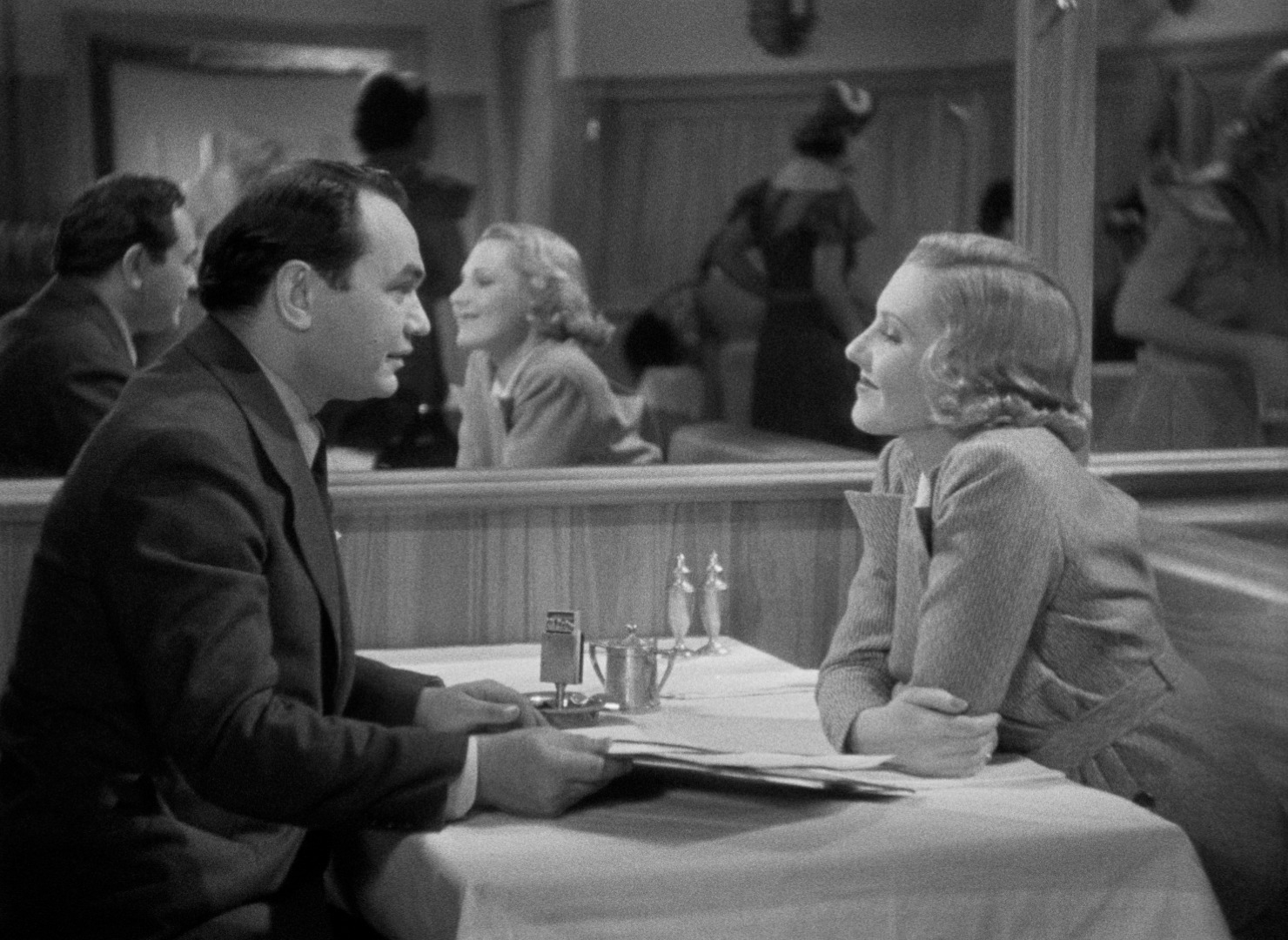
It was the invention of the typewriter in the late nineteenth century that first brought women into the white-collar workplace in large numbers. In films such as the selection of Office Romances now streaming on the Criterion Channel, Hollywood grappled—sometimes clumsily or ambivalently, sometimes daringly, sometimes frivolously—with what heterosexual relationships might look like in a world where women are no longer relegated to the home, where they might be men’s colleagues, their rivals, or even their bosses. The genre is also, in a profoundly American way, about the romance of work itself. It captures the sounds and textures, the joys and frustrations, of the daily routine, and the glories and pitfalls of building one’s identity around professional achievement. Asked how she can endure the long hours and endless demands of her job, a magazine editor played by Kay Francis in Man Wanted (1932) beams, “It’s all in the game—and I love it!”
More: Features
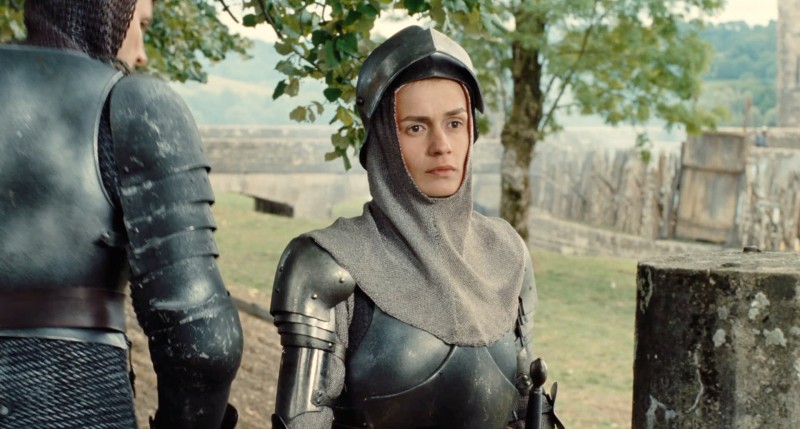
Jacques Rivette Envisions a More Human Joan of Arc
Anchored by an extraordinary performance from Sandrine Bonnaire, the epic historical drama Joan the Maid strips away its saintly protagonist’s mythic aura and gives us a humbler, more intimate version of her life story.
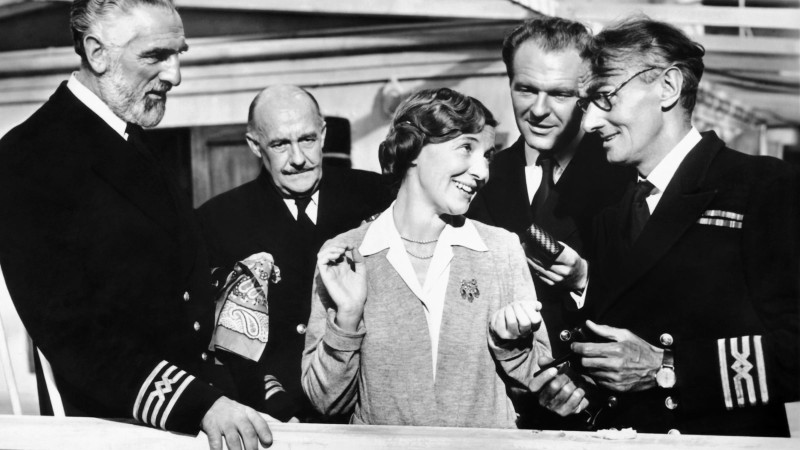
Anthologized: The World of W. Somerset Maugham On-Screen
The elegantly crafted portmanteau films Quartet, Trio, and Encore adapt twelve spellbinding tales of deception and passion from one of the best-selling authors of the twentieth century.

The Inner Worlds of Neon Genesis Evangelion
A Japanese-television phenomenon that sparked a boom in anime production and fandom, Hideaki Anno’s magnum opus is a mind-bending mix of kinetic action, sci-fi spectacle, and introspective human drama.
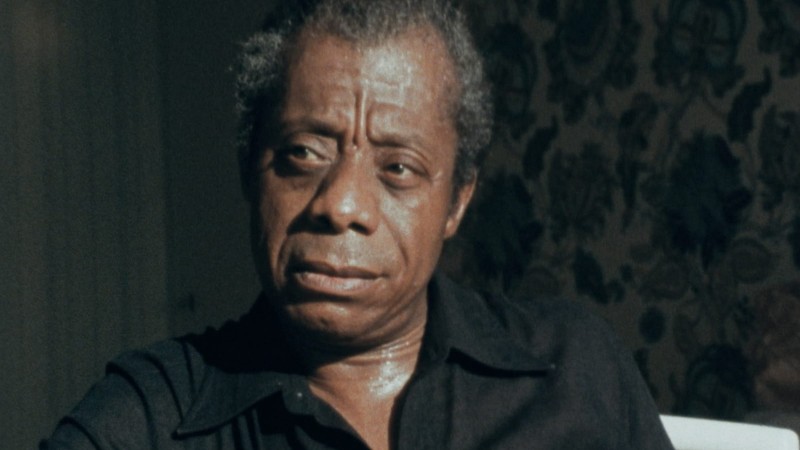
James Baldwin Looks Back
The illuminating 1982 documentary I Heard It Through the Grapevine follows the celebrated author on a journey through the American South, as he attempts to reckon with the legacy and losses of the civil rights movement.