Speaking Nearby: Kimi Takesue’s Itinerant Gaze
Is it possible to look without trying to grasp the object of one’s gaze? Traditional ethnographic documentaries, much like the written ethnographies that preceded them, have attempted to explain a given culture to those who don’t belong to it, assuming the position of a trained “knower” who can make sense of unfamiliar customs and beliefs. But there have always been problems with this approach, some methodological, others ethical and political. The modernist crisis of meaning and transparency has visited itself upon the discipline of anthropology, reminding us that culture is complicated, not given to pat explanations and decodings.
A countertradition emerged when some ethnographers abandoned this positivist gaze, and did so not just by introducing a new style but by shifting their assumptions. Filmmakers of this school have refrained from objective claims of cultural knowledge in favor of more ambiguous, aesthetic engagement with the people and places before the lens. Rather than attempting to produce knowledge from on high, these artists foreground the textual work of the medium—and the fact that all captured meanings are partial, in both senses of the word. This method originated in the “ethno-fictions” of Jean Rouch and the distanced observational mode of Robert Gardner, but it is perhaps epitomized by filmmaker and theorist Trinh T. Minh-ha, whose groundbreaking experimental ethnography Reassemblage (1982) made the radical claim to not “speak about” the other but rather “speak nearby.”
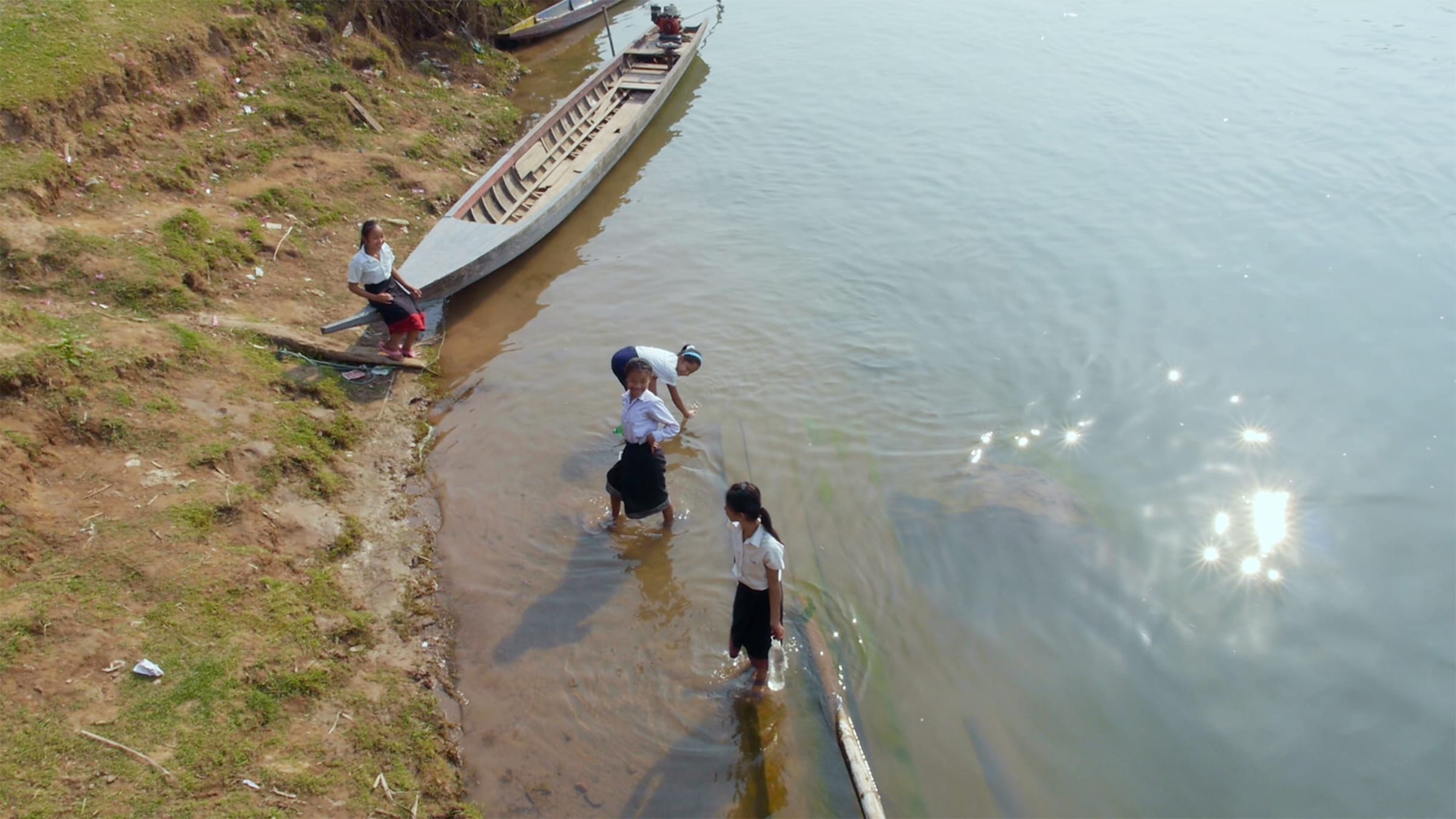
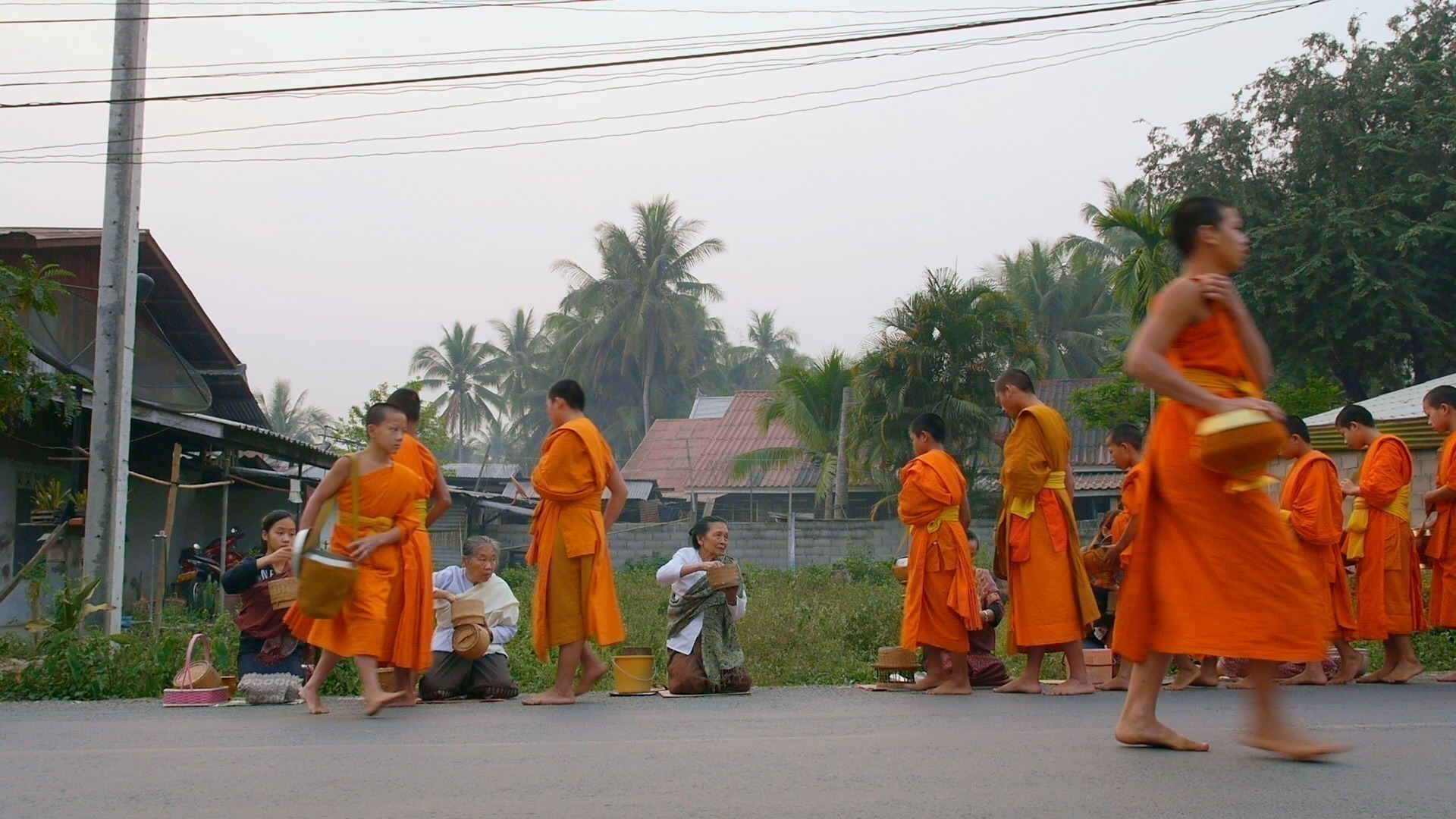
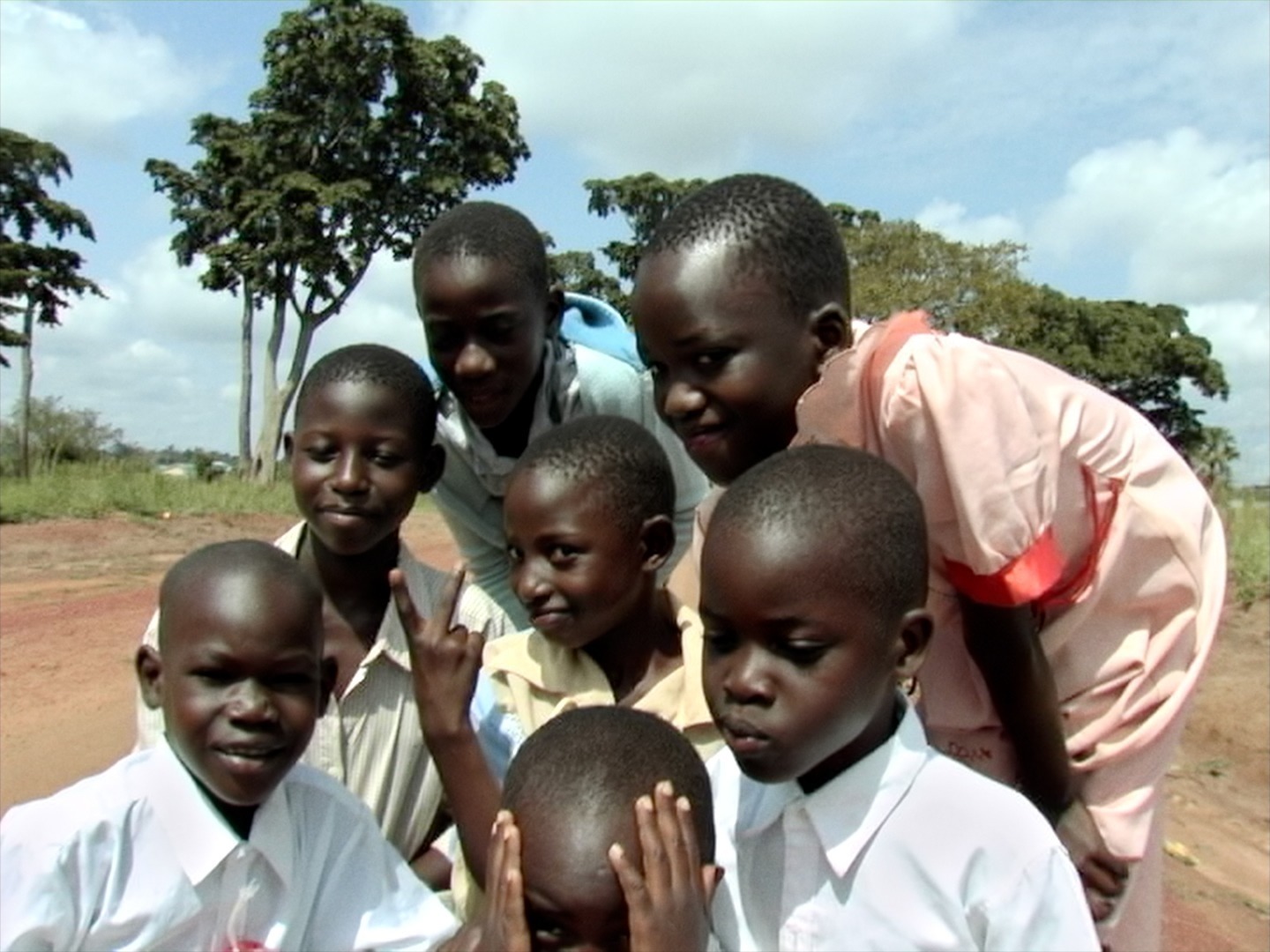
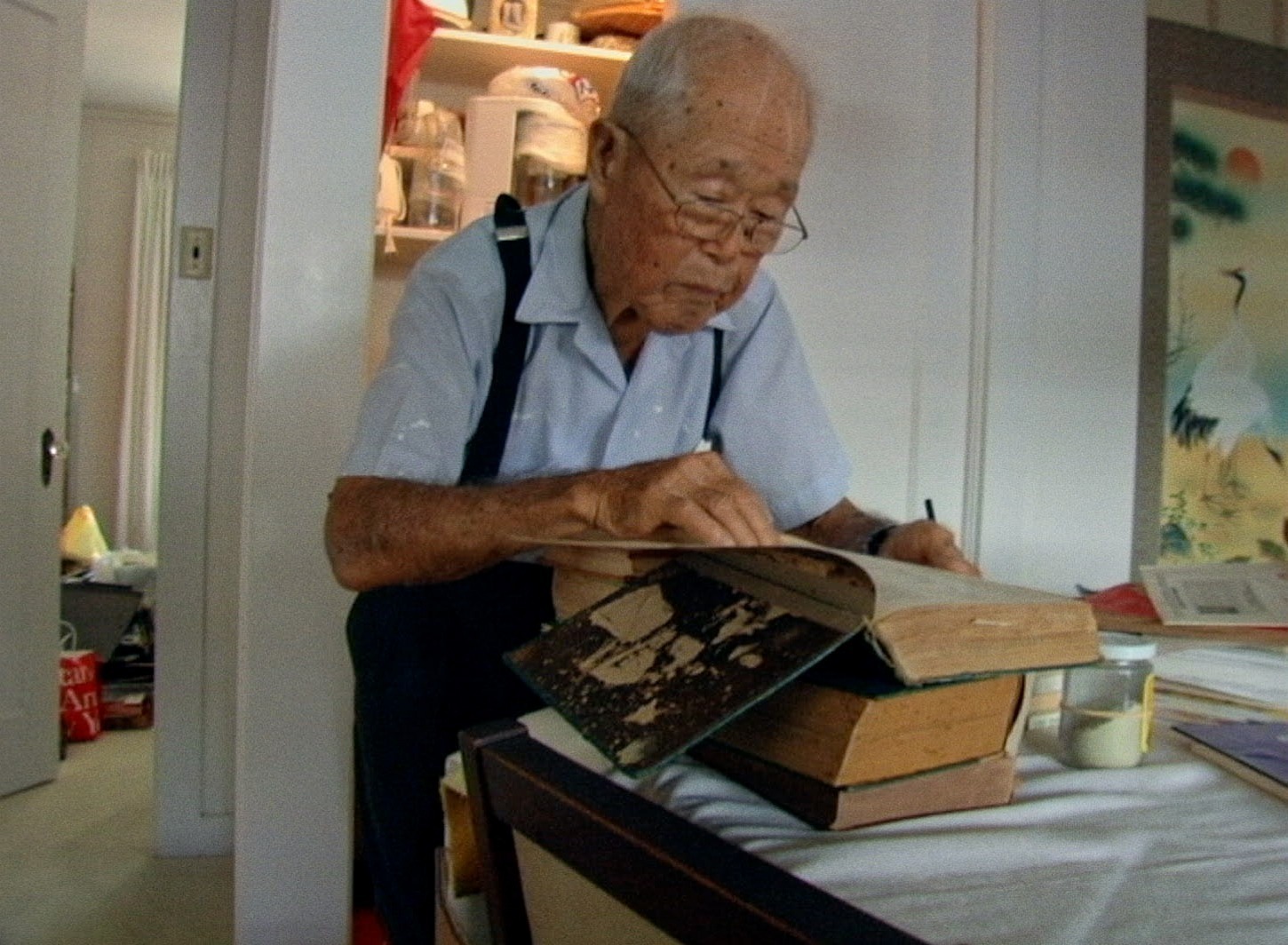
The work of New York–based filmmaker Kimi Takesue, the subject of a retrospective now playing on the Criterion Channel, is a potent contemporary example of this philosophical approach. In a career that began in the mid-1990s, Takesue has taken her camera to distant locations such as Vietnam, Uganda, Laos, and Peru. She has also made a number of short narrative films, like the environmental warning That Which Once Was (2011) and the dreamlike, Maya Deren–esque Bound (1995). Despite the wide range of their subjects and forms, all of the director’s films share a palpable curiosity about people and the spaces through which she and her camera move. Although her stance generally seems objective, one never loses awareness of the woman behind the lens, someone responding in real time to situations as they evolve around her. Even at their most rigorous, Takesue’s films are spaces to get lost in, defined by unexpected byways and digressions.



More: Features
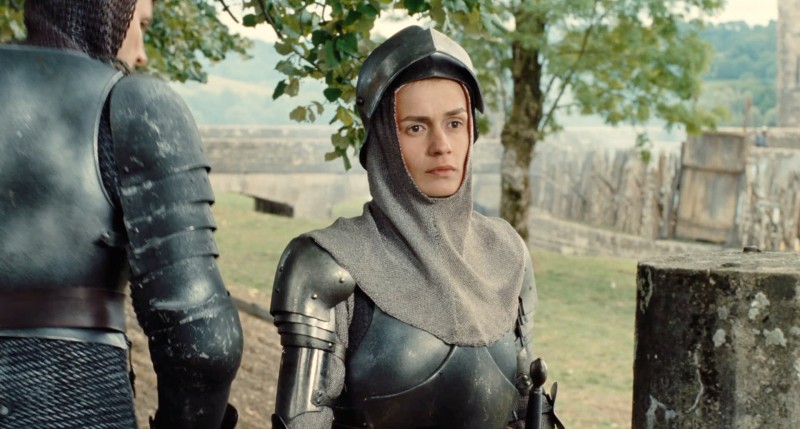
Jacques Rivette Envisions a More Human Joan of Arc
Anchored by an extraordinary performance from Sandrine Bonnaire, the epic historical drama Joan the Maid strips away its saintly protagonist’s mythic aura and gives us a humbler, more intimate version of her life story.
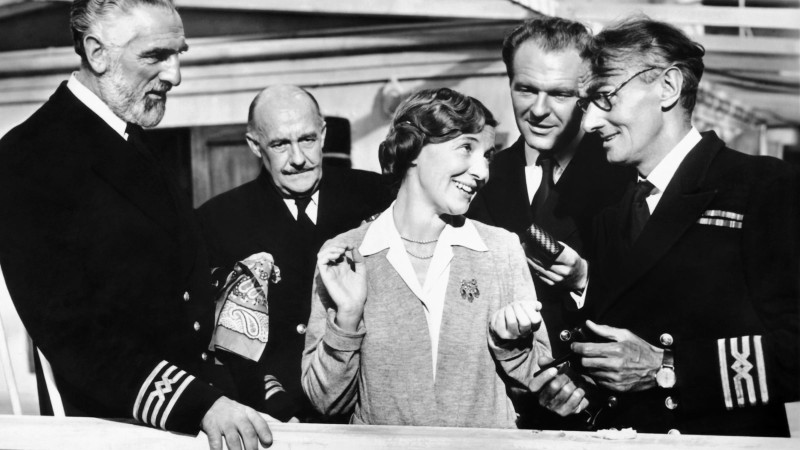
Anthologized: The World of W. Somerset Maugham On-Screen
The elegantly crafted portmanteau films Quartet, Trio, and Encore adapt twelve spellbinding tales of deception and passion from one of the best-selling authors of the twentieth century.

The Inner Worlds of Neon Genesis Evangelion
A Japanese-television phenomenon that sparked a boom in anime production and fandom, Hideaki Anno’s magnum opus is a mind-bending mix of kinetic action, sci-fi spectacle, and introspective human drama.
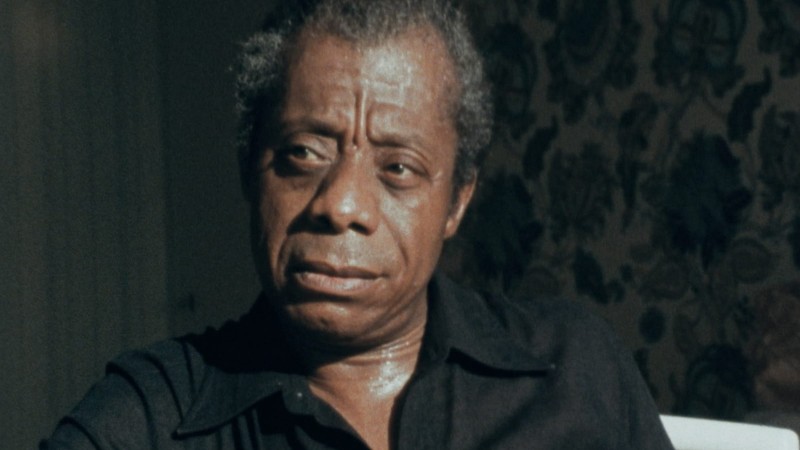
James Baldwin Looks Back
The illuminating 1982 documentary I Heard It Through the Grapevine follows the celebrated author on a journey through the American South, as he attempts to reckon with the legacy and losses of the civil rights movement.