Monty Python’s Life of Brian: The Wrong Messiah
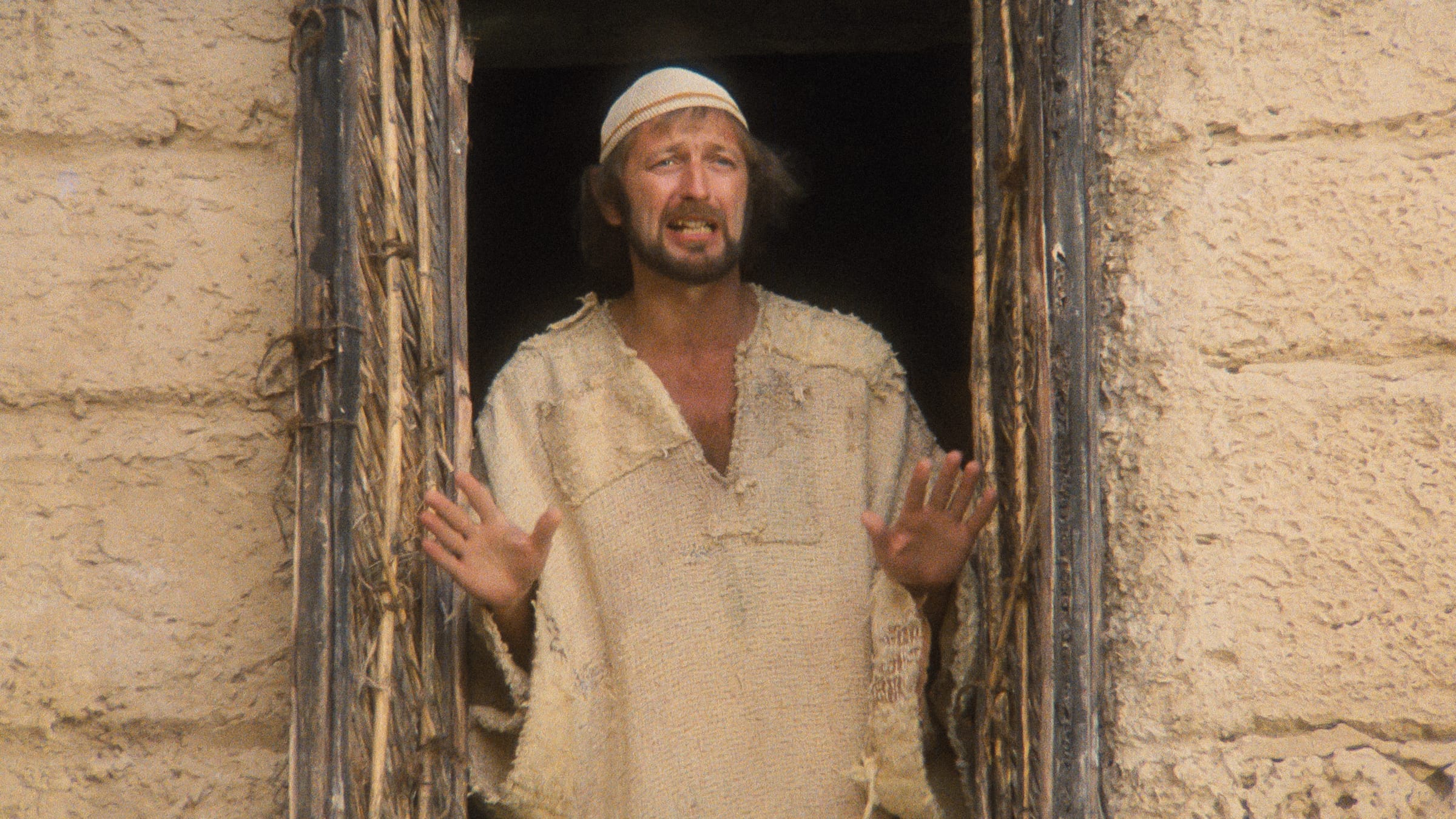
Monty Python’s Life of Brian (1979) is a film about fear. That may not entirely jibe with its reputation as a biblical parody, but it might be the movie’s secret strength—why it continues to strike a nerve today. Many of its best lines have been quoted to a nub, the result of the film being incessantly rewatched in college dorms and its jokes being recycled in other media. And yet Life of Brian still works marvelously, because running through it is an overwhelming sense of true horror, at both the cruelty of the ancient world it depicts and the psychological terror of finding oneself constantly under the judgmental scrutiny of others—be they haughty soldiers, scolding mothers, or worshipful disciples. The film plays like a nightmare an anxious teenager might have had after reading the Bible and imagining walking in Jesus’s sandals.
A peculiar adolescent delirium was always evident in Monty Python’s work. The troupe had its roots in the hallowed halls of Cambridge and Oxford: Graham Chapman, John Cleese, and Eric Idle met as students at the former, Terry Jones and Michael Palin at the latter. (Terry Gilliam, the American, was the odd man out.) Their sketch-comedy routines—popularized by their television work and their first feature, the microbudget Monty Python and the Holy Grail (1975), often relied on juxtaposing ostensibly serious subjects and material (Arthurian legends, wartime generals, police officers, intellectual talk shows, investigative TV reports) with a slashing, anything-goes irreverence that encompassed everything from Dadaist interventions to outright juvenilia. The Pythons gleefully demolished any convention or dogma that stood in their path, and their refusal to grow up came as a balm as the sixties gave way to the seventies.
Even so, on some level, Life of Brian might seem like a slightly more grown-up effort. It’s the first and only Python film that isn’t sketch-based, that attempts to follow a single coherent narrative—at least on the surface. In telling the story of a young Nazarene named Brian (Chapman) who is briefly mistaken at birth for Christ and whose life bears some unfortunate similarities to the Son of God’s, the Pythons pulled out all the sanctified stops, riffing on the three wise men, the Sermon on the Mount, and the stations of the cross. (Notably, they didn’t actually poke fun at Christ himself, or even his teachings; in our one glimpse of him, as he delivers the Sermon on the Mount, he seems like a perfectly solid chap, prompting Gwen Taylor’s very British Mrs. Big Nose to remark, “ ‘Blessed are the meek.’ Oh, that’s nice, isn’t it? I’m glad they’re getting something, ’cause they have a hell of a time.”) Most of the film’s barbs are aimed either at the blind worship of prophets (in this case, false ones) by people who seem incapable of thinking for themselves, or at the bureaucratic and ideological ineptitude of the rebels who claim they want to liberate the world from such oppression.
More: Essays
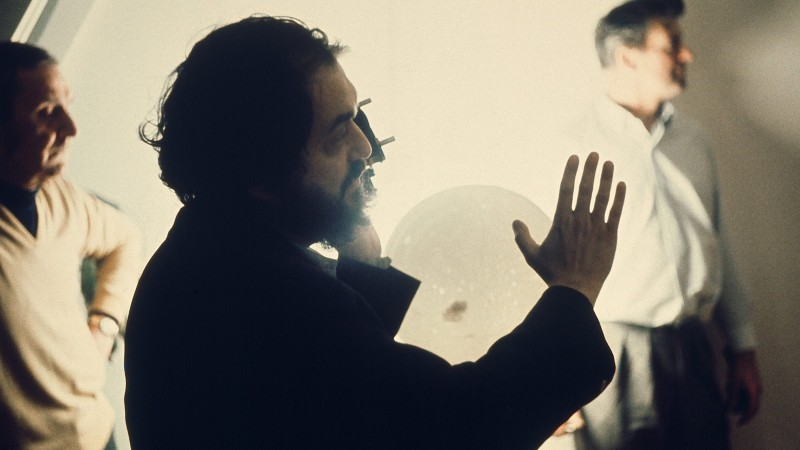
God Laughs: Stanley Kubrick’s Cinema
Throughout his enormously influential body of work, the great director explored the conflict between humankind’s obsession with control and our capacity for error and failure.

Christiane F.: Up Against the Wall
Uli Edel’s harrowing tale of youth rebellion is one of cinema’s greatest Berlin films, a visceral urban portrait that captures the city’s doom and decadence during the Cold War era.
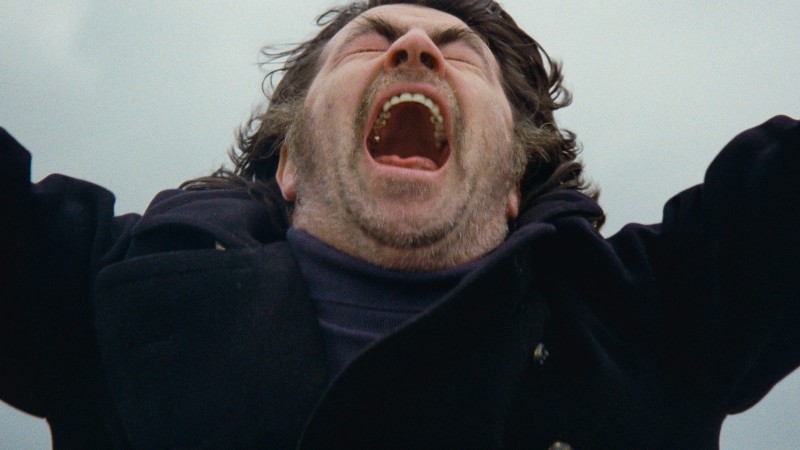
The Shout: Sound and Fury
Blending elements of psychological thriller, social satire, and psychedelic film, Jerzy Skolimowski’s Cannes-award-winning classic uses its audacious sound design to evoke the terror of English civilization.
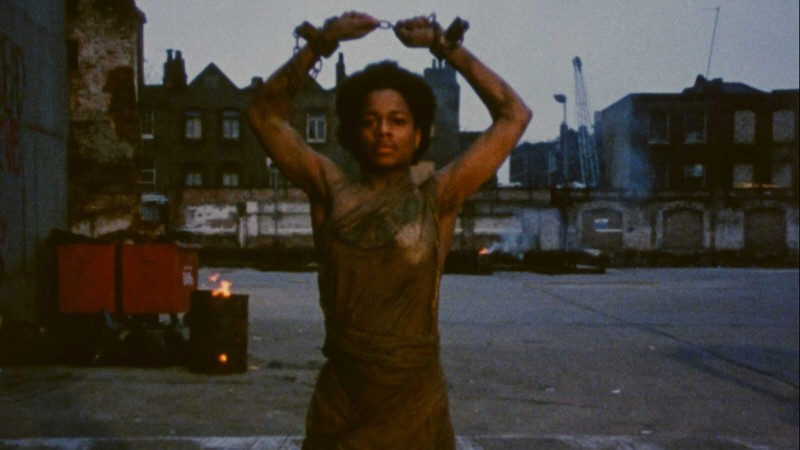
Welcome II the Terrordome: The Future Is Furious
A dystopian drama that draws on the influences of African mythology and hip-hop, Ngozi Onwurah’s debut feature uses a mix of speculative forms to expose anti-Blackness as a system that underpins the modern world.