Trouble in Paradise: Pure Style
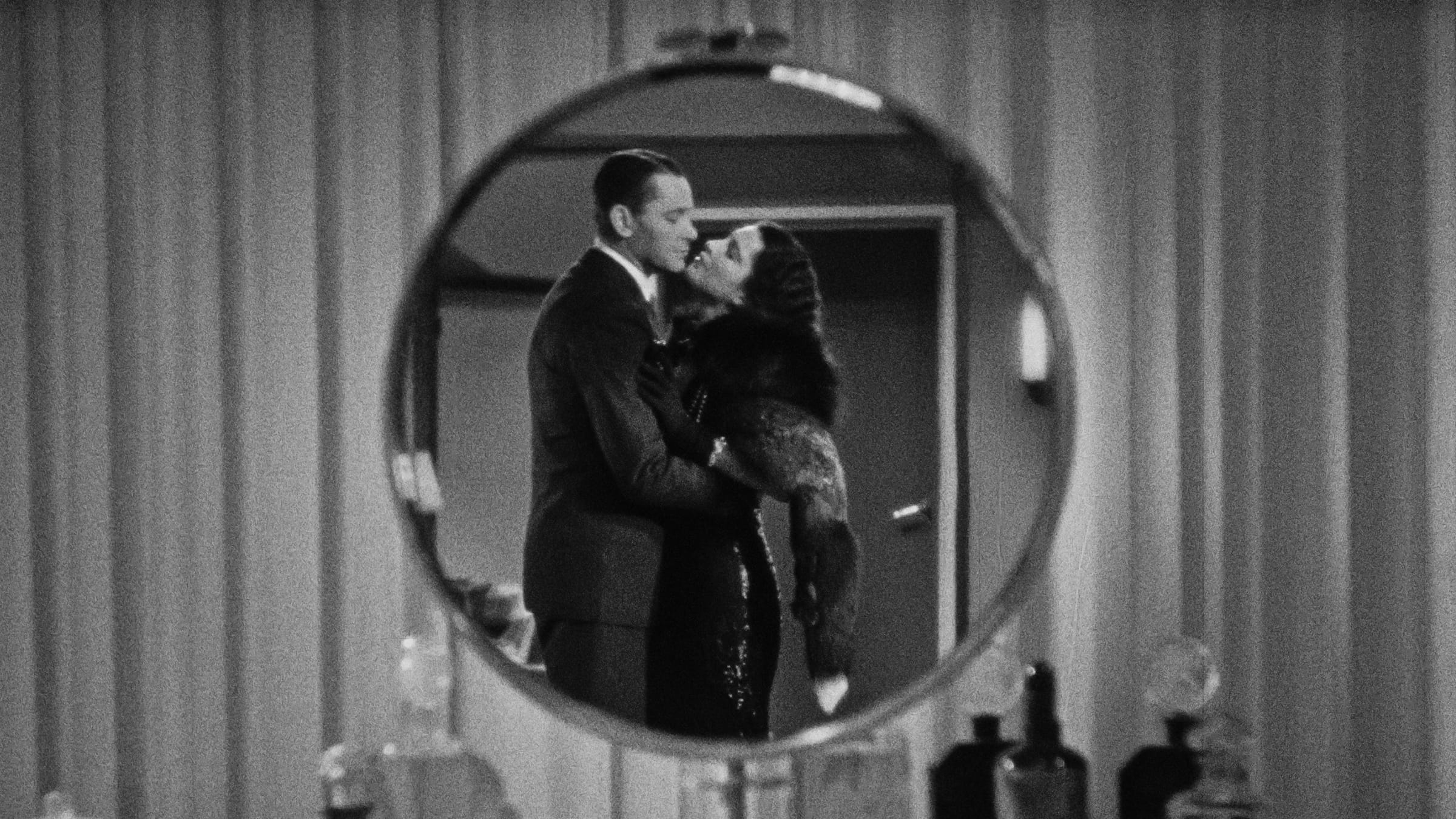
Consider, for a moment, the jewel thief. No, not like the gang that, at the time of this writing, recently robbed the Louvre in Paris, France. Think rather of one you might find in Paris, Paramount. After all, as director Ernst Lubitsch once quipped, “I’ve been to Paris, France, and I’ve been to Paris, Paramount. I think I prefer Paris, Paramount.” Jewel thieves in movies have near-magic abilities. Undetected, they can pluck a watch from a pocket and glide a diamond brooch right off a rich lady’s poitrine. These criminal artistes need no firearms as they mingle with the wealthy and unwary. Their weapons are perfect table manners, party-ready wit, chic wardrobes, and fluency in some extra languages just in case. The male variety—bold as a pirate and even more seductive—is wont to slip into a lady’s bedroom, primed to make ardent love to her should the lady awaken while he’s robbing her blind.
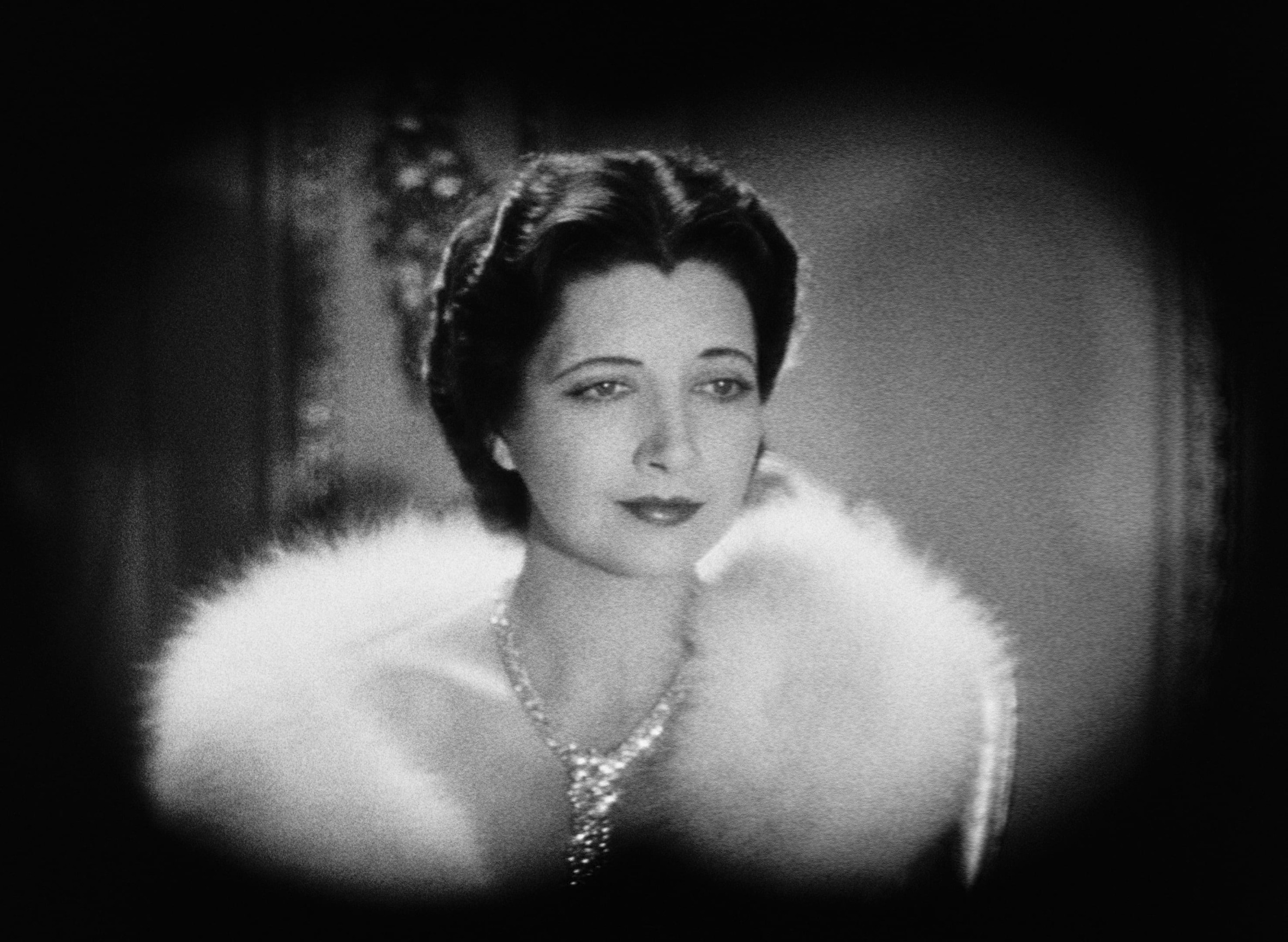
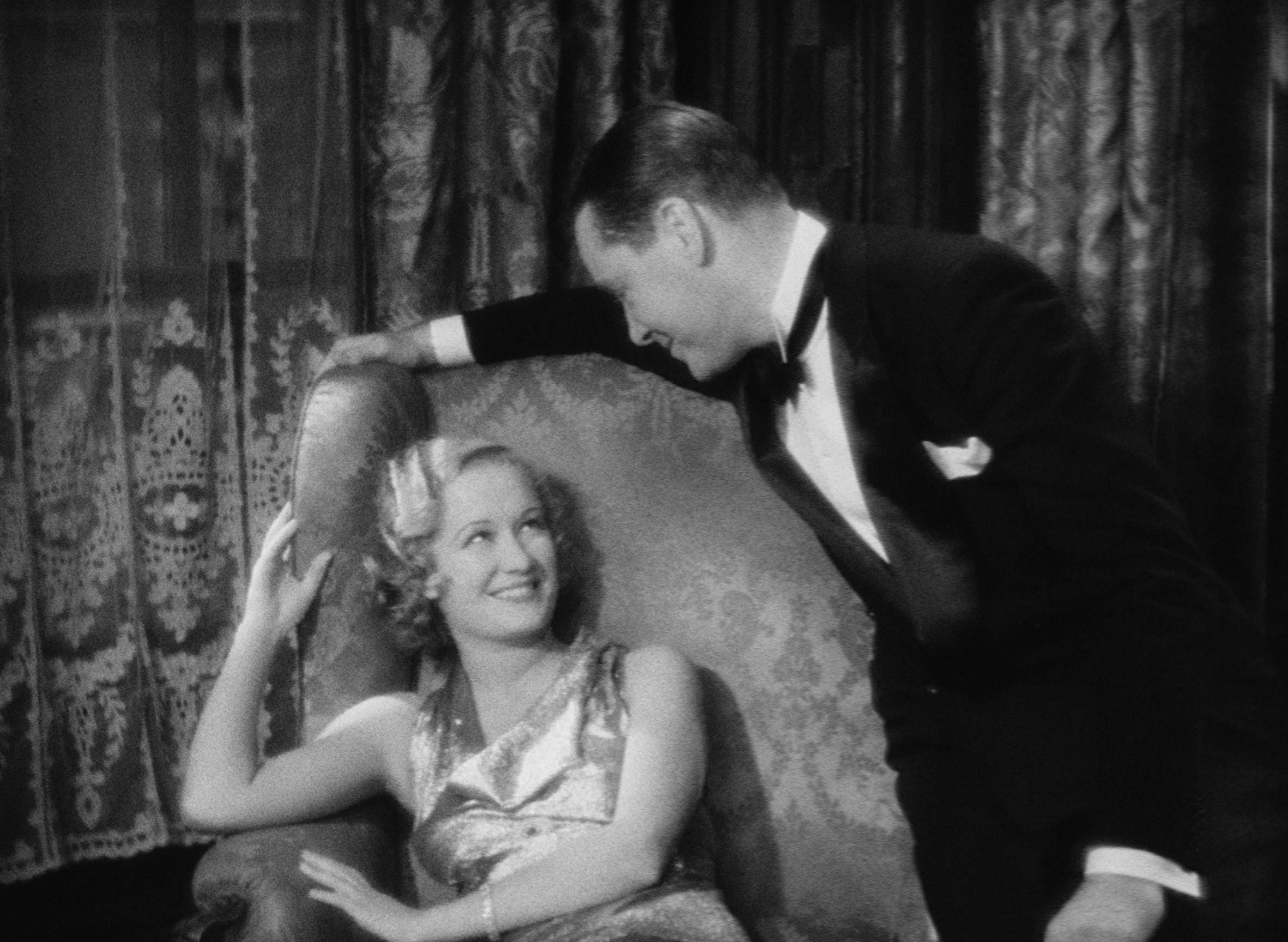
Do such creatures exist in real life? Thieves certainly do. Thieves with such suave personae, not so much. But why should that matter to any dealer in Hollywood fantasy, much less Lubitsch? In his 1932 masterpiece Trouble in Paradise, Lubitsch gives us gleeful crooks Lily Vautier (Miriam Hopkins) and Gaston Monescu (Herbert Marshall), along with their not-so-dumb mark, the lavishly rich Mariette Colet (Kay Francis). Like so many Lubitsch characters, these three are the smartest people in the room. The other poor saps in the story try to figure out what hit them.
Lubitsch understood and respected fantasy. Born to a successful tailor in Berlin, he could have made a good living in his father’s trade, but young Ernst dreamed of theater marquees. Even as his father tried to teach him the clothing business, Lubitsch enrolled in drama school. His path took him to stage acting and, eventually, the burgeoning German film industry. There he continued to act, eventually moving into both writing and, most significantly, directing. Lubitsch journeyed from Berlin to Hollywood in 1922 at the behest of Mary Pickford, to direct her in Rosita. The movie is charming, but it was an experience that neither director nor star enjoyed. He rapidly found his footing, however, with films such as a silent adaptation of Lady Windermere’s Fan (1925) so brilliant that audiences barely missed Oscar Wilde’s dialogue from the original play.
More: Essays
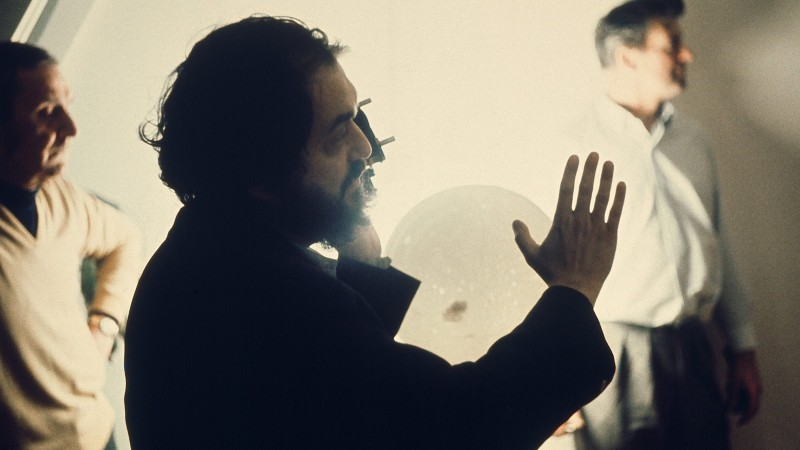
God Laughs: Stanley Kubrick’s Cinema
Throughout his enormously influential body of work, the great director explored the conflict between humankind’s obsession with control and our capacity for error and failure.
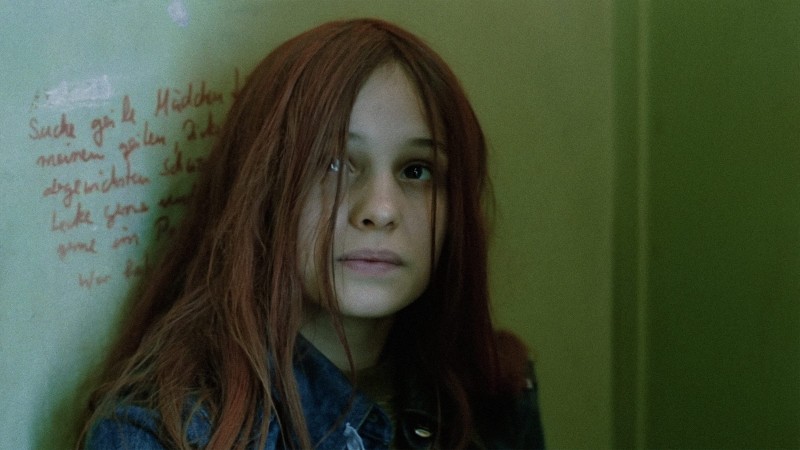
Christiane F.: Up Against the Wall
Uli Edel’s harrowing tale of youth rebellion is one of cinema’s greatest Berlin films, a visceral urban portrait that captures the city’s doom and decadence during the Cold War era.
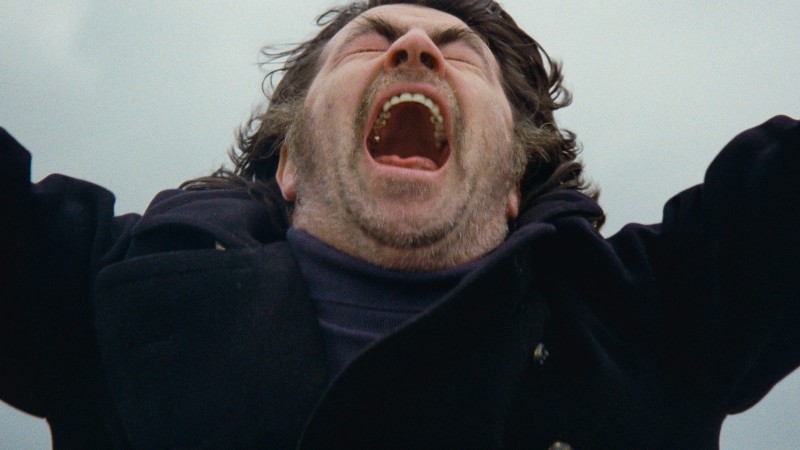
The Shout: Sound and Fury
Blending elements of psychological thriller, social satire, and psychedelic film, Jerzy Skolimowski’s Cannes-award-winning classic uses its audacious sound design to evoke the terror of English civilization.
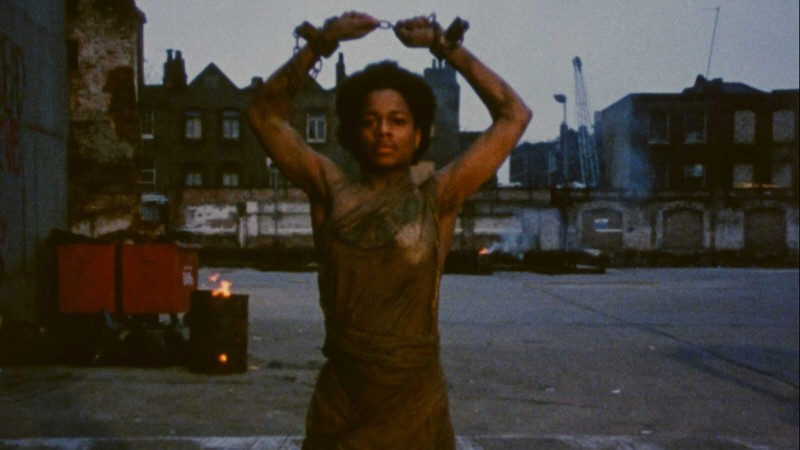
Welcome II the Terrordome: The Future Is Furious
A dystopian drama that draws on the influences of African mythology and hip-hop, Ngozi Onwurah’s debut feature uses a mix of speculative forms to expose anti-Blackness as a system that underpins the modern world.