The Rolling Stones on the Brink of Superstardom
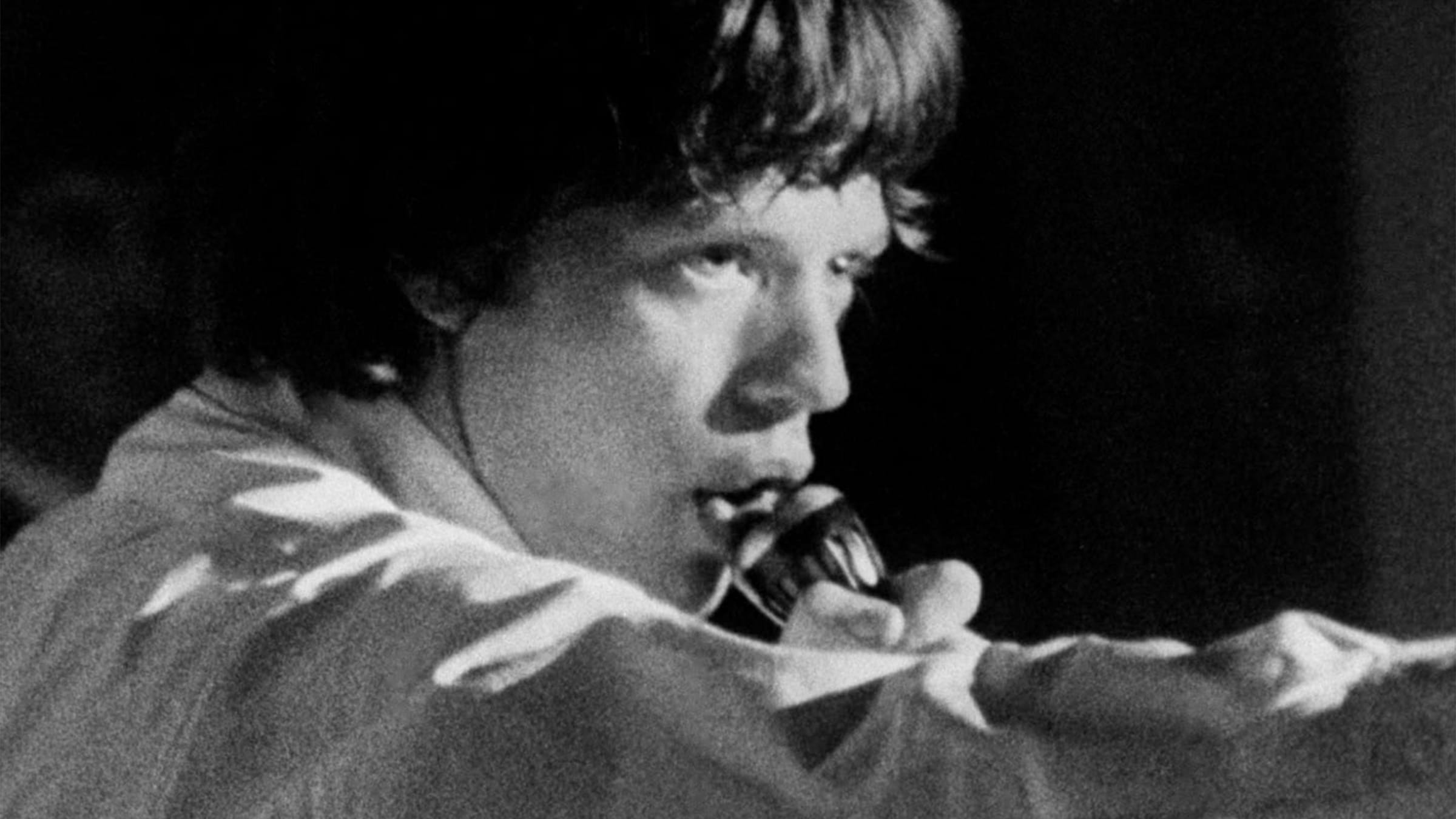
In 2021, I saw the Rolling Stones in Nashville during their No Filter tour, which began in 2017 but whose North American leg had been postponed once for Mick Jagger to have surgery, then again by the pandemic. Drummer Charlie Watts had died a few weeks before the twice-rescheduled dates, but the Stones subbed in his personally chosen replacement, Steve Jordan, and didn’t miss a beat in finally completing their tour. That night, after a brief in-memoriam video, the band launched into a nearly two-hour set, whose undiluted professionalism and energy was given a particular punch early on by Jagger’s between-songs observation that “we first came to Nashville in 1965.” He stretched out the year with his characteristic drawl, casually underlining the group’s stunning longevity.
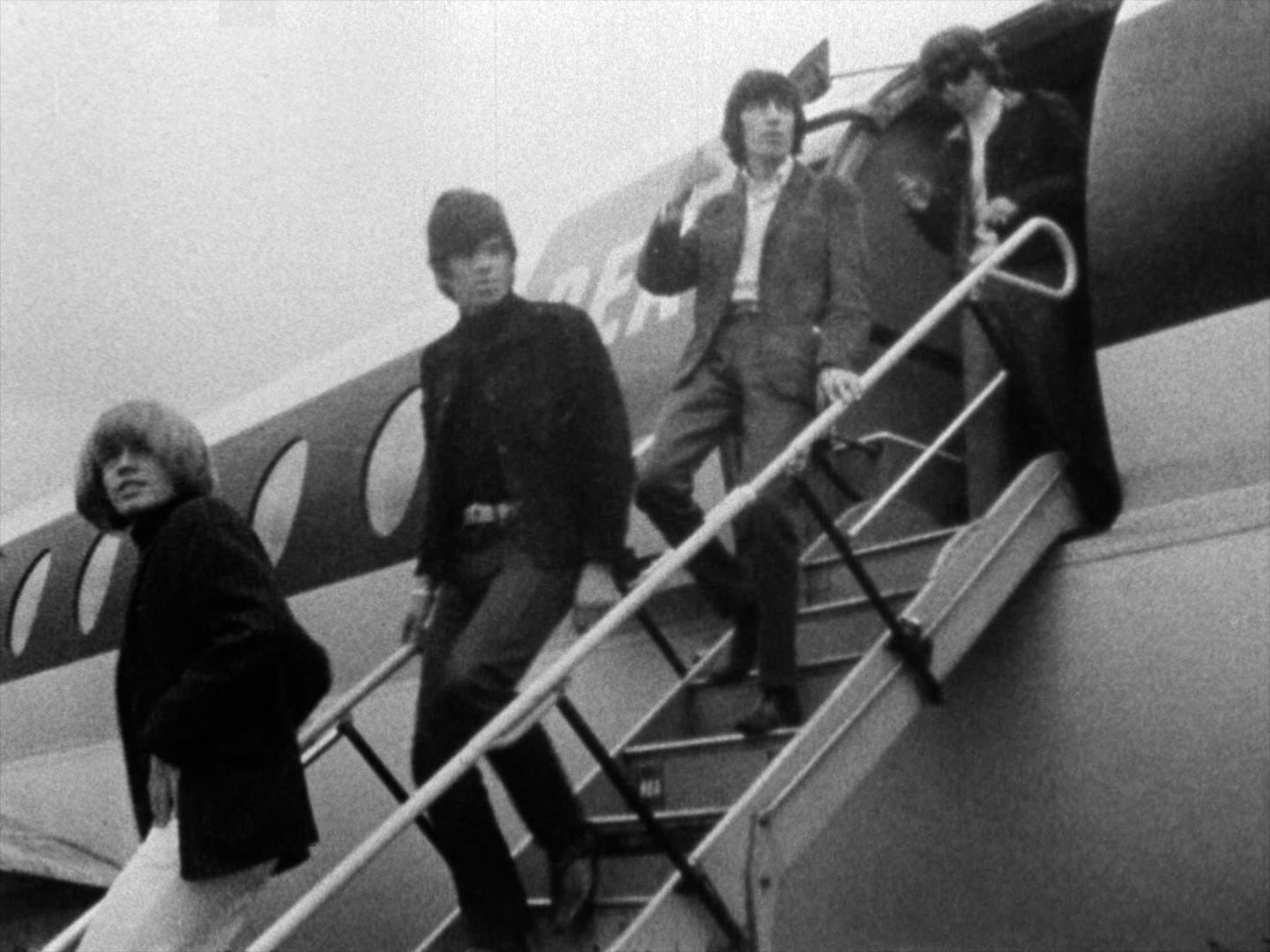
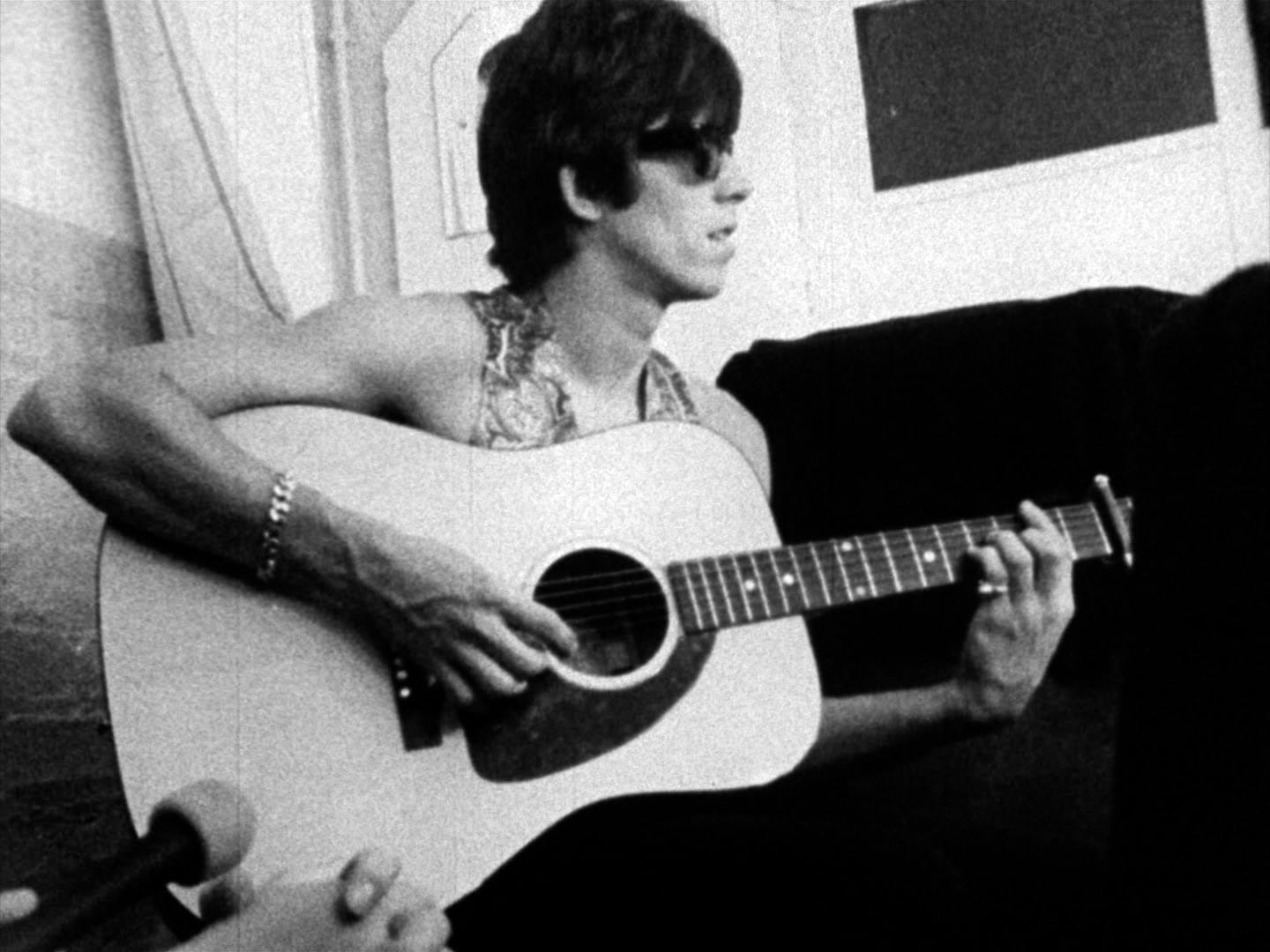
Formed in 1962, the Stones toured relentlessly from the get-go while maintaining a recording schedule that required them to pad out albums with covers; “(I Can’t Get No) Satisfaction” became their first international number-one single in July, and their first album of all-original compositions, Aftermath, would come the following year. At the start of their apex, the Stones’ touring duties included a quick run through Ireland for two days, which was documented by Peter Whitehead in Charlie Is My Darling, a sort of proof-of-concept for the band’s on-screen viability. The impetus for the film came from businessman Allen Klein, who viewed movies less as an end in themselves than as potential vehicles for profitable soundtrack releases. As was so often the case in the Stones’ early career, the shadow of the Beatles hung heavy due to their precedent-setting successes with A Hard Day’s Night and Help!



More: Features
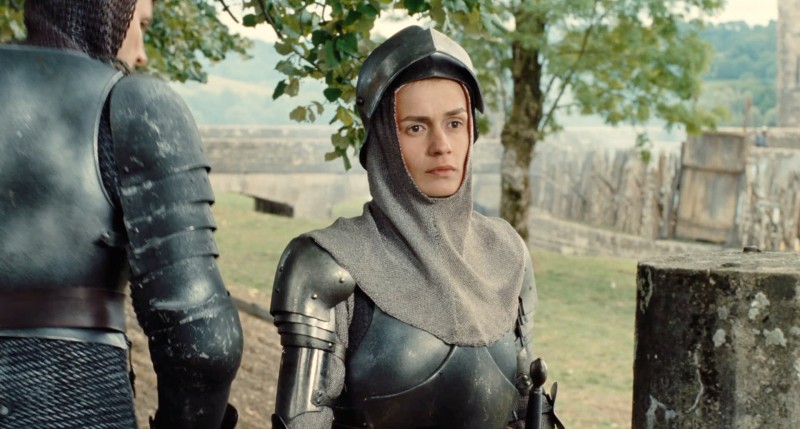
Jacques Rivette Envisions a More Human Joan of Arc
Anchored by an extraordinary performance from Sandrine Bonnaire, the epic historical drama Joan the Maid strips away its saintly protagonist’s mythic aura and gives us a humbler, more intimate version of her life story.
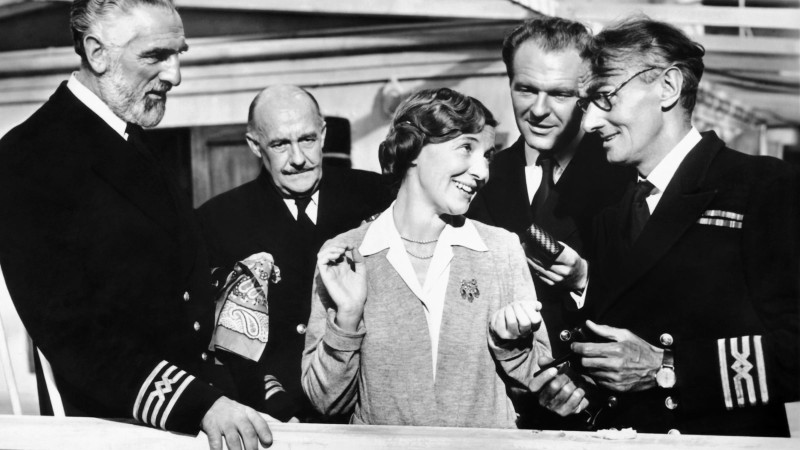
Anthologized: The World of W. Somerset Maugham On-Screen
The elegantly crafted portmanteau films Quartet, Trio, and Encore adapt twelve spellbinding tales of deception and passion from one of the best-selling authors of the twentieth century.

The Inner Worlds of Neon Genesis Evangelion
A Japanese-television phenomenon that sparked a boom in anime production and fandom, Hideaki Anno’s magnum opus is a mind-bending mix of kinetic action, sci-fi spectacle, and introspective human drama.
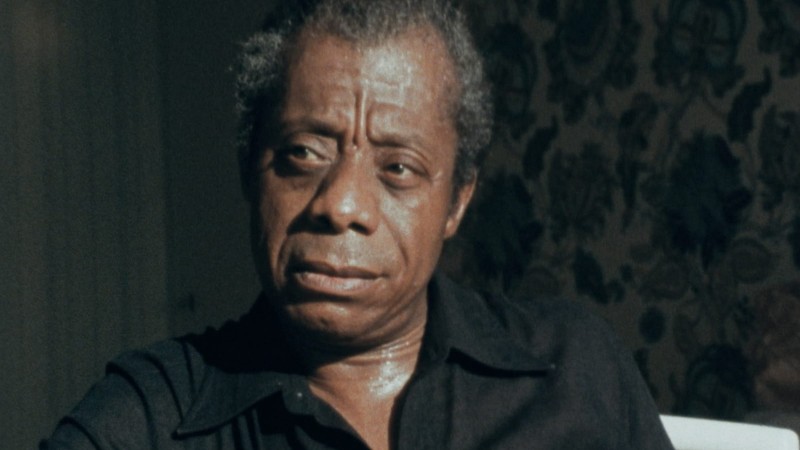
James Baldwin Looks Back
The illuminating 1982 documentary I Heard It Through the Grapevine follows the celebrated author on a journey through the American South, as he attempts to reckon with the legacy and losses of the civil rights movement.