The Defiant Ironies of Rainer Werner Fassbinder’s The Third Generation
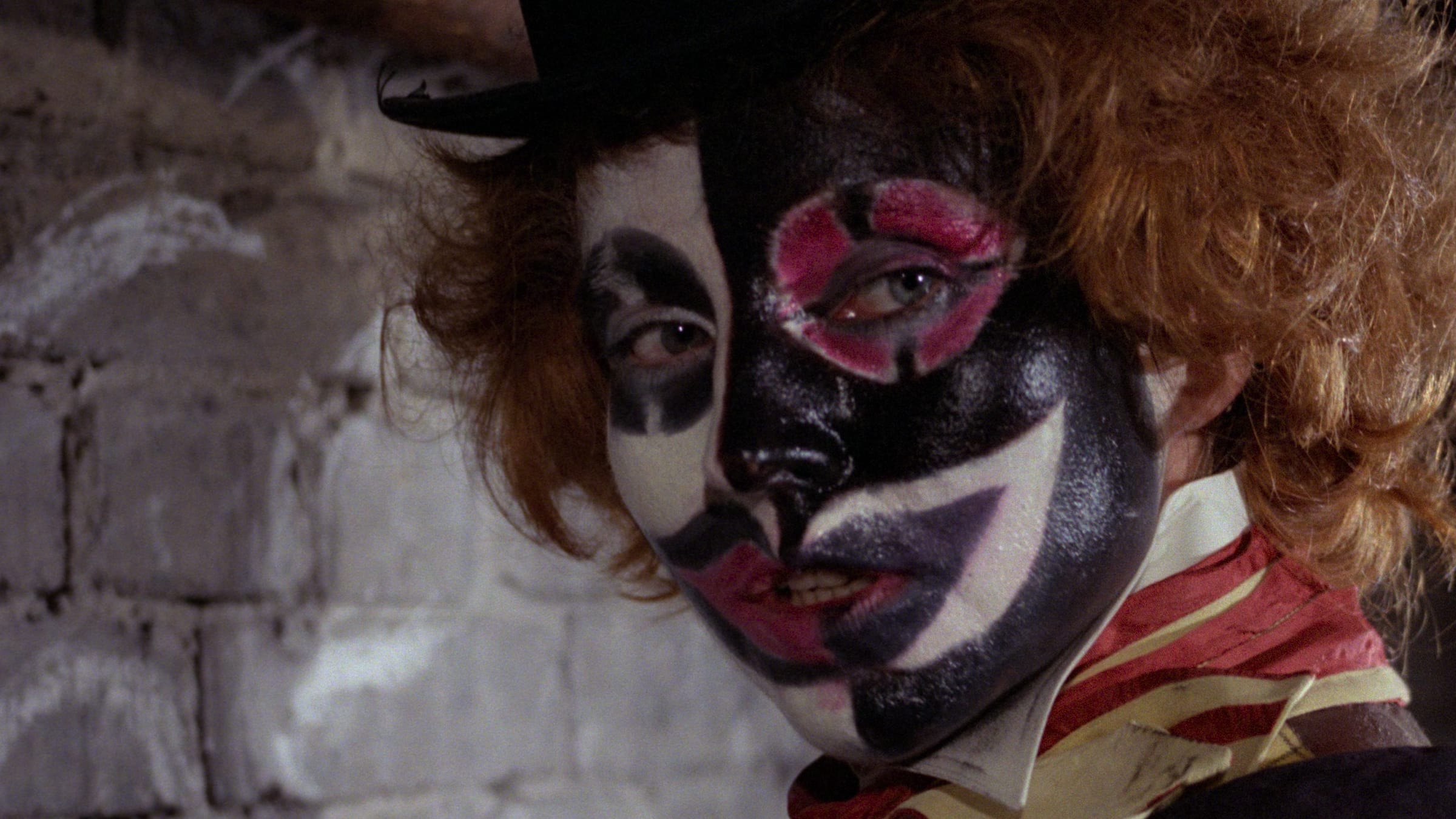
You look at Rainer Werner Fassbinder’s The Third Generation (1979), and you see the snarky, risky spirit of the New Wave movements that emerged around the world in the 1960s and ’70s in full, defiant bloom. But what does that mean, exactly, and what is this crazy, goofy, pugnacious movie-movie really up to? This particular late RWF is, in its appetite for farcical social critique and artfully canned melodrama, typical of its manically prolific filmmaker. (Let’s recall the deluge: over forty projects in fourteen years, not including the scripts he didn’t direct or the theater productions he didn’t record.) The tone is characteristically arch, but at the time the topic was new and raw. The subject at hand is the revolutionary pretensions of the Red Army Faction, the anti-imperialist guerrilla-terrorist outfit that terrorized Germany with bombings and assassinations throughout and beyond the seventies.
We usually get a hold of political movies by determining whether they are pro or con, progressive or conservative, but this film begs to be scanned as something else, something distinctly unserious but also dead serious about its lack of seriousness. In other words, what we have is the rampant flowering of the Ironic Film—an impertinent New Wave spawn of which Fassbinder was a committed practitioner. Coming between the less brazenly ironic but still ironically seasoned The Marriage of Maria Braun (1979) and Berlin Alexanderplatz (1980), The Third Generation is a full-on siege of hyper-irony, snarking and cosplaying and mocking its own diegetic constructions. Violent political reality is merely meat into the grinder.
What we usually think about when we consider “irony in film” is merely irony expressed or manifested in a narrative twist or a performance moment or a doubled meaning in a bit of dialogue. In the sixties, the Ironic Film became an entire genre, composed of works that were conscientiously ironic in their essential identity, fiber, and visual makeup. Broadly speaking, this phenomenon could include the overt metafilm as solidified by Godard and Rivette (inhabited by people who seem to know they’re in a movie) as well as the films of their many successors (Dušan Makavejev, Věra Chytilová, Nagisa Oshima, Kira Muratova, Jean-Marie Straub and Danièle Huillet, etc.) and contemporary filmmakers working in disparate modes, from Quentin Tarantino and Radu Jude to Joel and Ethan Coen, Roy Andersson, Apichatpong Weerasethakul, Charlie Kaufman, and Wes Anderson. You could say that the Ironic Film is a realm in which the distance between the viewer and the characters on-screen is doubled, while the distance between the viewer and the filmmaker is halved. “Realism” is sometimes present, but often in cracked-mirror form. It would seem, surveying the field, that a sense of spirited irreverence—toward classical earnest storytelling and the world in general—is required.


More: Features
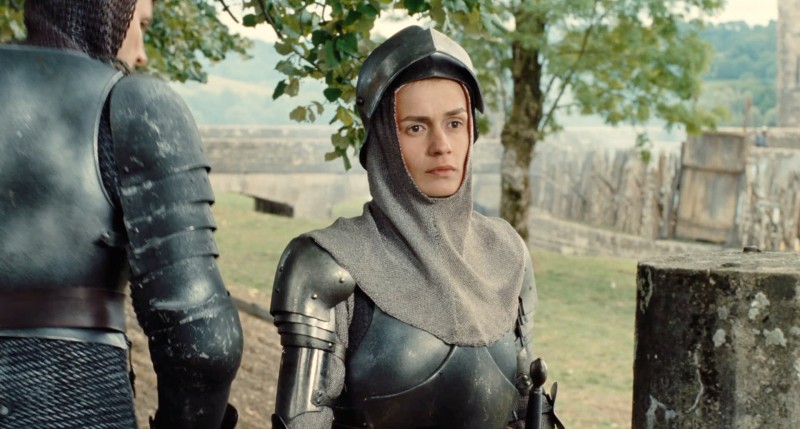
Jacques Rivette Envisions a More Human Joan of Arc
Anchored by an extraordinary performance from Sandrine Bonnaire, the epic historical drama Joan the Maid strips away its saintly protagonist’s mythic aura and gives us a humbler, more intimate version of her life story.
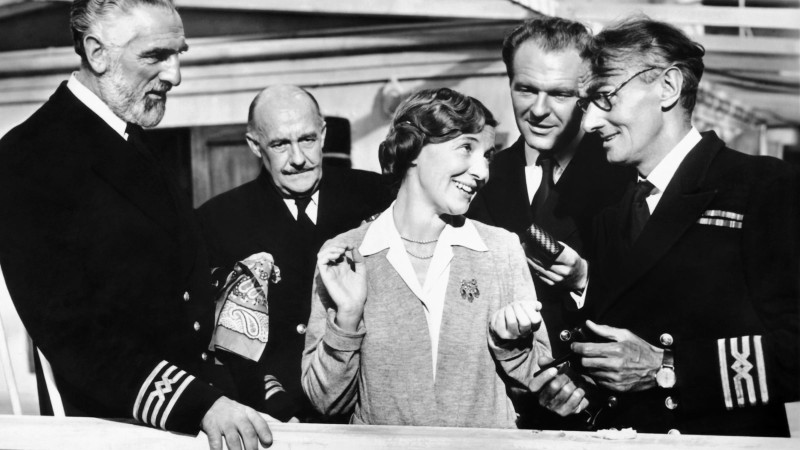
Anthologized: The World of W. Somerset Maugham On-Screen
The elegantly crafted portmanteau films Quartet, Trio, and Encore adapt twelve spellbinding tales of deception and passion from one of the best-selling authors of the twentieth century.

The Inner Worlds of Neon Genesis Evangelion
A Japanese-television phenomenon that sparked a boom in anime production and fandom, Hideaki Anno’s magnum opus is a mind-bending mix of kinetic action, sci-fi spectacle, and introspective human drama.

James Baldwin Looks Back
The illuminating 1982 documentary I Heard It Through the Grapevine follows the celebrated author on a journey through the American South, as he attempts to reckon with the legacy and losses of the civil rights movement.