I Know Where I’m Going!: In the Wind
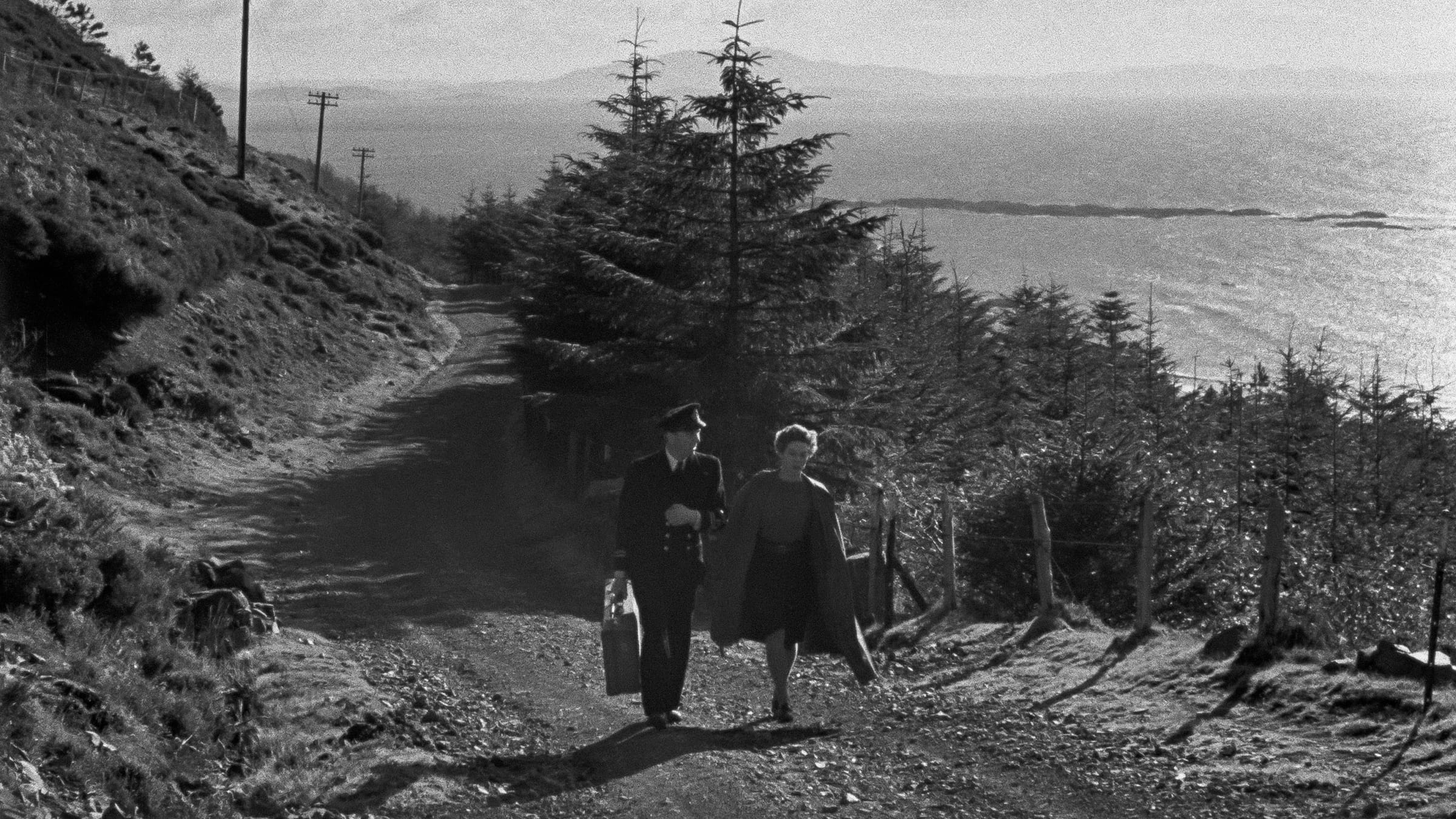
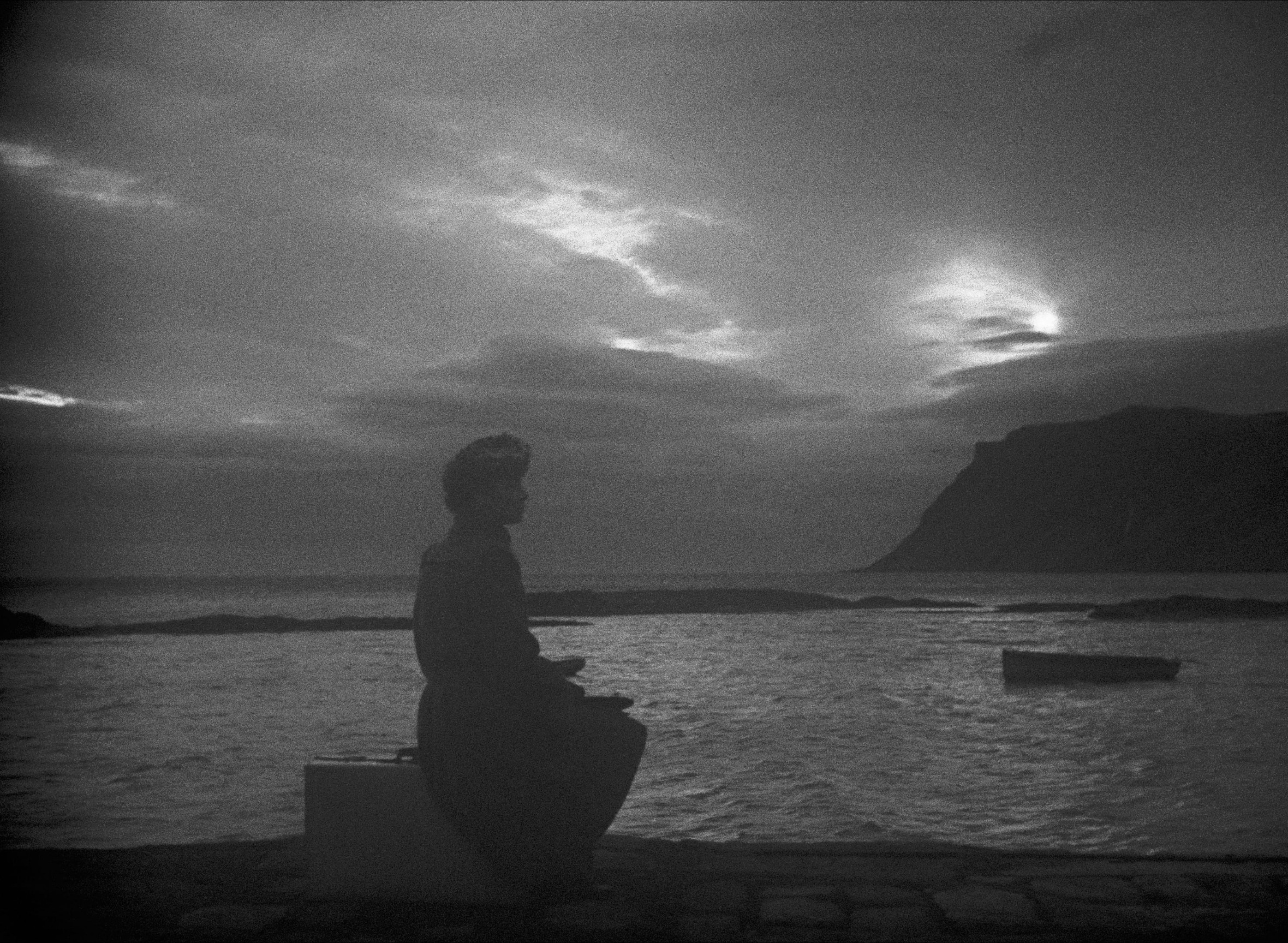
The romance of islands lies in the effort it takes to reach them, their distance from the mundane mainland. Listen to the thrill in the voice of a woman setting off on a night journey, when her father asks how far she is going. To Glasgow? “Further—the Western Isles!” She has never been there, but she has seen it, in her dreams.
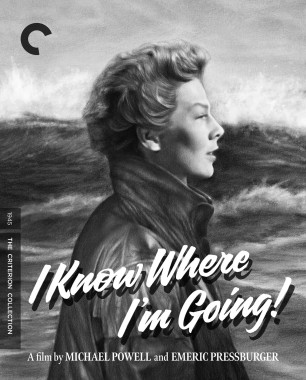
Michael Powell collected islands, as he puts it in his vivid and ear-bending memoir A Life in Movies, adding: “The smaller and more remote the island, the greater the individuality.” There was Foula, the most far-flung and rugged of the Shetlands, where he filmed his first passion project, The Edge of the World (1937). That breakthrough film earned Powell a contract with producer Alexander Korda, who assigned him to work on The Spy in Black (1939), a story set against the beetling cliffs and lonely cottages of the Orkneys. It was on this film that Powell met the Hungarian-born writer Emeric Pressburger and was instantly seduced by his narrative genius. Their creative chemistry nourished one of the greatest partnerships in cinema; as the Archers, for more than a decade they launched their arrows at challenging and ever-changing targets. They sealed their artistic union with the decision to share producing, directing, and writing credits on their films. What could lead them to chain themselves together in this way besides love?
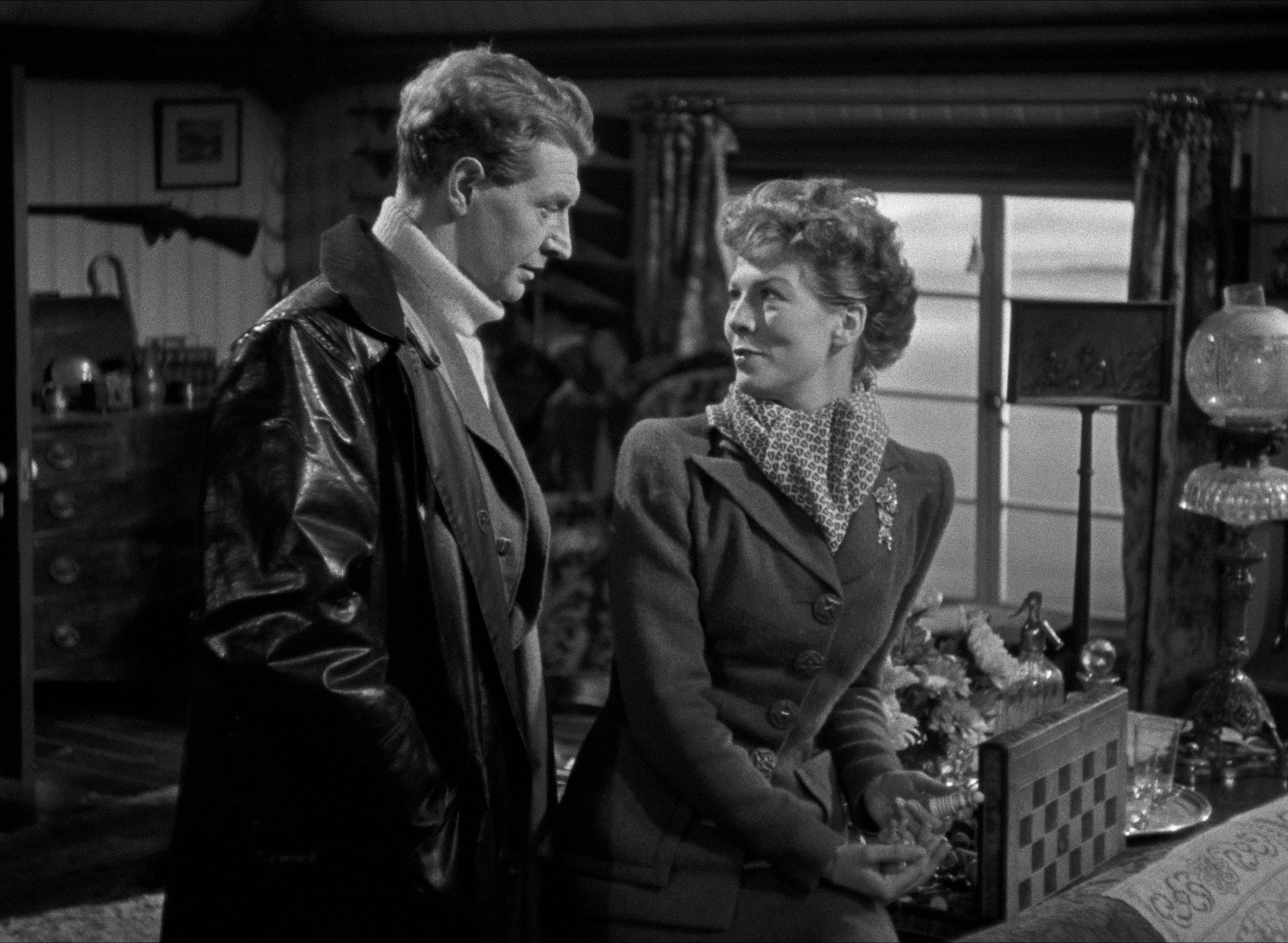
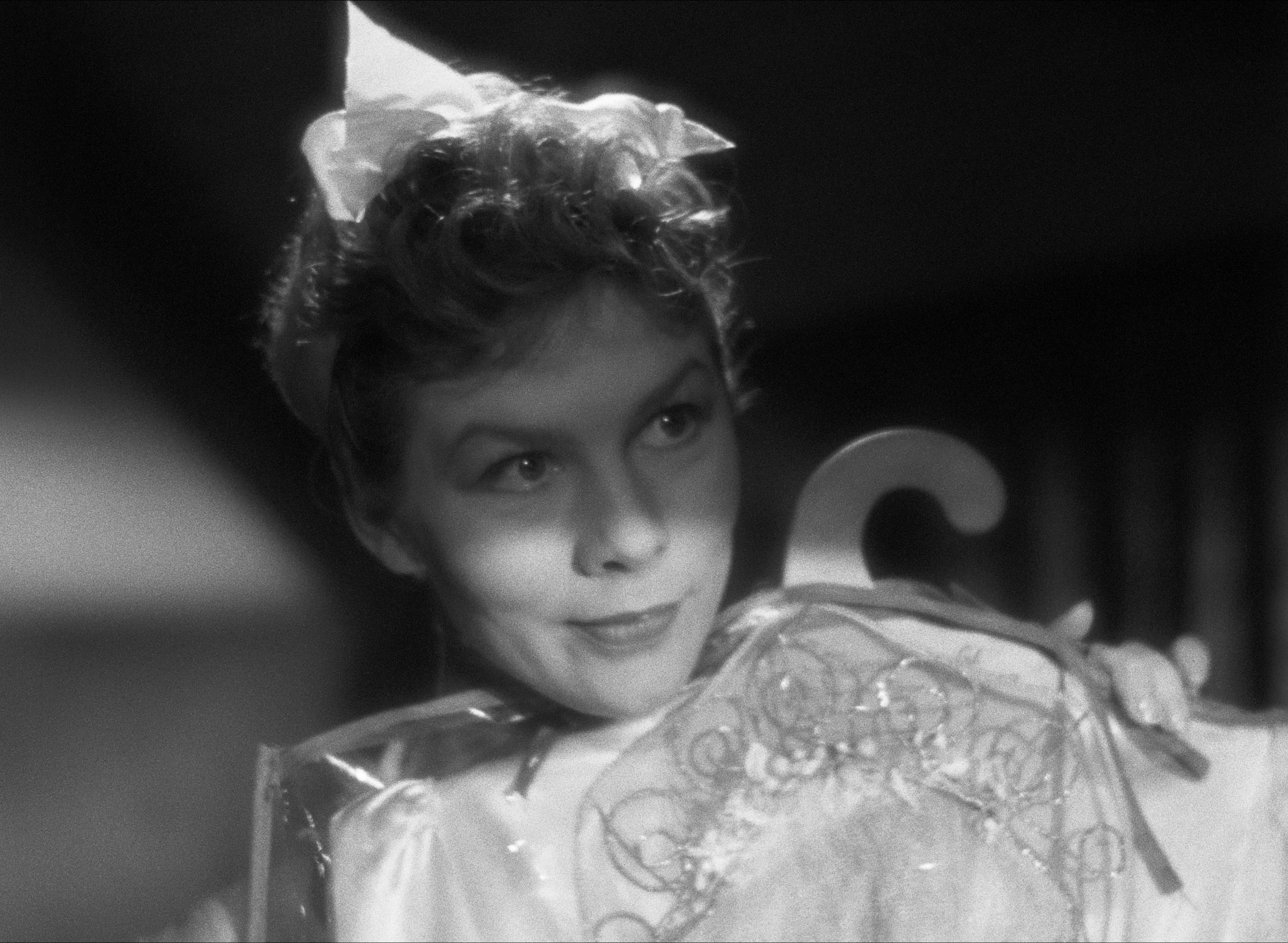
One day in 1944, Pressburger shared a long-nurtured idea for a movie about a girl who wants to get to an island but is prevented by a storm and who, when she is finally able to make the trip, no longer wants to go. Powell asked why she wants to get there in the first place. As he later recalled, “Emeric smiled one of his mysterious smiles. ‘Let’s make the film and find out.’ ” In this exploratory spirit they embarked on I Know Where I’m Going! (affectionately abbreviated to IKWIG by its makers and fans).
More: Essays
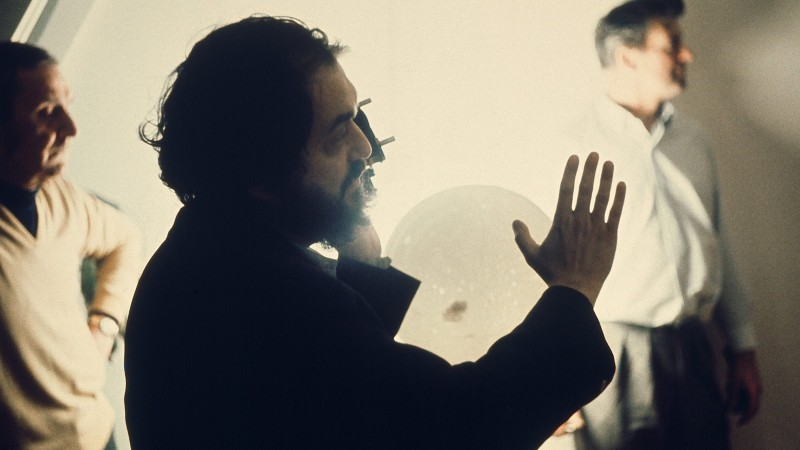
God Laughs: Stanley Kubrick’s Cinema
Throughout his enormously influential body of work, the great director explored the conflict between humankind’s obsession with control and our capacity for error and failure.
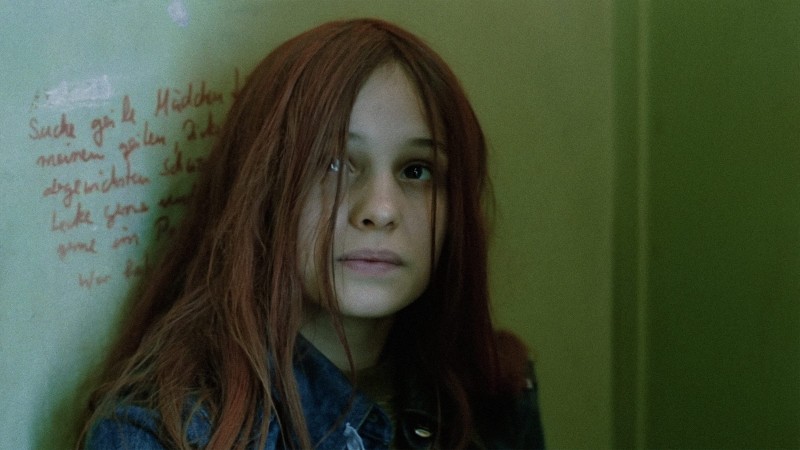
Christiane F.: Up Against the Wall
Uli Edel’s harrowing tale of youth rebellion is one of cinema’s greatest Berlin films, a visceral urban portrait that captures the city’s doom and decadence during the Cold War era.
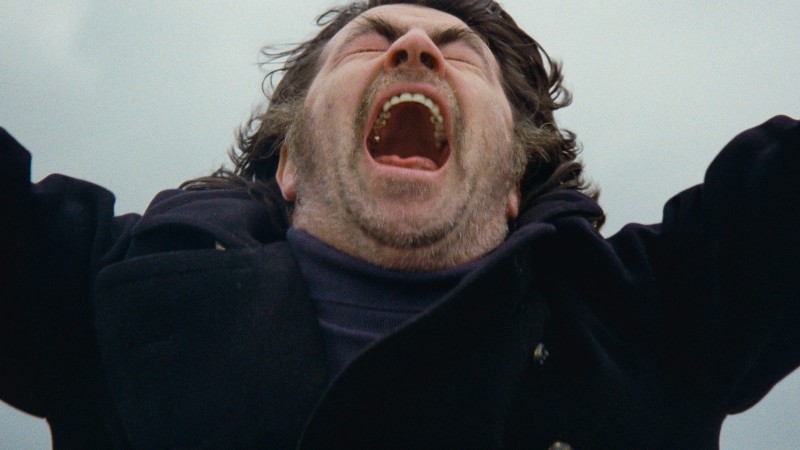
The Shout: Sound and Fury
Blending elements of psychological thriller, social satire, and psychedelic film, Jerzy Skolimowski’s Cannes-award-winning classic uses its audacious sound design to evoke the terror of English civilization.
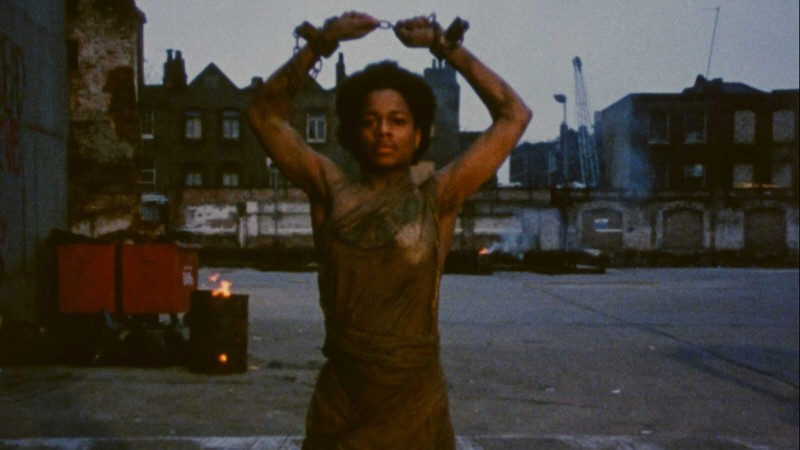
Welcome II the Terrordome: The Future Is Furious
A dystopian drama that draws on the influences of African mythology and hip-hop, Ngozi Onwurah’s debut feature uses a mix of speculative forms to expose anti-Blackness as a system that underpins the modern world.