Birth: Love Eternal
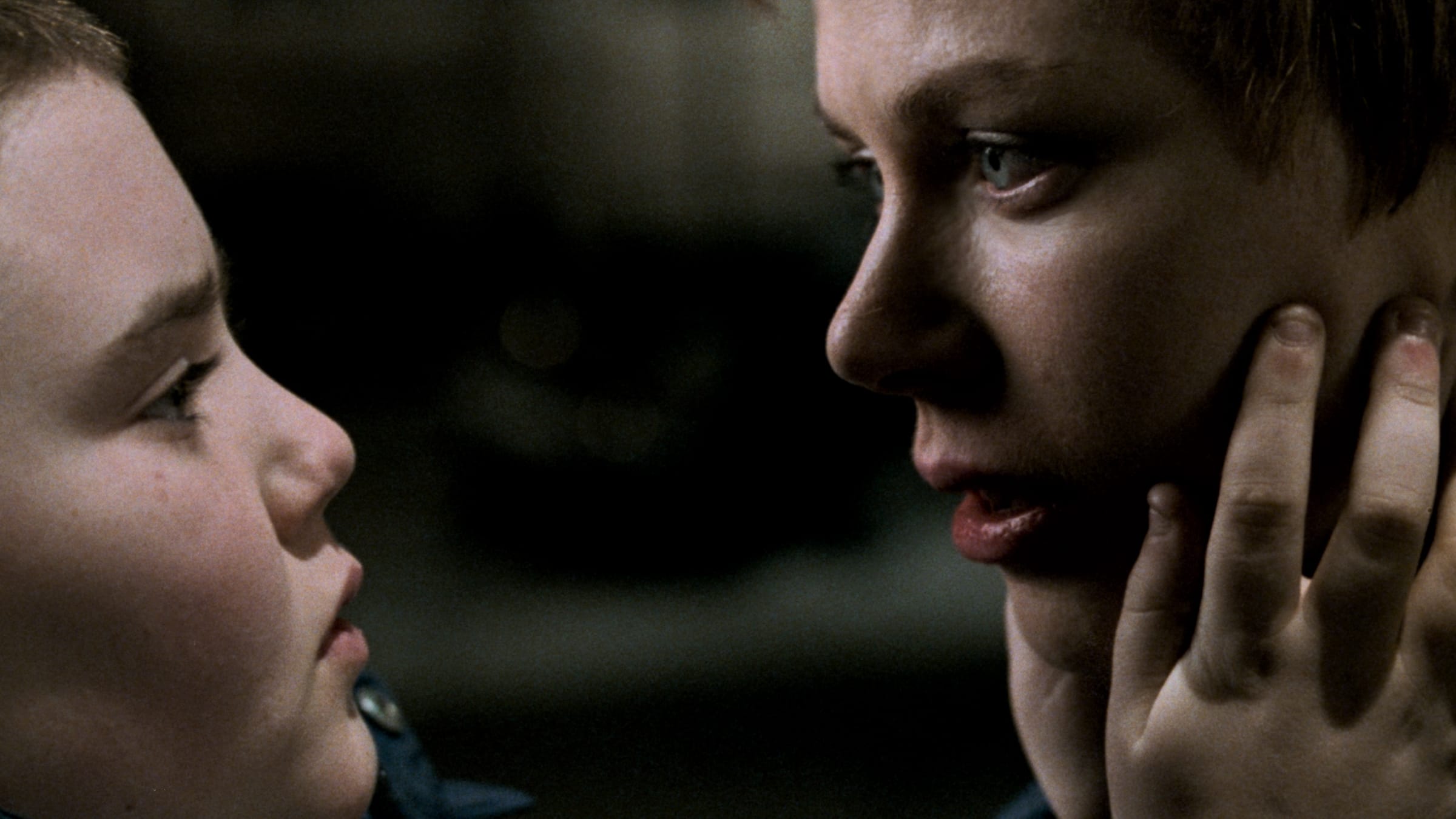
Do you believe in reincarnation? I don’t, and nor does Sean, whose voice-over opens Birth (2004), Jonathan Glazer’s elegant, disturbing, and much misunderstood second film. “Okay,” he says, over a black screen interspersed with credits. “Let me say this. If I lost my wife and, the next day, a little bird landed on my windowsill, looked me right in the eye, and in plain English said, ‘Sean, it’s me, Anna, I’m back,’ I mean, what could I say? I guess I’d believe her, or I’d want to . . . But other than that, no. I’m a man of science. I just don’t believe that mumbo jumbo.”
But it isn’t Anna who dies. In the virtuosic, nearly monochromatic four-minute sequence that follows Sean’s hyperconfident assertion, he runs through a snowy Central Park. The soundtrack is sprightly strings, which become swoony and unsettlingly insistent (the orchestral score was one of the first for an English-language feature by the now highly acclaimed film composer Alexandre Desplat). A hooded figure all in black, the man appears as a negative space cut into the frame, a dominating absence. The camera follows him as he vanishes under a bridge. We see him emerge, and then the title appears: Birth, in a curlicued Old Hollywood font.
Now we are in front of the man, drawing away from him as he runs into the curved aperture of another tunnel, irresistibly reminiscent of a birth canal. As the camera pulls away further into the darkness, the man collapses, dropping to the ground and lying motionless. The camera continues its inexorable withdrawal. We both hear and see snow falling, and then cut to the dazzling confusion of a baby being born, emerging slick from its mother’s thighs, its arching body seen through water. The pulsing strings yoke these disparate sections together as a single narrative.
More: Essays
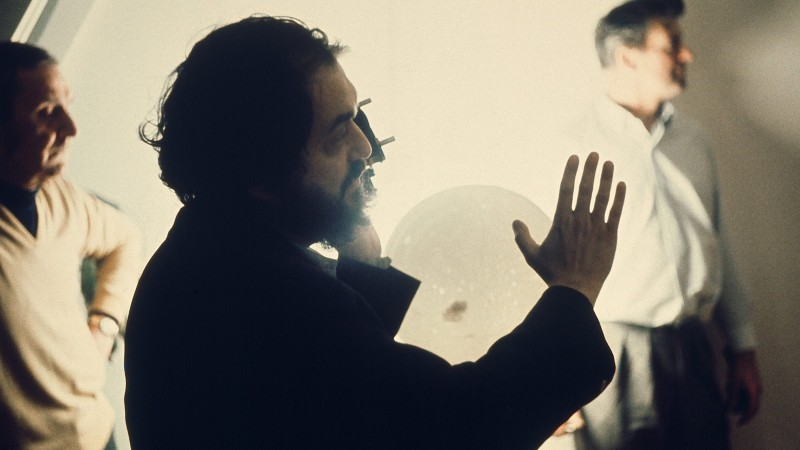
God Laughs: Stanley Kubrick’s Cinema
Throughout his enormously influential body of work, the great director explored the conflict between humankind’s obsession with control and our capacity for error and failure.
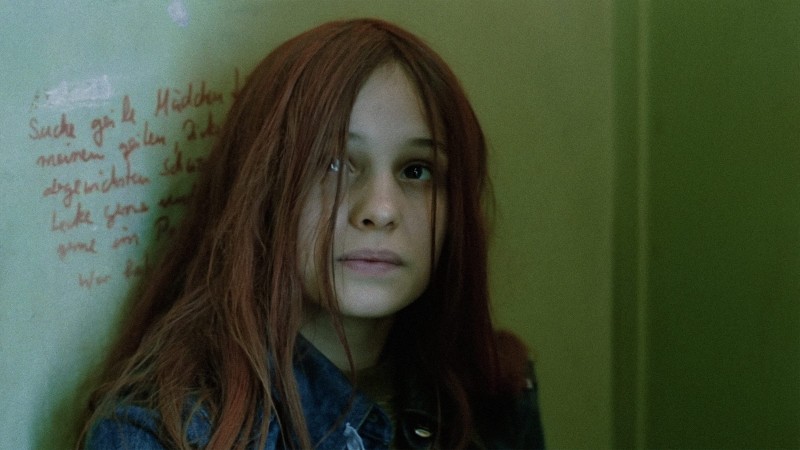
Christiane F.: Up Against the Wall
Uli Edel’s harrowing tale of youth rebellion is one of cinema’s greatest Berlin films, a visceral urban portrait that captures the city’s doom and decadence during the Cold War era.
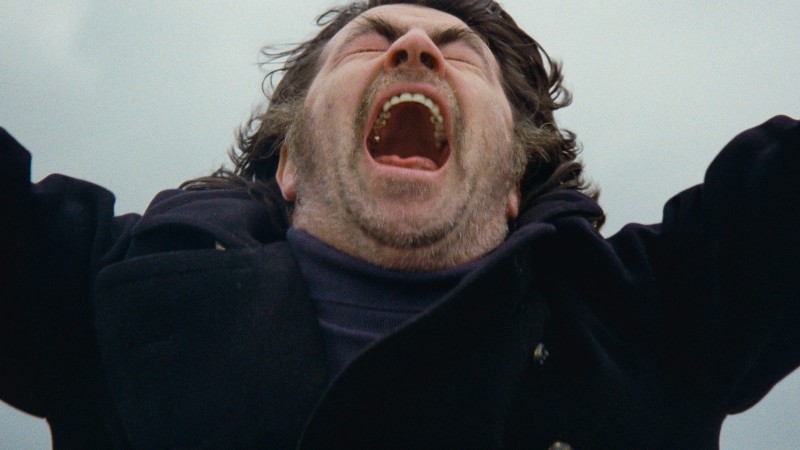
The Shout: Sound and Fury
Blending elements of psychological thriller, social satire, and psychedelic film, Jerzy Skolimowski’s Cannes-award-winning classic uses its audacious sound design to evoke the terror of English civilization.
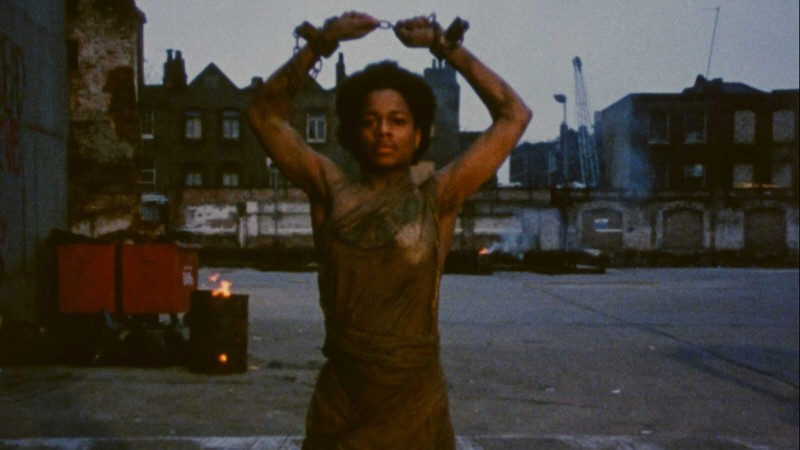
Welcome II the Terrordome: The Future Is Furious
A dystopian drama that draws on the influences of African mythology and hip-hop, Ngozi Onwurah’s debut feature uses a mix of speculative forms to expose anti-Blackness as a system that underpins the modern world.