The Beat That My Heart Skipped: Out of Sync
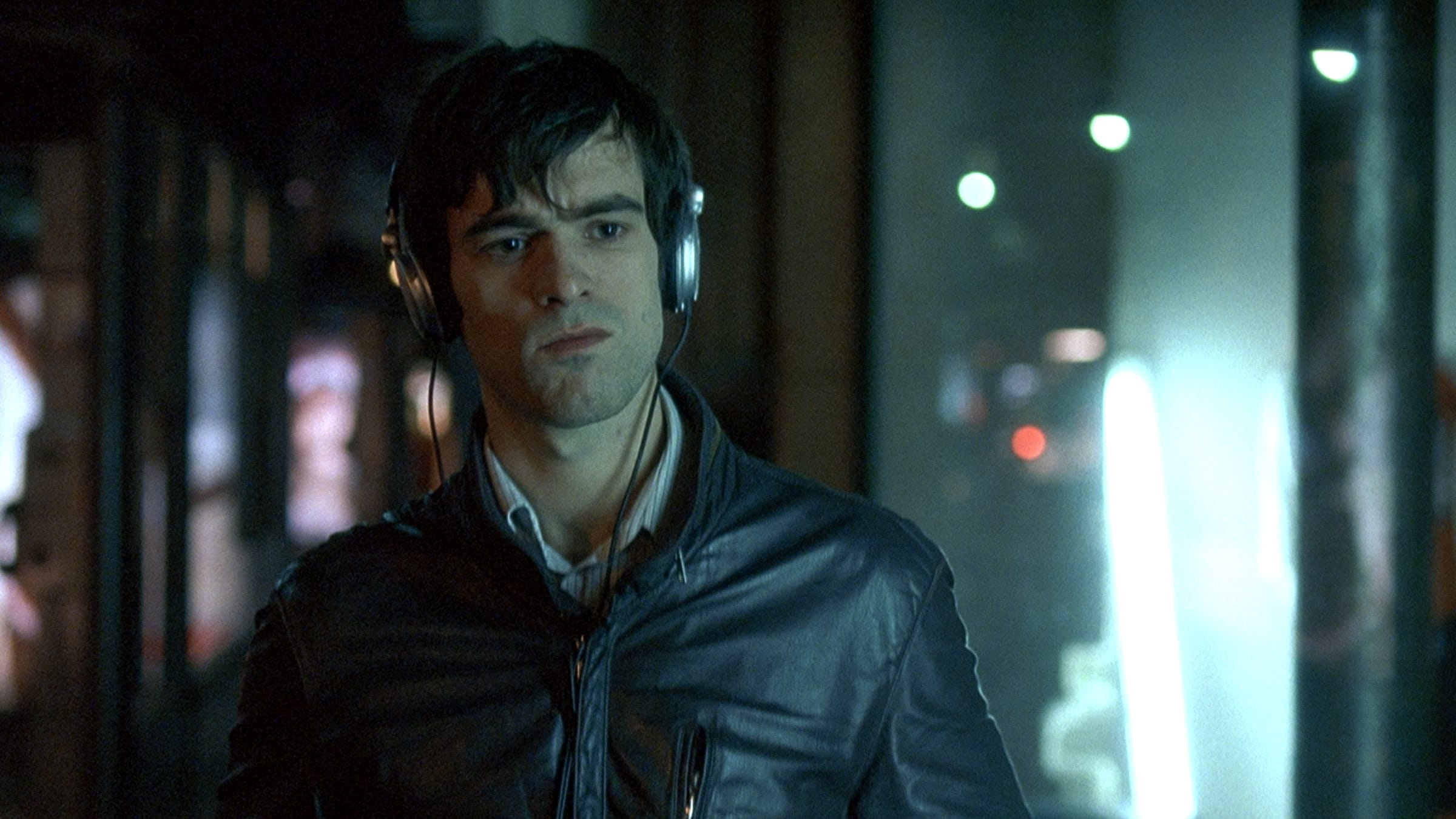
The profession of a classical pianist ranks high among careers that require absolute dedication and focus. Notwithstanding the economic realities of pursuing an artistic vocation, mastering Bach and Brahms cannot possibly be a side hustle, nor does it leave space for one. So the idea of a real-estate agent and violent small-time hoodlum setting his heart on the concert stage is clearly a preposterous one, inhabiting the realm of extreme delusion. That delusion, intertwined with a surely doomed yearning for reinvention and redemption, is at the heart of Jacques Audiard’s Paris-set drama The Beat That My Heart Skipped (2005).
Audiard’s fourth feature was a breakthrough for him, crystallizing his identity as an artist with a high degree of confidence, control, and ambition. Audiard had begun his directorial career with a string of impressive films: his first, See How They Fall (1994), is an intricate weave of narrative strands and time frames that bears the mark of Audiard’s previous experience as an editor; the more audience-friendly follow-up, A Self-Made Hero (1996), is a highly ironic period drama that dismantles myths of French honor during World War II. If The Beat That My Heart Skipped made an even stronger impact, it was partly for its perfect combination of narrative complexity, emotional directness, and genre pleasure, bringing a specifically French inflection to American-style crime cinema and introducing an indelible twenty-first-century antihero.
As its title suggests, The Beat That My Heart Skipped is about discontinuity, rhythm interrupted. For a professional pianist, mind and body must attain complete synchronization, which is something that perpetual distraction and the demands of the criminal life won’t allow Thomas (Romain Duris): he is using his hands for too many things, too many of them destructive.
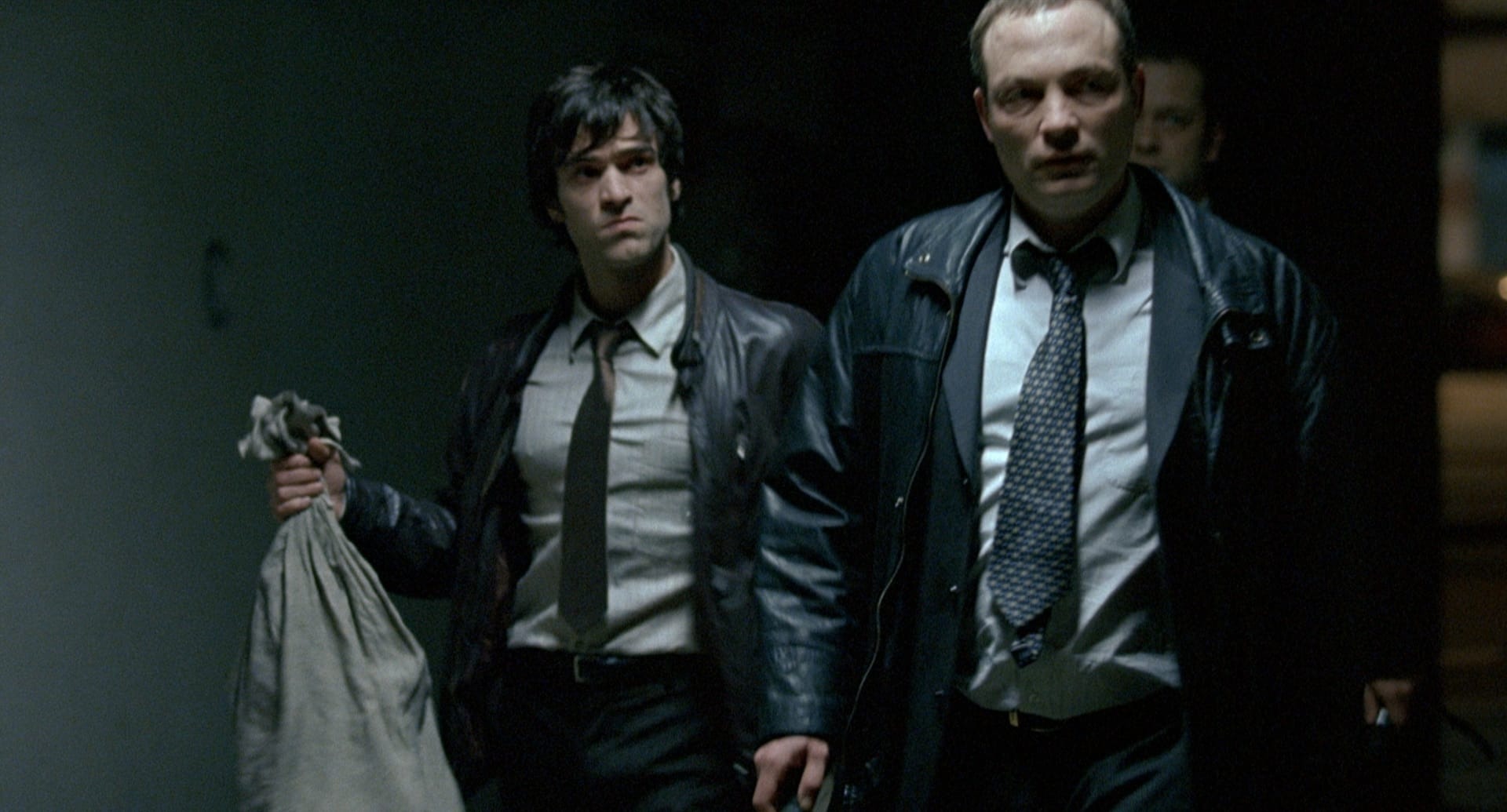
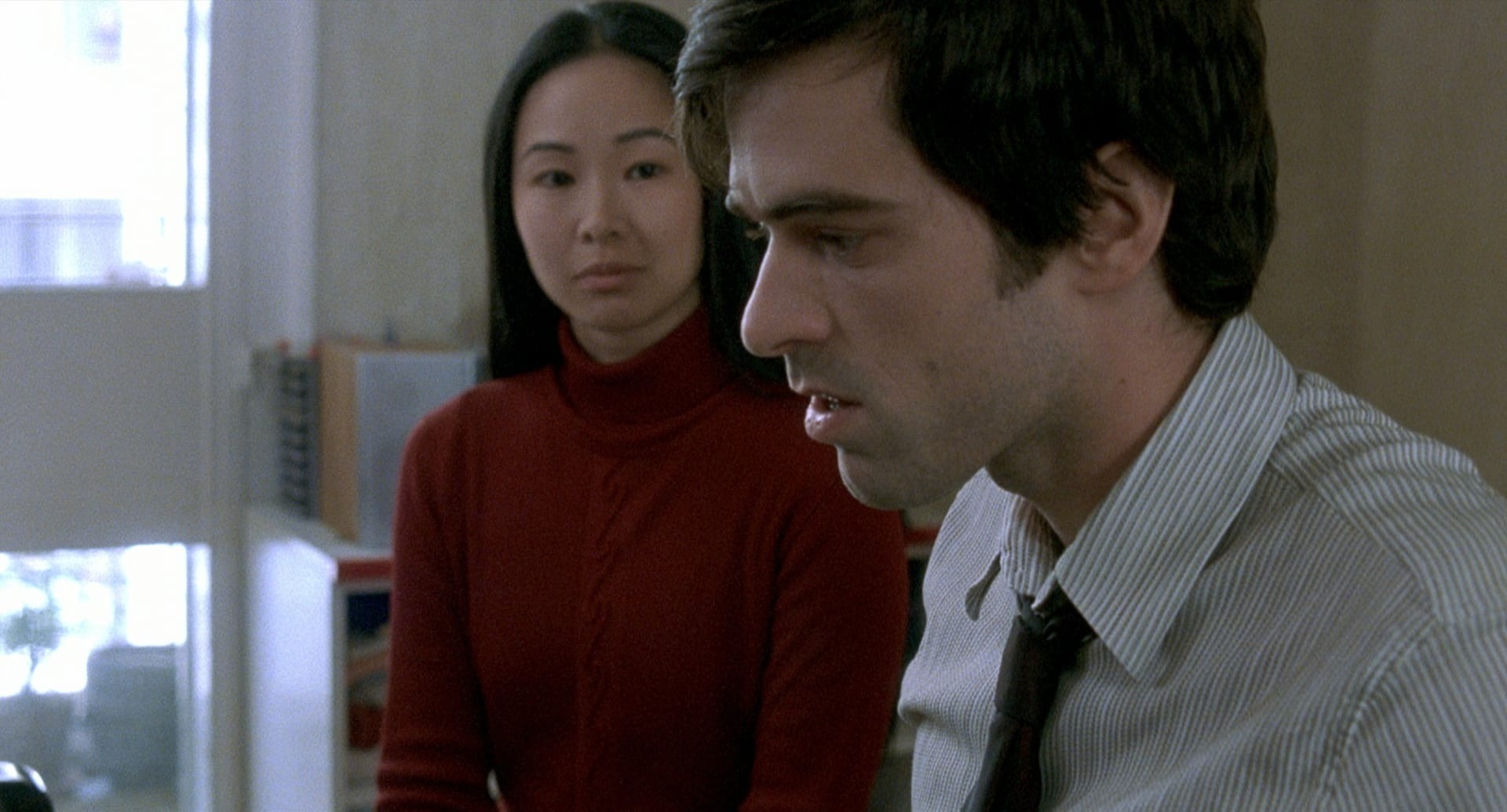
Thomas is the son of a pianist mother, deceased by the time the film starts, and a father (Niels Arestrup) immersed in shady business. Once a promising pianist himself, Thomas has long since given up for reasons never specified (Audiard is disinclined to spoon-feed backstory to his viewers) and is now part of a team of real-estate agents whose methods involve evicting tenants and squatters by illicit, often violent means, including planting rats and trashing occupied premises. Thomas has a subordinate, somewhat masochistic relationship with his partners, Sami (Gilles Cohen) and Fabrice (Jonathan Zaccaï), who are also his partying buddies. He routinely helps Fabrice cover up his womanizing but ends up having an affair with his wife, Aline (Aure Atika).
More: Essays
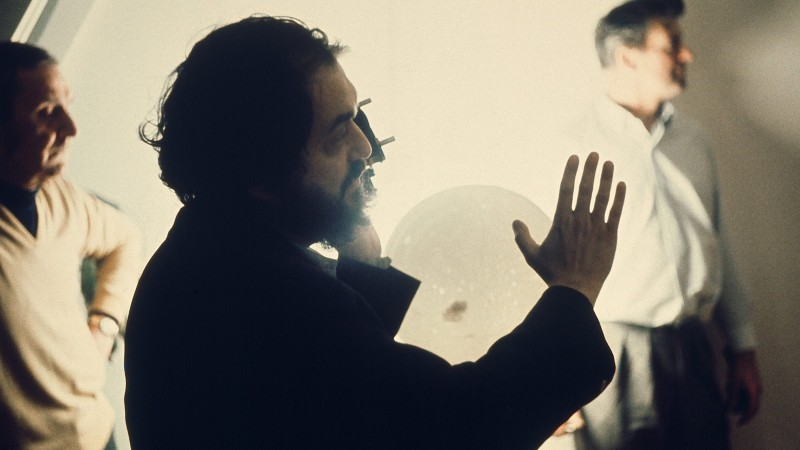
God Laughs: Stanley Kubrick’s Cinema
Throughout his enormously influential body of work, the great director explored the conflict between humankind’s obsession with control and our capacity for error and failure.
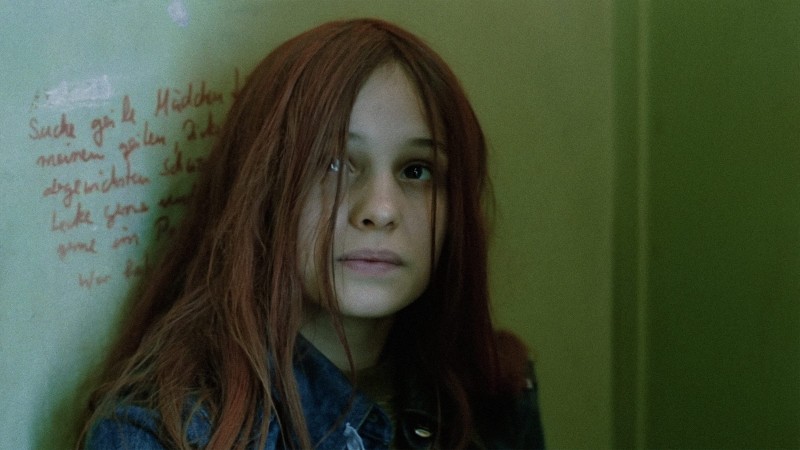
Christiane F.: Up Against the Wall
Uli Edel’s harrowing tale of youth rebellion is one of cinema’s greatest Berlin films, a visceral urban portrait that captures the city’s doom and decadence during the Cold War era.
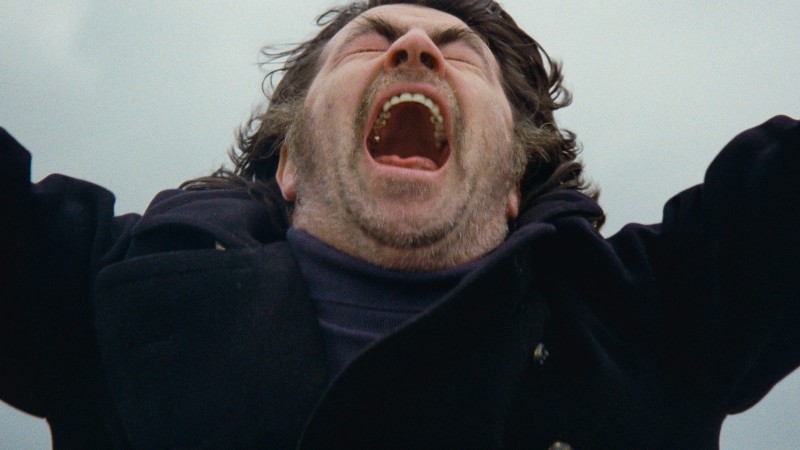
The Shout: Sound and Fury
Blending elements of psychological thriller, social satire, and psychedelic film, Jerzy Skolimowski’s Cannes-award-winning classic uses its audacious sound design to evoke the terror of English civilization.

Welcome II the Terrordome: The Future Is Furious
A dystopian drama that draws on the influences of African mythology and hip-hop, Ngozi Onwurah’s debut feature uses a mix of speculative forms to expose anti-Blackness as a system that underpins the modern world.