
“We No Longer Demand a Consenses”: A Brief History of Regrouping

Share
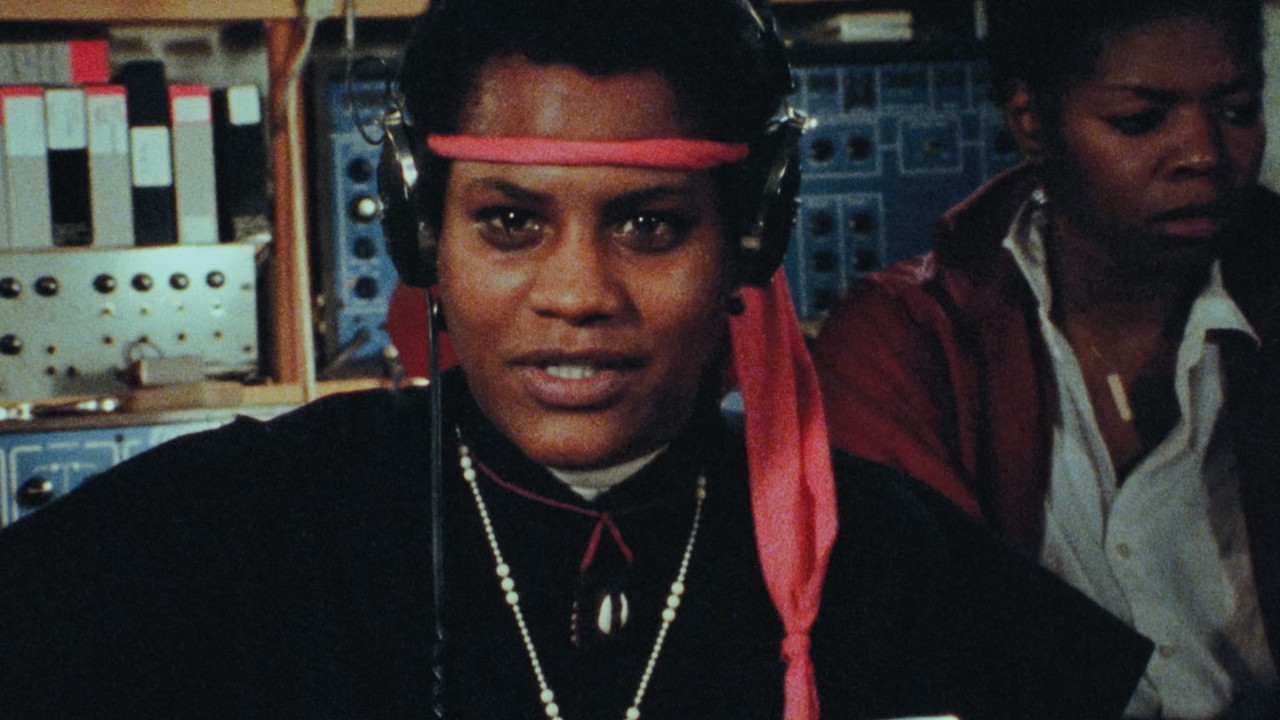
The opening intertitles of Regrouping (1976) note that the “film began as an agreement, an attempt at collusion,” between director and art critic Lizzie Borden and a group of four white women artists and intellectuals. It was Borden’s first film project, funded by three thousand dollars from the artist Sol LeWitt and exploring the emergence—after the impact of the second wave—of a new generation of feminist consciousness in the New York art world. Can Regrouping be called a film by Lizzie Borden? It’s a question that is asked on the soundtrack of the film itself, by the voices of its initial, and initially collaborative, participants. Regrouping’s existence, its disappearance, and its regeneration are all testaments to the internal complexities of, as well as external pressures on, second-wave feminist artmaking.
In the early 1970s, Borden was writing for Artforum in its first decade of existence, not long after it had moved from California to New York, essaying a simultaneous transition from a focus on representational art and abstract expressionism toward conceptual art, body art, performance art, and the new medium of video. Borden wrote about performers and body artists and, through Joan Jonas, was introduced to a group of four feminists who were giving talks. She told me, “They were all really compelling and attractive. I really wanted to listen to what they were saying, so I thought: Why don’t I make a documentary about them?”
Borden had not attended film school but was inspired by the video installations of artists such as Jonas, the use of film in performance by Yvonne Rainer (whose first feature film, Lives of Performers, was released in 1972), and the experimental essay and narrative films of Jean-Luc Godard. And so in 1974, working with any 16 mm camera she could find or borrow, Borden began collaborating with the group, filming their meetings and conversations. The group shot their own material too.
Three of the women were (“more or less,” as Borden says) straight, and one—Glenda—was an out lesbian. Over the course of filming, it became clear that there was a fifth woman who was crucial to understanding the group dynamic, an older lesbian filmmaker called Susan who had had relationships with two group members and had died. Lesbianism had become a hugely fraught issue within the second-wave movement: in 1970, a group of lesbian feminists including Rita Mae Brown and Barbara Love formed Lavender Menace to disrupt the Second Congress to Unite Women, held in New York City that May. They took their name from Betty Friedan’s articulation, the previous year, of the threat she believed was posed by lesbians to the mainstreaming of the women’s movement. Regrouping represents what Borden has called the “second-and-a-half wave” that resulted from this split, opening up the disruptive potential of lesbian sexuality as feminism sought respectability, as well as considering the messy effects of desire on group dynamics.

More: Essays
God Laughs: Stanley Kubrick’s Cinema
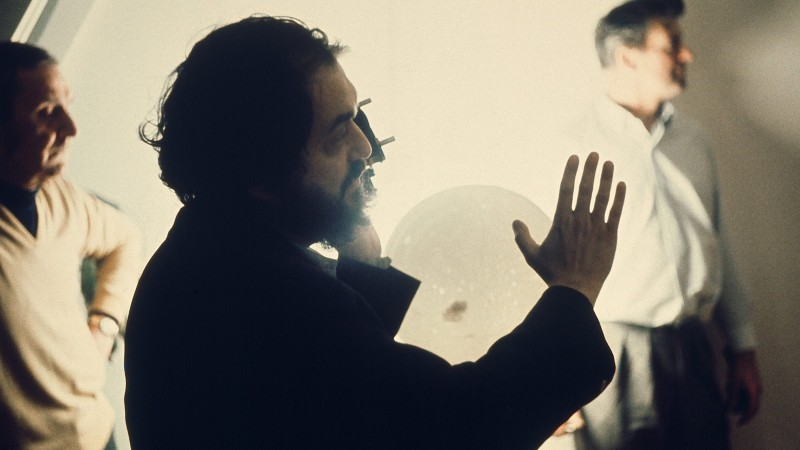
Throughout his enormously influential body of work, the great director explored the conflict between humankind’s obsession with control and our capacity for error and failure.

Christiane F.: Up Against the Wall
Uli Edel’s harrowing tale of youth rebellion is one of cinema’s greatest Berlin films, a visceral urban portrait that captures the city’s doom and decadence during the Cold War era.
The Shout: Sound and Fury
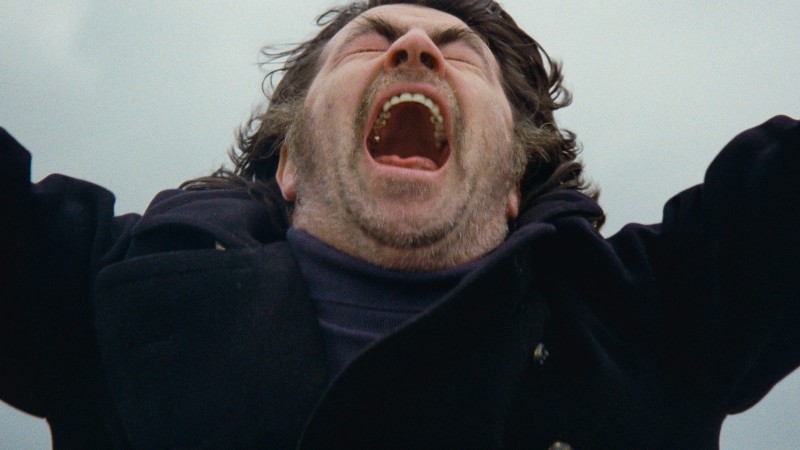
Blending elements of psychological thriller, social satire, and psychedelic film, Jerzy Skolimowski’s Cannes-award-winning classic uses its audacious sound design to evoke the terror of English civilization.
Welcome II the Terrordome: The Future Is Furious
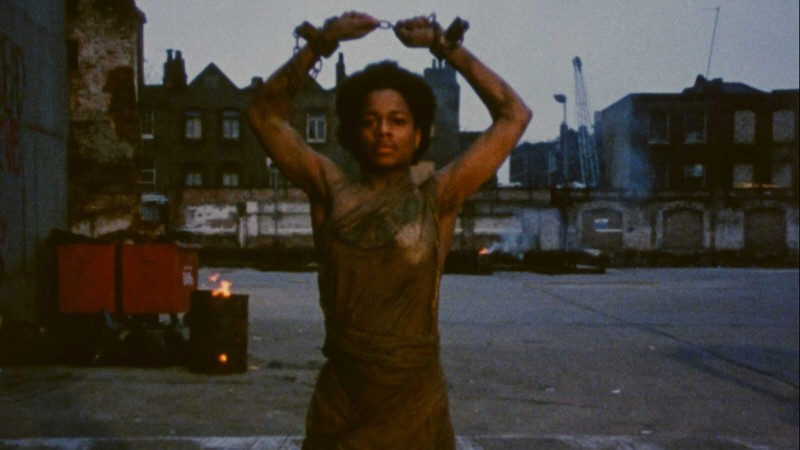
A dystopian drama that draws on the influences of African mythology and hip-hop, Ngozi Onwurah’s debut feature uses a mix of speculative forms to expose anti-Blackness as a system that underpins the modern world.