

Born in Flames: From the Ashes

Share
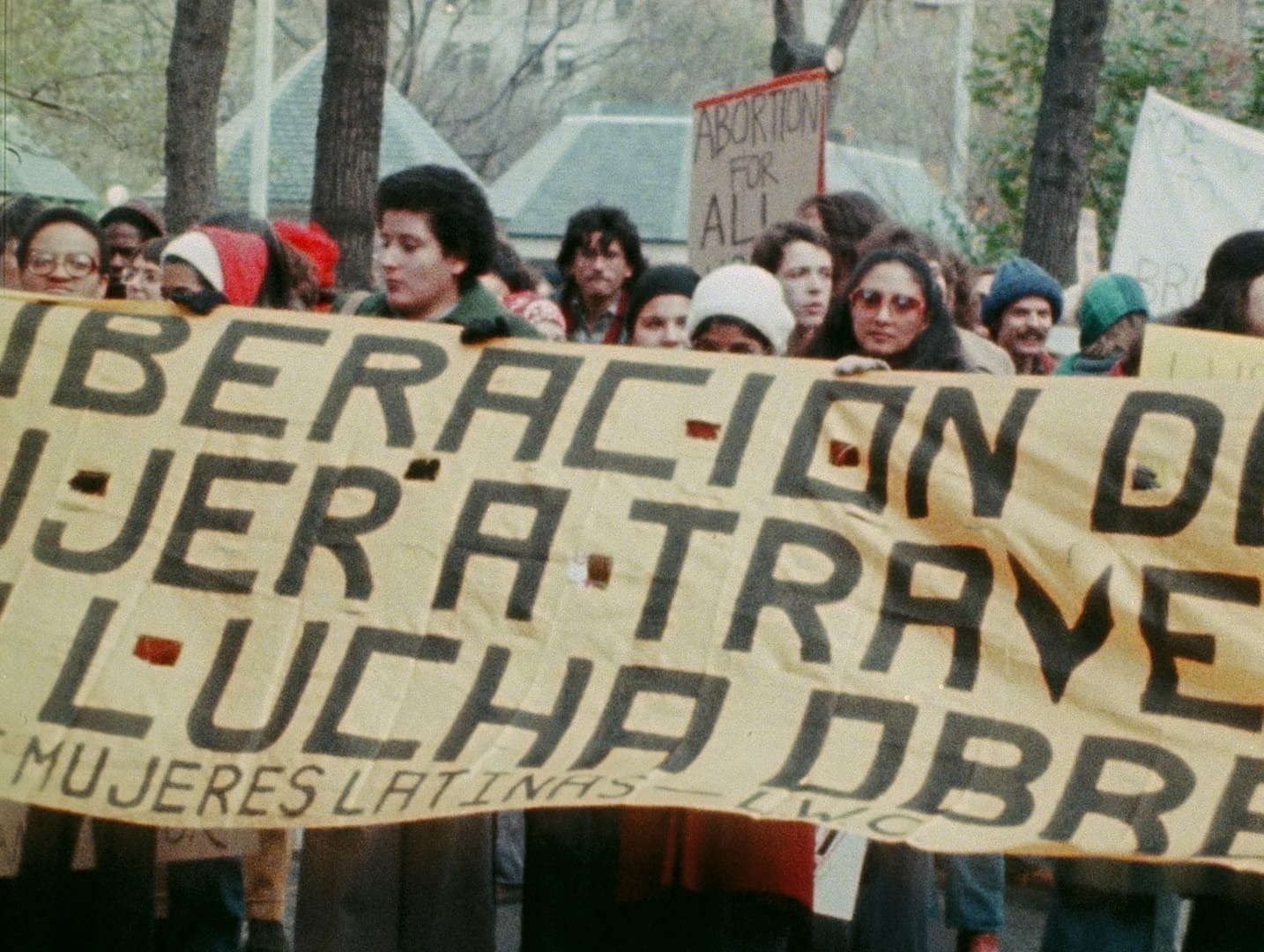
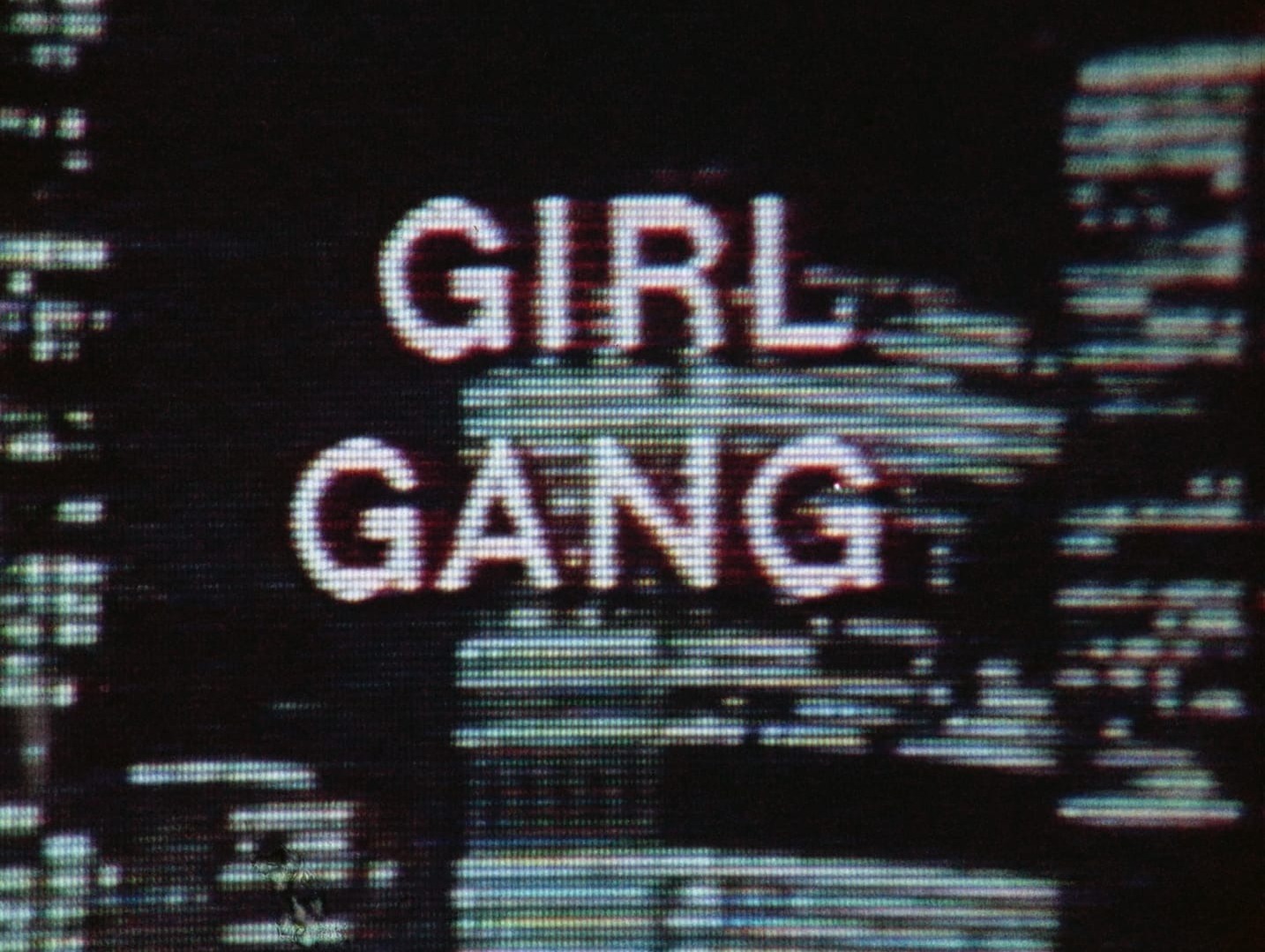
“Good evening, this is Honey, coming directly to you from the new Phoenix and Ragazza radio station. A station not only dedicated to the liberation of women but a station dedicated to deconstruct and reconstruct all the laws that suppress and oppress all of us.” In the audaciously imagined New York of Born in Flames (1983), set ten years after the supposed triumph of a peaceful social-democratic revolution, a mobile broadcast operation installed in U-Haul trucks relays an unqualified call for total transformation. Absent any stable production support but armed with her own determination and skill, just enough equipment, and a helpful community of film workers, Lizzie Borden directed this heated feminist polemic as a daring demand for a world brought forth in struggle and predicated on mutual coexistence. With its astute political critique of gendered, racialized, and classed exploitation; untamed punk temperament; electrifying pacing; and heterogeneous assembly of women, the film has few equivalents and remains—chillingly and thrillingly—contemporary. Boldly combining elements of documentary and a renegade reworking of science fiction, Born in Flames dreams a rebellious, pluralistic coalition of women appropriating the means of communication to rally a sweeping vision of liberation for all.
Borden’s feature takes its place in a wide-ranging genealogy of filmmaking practiced by radical collectives, dissident artists, and militant movements in which political commitments are transmitted in content and in form. As a speculative imagining of a future that is both past and still ahead of us, the film defies containment, and bears the marks of influences ranging from the feminist philosophy of Monique Wittig and canonical Marxist texts to Jean-Luc Godard’s gleefully combative post-1968 films and the guerrilla hybridity of Gillo Pontecorvo’s The Battle of Algiers—as well as the lexicon of experimental art and gallery films, such as Richard Serra’s, and the documentary-style realism of John Cassavetes.

More: Essays
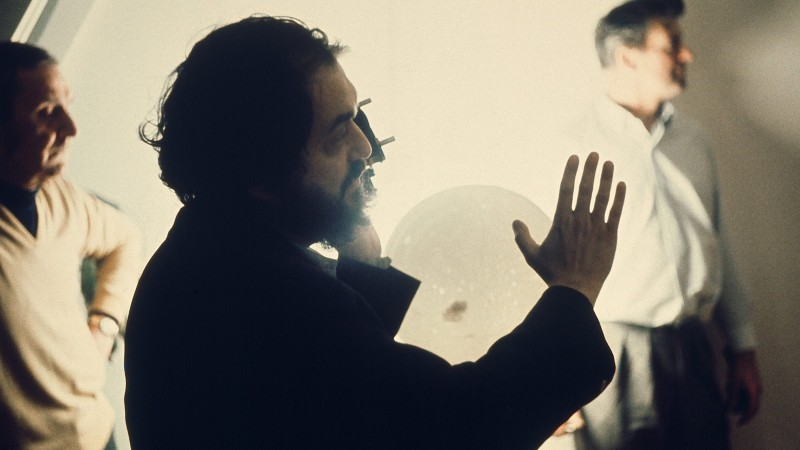
God Laughs: Stanley Kubrick’s Cinema
Throughout his enormously influential body of work, the great director explored the conflict between humankind’s obsession with control and our capacity for error and failure.

Christiane F.: Up Against the Wall
Uli Edel’s harrowing tale of youth rebellion is one of cinema’s greatest Berlin films, a visceral urban portrait that captures the city’s doom and decadence during the Cold War era.

The Shout: Sound and Fury
Blending elements of psychological thriller, social satire, and psychedelic film, Jerzy Skolimowski’s Cannes-award-winning classic uses its audacious sound design to evoke the terror of English civilization.
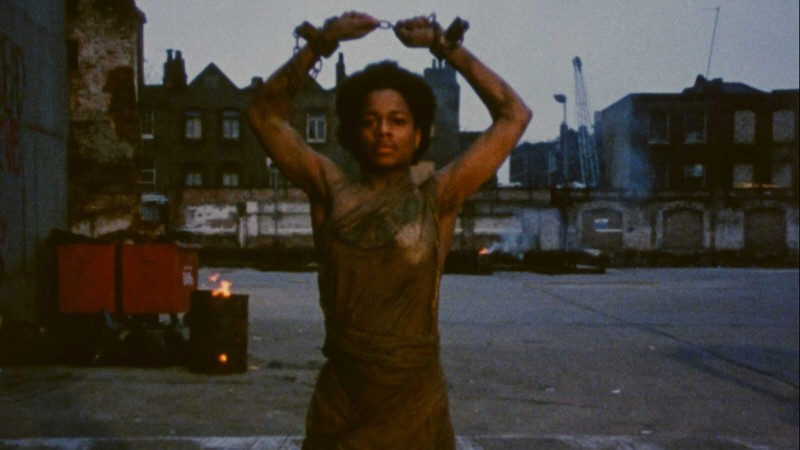
Welcome II the Terrordome: The Future Is Furious
A dystopian drama that draws on the influences of African mythology and hip-hop, Ngozi Onwurah’s debut feature uses a mix of speculative forms to expose anti-Blackness as a system that underpins the modern world.