Near and Far: A Conversation with Dwayne LeBlanc
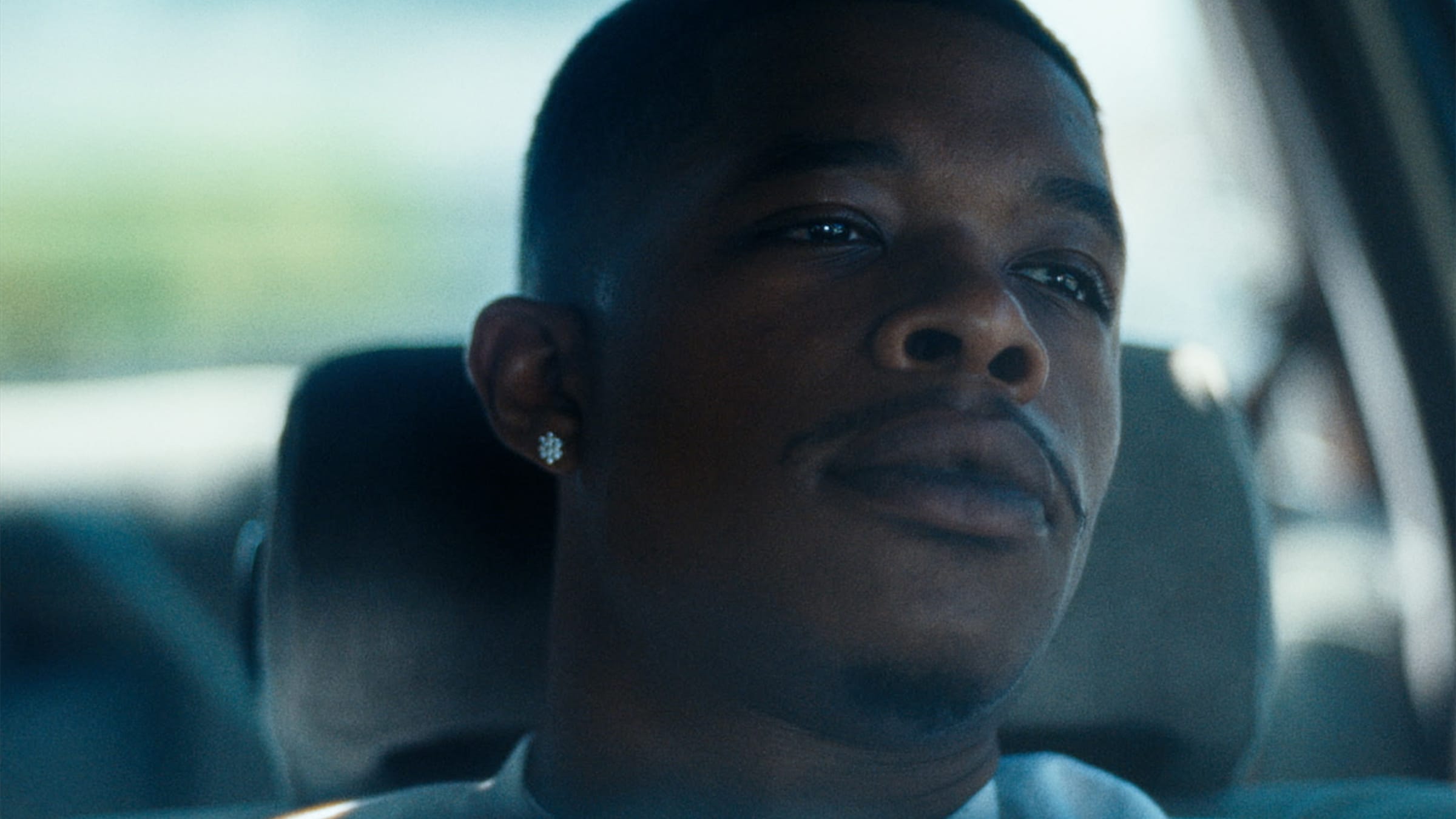
With a distinctive style that blends elements of realism and experimentation, Los Angeles native Dwyane LeBlanc explores themes that are deeply personal to him, including identity, distance, and responsibility. While speaking with him about his work, I discovered that the virtues that make him a bright light among his young generation of filmmakers surface quickly in conversation. He is naturally curious and speaks passionately about his craft. He is a thoughtful artist and a firm believer in intentionality, a quality that extends to his approach to camera placement and his richly detailed scripts. And his use of words, both in life and in his work, is never forced, so even a reference to Plato’s allegory of the cave is given a natural place in the flow of his characters’ conversations.
LeBlanc trained himself in filmmaking after he took a more active interest in the medium during college. He was later introduced to the work of Jean-Luc Godard, Federico Fellini, and Chantal Akerman, who expanded his idea of what cinema could be. He has also drawn inspiration from the photography of Joel Meyerowitz, the compositions of artist David Hammons, and the writing of Ralph Ellison. But LeBlanc’s vision is all his own; his acclaimed short films Civic (2022) and Now, Hear Me Good (2025) are rooted in his experience as a first-generation Caribbean American.
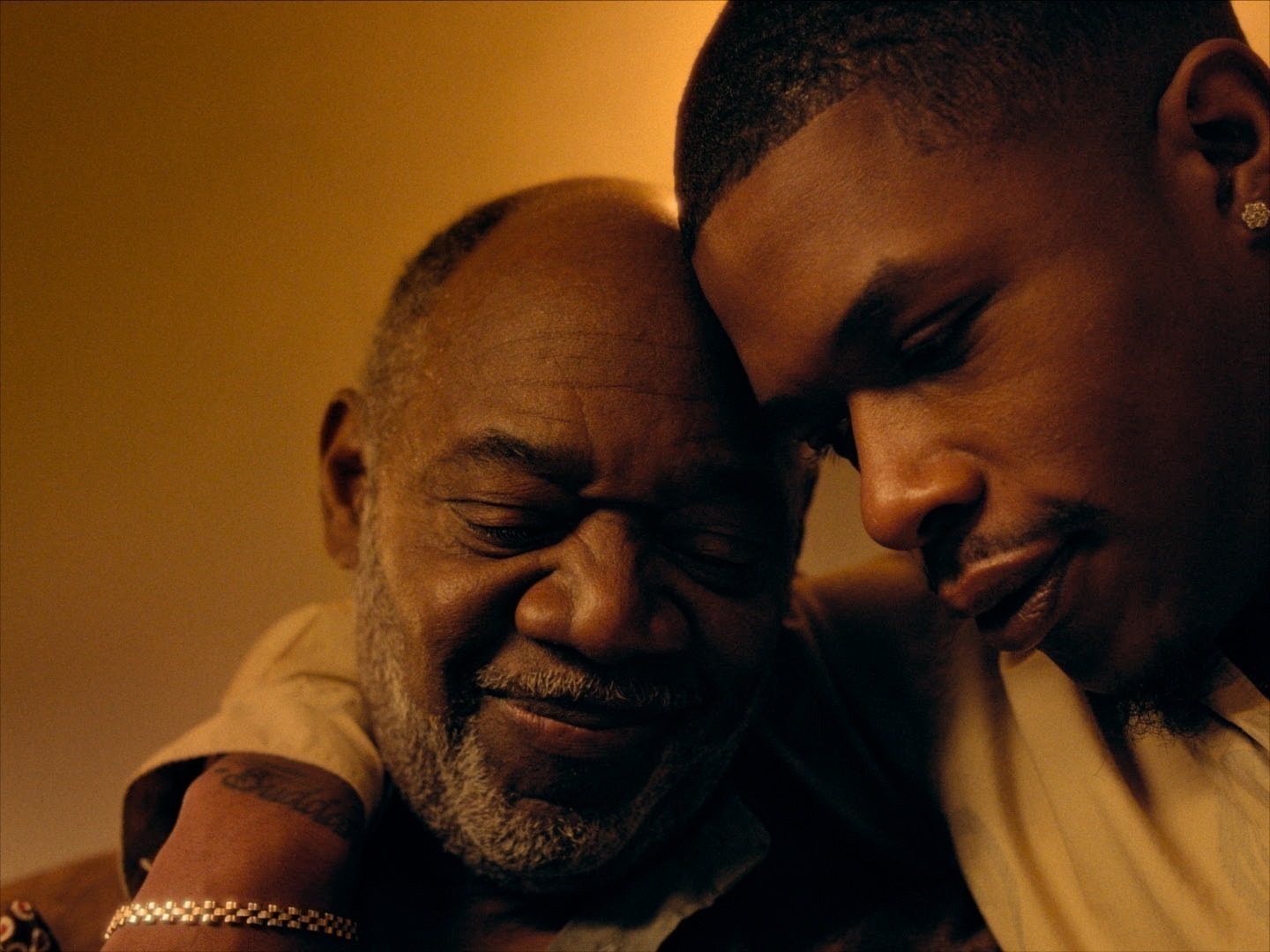
Civic, shot entirely from the inside of a car, follows a contemplative young man named Booker (Barrington Darius) as he returns to South Central Los Angeles after a period away from the city and grapples with the emotional remove he now feels from his hometown. Now, Hear Me Good finds Booker living abroad in an unspecified setting, still wrestling with feelings of disconnection. An interest in ambition, migration, and displacement unites the films—and those themes turn up again in LeBlanc’s forthcoming You Do Not Exist, the final part of what LeBlanc considers a trilogy. “Civic is about coming back, Now, Hear Me Good is about going away, and You Do Not Exist is about what it means when you stay,” he says. “The notion of civic duty is connected to all three, and I think it comes back to the idea of shame and guilt, and how they come about, whether you’re an immigrant or not.”
With Civic and Now, Hear Me Good streaming on the Criterion Channel, I spoke to LeBlanc about the personal experiences that shaped the films, his approach to his art form, and the relationship between physical and cultural proximity.


More: Interviews
Cinema as a Buddhist Practice: A Conversation with Khyentse Norbu
The Bhutanese director and leading Tibetan Buddhist teacher talks about his wide range of aesthetic influences, his experience working with Bernardo Bertolucci, and film’s connection to meditation.
“A Radical Democracy of Images”: Mike Mills on His Work Outside of Feature Filmmaking
The filmmaker looks back on the experiences that have shaped his creative life, including his time in art school, his work as a graphic designer and music-video director, and his early interest in documentary cinema.
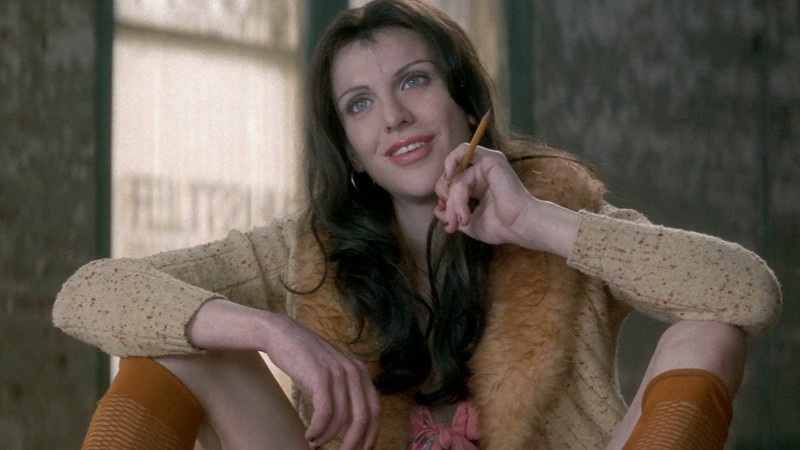
Courtney Love Looks Back on Her Life as a Movie Star
The beloved rock musician reflects on her formative experiences as an actor and her close collaborations with directors Miloš Forman and Alex Cox.
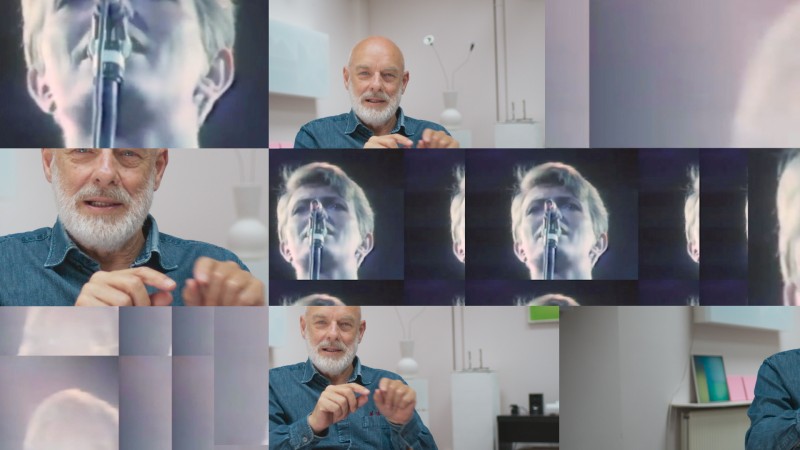
Art with a Life of Its Own: A Conversation with Gary Hustwit
The director behind such documentaries as Helvetica, Objectified, and Urbanized talks about his interest in how designers shape our world and explains the technological innovation at the heart of his new film about legendary musician Brian Eno.