Captain Blood: A Pirate Is Born
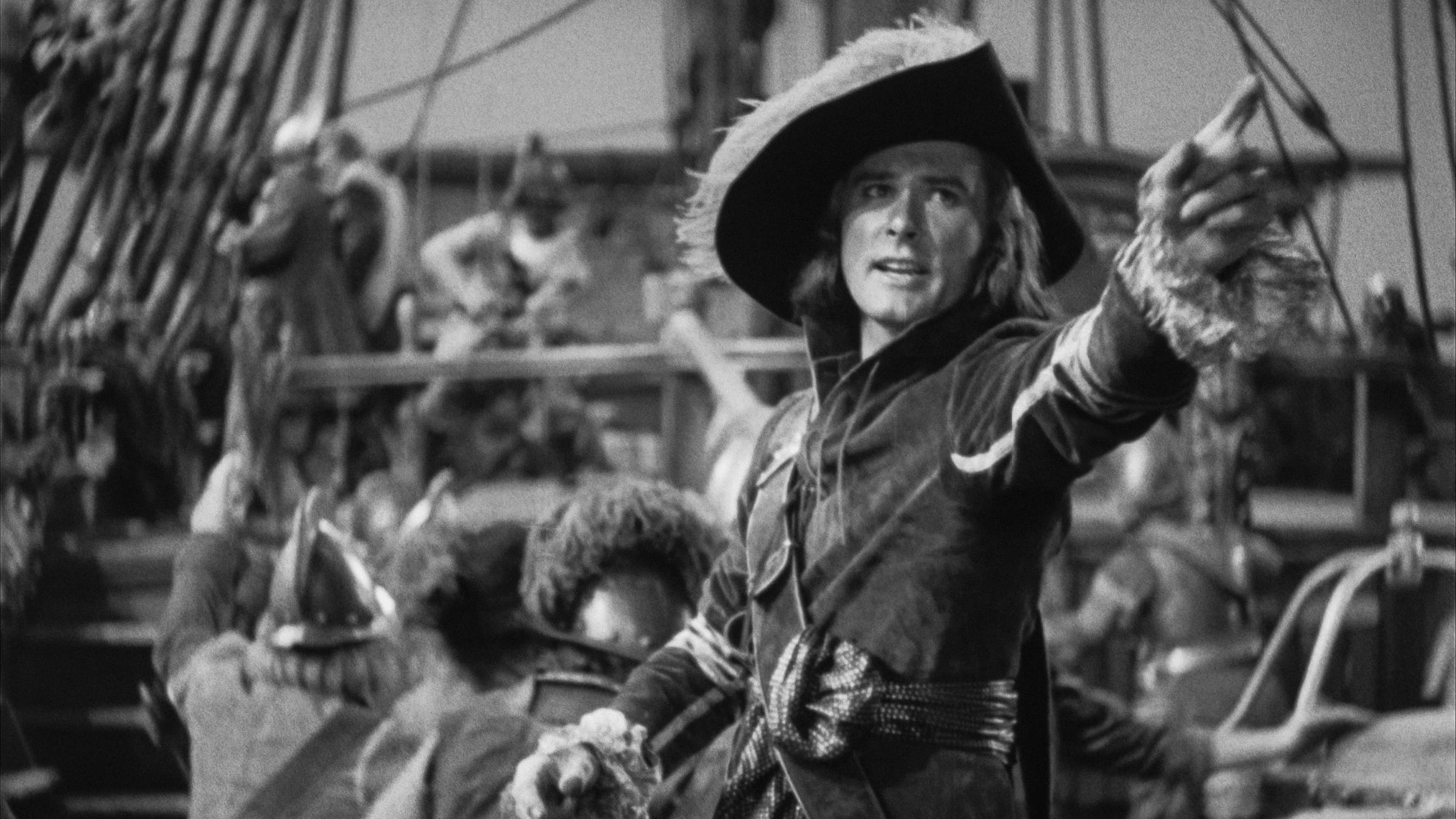
“Overnight star” is a phrase that’s not only hackneyed but frequently untrue. Yet for at least one legend of the studio era, the cliché comes close to reality. In early 1935, few people anywhere, even on the Warner Bros. lot, where he was a newly signed contract player, had heard of a good-looking young Australian named Errol Flynn. Fortunately for Flynn, Jack Warner had.
Warner rarely bestirred himself to lend a hand to, well, anyone. But in January, as Alan K. Rode wrote in his 2017 biography of Michael Curtiz, the mogul fired off a memo to producer Hal B. Wallis, who had so far been reluctant to use Flynn in a movie. Warner ordered Wallis to give Flynn a chance in The Case of the Curious Bride, a Perry Mason movie being directed by Curtiz. Wallis duly coughed up a part for the twenty-five-year-old—as the murder victim, with a grand total of about sixty seconds of screen time. Flynn might have been forgiven at that point for thinking his contract wasn’t amounting to much.
As for Curtiz, it’s doubtful that he gave Errol Flynn much thought at the time, one way or another. An ambitious man who ate, drank, slept, and breathed motion pictures to the point that he didn’t believe in lunch breaks and seemed to resent anyone going home, Curtiz was doing everything in his power to climb to a perch as one of Warner’s big-budget directors.
Meanwhile, elsewhere in Burbank, Olivia de Havilland had landed her own Warner contract by playing Hermia in A Midsummer Night’s Dream, a prestige picture directed by stage legend Max Reinhardt and William Dieterle. Unfortunately, prestige didn’t sell tickets, as audiences failed to show up in big numbers for the rather highbrow Dream. De Havilland found herself pitched into the baseball comedy Alibi Ike, as the love interest for comedian Joe E. Brown and his rubber grin. Brow-wise, this seemed to be going too far in the other direction.
But they say a week is a year in Hollywood—and a year can start a whole new era. By 1936, de Havilland would find herself the toast of the fan magazines, and Curtiz was in line for plum Warner projects. Even more astounding, Errol Flynn—the man who could barely get a part as a corpse—would be a star, his name an enduring synonym for swashbuckling excitement. One film was behind it all: Captain Blood, released in December 1935.
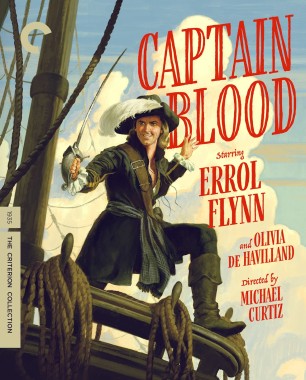
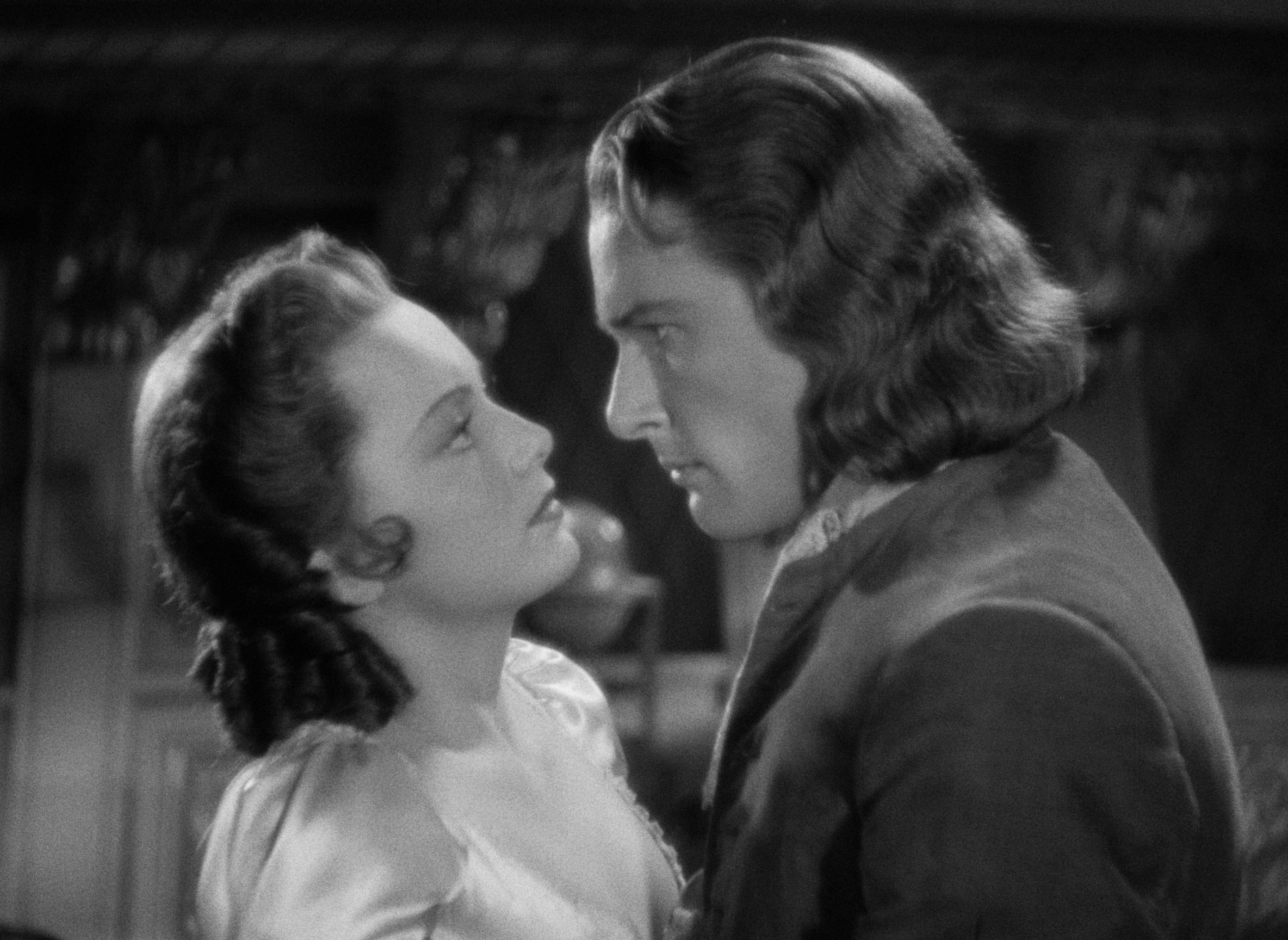
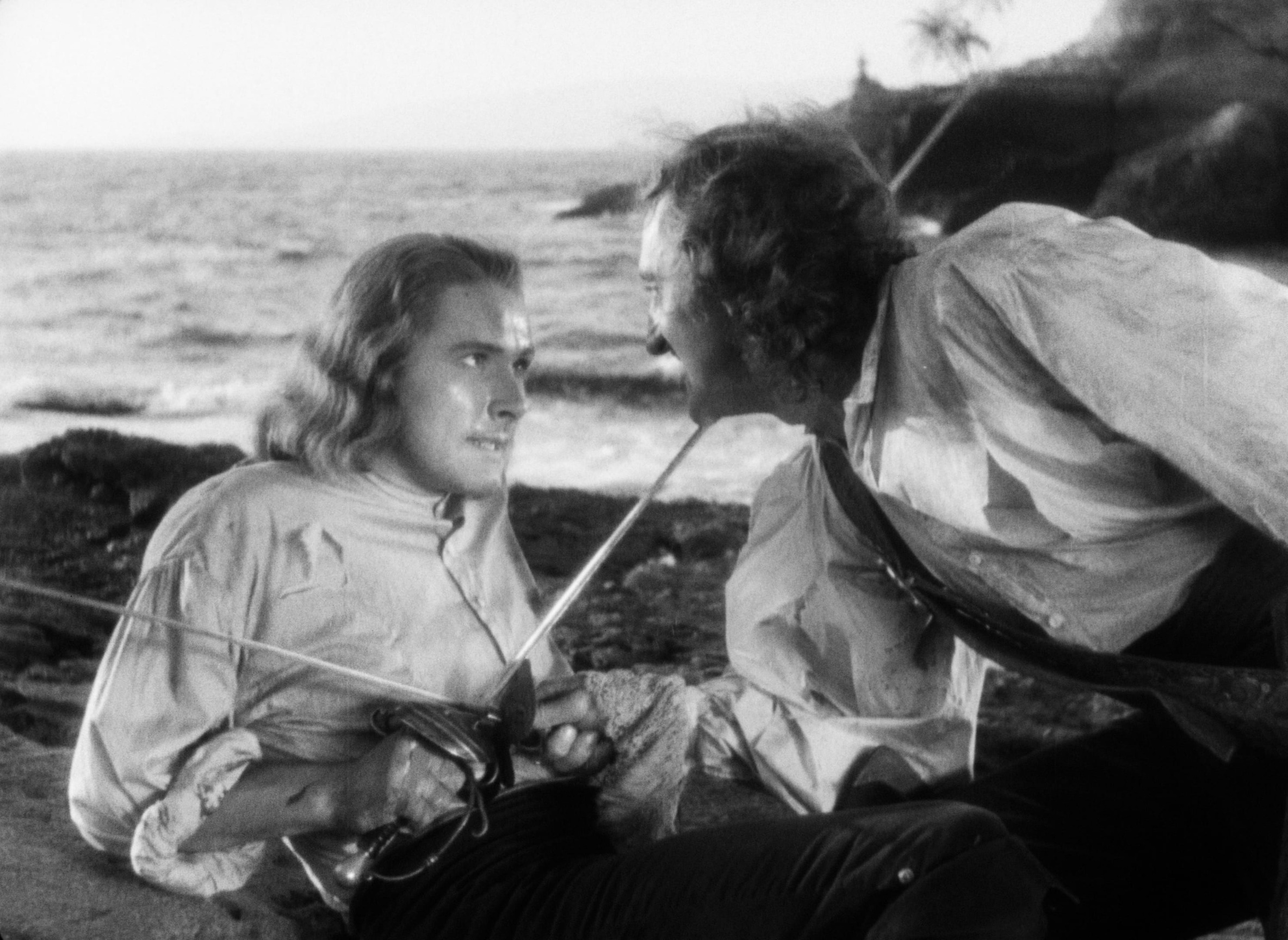
Based on the 1922 pirate novel by adventure-novelist supreme Rafael Sabatini, this movie was actually a remake, Vitagraph having released a silent Captain Blood in 1924. It was a landmark all the same, a smash hit that earned back nearly three times its cost and set Flynn, de Havilland, and Curtiz on course for a somewhat reluctant partnership that lasted through seven films. Captain Blood remains justly beloved to this day, a roaring adventure that shows the blazing talent of everyone involved.
More: Essays
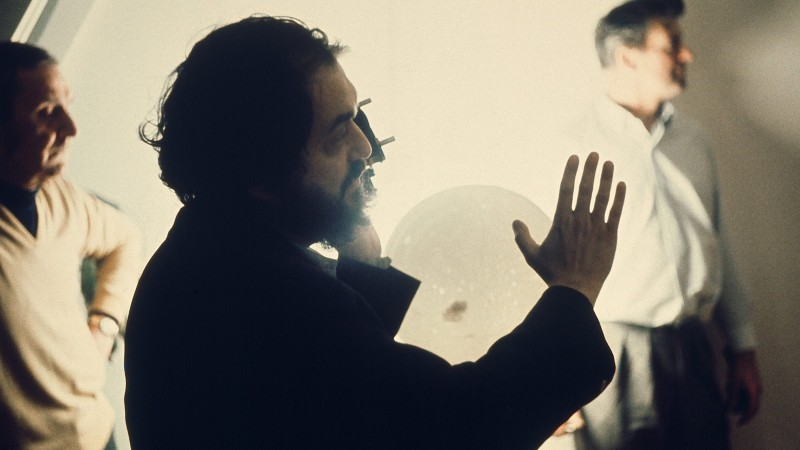
God Laughs: Stanley Kubrick’s Cinema
Throughout his enormously influential body of work, the great director explored the conflict between humankind’s obsession with control and our capacity for error and failure.

Christiane F.: Up Against the Wall
Uli Edel’s harrowing tale of youth rebellion is one of cinema’s greatest Berlin films, a visceral urban portrait that captures the city’s doom and decadence during the Cold War era.
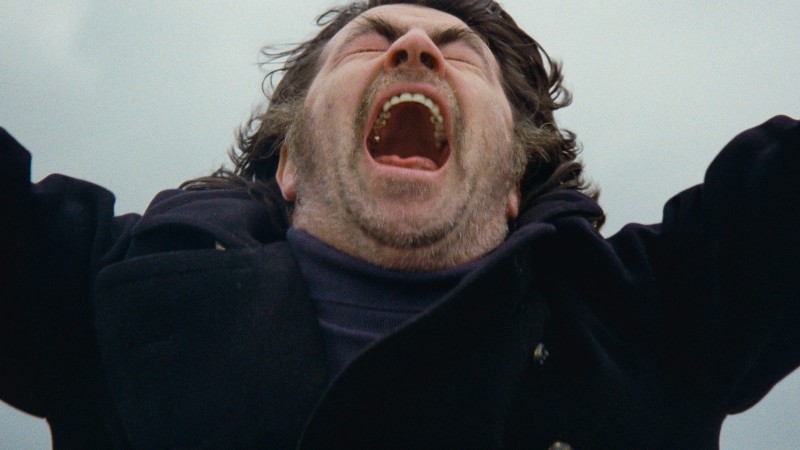
The Shout: Sound and Fury
Blending elements of psychological thriller, social satire, and psychedelic film, Jerzy Skolimowski’s Cannes-award-winning classic uses its audacious sound design to evoke the terror of English civilization.

Welcome II the Terrordome: The Future Is Furious
A dystopian drama that draws on the influences of African mythology and hip-hop, Ngozi Onwurah’s debut feature uses a mix of speculative forms to expose anti-Blackness as a system that underpins the modern world.