Salaam Bombay!: A View from the Streets
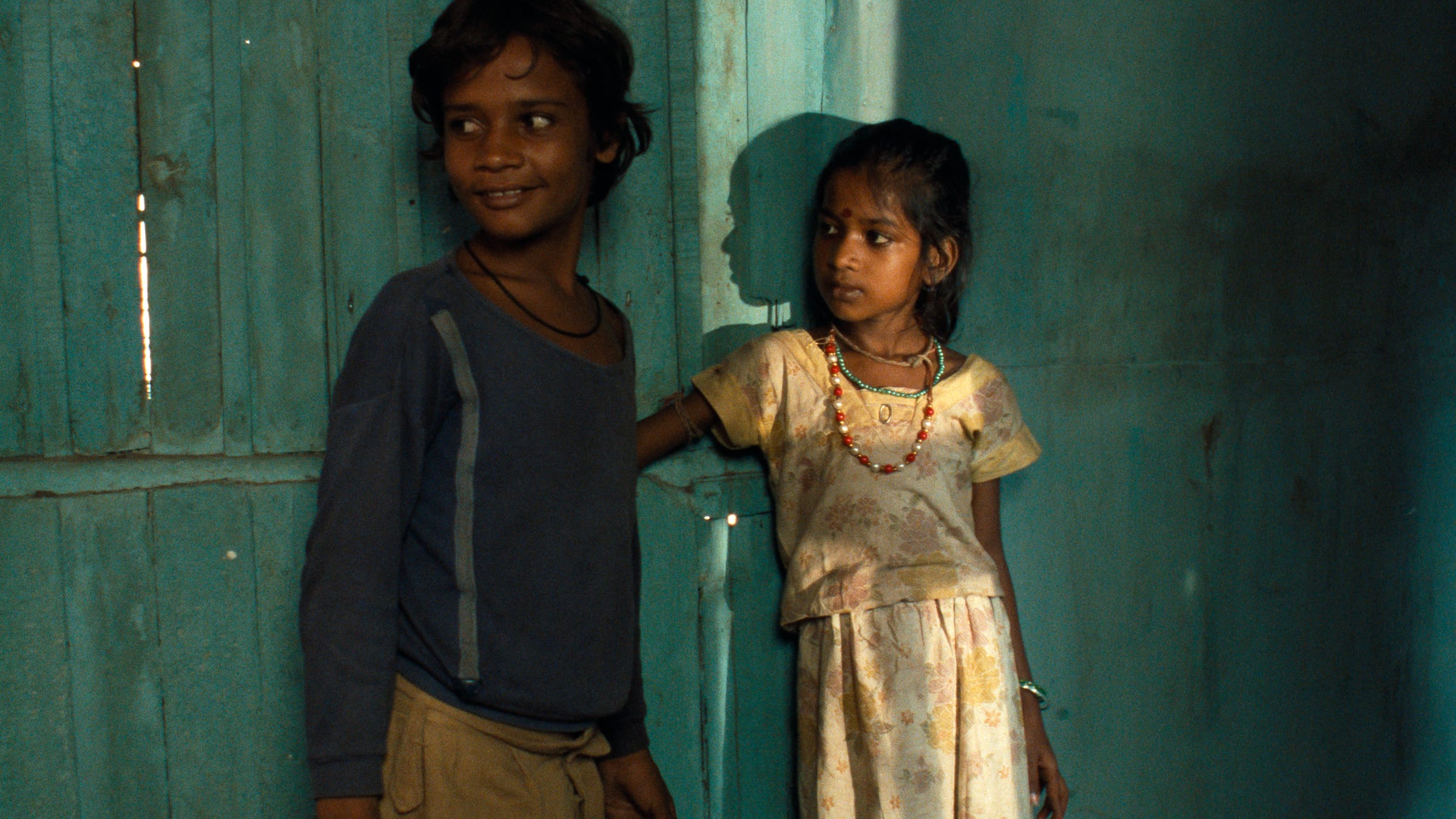
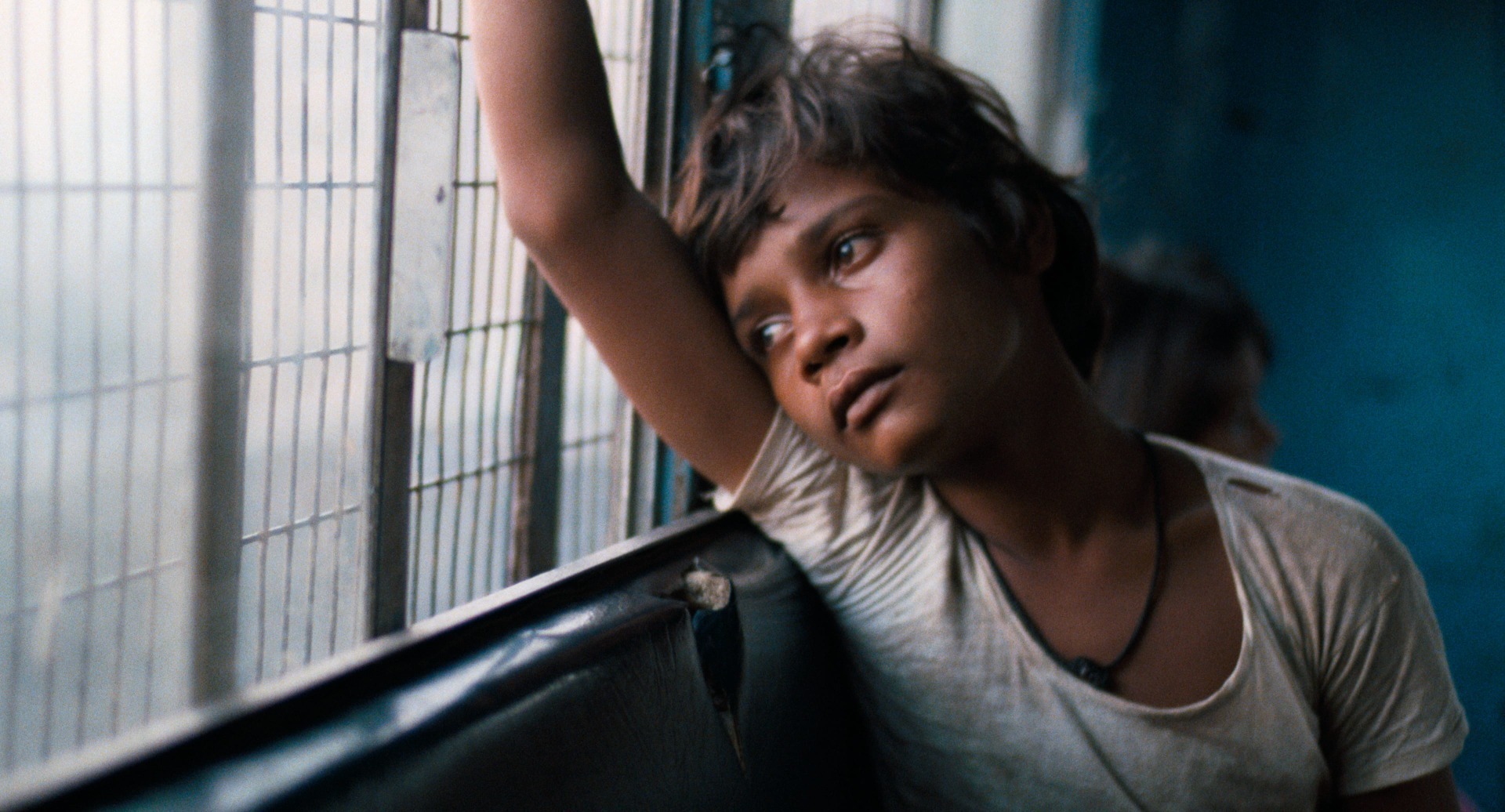
Mira Nair’s narrative feature debut, Salaam Bombay!, premiered in 1988 to incredible acclaim: it won the Caméra d’Or and the Audience Award at the Cannes Film Festival, garnered rave reviews in major newspapers, earned remarkable box-office grosses both in India and abroad, and was eventually nominated for an Academy Award. A drama about street urchins, drug peddlers, and sex workers getting by in India’s largest city, the film thrilled viewers with its exquisite naturalism, developed in part through location shooting and the use of nonprofessional actors from the area, with whom Nair had researched and collaborated for months.
But the film had its detractors too. Several Indian commentators took umbrage at the unfavorable portrayal of their country that Nair—a filmmaker “living in New York but still ripening her career on raw Indian themes,” as an editorial in the Times of India described her—was presenting to global audiences. “The fact that the Third World is afflicted with several ills is not news,” argued the Sunday Observer, dismissing the movie as a “mere exposition of the filth and suffering of humanity.” Even some laudatory articles in Western outlets evinced moral confusion: the San Francisco Chronicle’s otherwise glowing review noted that “one possible flaw” was that Salaam Bombay! presents a portrait so bereft of judgment that “the audience has less of a sense of what to make of all the ‘facts’ assembled.”
These criticisms say something about how we engage with cinema that depicts poverty. The shock of images of strife and destitution, especially from the Global South, is usually tempered by a narrative or an imperative that tells the viewer what to make of it all. To see such images while acknowledging not only that they are part of our shared world but also that they exist in relation to us can be unbearable. So most movies about the poor assure us that they are a means to an end—be it raising awareness, creating empathy, delivering a critique, or affirming platitudes about resilience in the face of suffering. But Salaam Bombay! is not a movie with a message. It’s a film of unflinching realism that offers no catharsis, and also of thrilling vitality that allows no pity. Nair’s gaze is unconditionally generous, taking in the world of her subjects in all its contradictions and complexity.

More: Essays
God Laughs: Stanley Kubrick’s Cinema
Throughout his enormously influential body of work, the great director explored the conflict between humankind’s obsession with control and our capacity for error and failure.

Christiane F.: Up Against the Wall
Uli Edel’s harrowing tale of youth rebellion is one of cinema’s greatest Berlin films, a visceral urban portrait that captures the city’s doom and decadence during the Cold War era.

The Shout: Sound and Fury
Blending elements of psychological thriller, social satire, and psychedelic film, Jerzy Skolimowski’s Cannes-award-winning classic uses its audacious sound design to evoke the terror of English civilization.
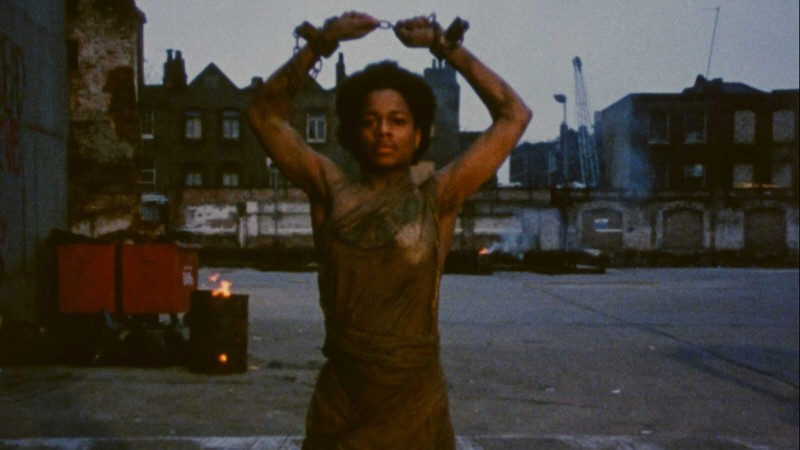
Welcome II the Terrordome: The Future Is Furious
A dystopian drama that draws on the influences of African mythology and hip-hop, Ngozi Onwurah’s debut feature uses a mix of speculative forms to expose anti-Blackness as a system that underpins the modern world.