Nightmare Alley: Born for It
In the fall of 2017, I happened to be in Toronto for a crime-fiction convention when I learned that the Art Gallery of Ontario was hosting a show of artworks and other objects related to Guillermo del Toro’s creative process. At Home with Monsters had previously exhibited at museums in Los Angeles and Minneapolis, and I couldn’t believe my luck that serendipity, or perhaps fate, had placed me in the city in tandem with a showcase devoted to one of the most inventive film directors currently at work.
My sense, after perusing the contents of At Home with Monsters, was severalfold. I wished for more, though what was present—including items from del Toro’s personal collection (such as Thomas Kuebler’s life-size Edgar Allan Poe sculpture) and materials from the making of his films (among them many elaborate costumes)—was a true testament to the director’s broad and deep interest in subjects high and low, in pulp and in literature, in horror in every medium imaginable. I better understood the psychological underpinnings of films like Pan’s Labyrinth (2006) and Crimson Peak (2015) and the thrill-ride menace of Hellboy (2004) and the Strain universe, encompassing novels (with crime writer Chuck Hogan), television, and comic books (written by David Lapham and illustrated by Mike Huddleston and Edgar Salazar). I wouldn’t know it until later, but the exhibition also prepared me for the sumptuous, scary pleasures of The Shape of Water, which would be released in the U.S. that December.
But I left the AGO thinking about one specific portion of the exhibition, an entire wall devoted to classic pulp comics. The display included the covers of many of del Toro’s own childhood favorites—not from his actual collection but on loan from the local comics store the Beguiling, and not only science fiction, fantasy, and horror but also crime and noir. My curiosity got the better of me: Would del Toro ever move into such nonspeculative genres, and if so, how would he go about it? After all, he had already collaborated with Hogan, whose bona fides were, and remain, in crime storytelling. In his work up to that point, del Toro had often reflected and refracted both the lush vision of Old Hollywood and the attention-grabbing of the B movies made alongside, and within, the studio system.
More: Essays
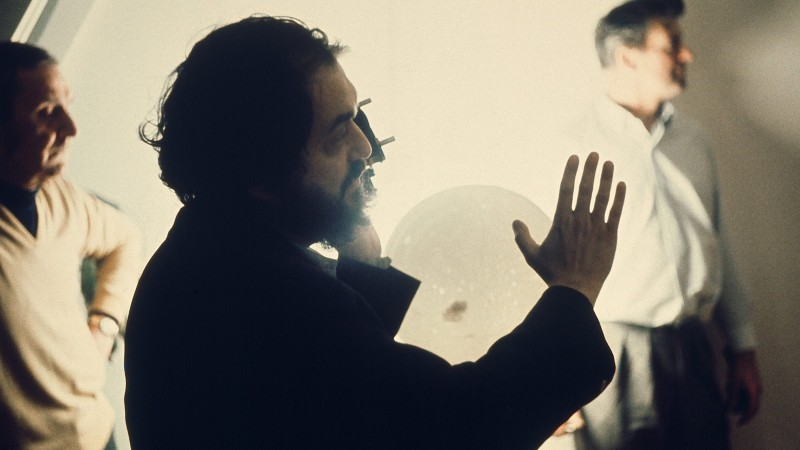
God Laughs: Stanley Kubrick’s Cinema
Throughout his enormously influential body of work, the great director explored the conflict between humankind’s obsession with control and our capacity for error and failure.

Christiane F.: Up Against the Wall
Uli Edel’s harrowing tale of youth rebellion is one of cinema’s greatest Berlin films, a visceral urban portrait that captures the city’s doom and decadence during the Cold War era.

The Shout: Sound and Fury
Blending elements of psychological thriller, social satire, and psychedelic film, Jerzy Skolimowski’s Cannes-award-winning classic uses its audacious sound design to evoke the terror of English civilization.
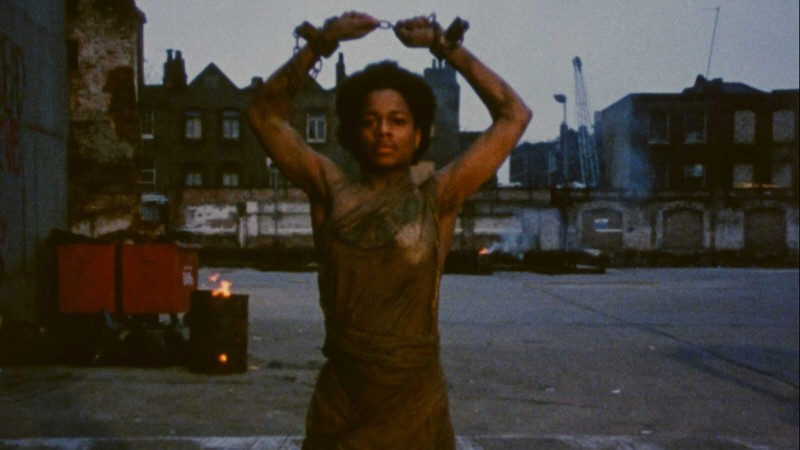
Welcome II the Terrordome: The Future Is Furious
A dystopian drama that draws on the influences of African mythology and hip-hop, Ngozi Onwurah’s debut feature uses a mix of speculative forms to expose anti-Blackness as a system that underpins the modern world.