This Is Spinal Tap: Stupid and Clever
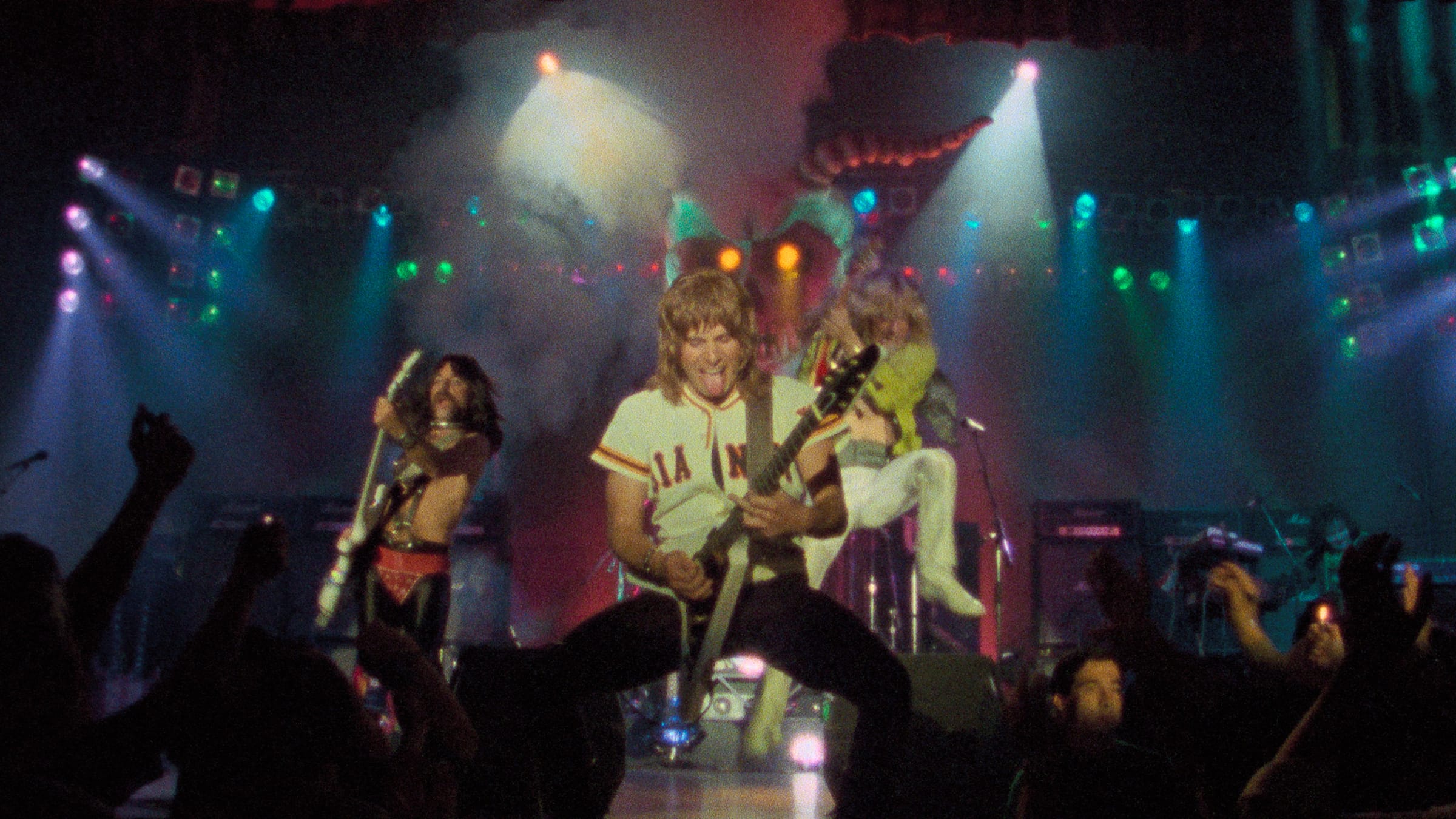
My favorite story about the fictional rock band Spinal Tap involves Liam Gallagher, the self-proclaimed (and intermittently self-aware) rock-and-roll star who, in the 1990s, founded the nonfictional Britpop group Oasis with his brother Noel. In 2001, when Tap cocreators Christopher Guest, Michael McKean, and Harry Shearer got back together to play live as Spinal Tap for the first time since 1992’s Break Like the Wind tour, the Gallaghers went to see them at Carnegie Hall in New York City. At showtime, Guest, McKean, and Shearer took the stage—in matching khaki-and-madras fifties nerdwear, opening for themselves as the Folksmen, the earnest Kingston Trio–esque characters they’d play in Guest’s then-forthcoming mockumentary A Mighty Wind (2003). For Liam Gallagher, this gave rise to a moment of great confusion, and then a rude awakening.
“We were laughing,” Noel later told comedian David Walliams in an interview, “and [Liam] said, ‘This is shit.’ We said: ‘No, those three are in Spinal Tap.’” Upon being informed, apparently for the very first time in his life, that Spinal Tap was actually made up of actor-comedians and not a real eighties heavy-metal band—and that aside from Guest, the American-born son of a titled English diplomat, they weren’t even British—Liam (according to Noel) said, “I’m not fuckin’ ’avin that,” marched up the aisle faster than a cannonball, and left the building. “He’s never watched Spinal Tap since,” Noel said.
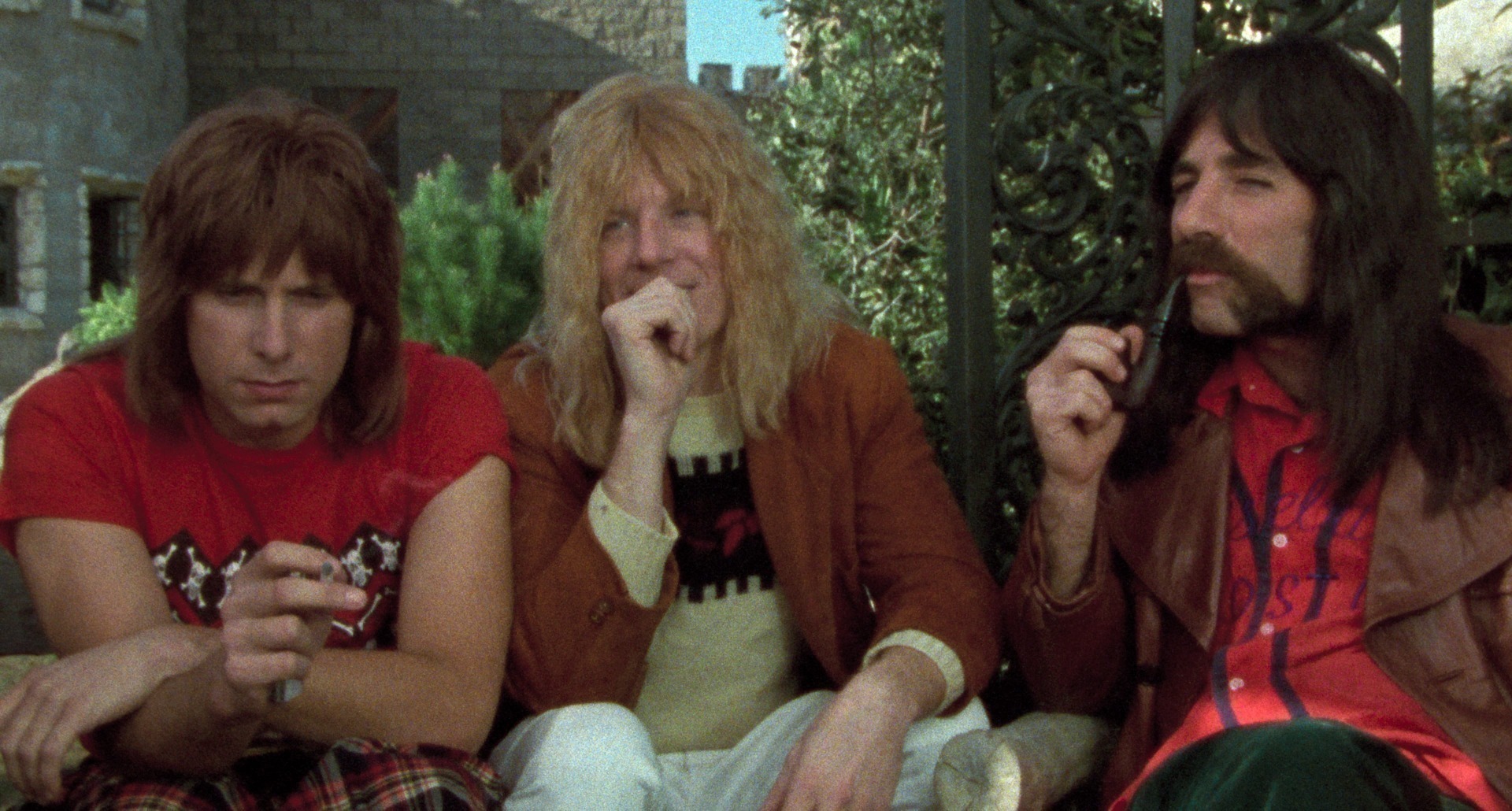
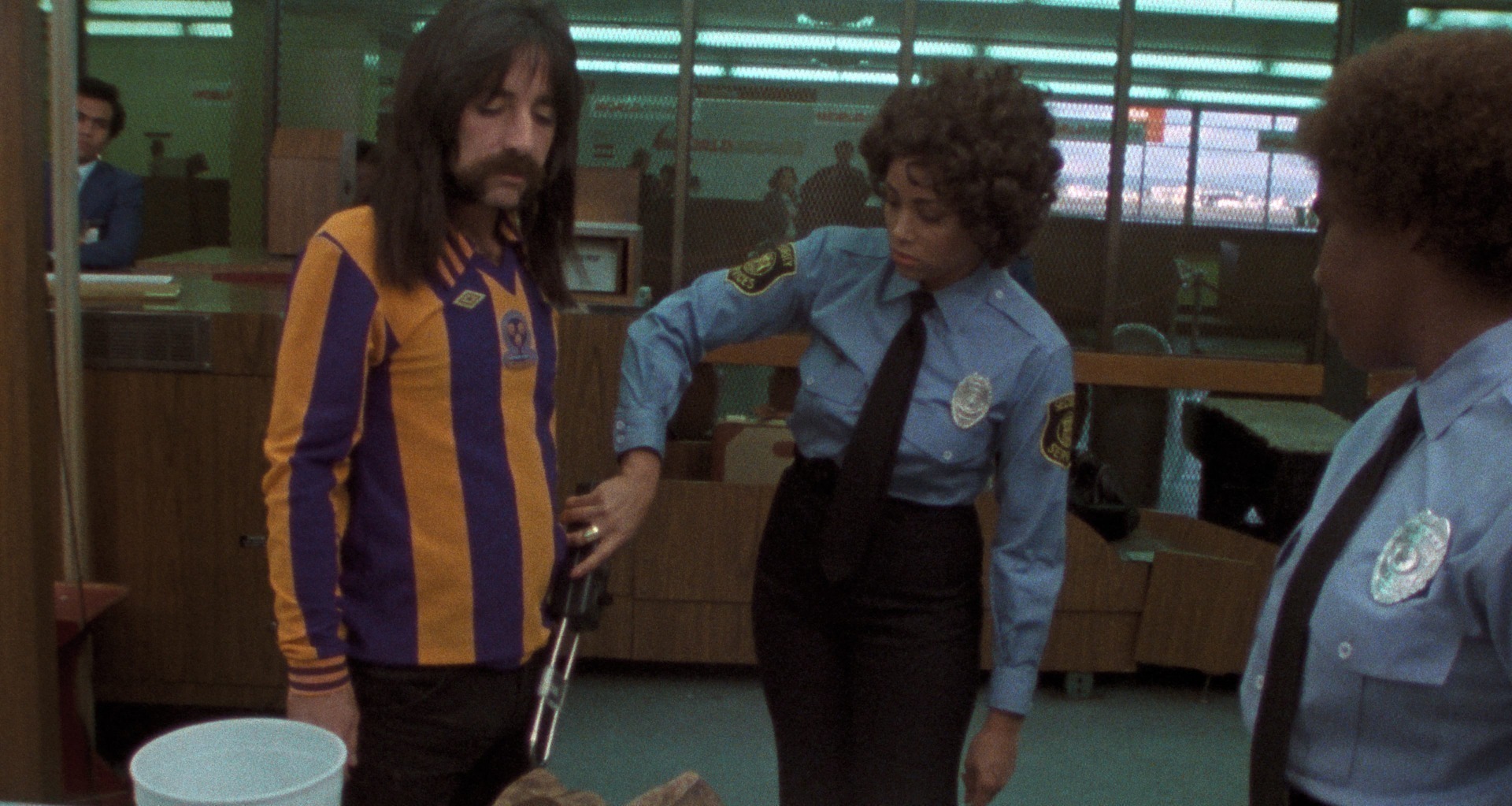
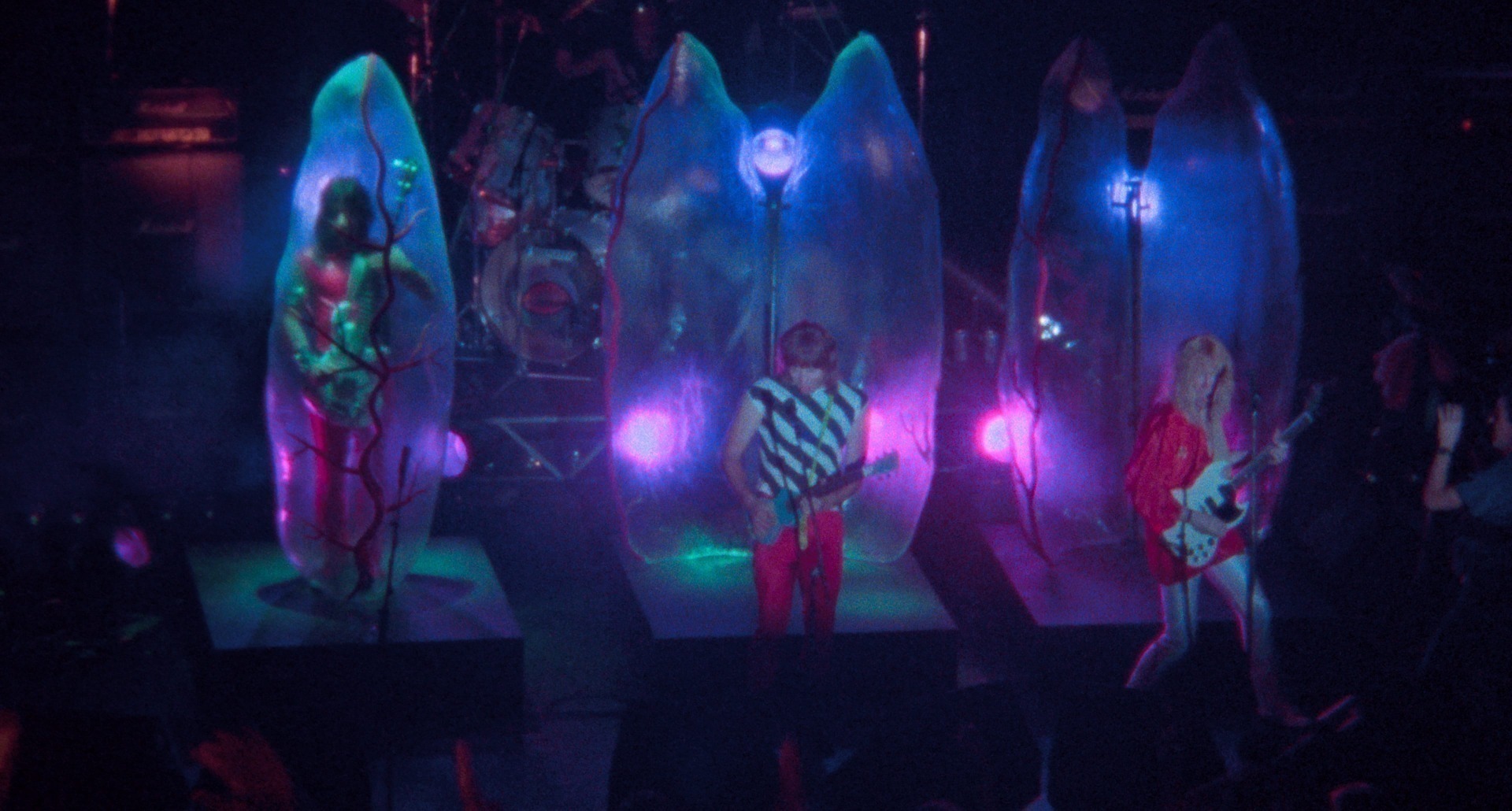
In This Is Spinal Tap (1984), TV-ad hack turned documentarian Marty DiBergi (Rob Reiner, whose feature directorial debut this was) follows leonine lead guitarist David St. Hubbins (McKean), Jeff Beck–esque co–front man Nigel Tufnel (Guest), and mercurial bassist Derek Smalls (Shearer) as they embark on an ill-fated comeback tour of the United States in support of their equally ill-fated new album, Smell the Glove. It’s possible to imagine Liam Gallagher watching this movie without ever twigging to the ersatz nature of the whole enterprise, despite the presence in the supporting cast of now-famous actors like Billy Crystal, Fran Drescher, and Reiner himself. (Crystal, to be fair, plays a cater-waiter who’s also a mime—alongside a young Dana Carvey—so he’s under a lot of makeup the whole time.) It’s even possible that, despite having done The Late Show with David Letterman four times with Oasis between 1995 and 2000, Gallagher still failed to recognize Letterman bandleader Paul Shaffer playing obsequious promo man Artie Fufkin. But what I love most about the Carnegie Hall story is that, in order to believe that it’s true, you have to believe that Gallagher also watched the Performance segments of This Is Spinal Tap—the most over-the-top and obviously satirical parts of the movie, in which Guest, McKean, and Shearer sing songs that fall pretty definitively on the “stupid” side of the fine line between stupid and clever, like “Hell Hole,” “Tonight I’m Gonna Rock You Tonight,” and “Big Bottom” (“The looser the waistband / The deeper the quicksand / Or so I have read”)—and still assumed he was watching a real documentary about an actual band.
More: Essays
God Laughs: Stanley Kubrick’s Cinema
Throughout his enormously influential body of work, the great director explored the conflict between humankind’s obsession with control and our capacity for error and failure.

Christiane F.: Up Against the Wall
Uli Edel’s harrowing tale of youth rebellion is one of cinema’s greatest Berlin films, a visceral urban portrait that captures the city’s doom and decadence during the Cold War era.
The Shout: Sound and Fury
Blending elements of psychological thriller, social satire, and psychedelic film, Jerzy Skolimowski’s Cannes-award-winning classic uses its audacious sound design to evoke the terror of English civilization.
Welcome II the Terrordome: The Future Is Furious
A dystopian drama that draws on the influences of African mythology and hip-hop, Ngozi Onwurah’s debut feature uses a mix of speculative forms to expose anti-Blackness as a system that underpins the modern world.