The Iron Chef: A Conversation with Ougie Pak
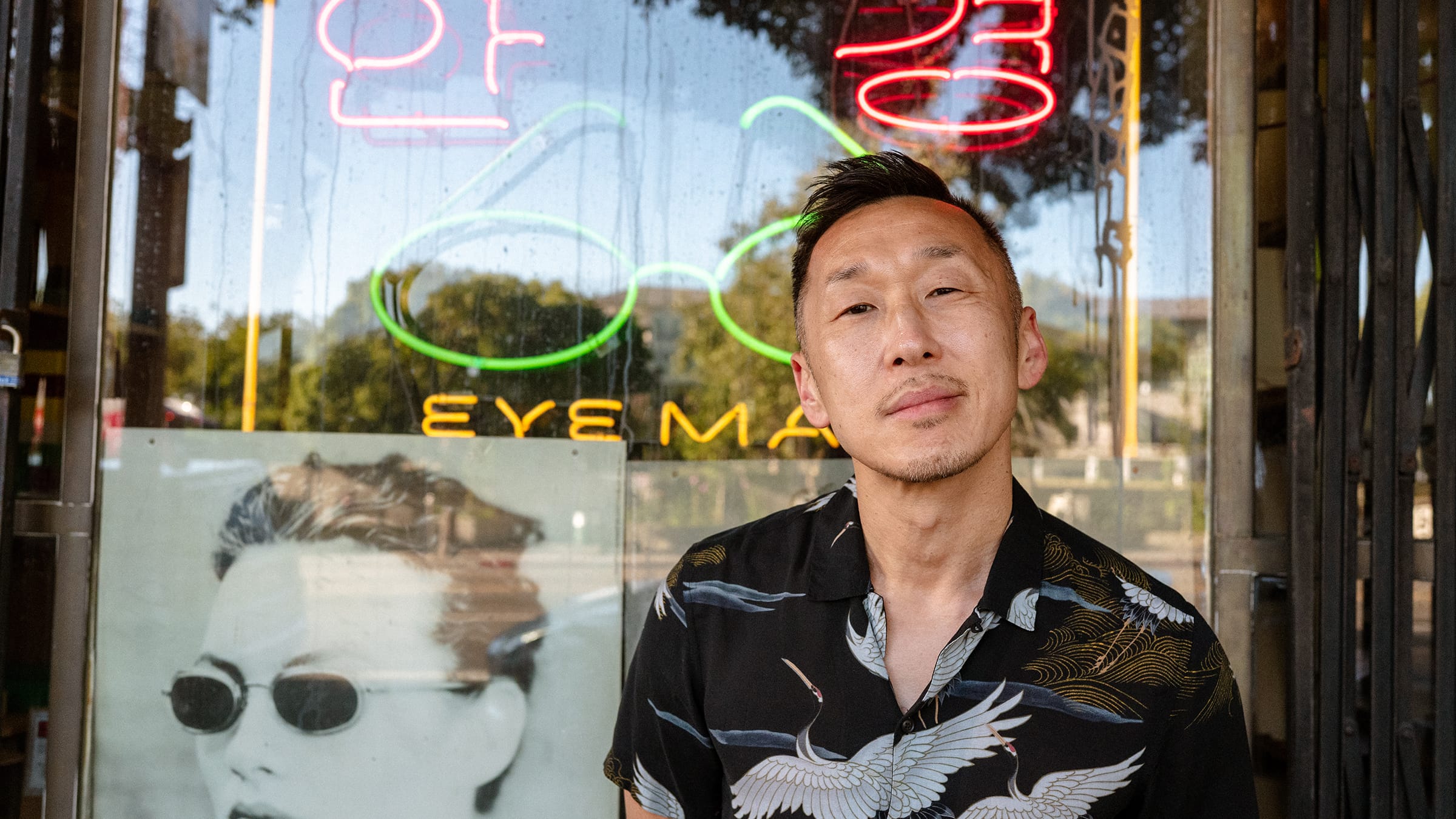
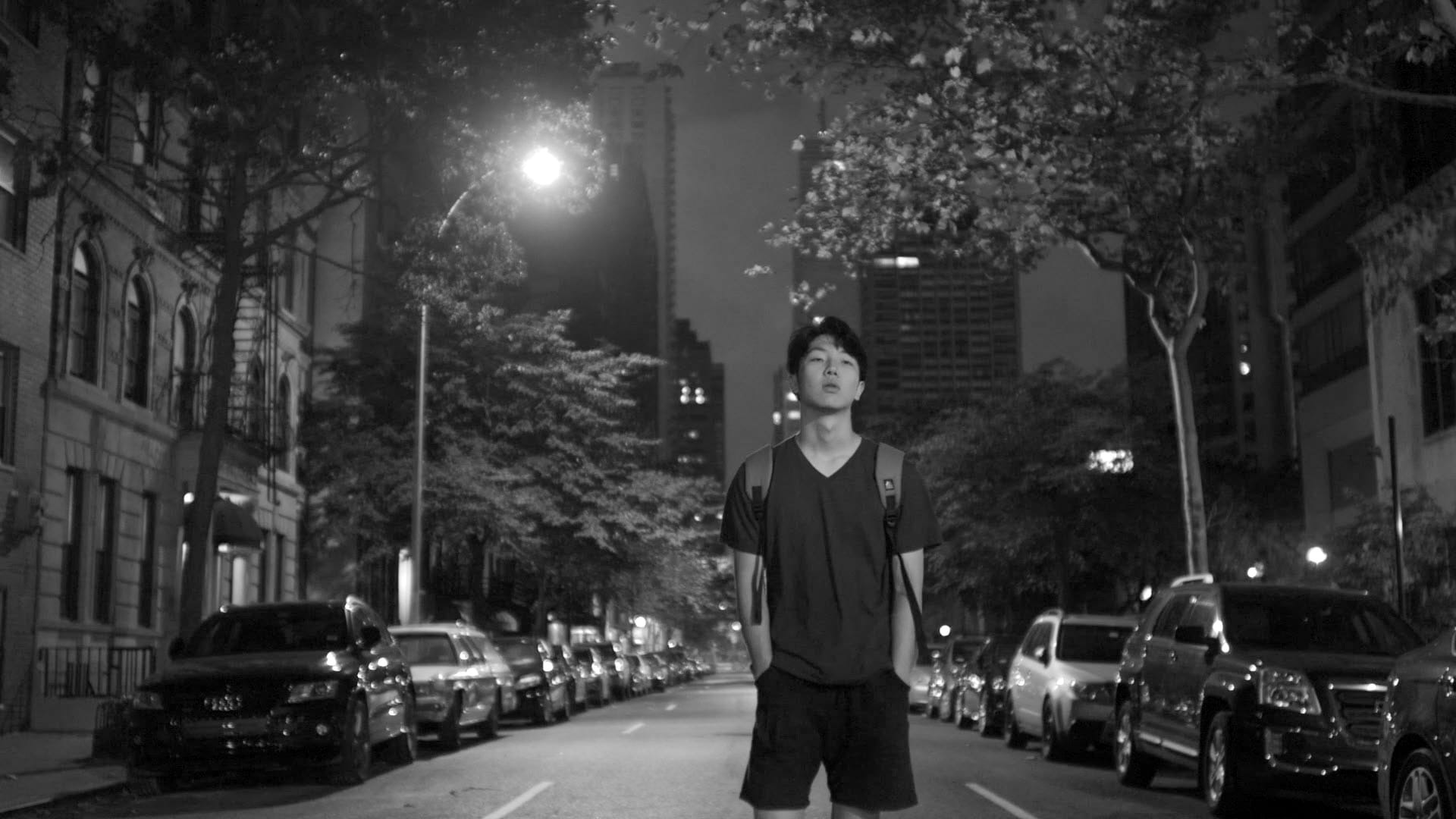
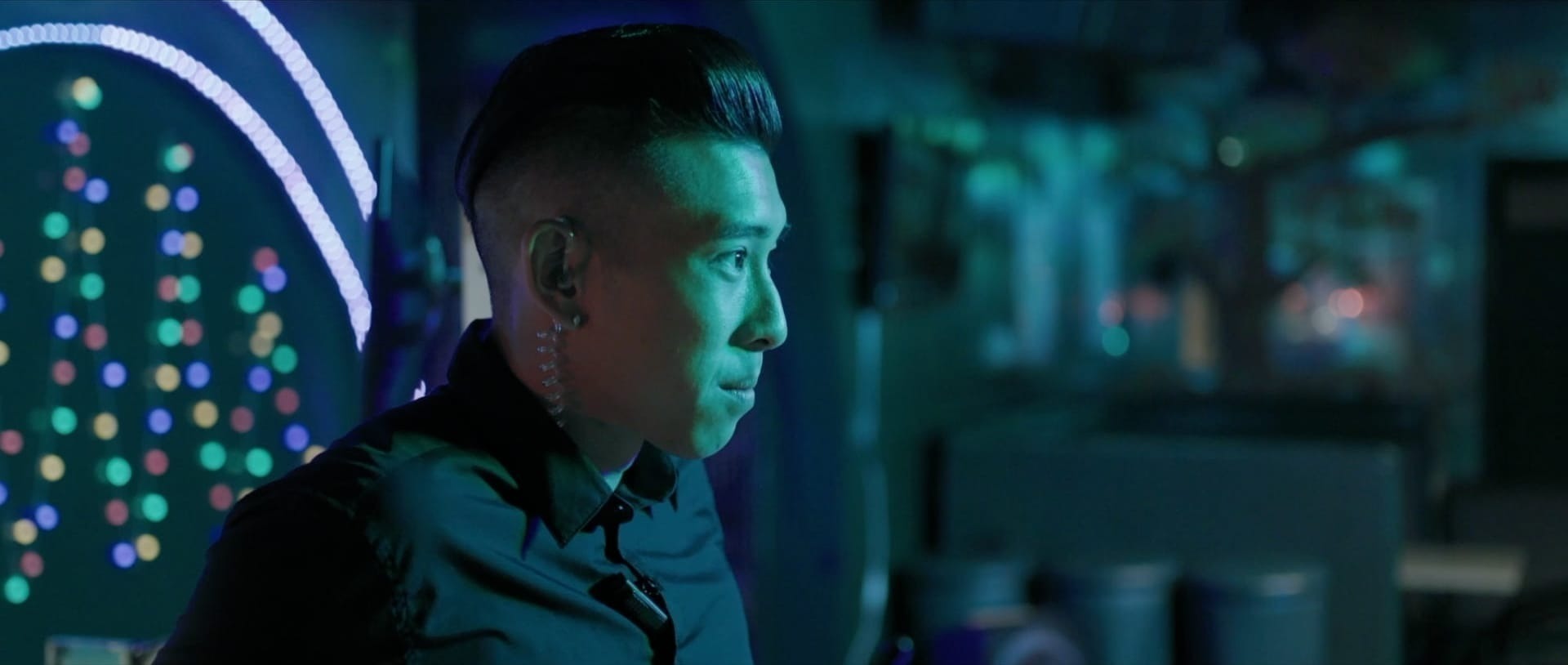
What is a “real” film? I ask myself this question a few times during my conversation with South Korea–born, bicoastal filmmaker Ougie Pak as he tells me, with more than a hint of self-deprecation, that he has not made one, but hopes to fix that soon. To Pak, a real film is one where you “need financing, or casting famous people and all that,” and yet he’s managed to make three accomplished films—two midlength and one feature—without any of those things. Though he good-naturedly rankles at the Letterboxd users who tell him they wish his films were longer (“If you want to give me more money, I’ll make it longer!”), he proudly touts the scrappy ingenuity it took to make them—the sadly sweet coming-of-age tale Sunrise/Sunset (2019), the Greek-tragedy-inspired backstage drama Clytaemnestra (2021), and the nightlife-tinged tainted romance Red Card (2023)—with next to nothing.
Speaking with Pak it’s clear he’s a natural storyteller—the saga of how he made each film is almost as fascinating as the films themselves—and has an irrepressible passion for his craft, which was first forged in the rich tradition of stealing shots in the cavities of New York City, and grown through a practice of taking even the most unusual or challenging opportunities and turning them into singular, deeply felt art. On the occasion of his films coming to the Criterion Channel, he reflects on how he got to this point in his career: “Some people are just motherfuckers. It’s not about how big they are, how strong they are, there’s this next-level thing they have. They are unstoppable forces of nature. That’s not even to say that I’m a motherfucker, but I try to be, because otherwise I would have quit a long time ago.”



More: Interviews
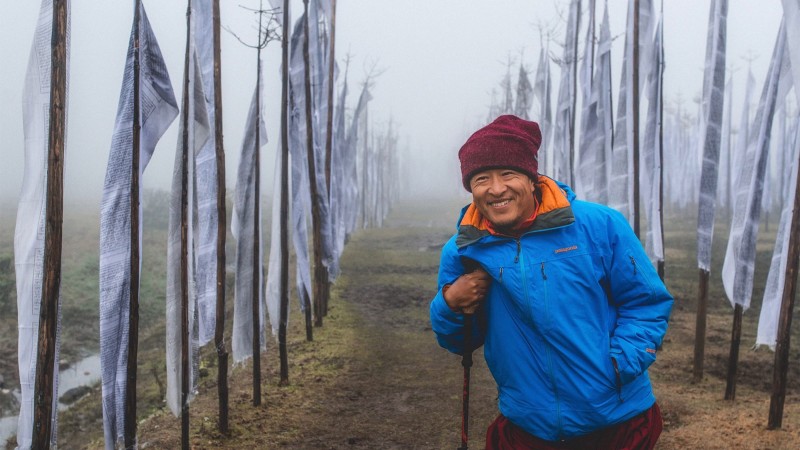
Cinema as a Buddhist Practice: A Conversation with Khyentse Norbu
The Bhutanese director and leading Tibetan Buddhist teacher talks about his wide range of aesthetic influences, his experience working with Bernardo Bertolucci, and film’s connection to meditation.
“A Radical Democracy of Images”: Mike Mills on His Work Outside of Feature Filmmaking
The filmmaker looks back on the experiences that have shaped his creative life, including his time in art school, his work as a graphic designer and music-video director, and his early interest in documentary cinema.
Courtney Love Looks Back on Her Life as a Movie Star
The beloved rock musician reflects on her formative experiences as an actor and her close collaborations with directors Miloš Forman and Alex Cox.
Art with a Life of Its Own: A Conversation with Gary Hustwit
The director behind such documentaries as Helvetica, Objectified, and Urbanized talks about his interest in how designers shape our world and explains the technological innovation at the heart of his new film about legendary musician Brian Eno.