The Banality of Apartheid: A Conversation with Milisuthando Bongela
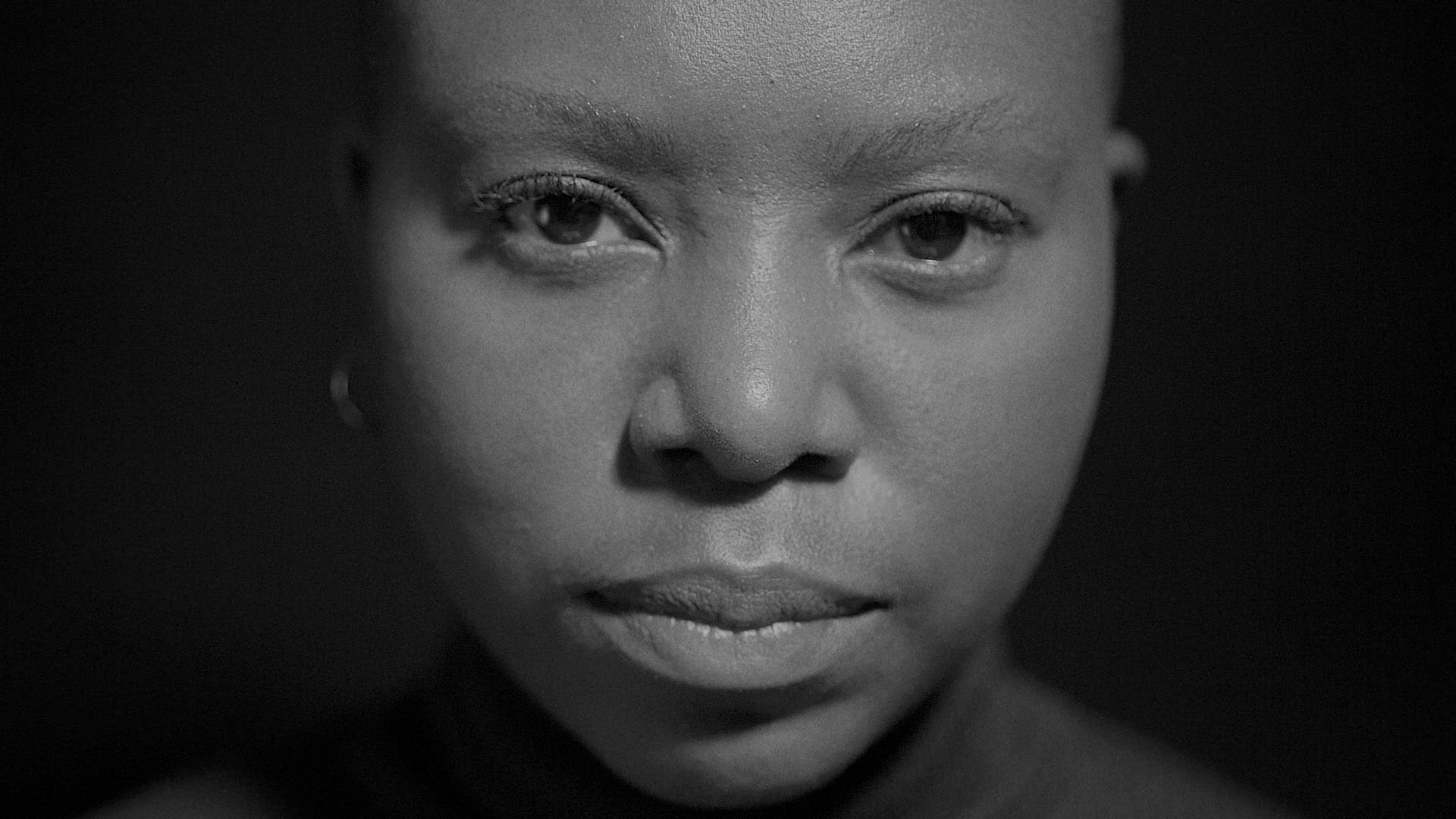
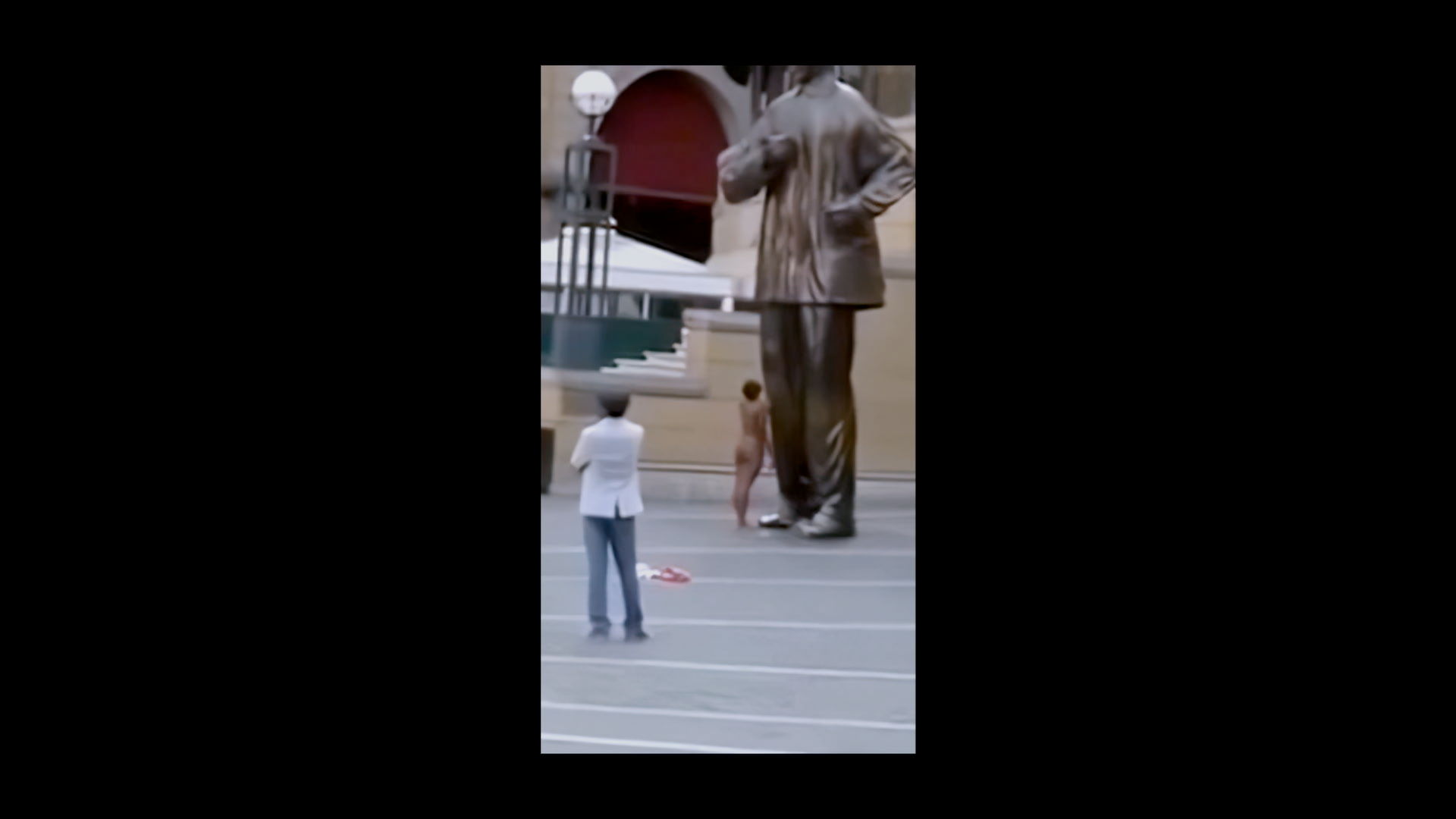
Milisuthando—the debut documentary feature of filmmaker, writer, and poet Milisuthando Bongela—opens with pixelated footage of an unknown Black South African woman standing naked before a giant bronze statue of Nelson Mandela in 2014. The image cuts to an intertitle in which Bongela tells us that she cannot “draw a straight line” between this footage and the questions of self and country that it inspired in her. But the film—an enigmatic journey through Bongela’s memories of apartheid and its aftermaths—embodies a certain nakedness in its personal storytelling and emotional honesty that lend the opening image a haunting resonance. It is as if the film, like the woman, is looking up to the totemic figure of Mandela and his promise of a postracial South Africa with a world-weary and wary embrace.
What makes Bongela’s story distinct from many other apartheid narratives is not only that she was still a child when the regime fell, but that up until that point she had been raised in a place that some considered a Black utopia and others a colonial gambit. South Africa’s National Party—which consisted of descendants of Dutch, German, and French settlers known as Afrikaners—formally introduced apartheid in 1948 to codify and legalize long-held racist and segregationist practices. It also introduced a series of legislation—including the Group Areas Act of 1950 and the Natives Resettlement Act of 1954—that created formal Bantustans, or “homelands,” for Black South Africans. While some who led and inhabited these Bantustans saw them as both a welcome reprieve from white racism and an opportunity for a thriving Black nationhood, others regarded them as an attempt to strip Black people of their South African citizenship and further entrench Afrikaner rule over the country.
Bongela was born in one such Bantustan, the Transkei. Though it was one of the larger and more developed Black independent states, it has been overshadowed in South Africa’s histories of apartheid, likely because it was actively opposed by the anti-apartheid forces and never recognized by any international governing body. The Transkei was dissolved, along with the other Bantustans, at apartheid’s end, with the election of Mandela and the African National Congress (ANC) in 1994.


More: Interviews
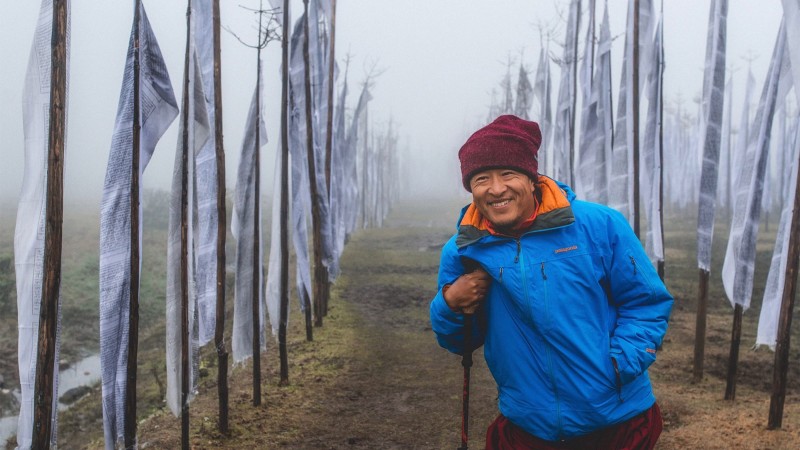
Cinema as a Buddhist Practice: A Conversation with Khyentse Norbu
The Bhutanese director and leading Tibetan Buddhist teacher talks about his wide range of aesthetic influences, his experience working with Bernardo Bertolucci, and film’s connection to meditation.
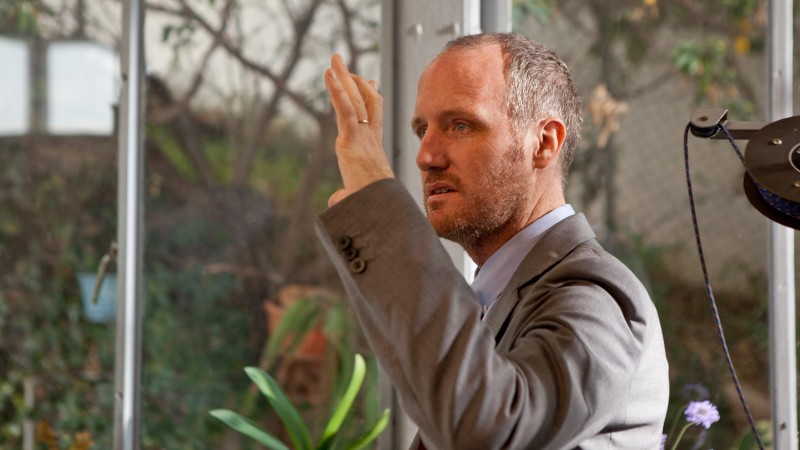
“A Radical Democracy of Images”: Mike Mills on His Work Outside of Feature Filmmaking
The filmmaker looks back on the experiences that have shaped his creative life, including his time in art school, his work as a graphic designer and music-video director, and his early interest in documentary cinema.
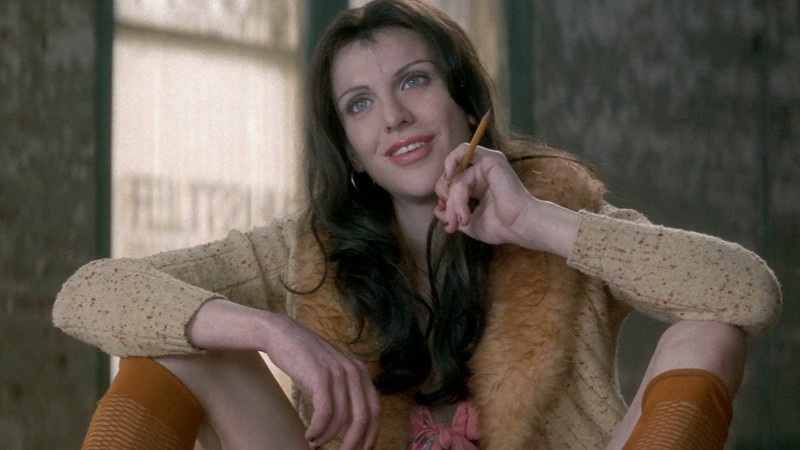
Courtney Love Looks Back on Her Life as a Movie Star
The beloved rock musician reflects on her formative experiences as an actor and her close collaborations with directors Miloš Forman and Alex Cox.
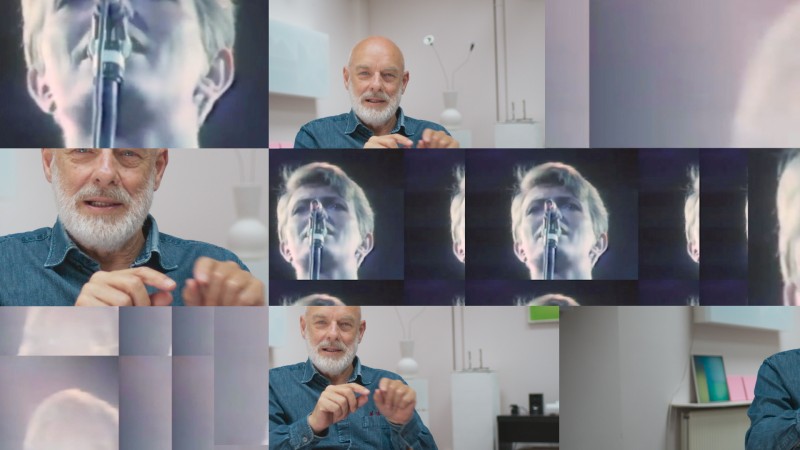
Art with a Life of Its Own: A Conversation with Gary Hustwit
The director behind such documentaries as Helvetica, Objectified, and Urbanized talks about his interest in how designers shape our world and explains the technological innovation at the heart of his new film about legendary musician Brian Eno.