Thirty Two Short Films About Glenn Gould: The Idea of Gould
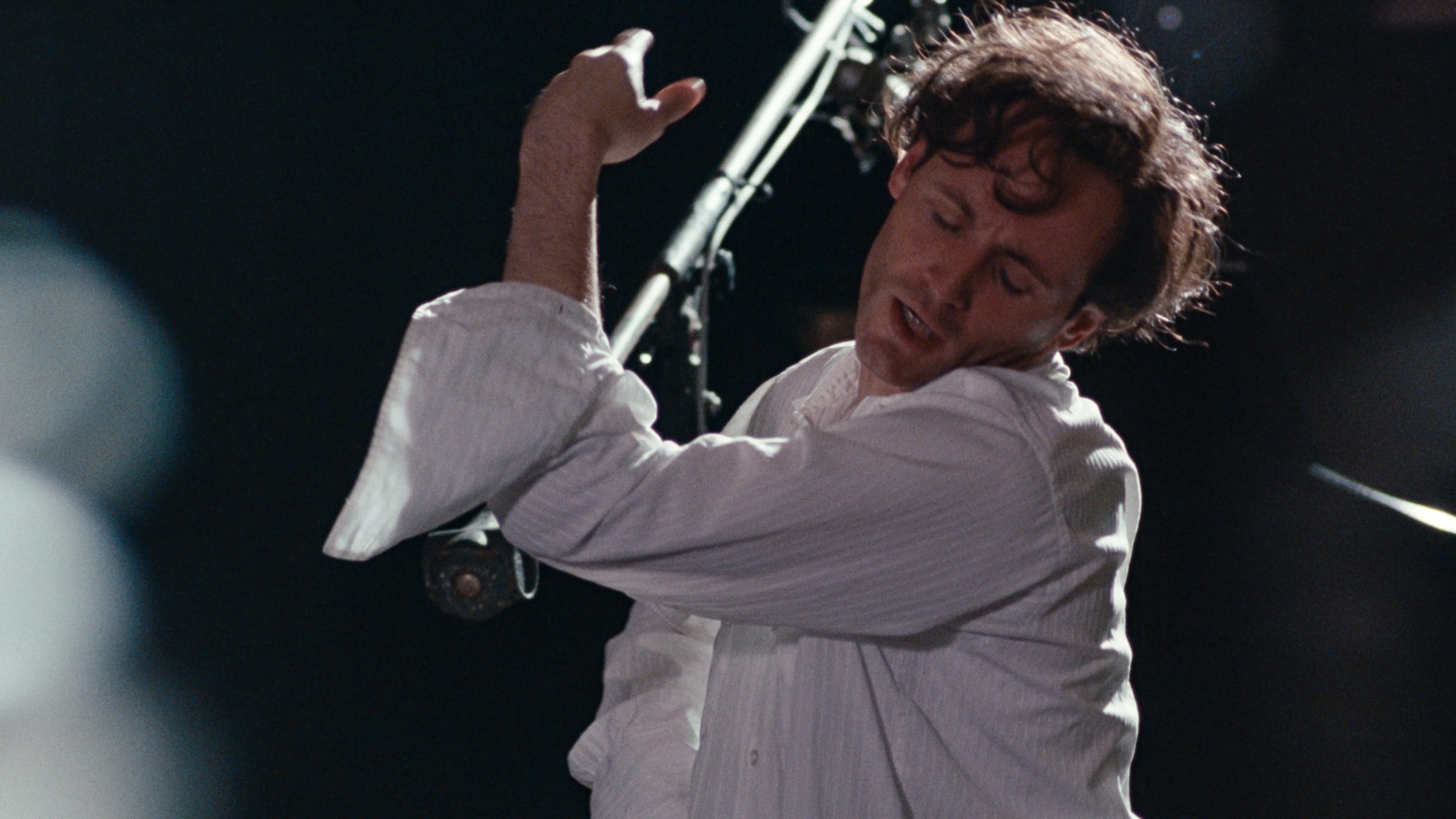
In a CBS television concert broadcast in 1960, conductor and affable host Leonard Bernstein prefaced the appearance of pianist Glenn Gould, waiting in the wings to perform Bach’s Concerto No. 1 in D Minor, with a brief excursus on music notation. Bach, as Bernstein reminds viewers, gave little indication on the page of how his compositions should be played. To interpret Bach’s intentions, says Bernstein, “We must study the whole work, get to know its insides, and then draw our conclusions. So, Glenn Gould must decide, and I as his accompanist must decide with him, all kinds of matters of tempo and phrasing and everything else that we feel necessary to convey Bach’s deepest musical meanings to you, the listener.”
When Gould finally appears on-screen to offer his interpretation, with Bernstein’s orchestra in ferocious, staccato-style accompaniment, the twenty-seven-year-old wunderkind is a vision of tightly coiled showmanship: back hunched in intense concentration, shoulders bursting up on beat like popping corn, lips involuntarily moving along with the melody and rhythm while those majestically long fingers glide across the keys. There’s no doubt that Gould has found his Bach concerto, as Bernstein promised, “based on his own judgments, instincts, and highly individual personality.”
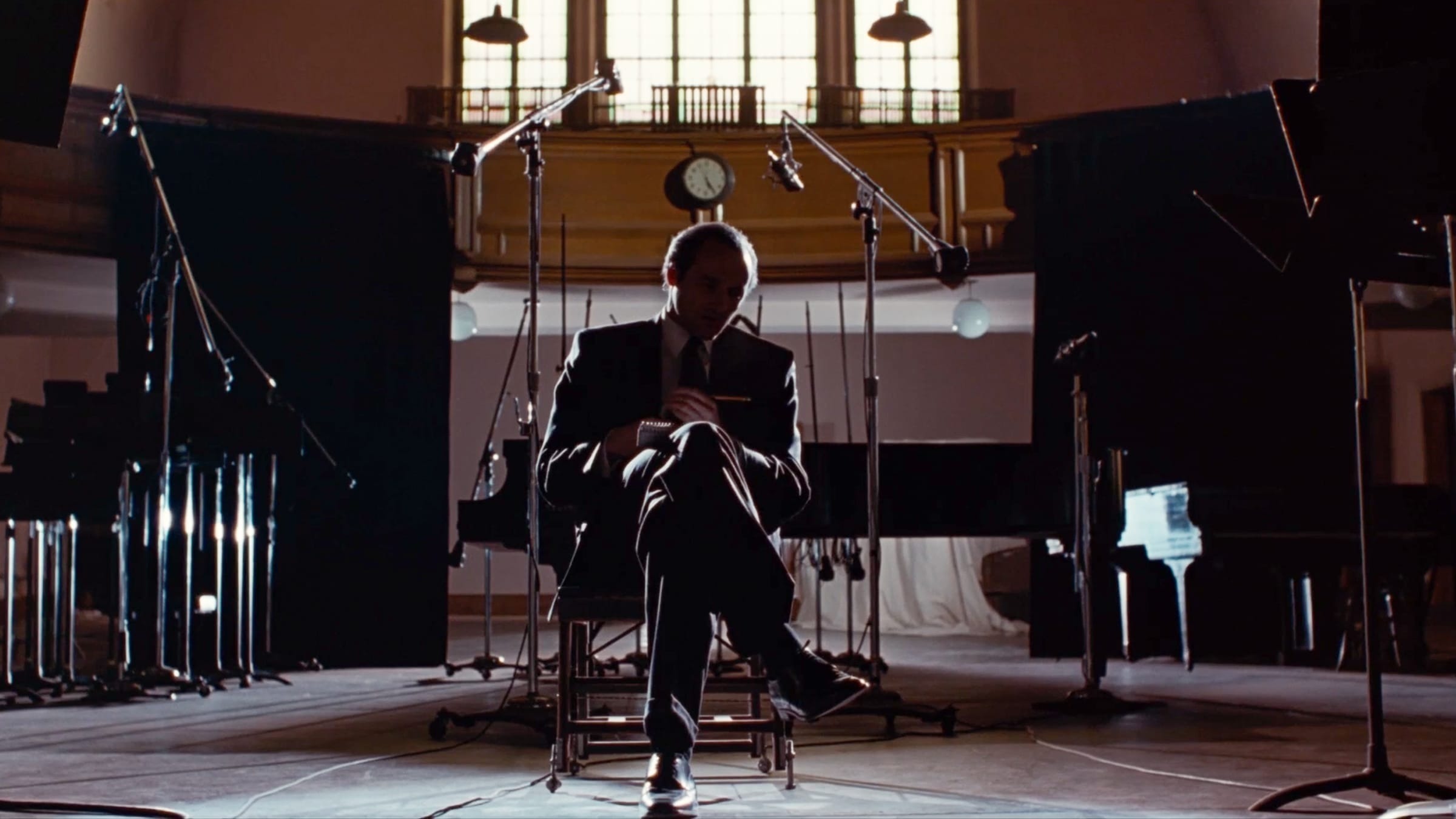
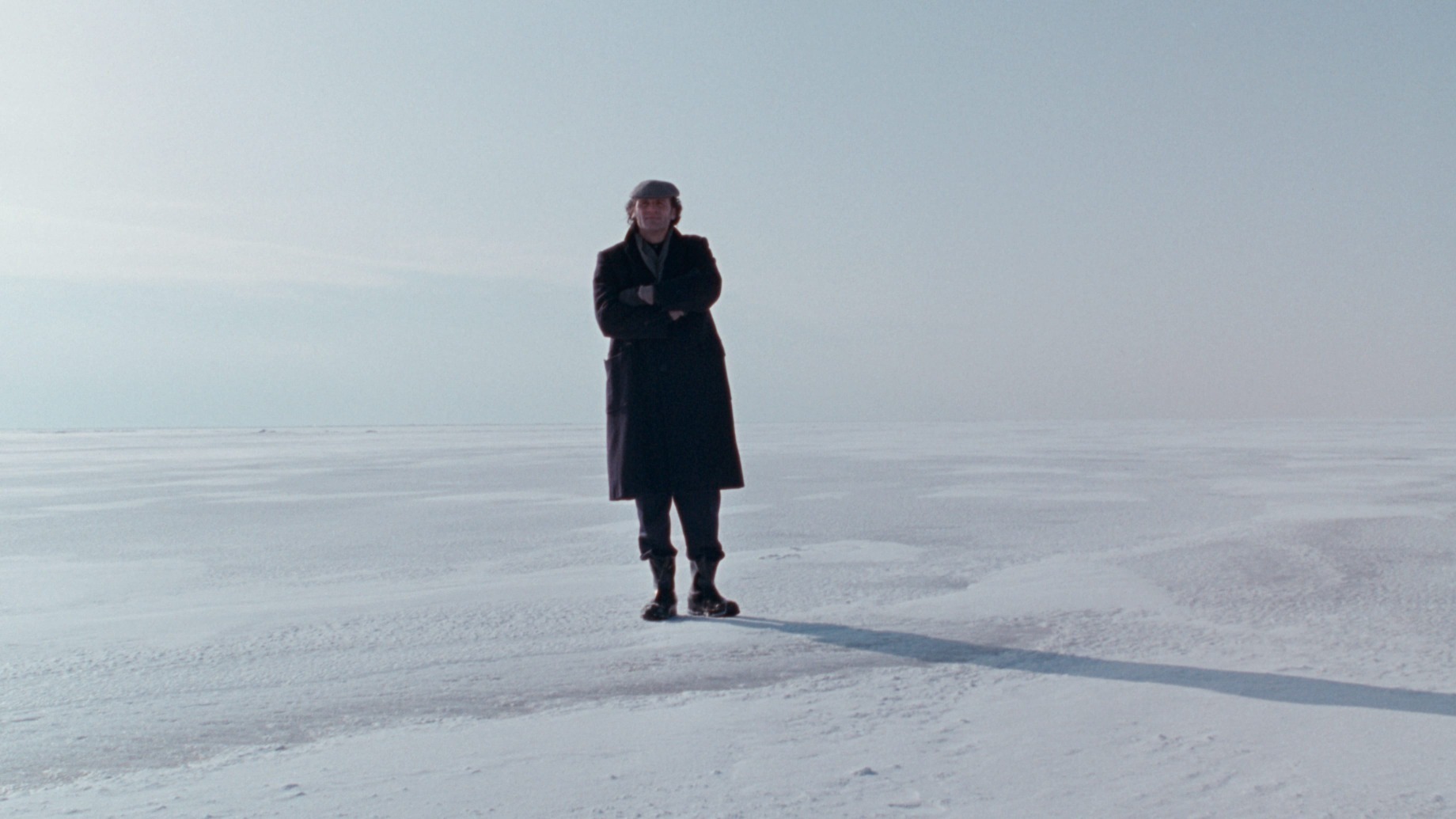
That highly individual personality is a large part of what made the reclusive Canadian one of the most improbably beloved and puzzled-over cultural figures of the twentieth century. Boasting an uncommon, titanic talent, Gould was also gifted with an endlessly burrowing intellect and a predisposition for antisocial behavior—a combination that resulted in an air of natural eccentricity that he cultivated as he aged. By the time of his sudden and shocking death at fifty, in 1982, the smoldering young pianist seen on Bernstein’s stage in 1960 had grown increasingly withdrawn—a celebrity still, but a hermetic one who had long given up public performance for the creatively rewarding safe zone of the recording studio. Even for his most devoted biographers, combing through Gould’s maddeningly copious notebooks, there would always be more questions than answers about his emotional life: speculation over the particulars of his sexual preferences, his all-consuming hypochondria, and his obsessive monasticism remains as central to a working knowledge of Gould as his exhilarating renditions of Bach, Beethoven, or Schoenberg. Public fascination with Gould’s cryptic personality resulted in an idolatry out of proportion to the modest, inward-turning body that produced it. A perplexing figure for whom music seemed the clearest key to unlocking his interior world, Gould, like Bach, left a lot of papers and notes but no blueprint for apprehending the rhythms, cadences, or essential truths of his being.
More: Essays
God Laughs: Stanley Kubrick’s Cinema
Throughout his enormously influential body of work, the great director explored the conflict between humankind’s obsession with control and our capacity for error and failure.

Christiane F.: Up Against the Wall
Uli Edel’s harrowing tale of youth rebellion is one of cinema’s greatest Berlin films, a visceral urban portrait that captures the city’s doom and decadence during the Cold War era.
The Shout: Sound and Fury
Blending elements of psychological thriller, social satire, and psychedelic film, Jerzy Skolimowski’s Cannes-award-winning classic uses its audacious sound design to evoke the terror of English civilization.

Welcome II the Terrordome: The Future Is Furious
A dystopian drama that draws on the influences of African mythology and hip-hop, Ngozi Onwurah’s debut feature uses a mix of speculative forms to expose anti-Blackness as a system that underpins the modern world.