John Singleton’s Hood Trilogy: Born and Raised in South Central
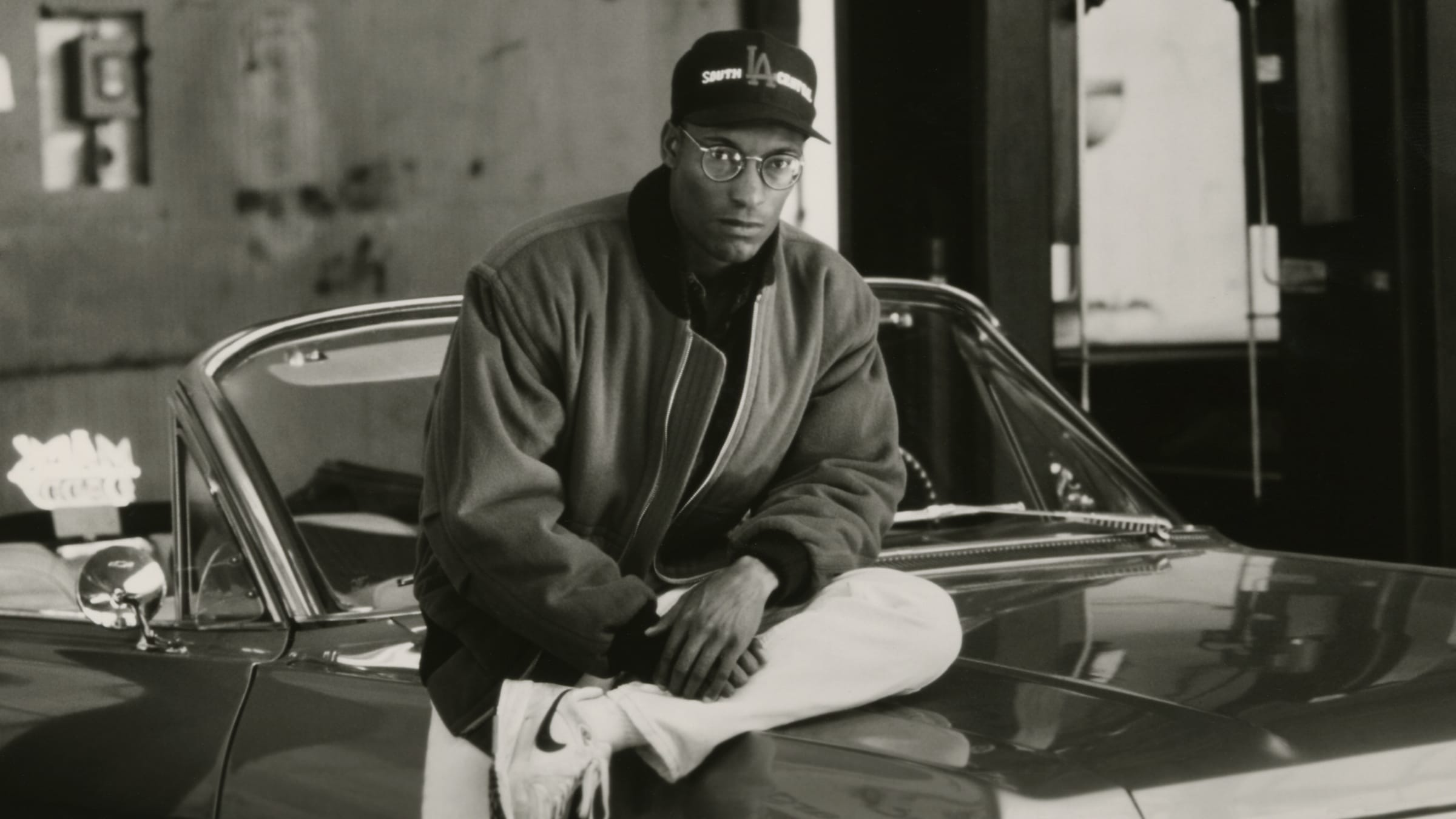
In April 1992, John Singleton was en route to the set of his second film when he heard the verdict on the radio. A predominantly white jury had acquitted four police officers who, a year earlier, had been caught on video severely beating Rodney King. The Los Angeles Police Department, which has a long history of racist violence, had once again escaped accountability, enabled by a justice system that has so often failed Black communities. As a Gen Xer who grew up in LA, Singleton understood this harsh truth all too well, having seen it unfold repeatedly over the course of his young life. Furious, he drove straight to the Ventura County courthouse, where he was swarmed by reporters. He told them: “The judicial system feels no responsibility to Black people—never has, never will.” But responsibility is at the center of Singleton’s work. Throughout his career, the director devoted himself to illuminating the lives of Black people, particularly those residing in the part of LA where he was raised: South Central.
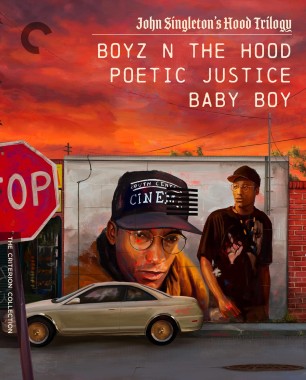
From the moment he graduated film school in 1990, at the age of twenty-two, Singleton was insistent on obtaining creative control, because he wanted to demonstrate the humanity of the people living in his community, flaws and all. In a string of movies he called his Hood Trilogy—Boyz n the Hood (1991), Poetic Justice (1993), and Baby Boy (2001)—he showcased his gift for grounding his characters in the specificities of time and place. The Angelenos in these films work at the Fox Hills Mall, party on Crenshaw Boulevard, and spend wild nights at the Snooty Fox Motor Inn. They put tinted windows and ten-inch gold Dayton rims on their Honda Accords. They belong to street gangs like the Rollin’ 60s Crips and the Crenshaw Mafia Bloods. Details like these—along with the characters’ clothes, hairstyles, and accents— met Singleton’s high threshold for authenticity.
As a subject for his filmmaking, South Central remained a place of comfort and expertise for Singleton, even as his ambitions carried him elsewhere—to 1920s rural Florida in Rosewood (1997), one of his best films, and then to the world of Hollywood franchises with 2 Fast 2 Furious (2003), which became his greatest commercial success. No matter where his career took him, he was always rooted in his respect for the place where he grew up. His trilogy is the key to understanding his artistry; taken together, these three movies shine a light on a community that was still trying to make good on the promise of the Great Migration, in which droves of Black Americans moved from the South to cities like Los Angeles in pursuit of better lives—only to encounter racism, violence, and injustice in their new homes. Throughout these films, Singleton shows how, generations after this huge demographic shift, Black people continued to make their own way in the face of extraordinary obstacles.
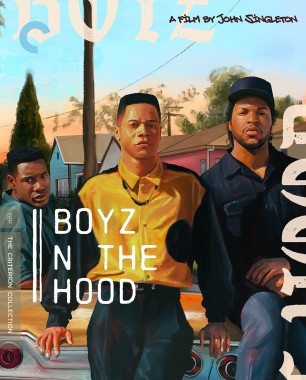
Boyz n the Hood laid the foundation for Singleton’s LA. This groundbreaking film—a loosely autobiographical tale of Black teenagers trying to dodge the violence and inertia of their neighborhood at the tail end of the crack epidemic—grew out of a screenplay that the director had worked on while studying at the University of Southern California’s Filmic Writing program. By the time he graduated, Singleton had already pulled off an unimaginable feat by getting the attention of Columbia Pictures chair Frank Price, who wanted to develop the script. Realizing that he needed to think beyond the role of writer to ensure that his work would be faithfully translated to the screen, Singleton said yes on the condition that he could direct the project. Despite his lack of experience and his sparse reel of two Super 8 films, he was adamant that a white or non-Angeleno director would be unable to execute his vision. He spent the fall of 1990 in the director’s chair, making what would become his debut feature.
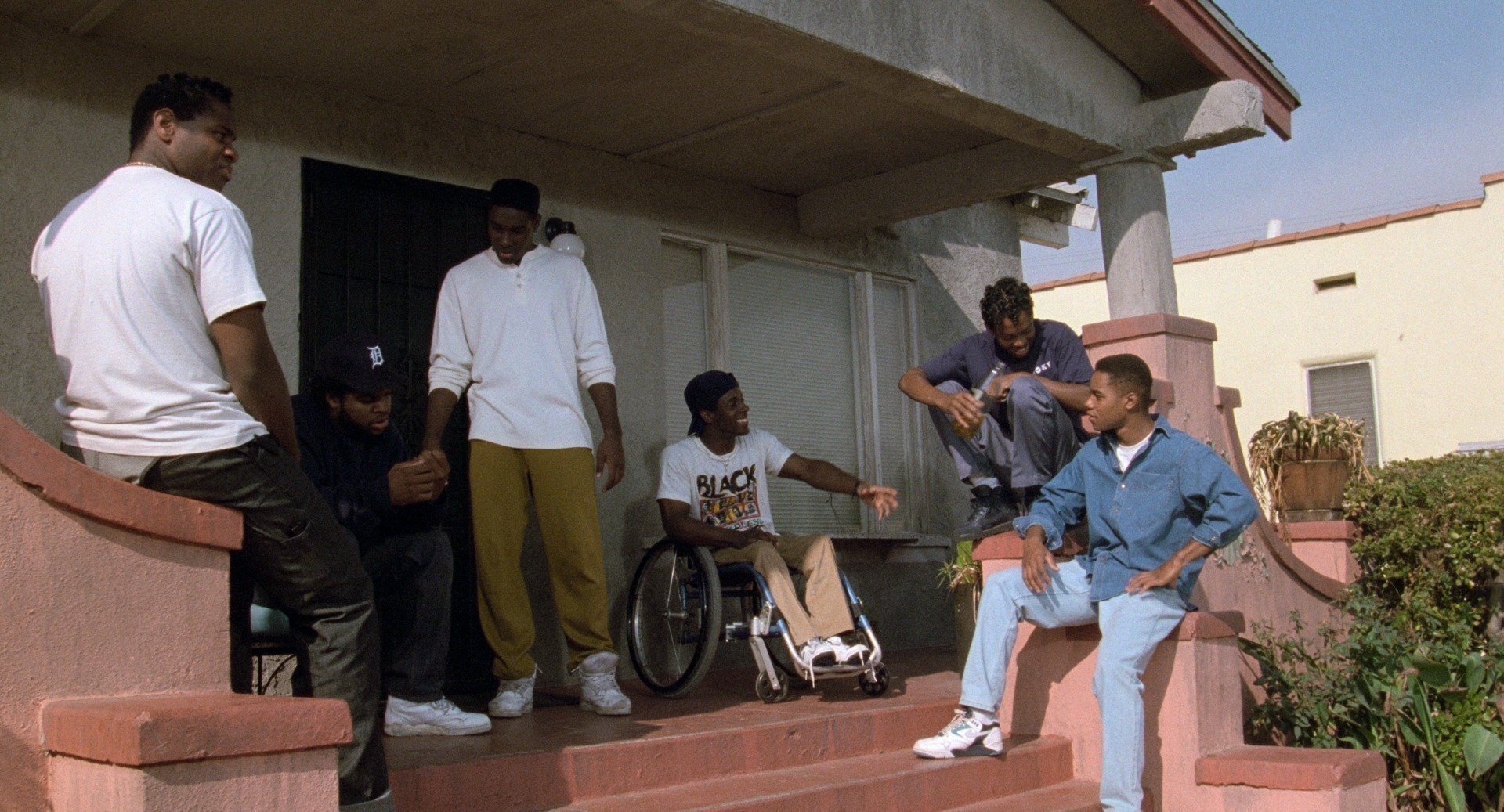
In Boyz n the Hood, LA is where children walk through dice games that erupt into fights, where kids are robbed of their youth after leading one another to the remnants of crime scenes and rotting corpses, where the innocent can fall victim to targeted attacks and stray bullets. But while the film never shies away from the dangers of its setting, Singleton is deliberate in showing that South Central is a place where real people live, and that its inhabitants are not defined by circumstances they didn’t create. The film devotes time to its characters’ interior lives, offering familiarity to one sector of the audience while providing context and insight to those whose only knowledge of LA’s Black communities comes from what they’ve seen in the news.
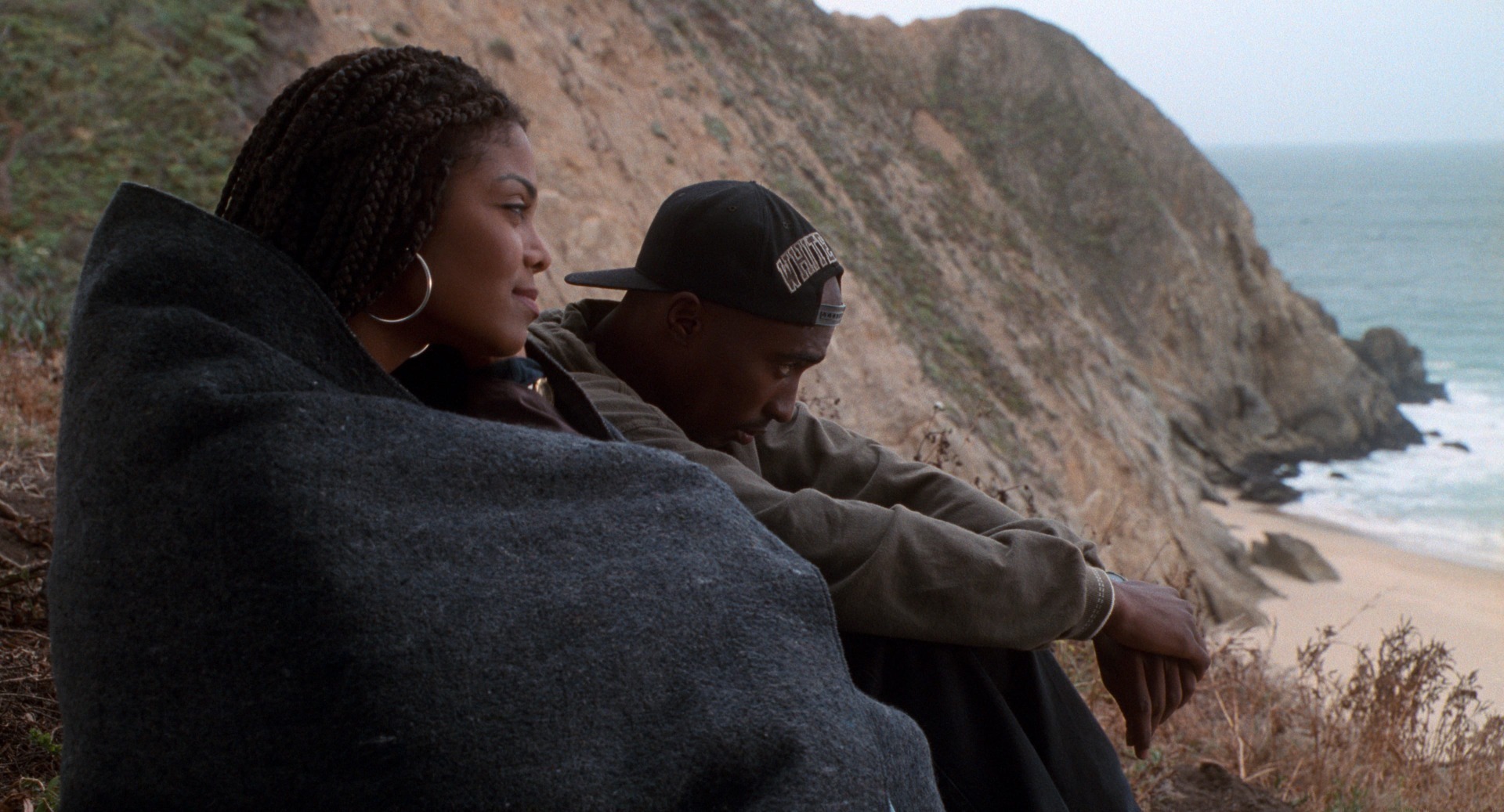
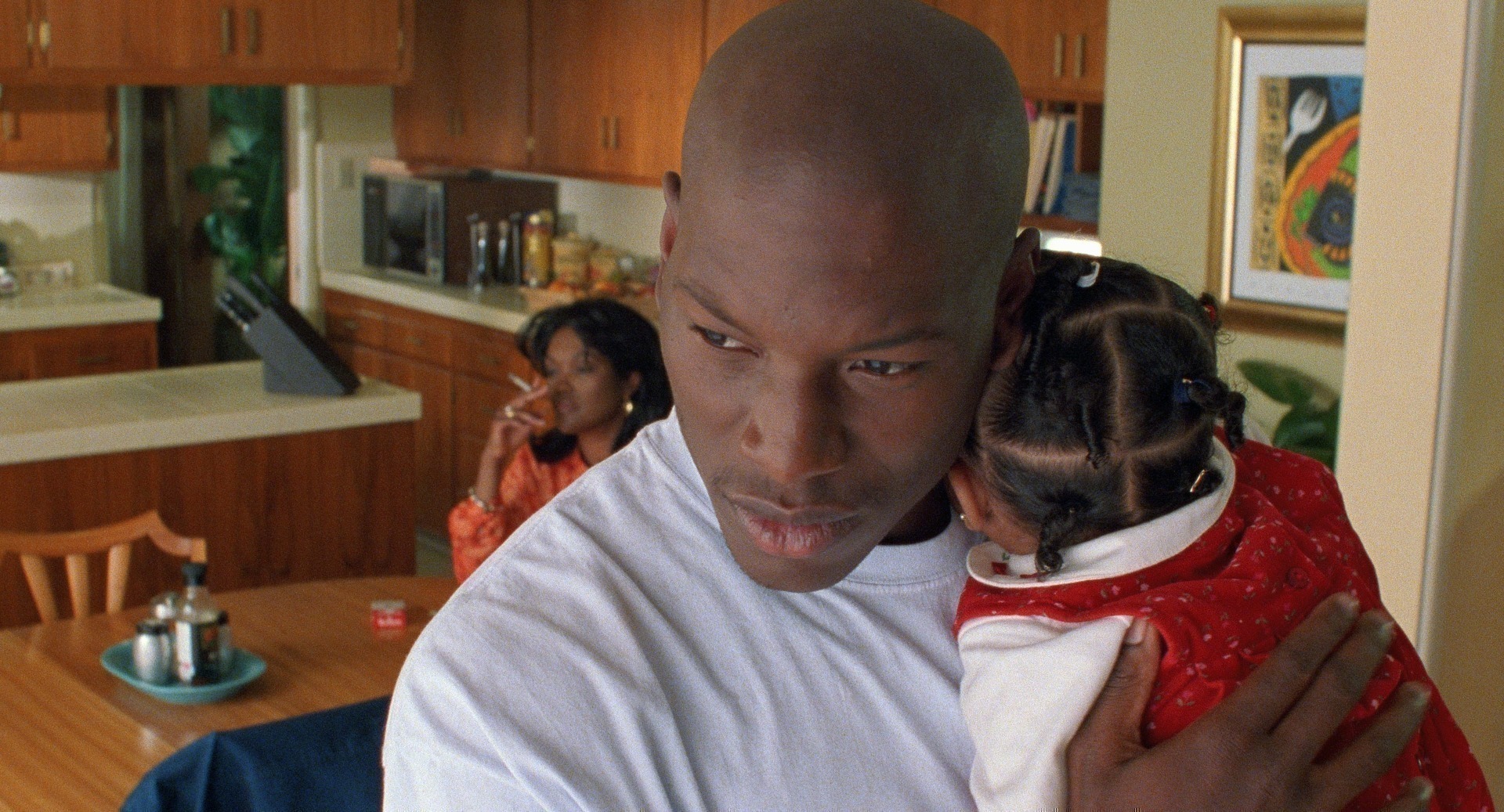
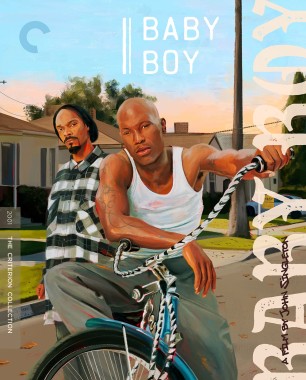
Baby Boy’s presentation of the city is also an extension of what Singleton achieved in Boyz n the Hood and Poetic Justice. He captures the beauty of South Central in subtle ways, in scenes that chronicle times spent in backyards, salons, and shopping centers off Crenshaw. Like Singleton’s previous films, Baby Boy emphasizes the importance of Black fatherhood—a subject explored in Boyz n the Hood through the character of Furious Styles, who offers Tre the kind of structure and guidance his friends lack, and in Poetic Justice through Lucky’s development as a present and caring parent. Jody wants to be that for both of his children, but his immaturity makes it hard for him to be a capable provider, forcing the gainfully employed Yvette to shoulder more responsibility. Considering the film’s depth of insight into the challenges of parenthood, it’s understandable that Singleton felt he couldn’t have made it until that point in his life, after he had become a father himself.
Despite the dysfunctional, sometimes toxic nature of Jody and Yvette’s relationship, they clearly love each other. Even when he shows these characters at their worst, Singleton handles them with care and an understanding that extends to all people who share their circumstances. He saw Baby Boy as an extension of the Italian neorealist tradition, which examined real-world struggles in the wake of World War II. Like the masters of that movement, Singleton believed that his characters deserved thoughtful portrayals, even when they fell short of society’s ideas of respectability.
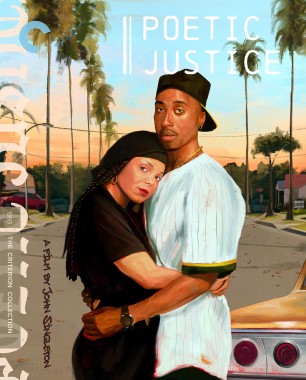
A key to Singleton’s brilliance as a director was his gift for cultivating stars—a quality fully on display in Baby Boy. The chemistry between Gibson and Henson—like that between Jackson and Shakur in Poetic Justice—is a major part of the film’s legacy. At the time of the movie’s release, Gibson was best known for his career as a singer, especially for the 1998 hit single “Sweet Lady”; Singleton took a chance on him and revealed another side of his talent. Henson had only appeared in sitcoms and a few movies, and Baby Boy gave her a major career breakthrough.
Singleton’s eye for great actors—apparent in the extraordinary cast of his debut film—had enduring effects on the culture at large. He was willing to cast hip-hop artists in substantial roles at a time when the music was not as popular as it would later become among mainstream audiences. Casting Ice Cube—who at that point in his career was not far removed from his acrimonious exit from N.W.A, just a few months after the group’s song “Fuck tha Police” had been denounced by the FBI—in Boyz n the Hood was a bold decision that gave the rapper a chance to expand his career beyond music.
Hip-hop was the sound of Singleton’s era, and many of the performers the director featured in the trilogy were his generational peers. He had imagined the role of Jody for Shakur, who was killed in 1996. And long before Snoop Dogg covered the Olympics, Singleton cast him in Baby Boy as Rodney, Yvette’s wicked, wraithlike ex-boyfriend. The lasting impact of Singleton’s trilogy is felt through its ongoing dialogue with hip-hop culture, as evidenced in a generation of artists who grew up watching these films and whose lives are reflected in, and have been shaped by, them. The late rapper Nipsey Hussle—who hailed from the Crenshaw district and didn’t let anyone forget it—once compared his own explorations of Los Angeles to Singleton’s. Compton native Kendrick Lamar’s major-label debut, good kid, m.A.A.d city, echoes Boyz n the Hood with its striking portrait of a teenager on the straight and narrow, trying his hardest to avoid being devoured by his environment. Among the album’s highlights is the song “Poetic Justice,” built around a canny sample of Janet Jackson’s “Any Time, Any Place.” The trilogy’s influence can also be felt in the stories that Leimert Park rapper Dom Kennedy tells in “South Central Love.” The song’s music video, which features a title card reminiscent of the one that opens Poetic Justice, is filled with scenarios that immediately call the trilogy to mind: young people hanging out on front porches, hopping fences to avoid their parents, and having potentially fatal encounters with the police.
Music is not the only medium that has drawn inspiration from Singleton’s films. The video game Grand Theft Auto: San Andreas, set on the West Coast in 1992, recreates imagery seen throughout Boyz n the Hood. Most importantly, a number of the issues addressed in the trilogy—gun violence, police misconduct, gender wars within the Black community—have remained topics of discussion across media. It’s unlikely Singleton believed that any of those problems would be solved during his lifetime, but his trilogy added much-needed nuance to the conversations around them.
In addition to resonating across multiple areas of American culture, Singleton’s trilogy is also a deeply personal project. In an interview with the Los Angeles Times, the director admitted that the conflicts between the characters in Baby Boy were partly inspired by his own experiences. The tension among Black men and women explored in Poetic Justice was informed by Singleton’s desire to address a problem he felt had worsened during the early nineties. In Boyz n the Hood, Tre’s life mirrors the director’s own: Singleton was also raised by teenage parents who never married and lived separately, but who worked their way into the middle class. Though he attended high school in Pasadena, he was never too far removed from life in South Central. These elements further rooted the films in realism and underlined Singleton’s bond with the neighborhood.
In his final years, Singleton, who died in 2019 at the age of fifty-one after suffering from a stroke, would return to the setting of his trilogy. He executive-produced the 2017 documentary L.A. Burning: The Riots 25 Years Later, revisiting the uprisings he spoke so passionately about during his youth. And he was a cocreator of the crime series Snowfall, a fictional exploration of how the crack epidemic and the war on drugs originated in South Central, helping to create the conditions seen in Boyz n the Hood, Poetic Justice, and Baby Boy.
The memory of South Central—which was officially renamed South Los Angeles in 2003—lives on through Singleton’s trilogy. The movies cemented him as one of the most important directors in the city’s history, foregrounding his passion for the true-to-life stories of Black people in his community. But to simply call them love letters would be insufficient. They are works of advocacy, creating a space for people who still aren’t always given room to be their complex selves. These vital films continue to speak to everyone who grew up just like Singleton did, as well as to generations of audiences who have come to understand South Central through his eyes.
More: Essays
God Laughs: Stanley Kubrick’s Cinema
Throughout his enormously influential body of work, the great director explored the conflict between humankind’s obsession with control and our capacity for error and failure.
Christiane F.: Up Against the Wall
Uli Edel’s harrowing tale of youth rebellion is one of cinema’s greatest Berlin films, a visceral urban portrait that captures the city’s doom and decadence during the Cold War era.
The Shout: Sound and Fury
Blending elements of psychological thriller, social satire, and psychedelic film, Jerzy Skolimowski’s Cannes-award-winning classic uses its audacious sound design to evoke the terror of English civilization.
Welcome II the Terrordome: The Future Is Furious
A dystopian drama that draws on the influences of African mythology and hip-hop, Ngozi Onwurah’s debut feature uses a mix of speculative forms to expose anti-Blackness as a system that underpins the modern world.