Kinuyo Tanaka Directs: Married to Cinema
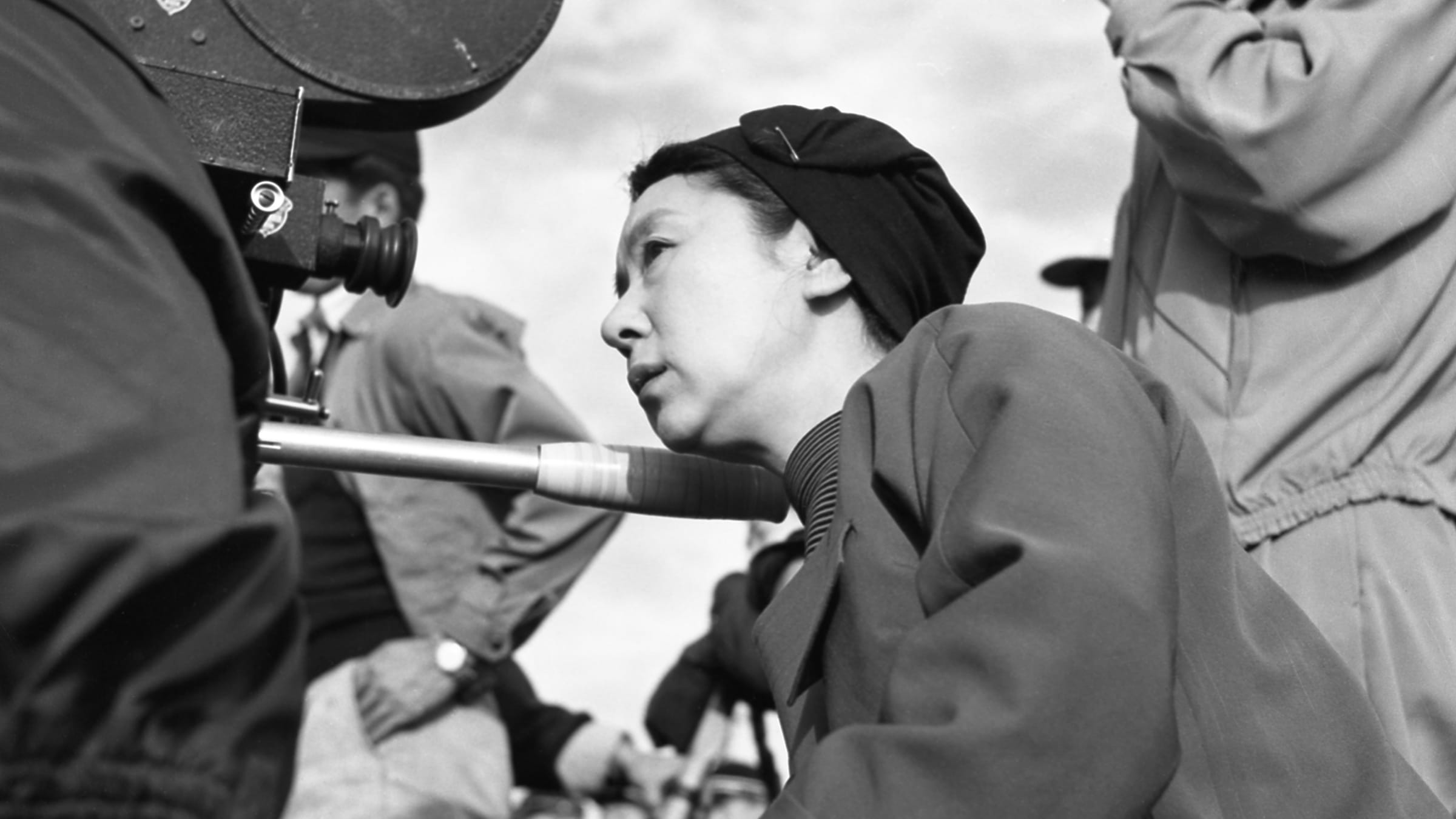
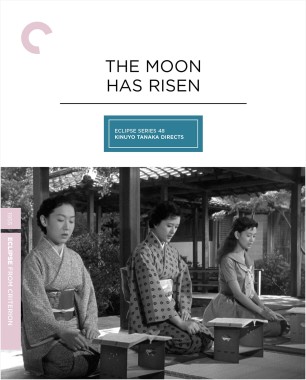
As the 1950s began, Kinuyo Tanaka found herself at a turning point. She had been acting in films since she was fourteen, becoming one of Japan’s most beloved, admired, and prolific women stars. Now in her early forties, she saw that leading roles were slipping away from her and faced predictably sexist criticism over her age. Boldly, she set her sights on directing, though there was not a single female director then working in the Japanese film industry—and only one woman, Tazuko Sakane, had previously broken this barrier, directing one narrative feature in 1936, followed by a number of nonfiction educational films. However, the Allied occupation (1945–52) put an emphasis on women’s liberation: Japan’s new constitution and civil code, imposed by the occupiers, established for the first time women’s right to vote and equality under the law, and the postwar years saw the first female members of parliament. Inspired by these advances, Tanaka took the plunge and succeeded in making six features between 1953 and 1962. Behind the camera, she brought to the screen many of the same qualities she possessed as an actor: fearless but unshowy honesty, natural warmth, and a gift for piercing hearts with the simplest means.
Several of the directors Tanaka had worked with actively supported her career transition: Mikio Naruse gave her the chance to observe and assist him on the set of Older Brother, Younger Sister (1953), the closest she came to having any experience or training before her debut; Keisuke Kinoshita and Yasujiro Ozu wrote the screenplays for her first and second films, respectively. A notable exception was the director with whom she remains most associated, Kenji Mizoguchi, who openly opposed and disparaged her ambitions—a disappointing response from a man whose films chronicled the brutal subjugation of Japanese women.
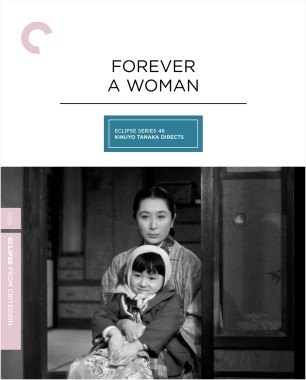
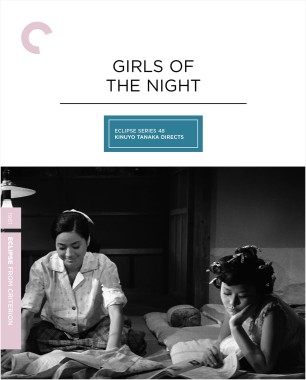
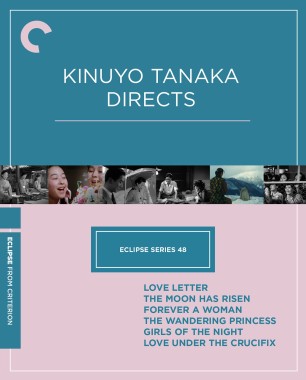
Women’s lives are at the center of almost all of Tanaka’s films—three of which had female writers—but her six directorial efforts are strikingly diverse: they range from delicate romantic comedy to three-hankie tragedy, from raw studies of postwar social problems to lavish, color-saturated historical dramas. Each project was a chance to try something new.
Love Letter: Old Acquaintance
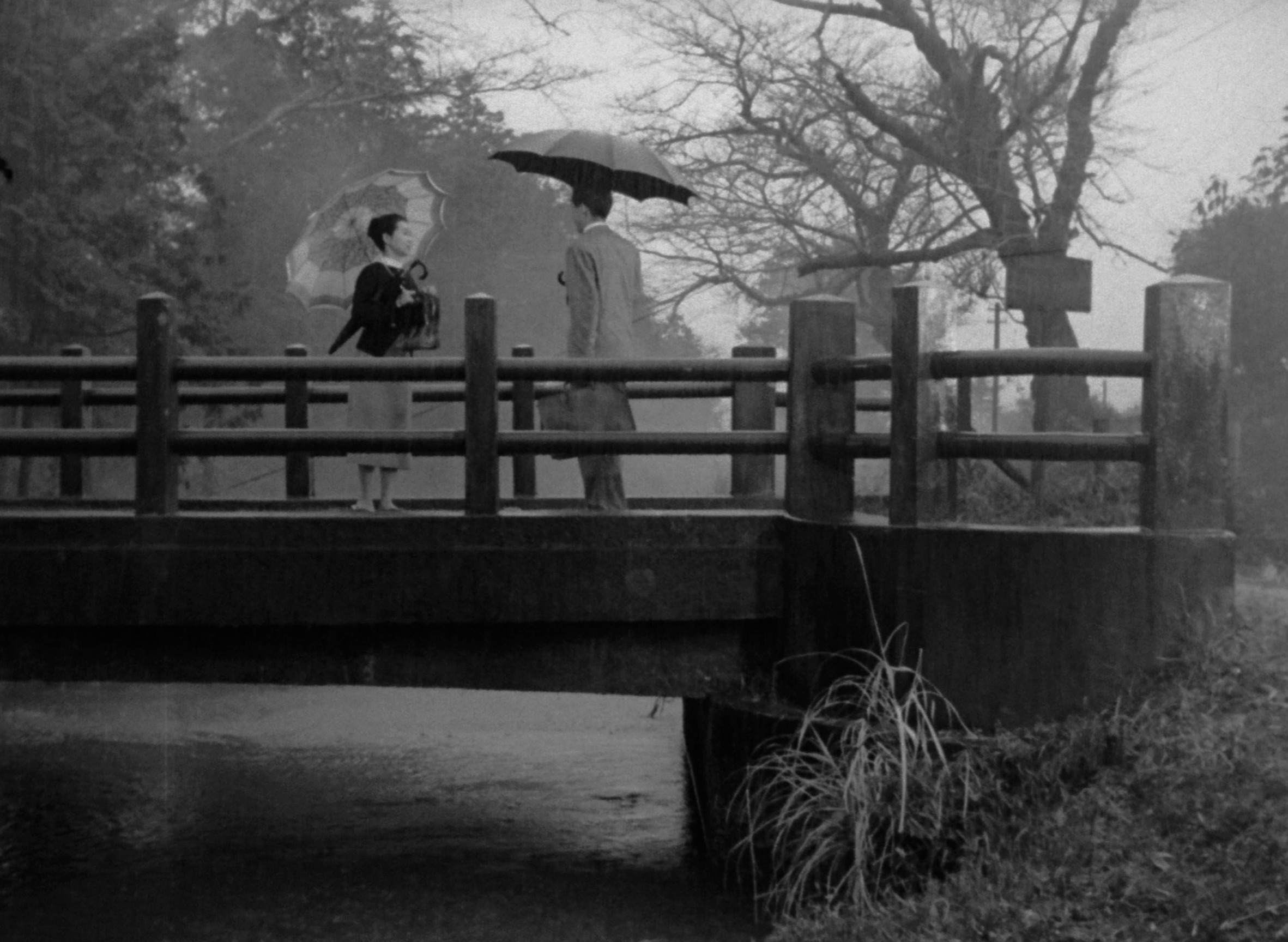
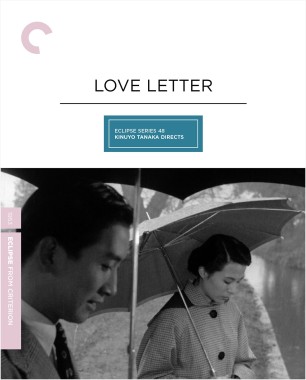
Kinuyo Tanaka’s debut as a director, Love Letter (1953), broached a highly sensitive topic: Japanese men’s sense of shame in the face of the country’s defeat in World War II and subsequent occupation, and their resentment of the many women who, often out of economic necessity, slept with the conquerors. That she would choose such a touchy subject was all the more remarkable given the deeply painful fallout from her 1949 visit to the United States as a goodwill ambassador. The tour itself was a smashing success, but on her return to Japan she was savaged by the press for appearing in the height of Americanized glamour, sporting sunglasses and furs and blowing kisses to the crowd. Mortified by the charge that she had betrayed her country, she retreated into a period of isolation and severe depression. Yet Love Letter, released the year after the occupation ended, shows a nation scrambling for American magazines, fashions, and dollars, even while nursing feelings of humiliation and loss.
This is the only one of Tanaka’s films to center on a male protagonist, Reikichi, a well-educated veteran unable to find work after the war. He is played by Masayuki Mori, who had starred with Tanaka in Kenji Mizoguchi’s feudal-era ghost story Ugetsu, released the same year. It is a bit of a shock to see this elegant matinee idol, in the opening scene of Love Letter, hanging laundry in a poky little apartment. A chance meeting with an old friend results in an unexpected job: writing letters in English for Japanese women—mostly sex workers, it is implied—to send to American soldiers who have returned home. Couched as flowery love messages, these are really pleas for cash. Reikichi is tolerant enough, until Michiko (Yoshiko Kuga), the long-lost love he has been searching for, turns up as a client.
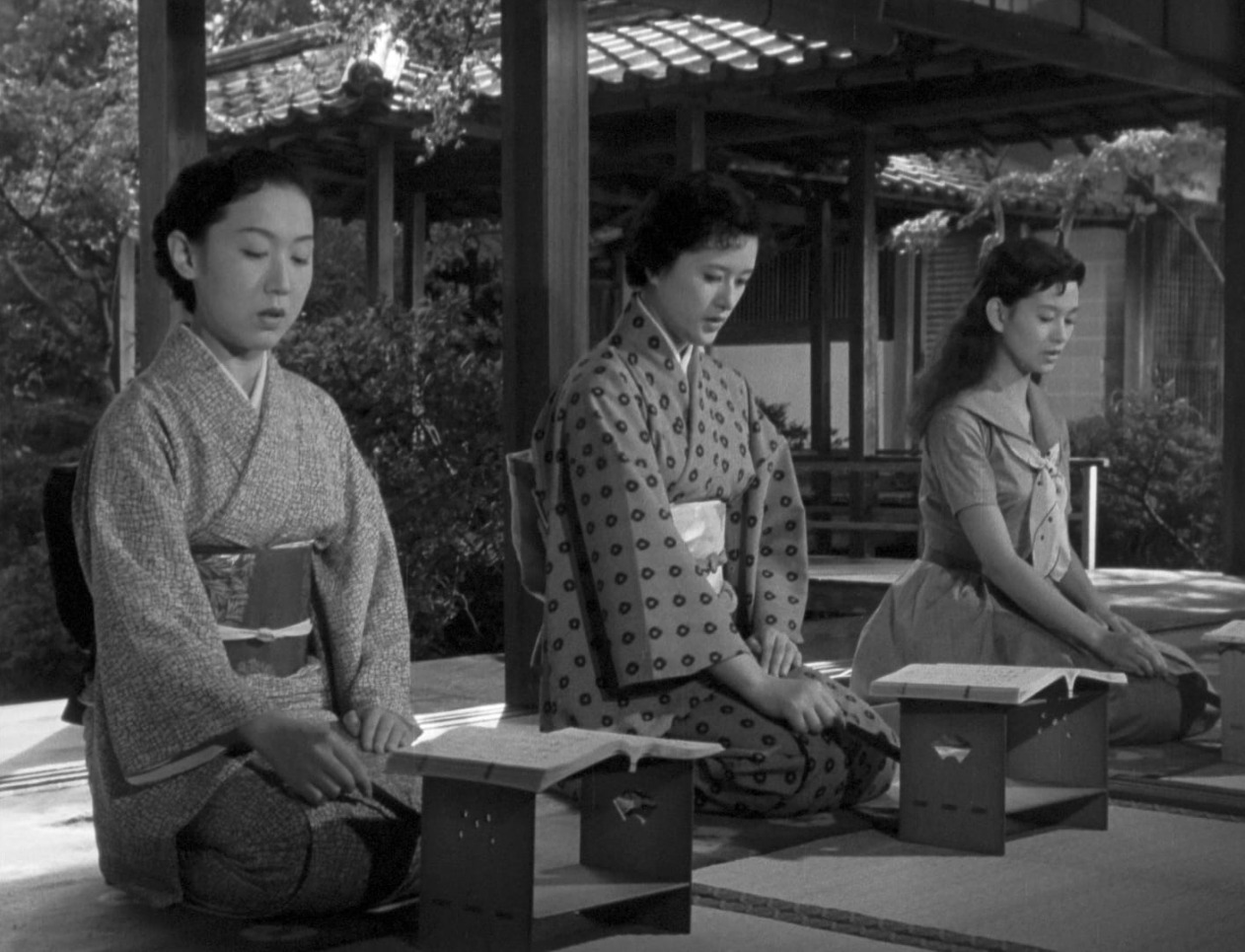
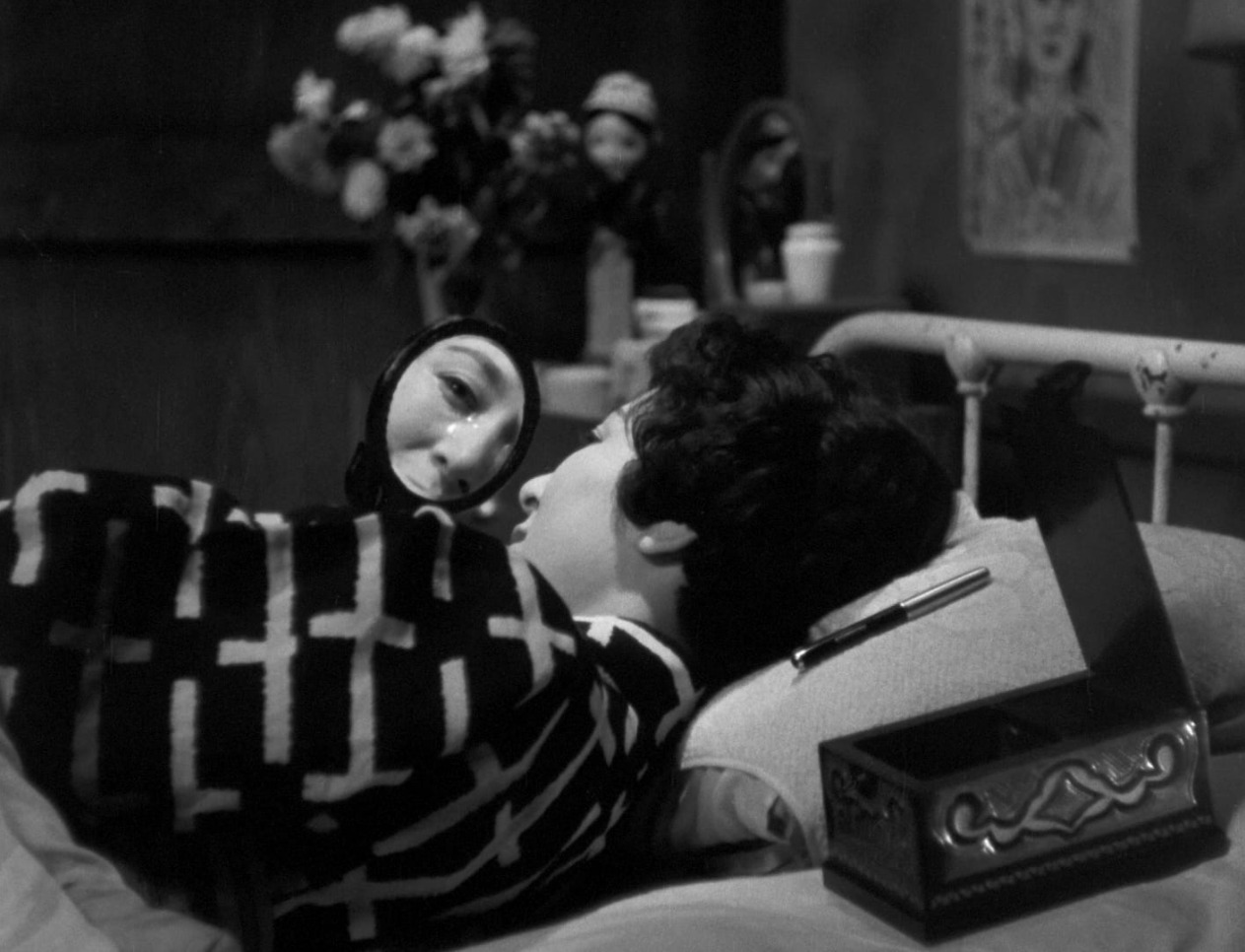
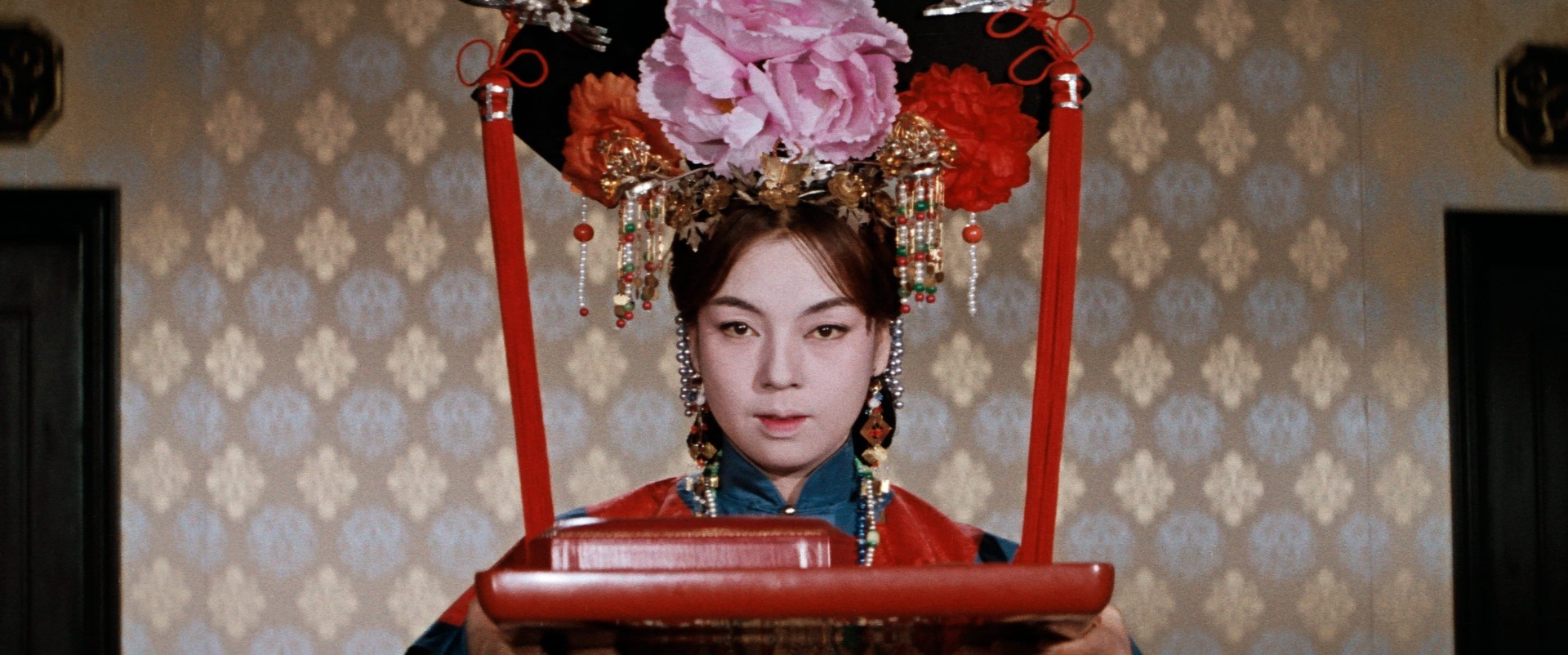
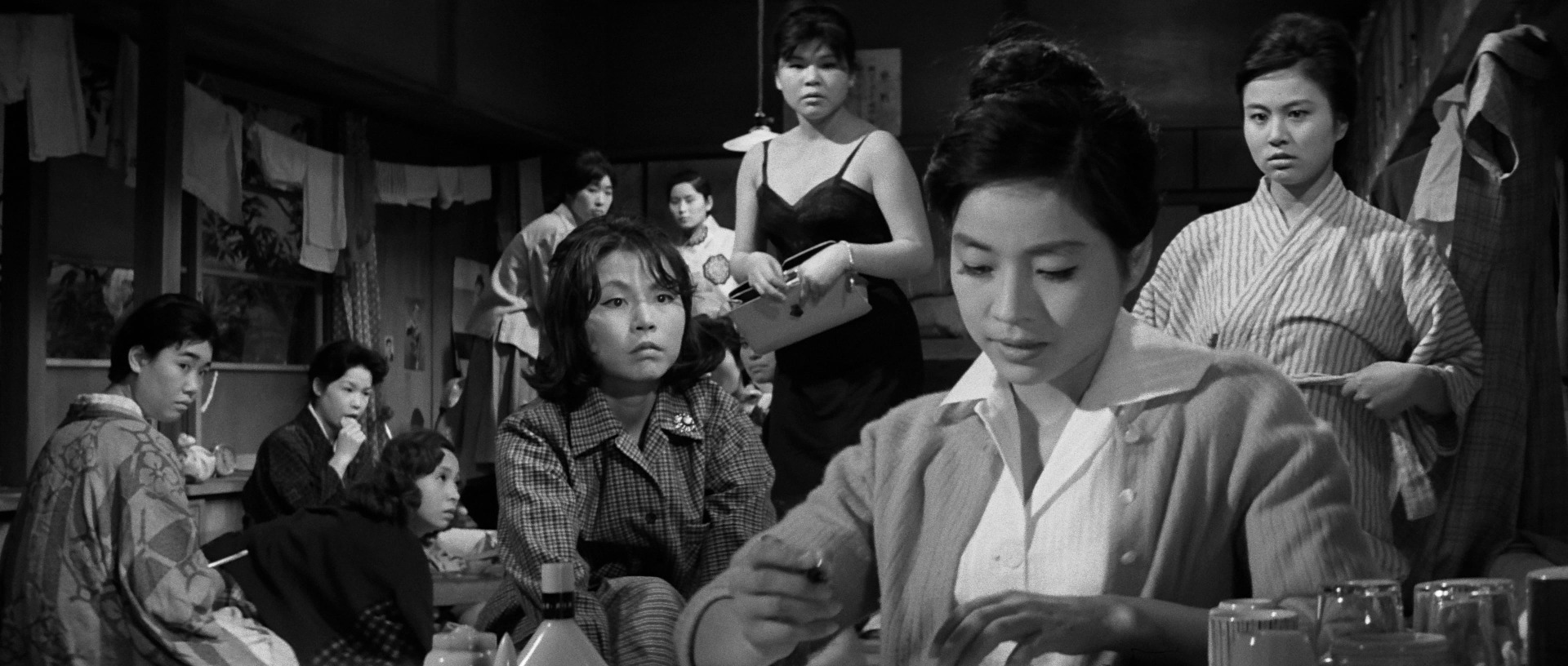
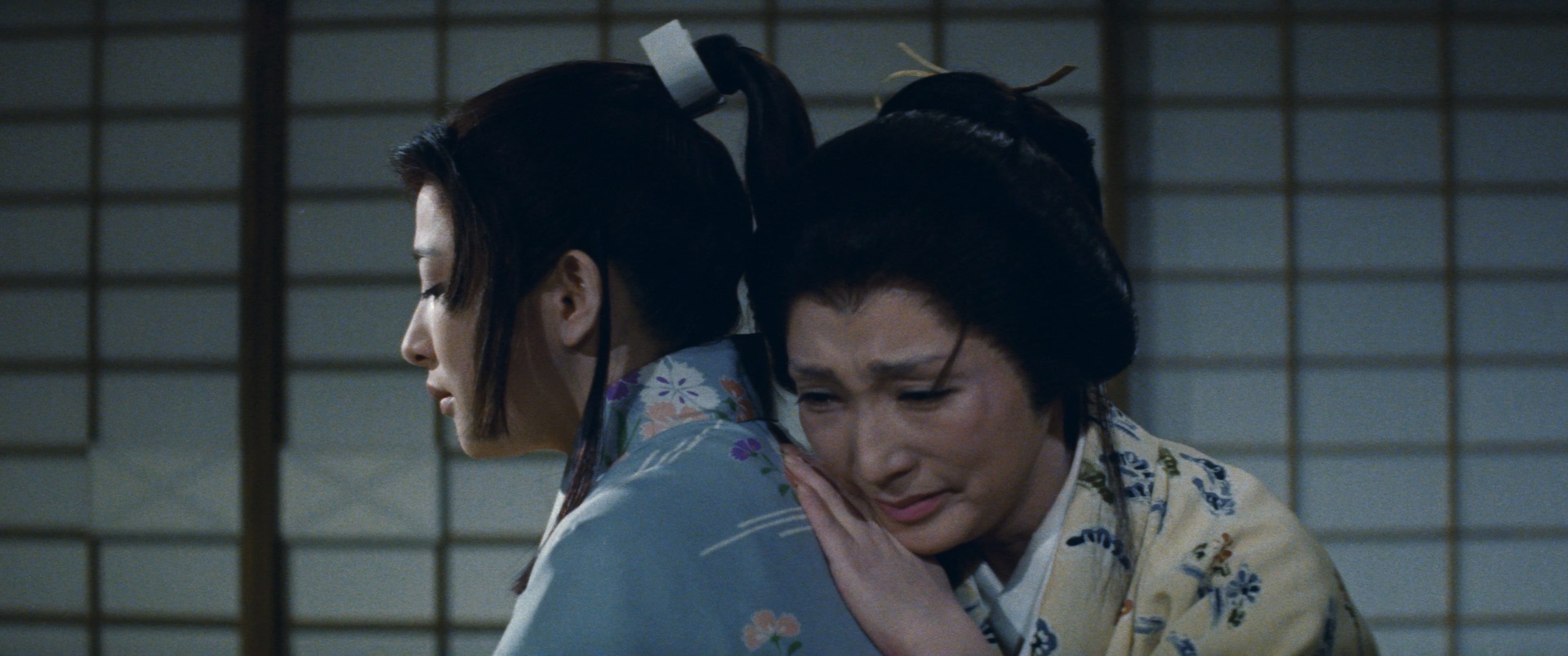
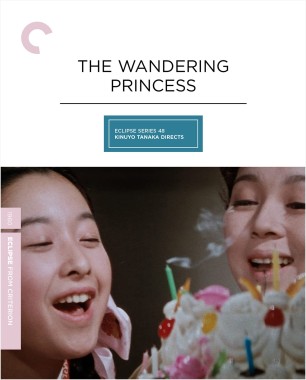
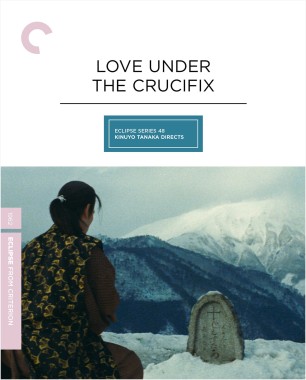
Like The Wandering Princess, Tanaka’s final directorial effort combines lush color and largely static compositions to portray a world of passions stifled by strict rules of etiquette, ritual, and hierarchy. Values are displayed through aesthetics, and philosophies reside in objects: a cross on a chain, the pattern of a kimono, the design of a garden, or the solid-gold tea room commissioned by Hideyoshi, a grotesque mockery of the simplicity at the heart of the tea ceremony. But in a key scene, all the elaborate artifice, and the intangible structures of religion and politics, are dissolved by the elements of blood, rain, fire, and human love.
Kinuyo Tanaka, who never married or had children, liked to say that she had chosen to marry cinema. She continued acting until the year before her death, in 1977, but the films she directed were overlooked until well into the twenty-first century. Finally accessible, they have lost none of their passion and largeness of spirit, which came from the woman behind the camera.
More: Essays
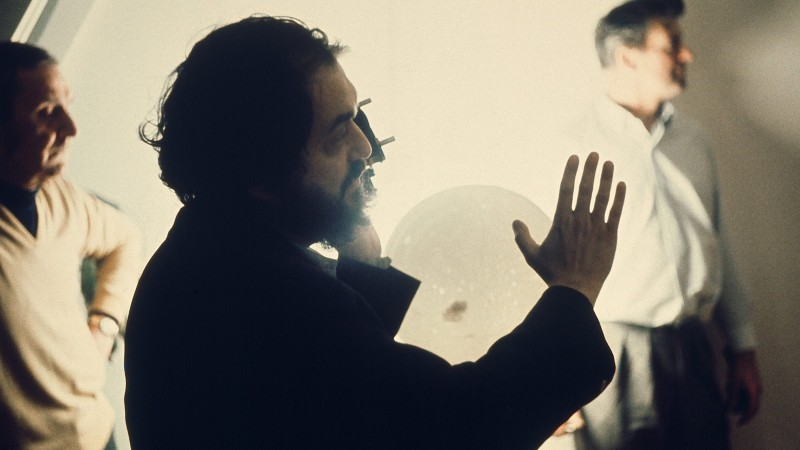
God Laughs: Stanley Kubrick’s Cinema
Throughout his enormously influential body of work, the great director explored the conflict between humankind’s obsession with control and our capacity for error and failure.
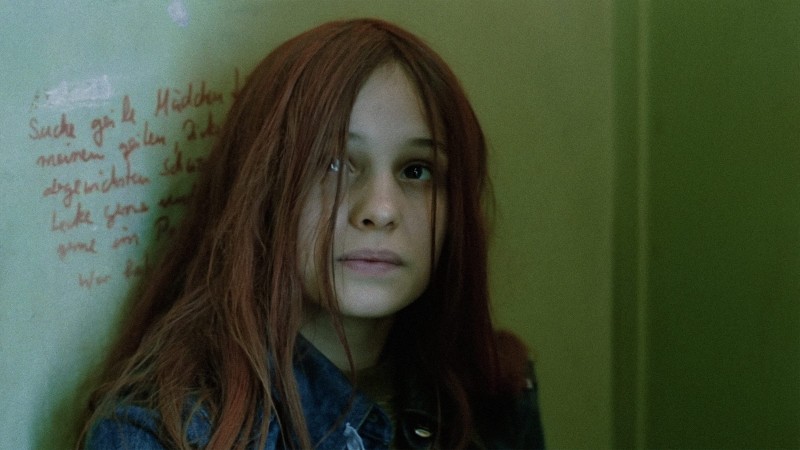
Christiane F.: Up Against the Wall
Uli Edel’s harrowing tale of youth rebellion is one of cinema’s greatest Berlin films, a visceral urban portrait that captures the city’s doom and decadence during the Cold War era.
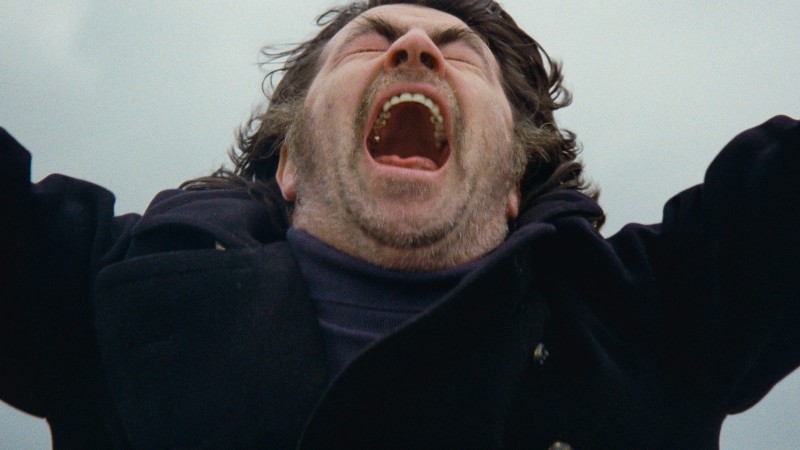
The Shout: Sound and Fury
Blending elements of psychological thriller, social satire, and psychedelic film, Jerzy Skolimowski’s Cannes-award-winning classic uses its audacious sound design to evoke the terror of English civilization.
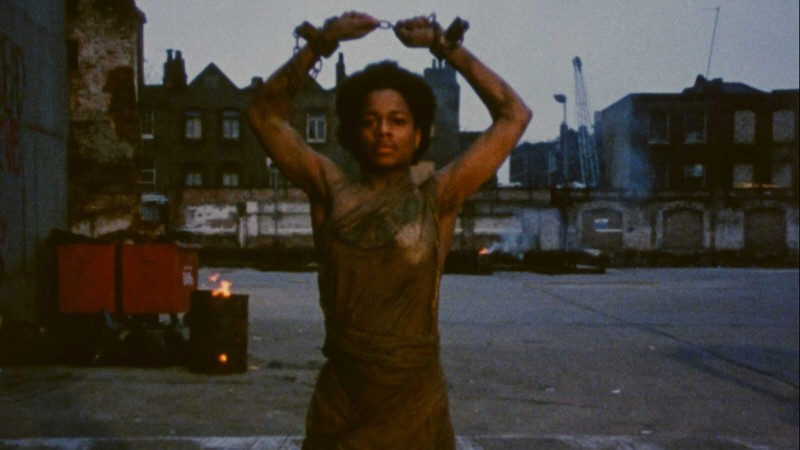
Welcome II the Terrordome: The Future Is Furious
A dystopian drama that draws on the influences of African mythology and hip-hop, Ngozi Onwurah’s debut feature uses a mix of speculative forms to expose anti-Blackness as a system that underpins the modern world.