Abel Ferrara’s Scene
Share
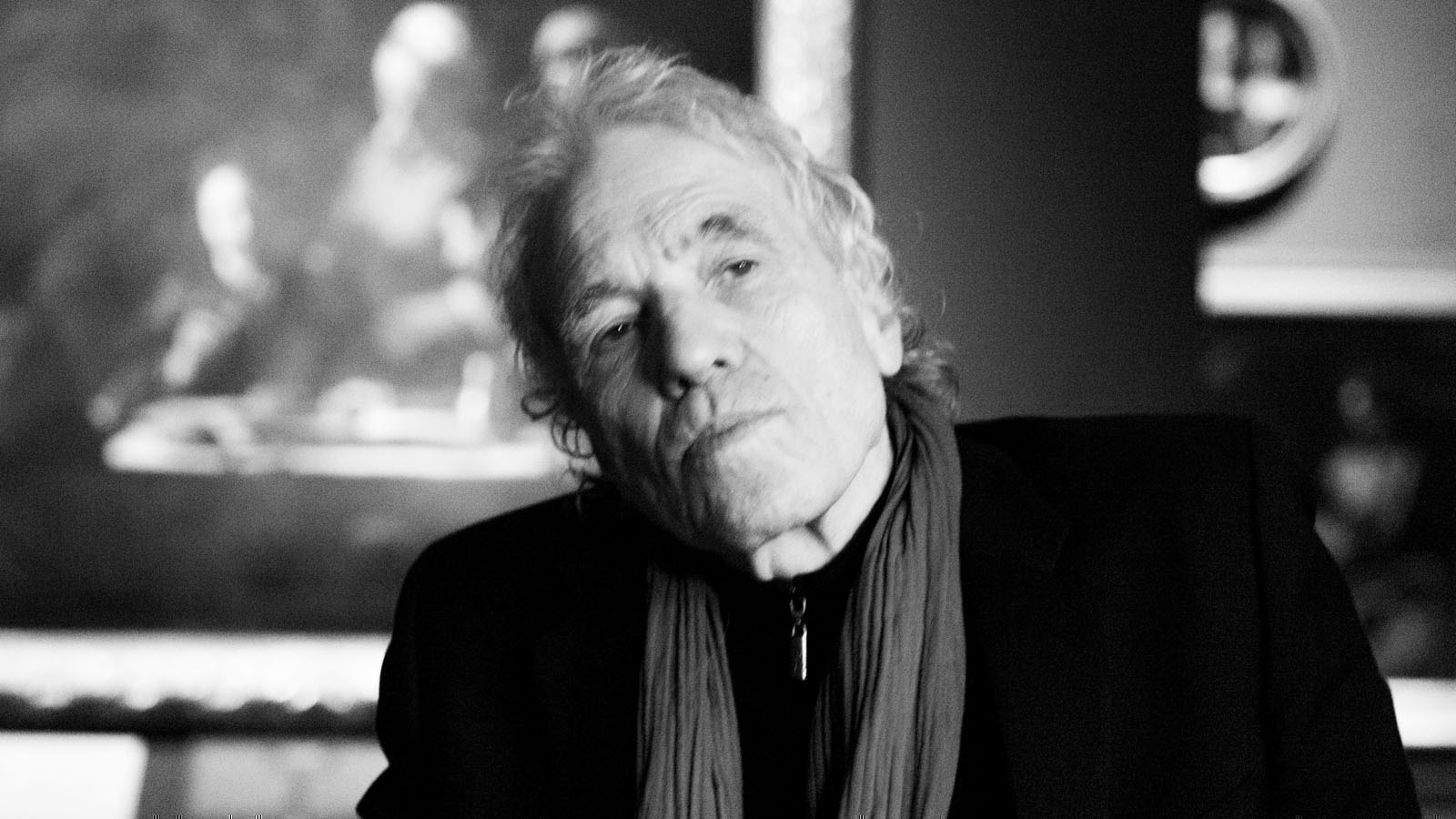
“We could delude ourselves that we were making Salò or Last Tango or a Fassbinder movie, but this was a Triple X movie, real sex, cum shots, and people were getting busted for that as well as making fortunes,” writes Abel Ferrara in the first chapter of Scene, his new memoir. “Who cares? We were making our first 35 mm feature and I wasn’t even twenty-five.”
Just how a career trajectory that began with 9 Lives of a Wet Pussy (1976) and a couple of exploitation flicks, The Driller Killer (1979) and Ms. 45 (1981), could lead to a slick neonoir starring Christopher Walken, Laurence Fishburne, Giancarlo Esposito, and Steve Buscemi—critic and programmer Dan Sullivan has called King of New York (1990) “a dialectical masterpiece”—and then roll in to the studio system (Body Snatchers, 1993) and right back out again (The Addiction, 1995) before giving us the 2014 biopic Pasolini and the critically acclaimed, semi-autobiographical Tommaso (2019) is just one of the many stories Ferrara tells in Scene.
Reviewing Scene for Harper’s, Nick Pinkerton reminds us why this book has been so earnestly anticipated. Ferrara is “one of the most consistently interesting, unpredictable, and vital American filmmakers of the past half century, a model of hardheaded integrity, independence, insubordination, and never-say-die hustle for generations of cineastes and cinephiles who chafe at the confines of the decision-by-committee corporate filmmaking that has long diluted our national cinema.”
“Written in the wry and at-times defiant, at-times melancholic voice of an eternal seeker-survivor,” writes Travis Woods in the introduction to his interview with Ferrara for Bright Wall/Dark Room, “each chapter—with headings like ‘Kubrick,’ ‘Crack,’ and ‘California’—plays out like a Ferrara film, balancing extremity and poignance alike in its mosaic of memories.” At Screen Slate, Tom Tuna finds the book “messy, manic, and shot through with revelation. It’s all here: the junkie years, the art, the hustles, the girlfriends, and the ever-present Catholic shame.”
Ferrara is “a natural born hustler with a carny barker’s knack for titillation that’s simultaneously suffused with an intense spiritual longing,” writes Sean Burns at Crooked Marquee. “His 1992 masterpiece Bad Lieutenant is somehow both the most blasphemous and the most devoutly religious movie I’ve ever seen—a sordid Stations of the Cross culminating with a full-on Last Supper in a crackhouse and Harvey Keitel taking the Gethsemane sequence to heights of anguish seldom seen in American cinema. Of his star, the filmmaker says, ‘Harvey knew how to put the spurs to the demons we were all riding and exorcise them in front of the camera.’”
In an interview with Ferrara for Filmmaker, Evan Louison notes that the director has been sober for nearly a decade. He’s “a longtime student of Buddhist teachings,” adds Louison, and “the distance between who the man was and who he has become would seem nearly unfathomable—were it not so nakedly documented herein.”
The most effective pitch for Scene is made by Ferrara himself in the opening pages. It’s the mid-1970s, and he’s been dumped, he’s worn out a friend’s copy of Bob Dylan’s Blood on the Tracks, and of course, he’s broke. He arrives in New York when “the city was going bankrupt, the cops were on strike, and a fire had wiped out telephone service in my part of the East Side . . . Being alone in NYC for the first time is exhilarating but diabolically lonely, the alone you feel surrounded by ten million people, with no friends, no money, and a heart still in a thousand pieces.”
His uncle swoops in to bail him out and whisk him off to law school, but the mission runs up against Ferrara’s determination to make a movie. Strings are pulled, wise guys are consulted, favors are called in, and somehow, 9 Lives is in the can. That excerpt is up at Lit Hub, and in another at GQ,Ferrara talks us through King of New York, Bad Lieutenant, and the fiercely seductive allure of coke. As for what’s next, the seventy-four-year-old director tells Travis Woods that he’s “working on a gangster film with Asia [Argento] that we’re going to shoot in Italy, in a town called Bari. It’s called American Nails.”
Don’t miss out on your Daily briefing! Subscribe to the RSS feed.