Iranian Cinema: From Aesthetics to Politics
Share
As Jon Stewart’s guest on The Daily Show on Monday evening, Jafar Panahi reaffirmed, as he has in countless interviews over the past several weeks, that he fully intends to return to Iran once this year’s awards season wraps with the Oscars on March 15. Understandably, he didn’t delve into the details of his travel plans, but the trip has got to pose more of a challenge now than it would have before the weekend, when the U.S. and Israel began bombing his country.
Panahi’s It Was Just an Accident tracks the debate among a group of former Iranian political prisoners over what to do with a man in their captivity, a man who may have been their torturer. Accident is up for Best International Feature Film and Best Original Screenplay, and one of Panahi’s writing collaborators is activist Mehdi Mahmoudian, who has spent around nine of the past sixteen years in Iranian prisons. Panahi and Mahmoudian met in the notorious Evin House of Detention in 2022, and after both were on the outside, they began creating the characters and outlining the contours of their arguments based on the fellow prisoners they had befriended.
For the New Yorker, Cora Engelbrecht spoke with Mahmoudian just after the first bombs had fallen on Saturday, and then again immediately after the U.S. and Israel announced that they had killed Iran’s supreme leader, Ayatollah Ali Khamenei. “I believe death was not enough for Mr. Khamenei,” says Mahmoudian. “He should have stood trial in a public court, before the people, and faced judgment openly and with full accountability.” His current worry, though, is that once the U.S. and Israel “secure their own strategic interests, they may leave—abandoning both the regime and the Iranian people to face the aftermath alone.”
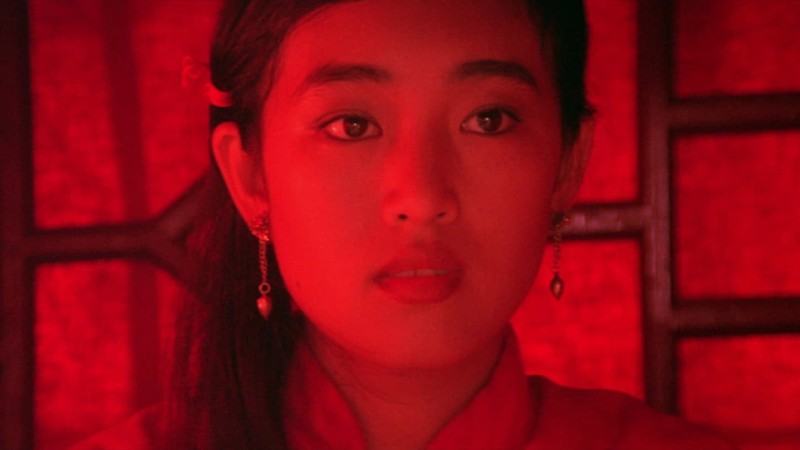
Susan Oxtoby, the Director of Film and Senior Film Curator at the Berkeley Art Museum and Pacific Film Archive, couldn’t have foreseen the timeliness of Iranian Cinema: From Aesthetics to Politics, the program she put together months ago. Opening on Saturday and running through April 23, it’s essentially a two-parter, combining new restorations of three classics of Iranian cinema and four films by Rakhshan Banietemad, who will be on hand to discuss her work.
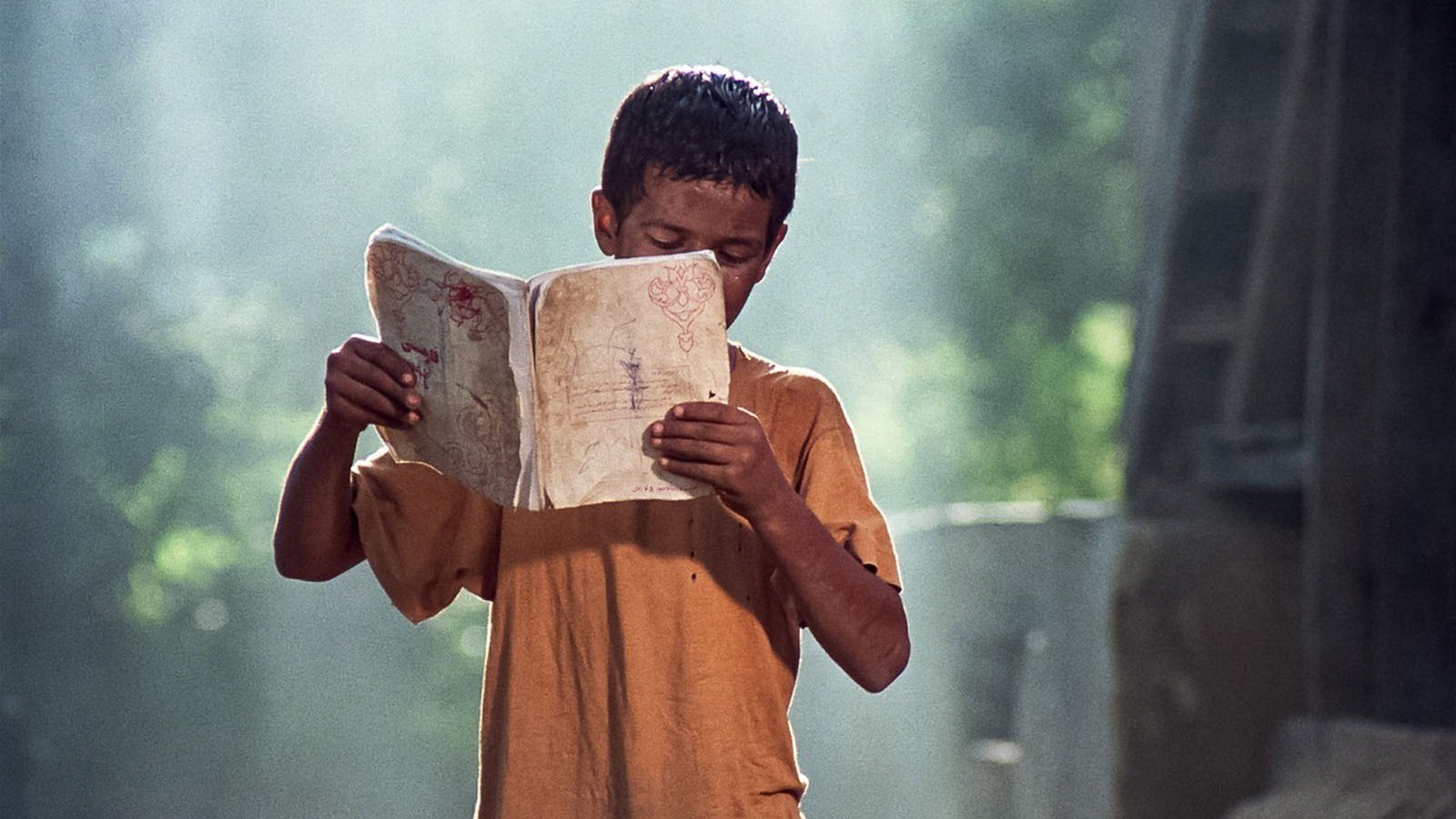
One of the classics, Bashu, the Little Stranger (1986), directed by the late Bahram Beyzaie, happens to come with a heartfelt endorsement from Jafar Panahi. The story of a boy who flees southern Iran after his family is killed in a bombing and is taken in by a mother of two in the north “carries a message that was not only relevant to the Iran-Iraq war of the 1980s,” says Panahi in the press notes provided by mk2 Films, “but is also vital for our world today: a world that is still full of resentment, displacement, and violence, where instead of dialogue and understanding, war mongers and those hungry for power keep adding fuel to the fire of prejudice and ignorance.” For Panahi, the revival of the film is “a reminder that art at any time, in any place, awakens human consciousness and shows us humane paths through friendship, coexistence, and peace.”
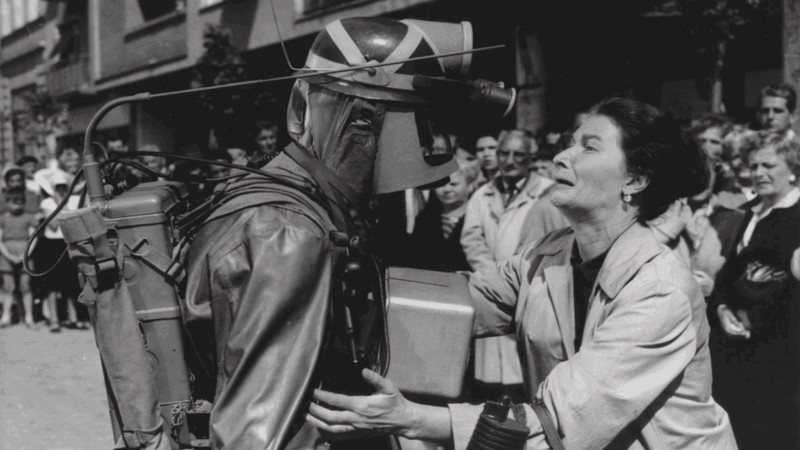
Ehsan Khoshbakht wrote the program notes for both Dariush Mehrjui’s The Postman (1972) and Sohrab Shahid Saless’s Far from Home (1975) when they screened at Il Cinema Ritrovato last year and in 2022, respectively. Inspired by Georg Büchner’s 1836 play Woyzeck, The Postman depicts a shy and impotent man’s descent into madness and murder, and Khoshbakht calls it “a biting critique of Iran’s blind Westernization and the tragic consequences of the clash between a corrupting modernity and an ineffectual tradition.”
In Far from Home, Parviz Sayyad, the star of hit comedies and independent dramas, plays a Turkish “guest worker” who carries his pride and a leather briefcase with him each day to his menial job in Berlin. “No other film has depicted the painful repetitiveness of an immigrant’s life in such candid detail,” writes Khoshbakht.
Rakhshan Banietemad began working for Iranian television years before the Revolution of 1979 and directed her first features in the early 1980s. Introducing her 2015 interview for Film Comment, Yonca Talu noted that Banietemad had “sketched some of the most striking portraits of life in Iran—seen, for the most part, through the eyes of the least privileged. Constantly blending the powers of documentary and fiction, Banietemad’s oeuvre is brave in its study of human resistance under ever-challenging social conditions.”
Under the Skin of the City (2001) is “a riveting drama that tells of the disintegration of a working-class family in contemporary Tehran,” writes Talu, while Gilaneh (2005) centers on a mother comforting her family on New Year’s Eve during the Iran-Iraq War and then again fifteen years later during the Second Gulf War. “The irony is rich,” wrote Andrea Gronvall in the Chicago Reader, “as prosperous Iranians cheer the invasion of their enemy by America, Saddam’s erstwhile ally, while blithely ignoring the plight of the mother and son struggling to help each other.”
Don’t miss out on your Daily briefing! Subscribe to the RSS feed.