Jean Rollin, Poet of the Fantastique

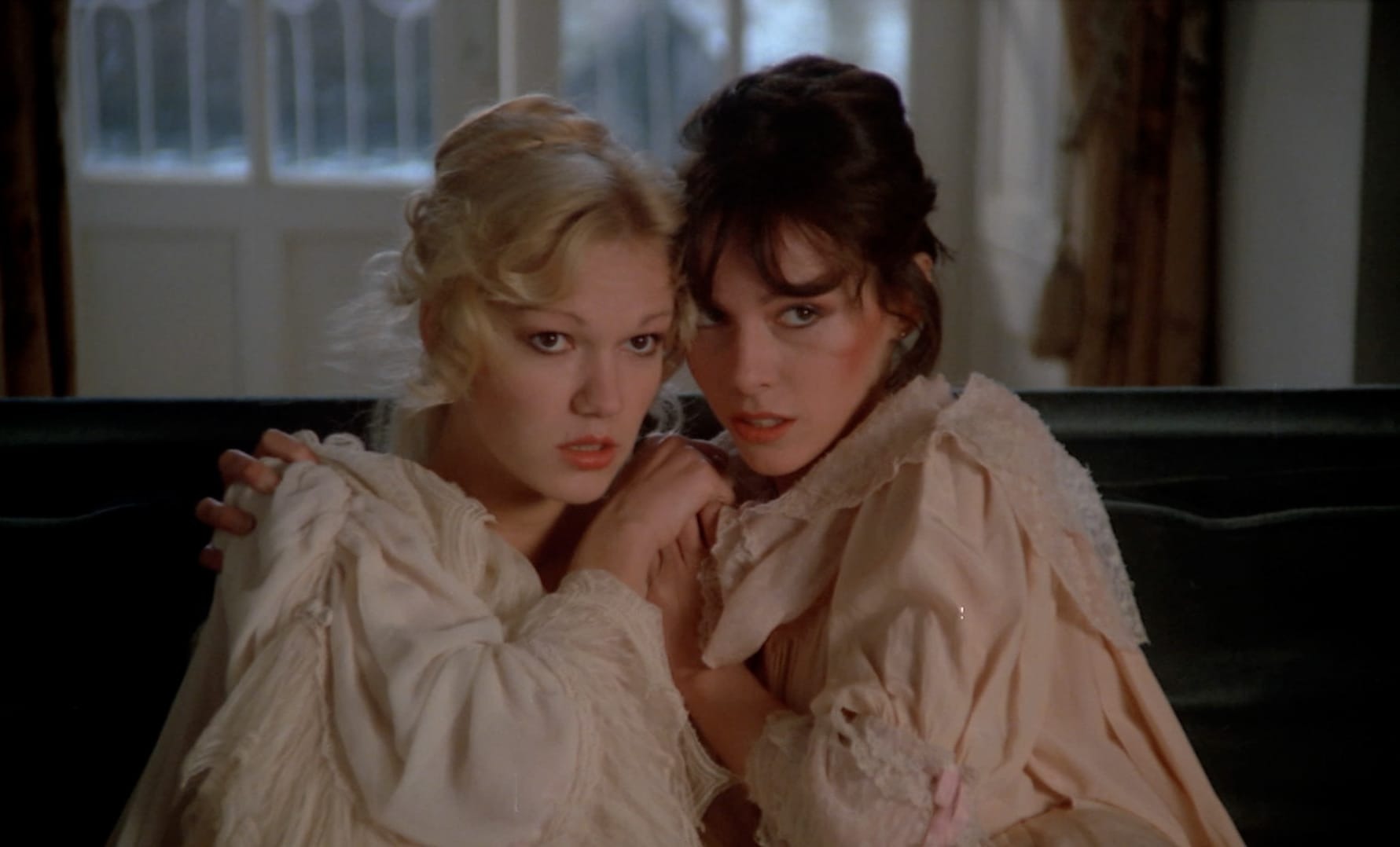
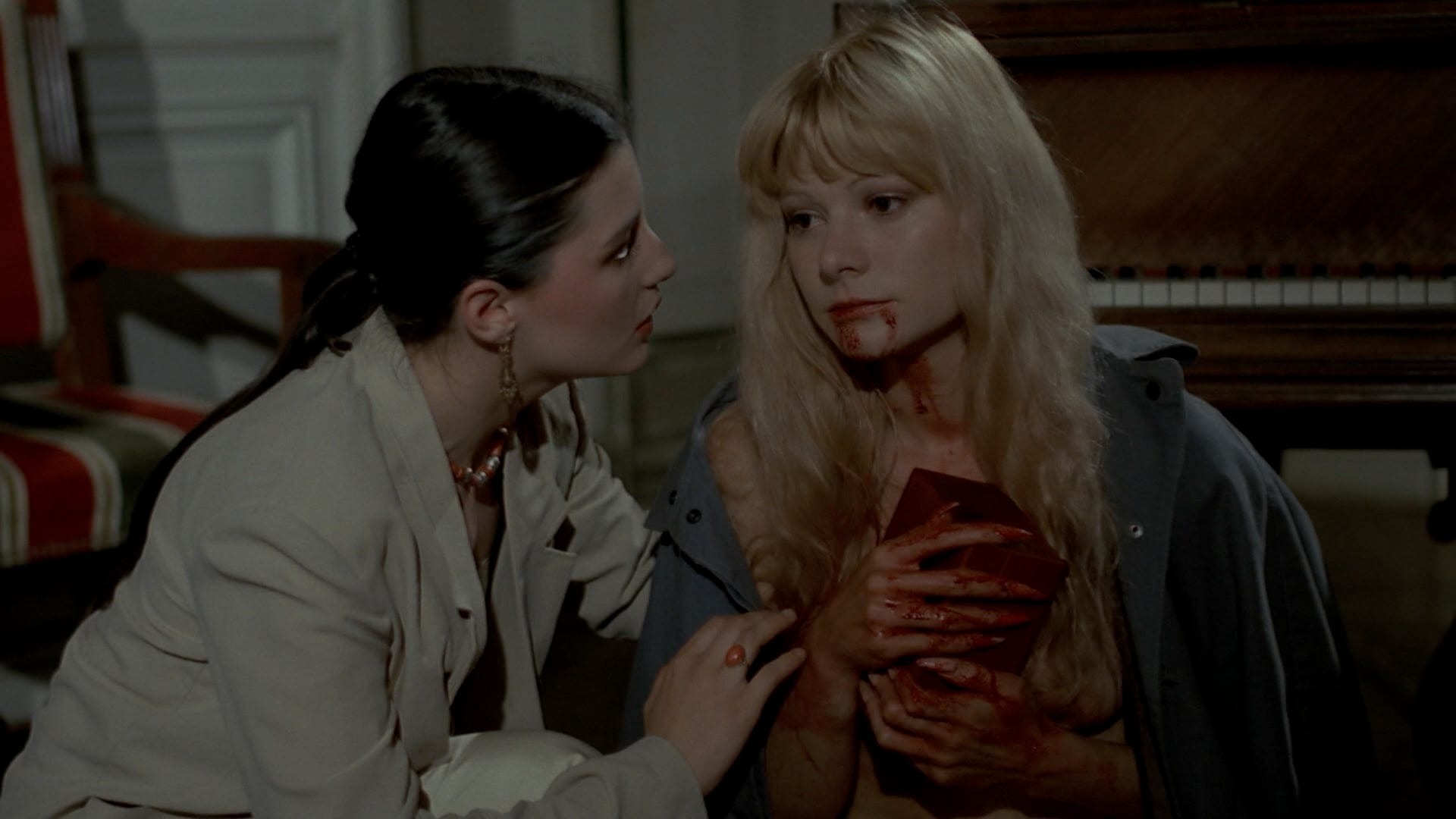
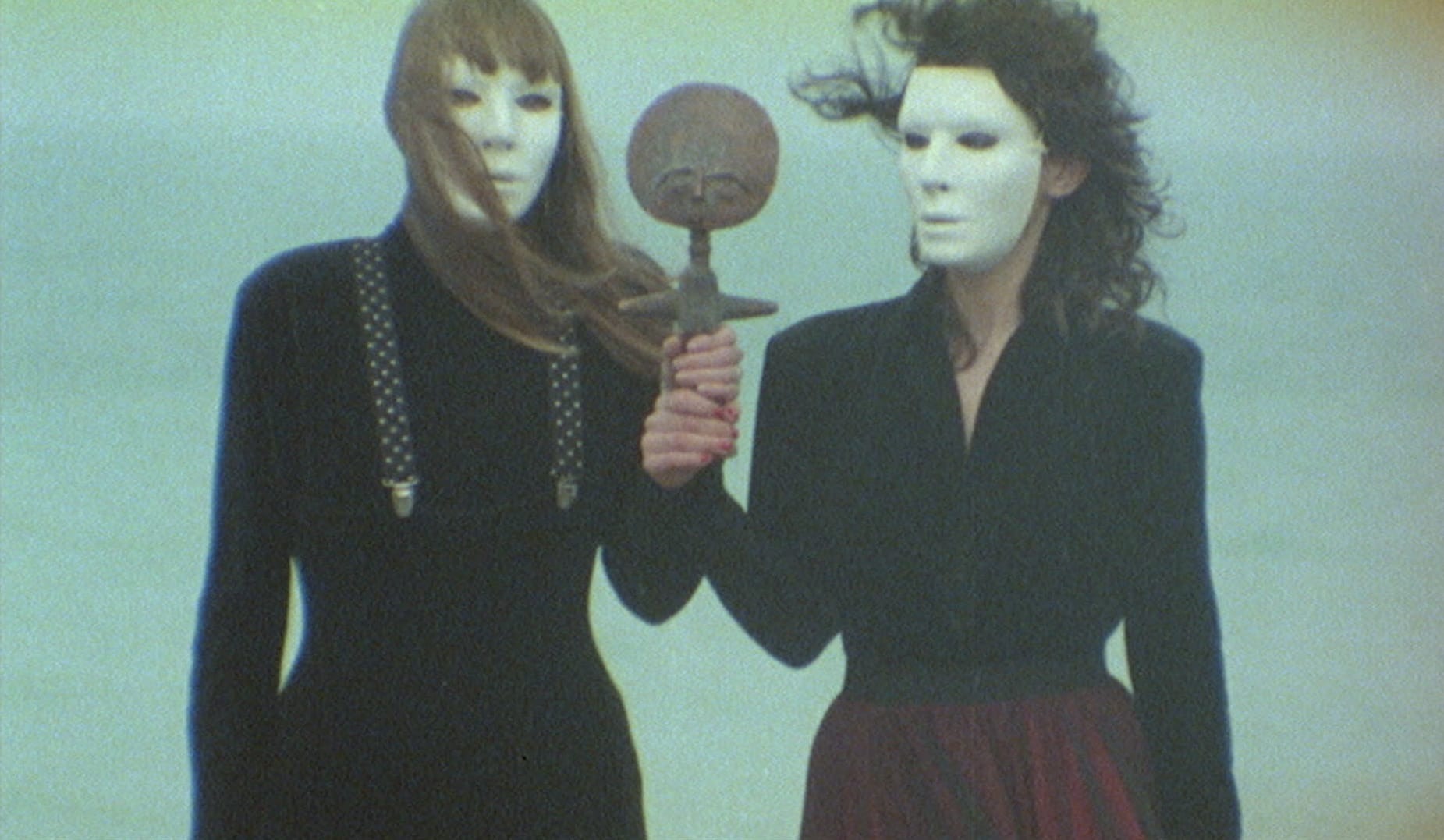
French writer and director Jean Rollin is mostly remembered for a series of dreamlike vampire films he made beginning in the late 1960s: The Rape of the Vampire (1968), The Nude Vampire (1970), The Shiver of the Vampires (1971), Requiem for a Vampire (1971), and Lips of Blood (1975). But thinking of him simply as a director of supernatural horror is far too limited. His approach to genre tropes was highly unconventional, more influenced by surrealism, fairy tales, and fantastique literature than mainstream horror. This is most apparent in his characters: vampires are portrayed as tragic and romantic figures, rather than as bloodthirsty monsters, and his protagonists are often complex young women who embark on strange adventures through otherworldly landscapes.
Rollin was raised in an artistic family outside of Paris; his father was an actor and theater director, and his mother was an artists’ model in the same social circles as renowned surrealist artists and intellectuals. This influence, combined with Rollin’s childhood love of cinema, serials, and comic books, inspired him to pursue work in a film studio as a teenager. He began as a crew member on documentary productions and worked his way up to becoming a film editor for the French army during his military service. By the late ’50s, he began making short films and worked as an assistant director, determined to find the funding to make his own feature. He finally realized this dream in 1968 with The Rape of the Vampire, about four isolated sisters who believe they are vampires in the wake of a horrific assault. The film was so shocking to audiences—with its subject matter, disjointed narrative, and downbeat tone—that riots broke out upon its release.

More: Features

Jacques Rivette Envisions a More Human Joan of Arc
Anchored by an extraordinary performance from Sandrine Bonnaire, the epic historical drama Joan the Maid strips away its saintly protagonist’s mythic aura and gives us a humbler, more intimate version of her life story.

Anthologized: The World of W. Somerset Maugham On-Screen
The elegantly crafted portmanteau films Quartet, Trio, and Encore adapt twelve spellbinding tales of deception and passion from one of the best-selling authors of the twentieth century.

The Inner Worlds of Neon Genesis Evangelion
A Japanese-television phenomenon that sparked a boom in anime production and fandom, Hideaki Anno’s magnum opus is a mind-bending mix of kinetic action, sci-fi spectacle, and introspective human drama.

James Baldwin Looks Back
The illuminating 1982 documentary I Heard It Through the Grapevine follows the celebrated author on a journey through the American South, as he attempts to reckon with the legacy and losses of the civil rights movement.