Galatea’s Revenge: Actresses Talk Back
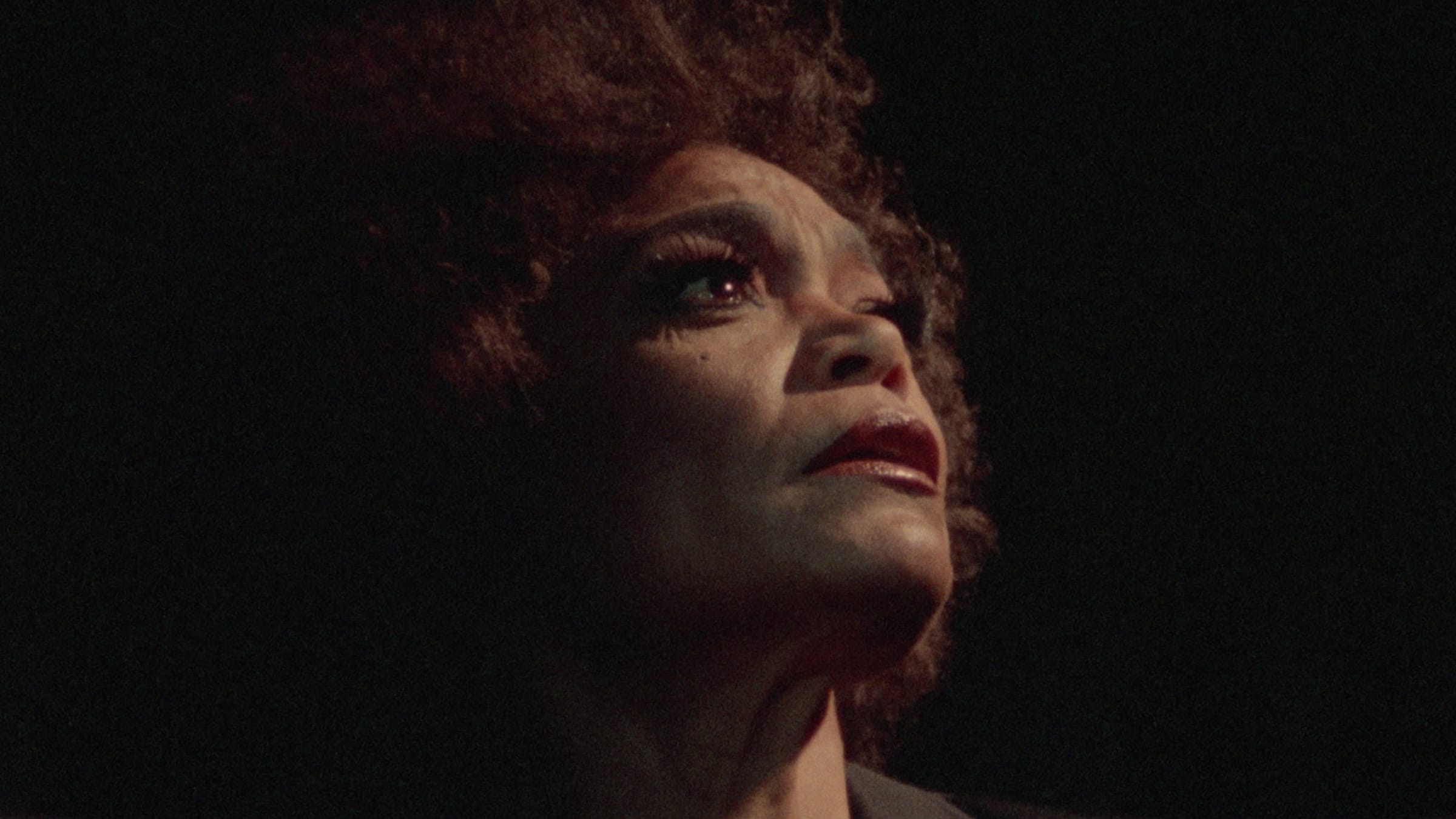
At the entrance of the 2022 exhibition Enfin le cinéma! at Paris’s Musée d’Orsay were no less than three late-nineteenth-century representations of the ancient Greek myth of the sculptor Pygmalion and his creation Galatea: a painting by Jean-Léon Gérôme, a sculpture by Auguste Rodin, and a film by Georges Méliès. Each artist was telling the same story, in which a man becomes enamored with a female likeness he has fashioned out of ivory. The benevolent goddess Aphrodite grants life to this perfect being, who then marries her maker. The show’s curators suggested that this scenario articulates an age-old yearning that the invention of film could finally satisfy, since the medium is able to turn hard stillness into fluid motion, bestowing a semblance of life where none had been. Yet there was another resonance between the Pygmalion story and the cinema that came to my mind that day in Paris, one that returned while watching the five films Melissa Anderson has selected for her Criterion Channel series Actresses Unfiltered: unfolding along distinctly gendered lines, this myth of creation and control is also an enduring heterosexual fantasy that has undergirded the dynamic between directors and actresses—a fantasy that has been both tenacious and, as Anderson’s series shows, fiercely contested.
By imagining an ideal creature cut to the measure of her creator’s desire, the Pygmalion myth vents a dissatisfaction with women as they are. It rehearses a desperate wish for a manufactured femininity that would be eminently malleable and externally authored. Is this not what we find littered throughout film history, not only in movies such as Vertigo (1958), My Fair Lady (1964), and Pretty Woman (1990), which thematize the allure of soft putty, but also in the dynamics between male directors and female performers that have shaped so many productions? An actress’s name, clothing, accent, hair color, body shape, even her face: everything about her can be made over to suit given specifications. She must submit to the master’s will—at least until she is deemed too old and is thrown on the scrap heap. She is not just putty, but pawn and puppet.




More: Features
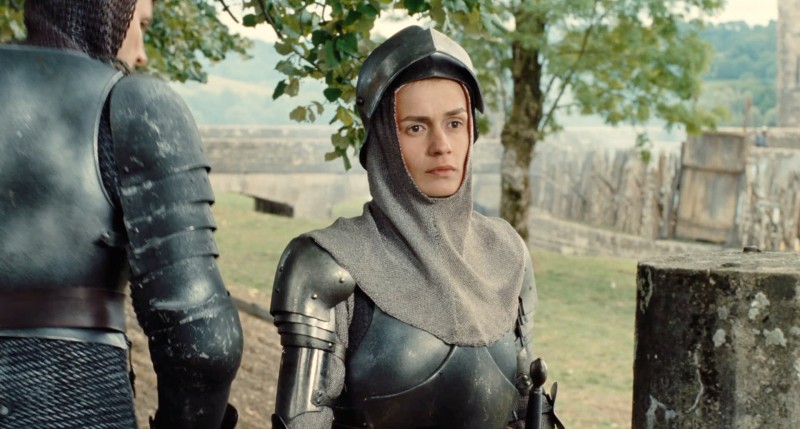
Jacques Rivette Envisions a More Human Joan of Arc
Anchored by an extraordinary performance from Sandrine Bonnaire, the epic historical drama Joan the Maid strips away its saintly protagonist’s mythic aura and gives us a humbler, more intimate version of her life story.

Anthologized: The World of W. Somerset Maugham On-Screen
The elegantly crafted portmanteau films Quartet, Trio, and Encore adapt twelve spellbinding tales of deception and passion from one of the best-selling authors of the twentieth century.

The Inner Worlds of Neon Genesis Evangelion
A Japanese-television phenomenon that sparked a boom in anime production and fandom, Hideaki Anno’s magnum opus is a mind-bending mix of kinetic action, sci-fi spectacle, and introspective human drama.

James Baldwin Looks Back
The illuminating 1982 documentary I Heard It Through the Grapevine follows the celebrated author on a journey through the American South, as he attempts to reckon with the legacy and losses of the civil rights movement.