Life in the Raw: The Pre-Code Films of Mervyn LeRoy
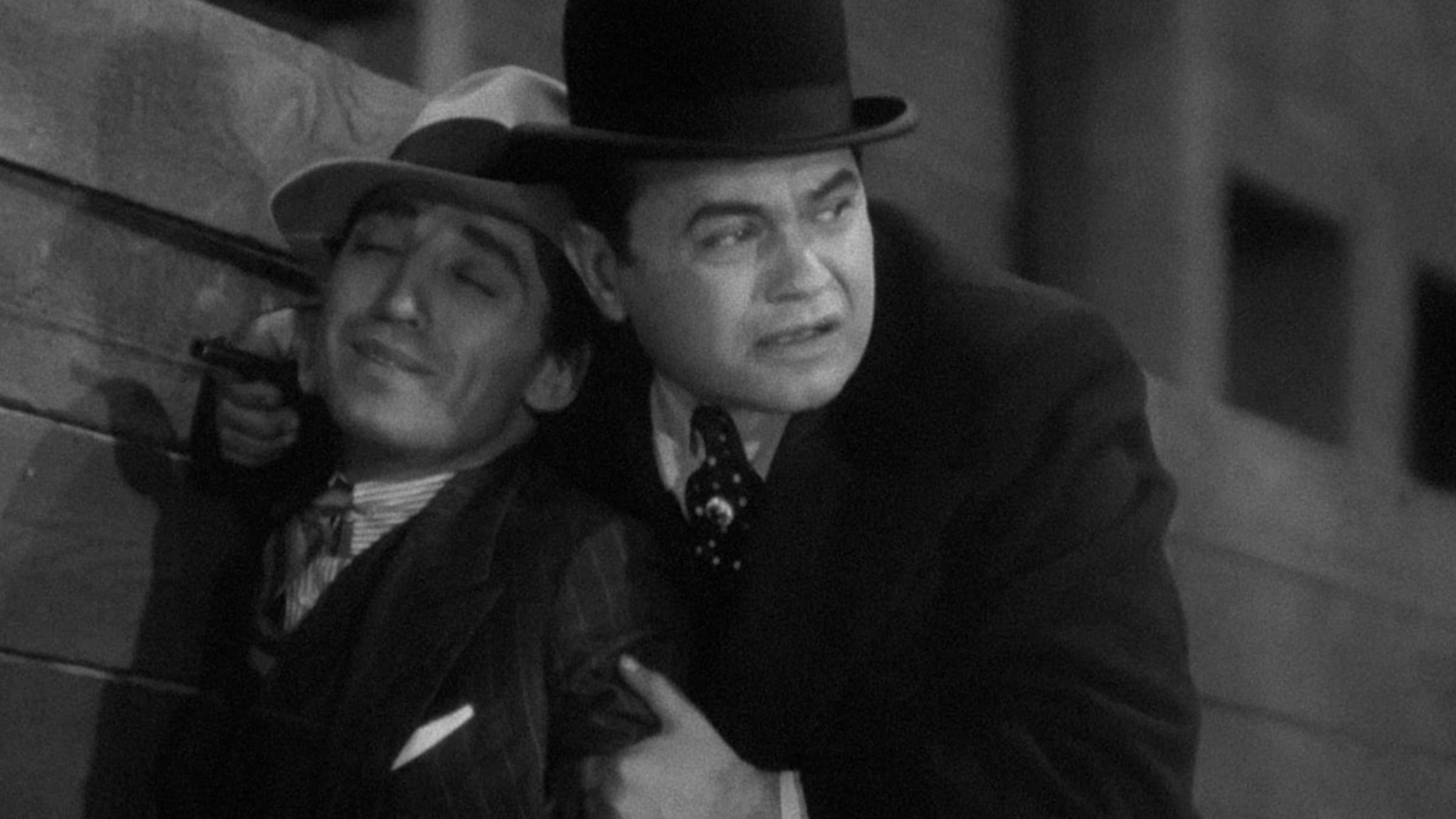
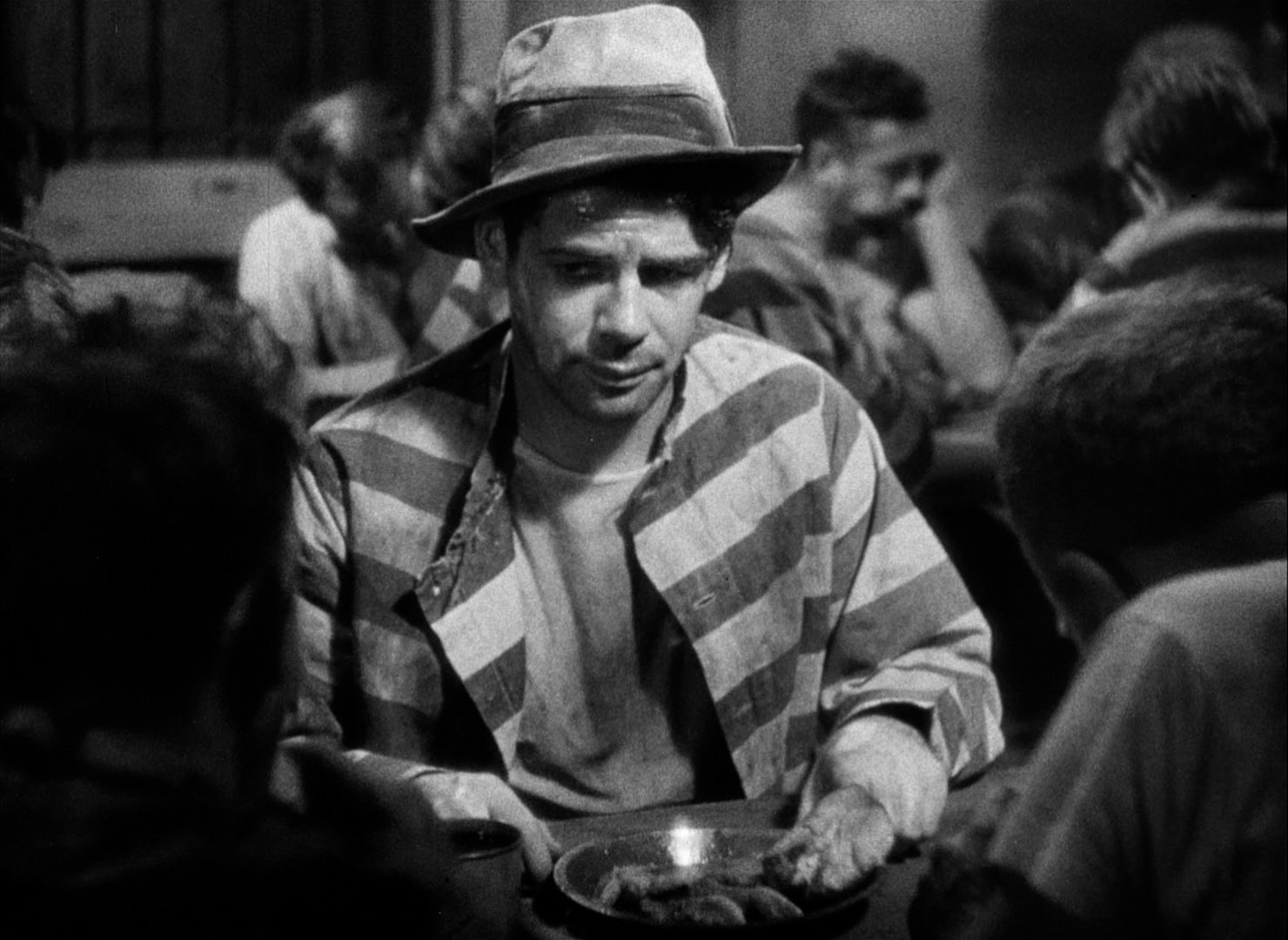
A prolific Hollywood veteran who made an indelible mark at Warner Bros. in the 1930s, Mervyn LeRoy is not widely known as a particularly personal filmmaker. Today, much of his reputation rests on one wholesome classic he produced—The Wizard of Oz (1939)—as well as a string of glossy literary adaptations he directed in the following decades, including Quo Vadis (1951). But in his early years, LeRoy was making a rather different kind of movie—boundary-pushing work that reflected the hardscrabble conditions of his own childhood. As he later recounted in his 1974 autobiography Mervyn LeRoy: Take One: “I saw life in the raw on the streets of San Francisco. I met the cops and the whores and the reporters and the bartenders . . . When it came time to make motion pictures, I made movies that were real, because I knew at first-hand how real people behaved.”
LeRoy’s jaundiced view of American society was able to flourish in the brief period known as the pre-Code era—a stretch of years before censorship protocols began to be strictly enforced. By 1922, industry moguls had introduced self-regulation as a way of addressing the emergence of local censorship boards in various parts of the United States, which threatened to disrupt exhibition by unilaterally recutting or suppressing films to comply with policies that sometimes varied state by state. The result was the creation of the Motion Picture Producers and Distributors of America and, most pointedly, in 1934, the Production Code Administration. A middle-aged Republican from Indiana, Will Hays, served as the first president of the MPPDA (now the MPA), and in 1930, he (along with a prominent Hollywood trade magazine publisher and a Jesuit priest) drafted a nineteen-page code that aimed to restrict on-screen content, including everything from profanity and nudity to depictions of venereal disease, “white slavery,” and miscegenation. But it was not until the midthirties that this code went into effect, kicking off a stretch of three decades in which Hollywood’s portrayal of reality was severely curtailed.
More: Features
Jacques Rivette Envisions a More Human Joan of Arc
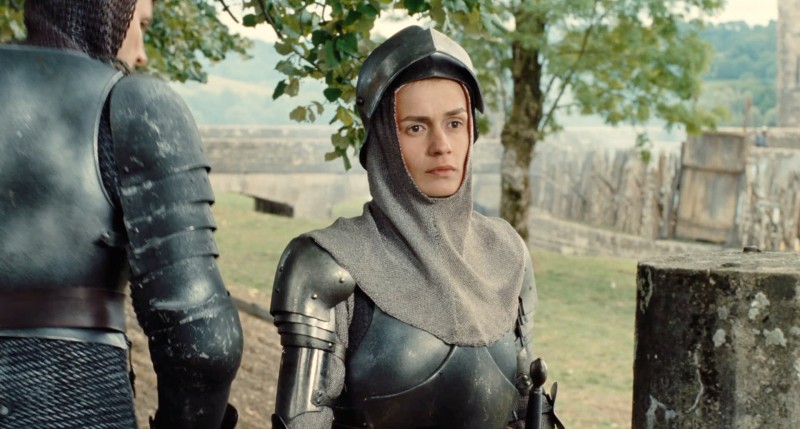
Anchored by an extraordinary performance from Sandrine Bonnaire, the epic historical drama Joan the Maid strips away its saintly protagonist’s mythic aura and gives us a humbler, more intimate version of her life story.
Anthologized: The World of W. Somerset Maugham On-Screen
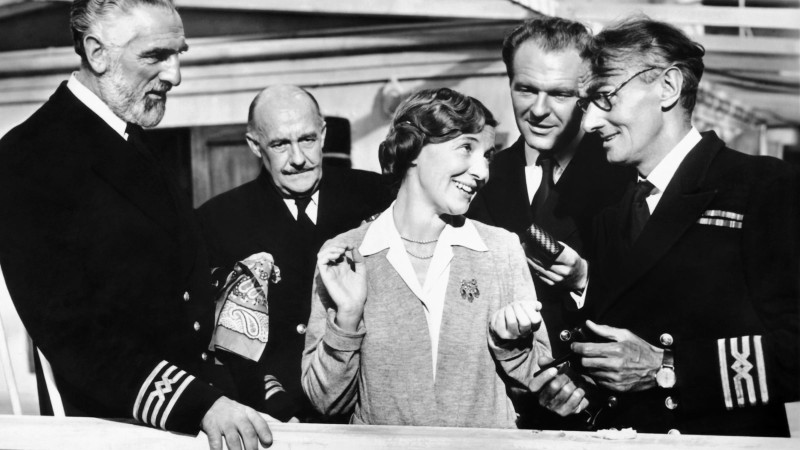
The elegantly crafted portmanteau films Quartet, Trio, and Encore adapt twelve spellbinding tales of deception and passion from one of the best-selling authors of the twentieth century.

The Inner Worlds of Neon Genesis Evangelion
A Japanese-television phenomenon that sparked a boom in anime production and fandom, Hideaki Anno’s magnum opus is a mind-bending mix of kinetic action, sci-fi spectacle, and introspective human drama.
James Baldwin Looks Back
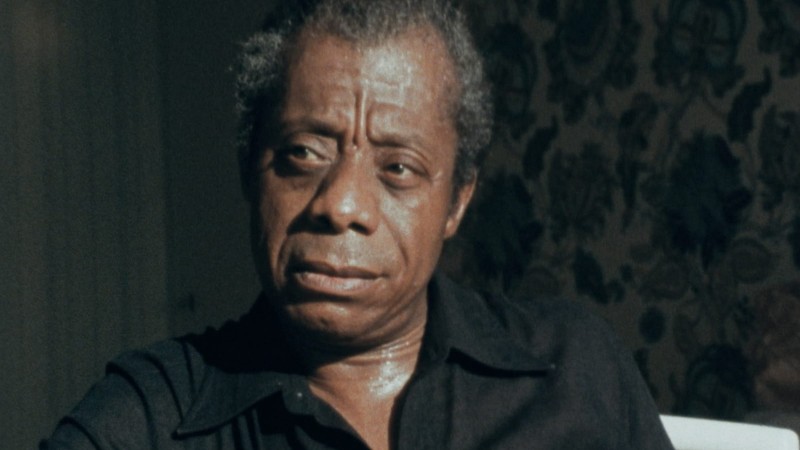
The illuminating 1982 documentary I Heard It Through the Grapevine follows the celebrated author on a journey through the American South, as he attempts to reckon with the legacy and losses of the civil rights movement.