The Politically Trenchant Fables of Animation Pioneer Moustapha Alassane
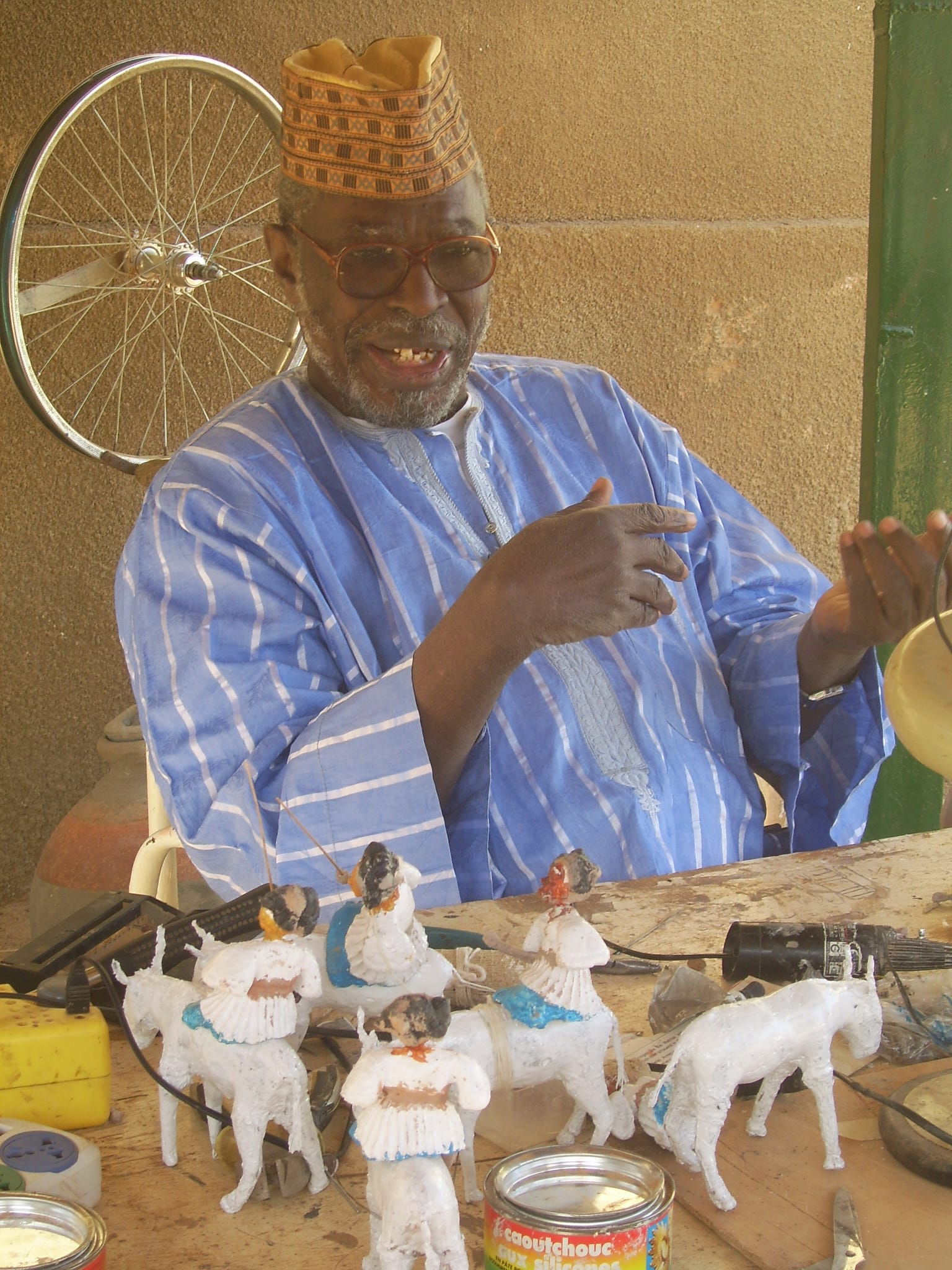
As independent West African states supplanted former French colonies in the 1960s, politically driven cinema functioned as a cultural enactment of their nation-building efforts. Among the luminaries of what became a collective, continental film movement was Alassane Moustapha (commonly referred to as “Moustapha Alassane,” according to the conventional inversion of African names enforced by the French, famously defied by the Senegalese director Ousmane Sembène). Moustapha’s protean practice as a filmmaker, animator, and educator was instrumental in bringing about a cinematic golden age in his native Niger. Tinged with a sly sense of humor, his variegated experiments with form were impelled by a limitless curiosity and unadulterated enjoyment of making images move. Two of the over thirty works he made across four decades were meaningful yet fraught historic breakthroughs: Aouré (1962) was one of the earliest works of fiction in Black African cinema as well as Niger’s first film, while The Death of Gandji (1965) marked the genesis of animation after colonization. Unambiguously well-credentialed, Moustapha was a technician, magician, and artisan whose creatively unrestrained and politically mordant filmography demands further consideration and circulation.
Moustapha’s passing in 2015 at the age of seventy-three catalyzed an appreciable effort to solidify his legacy. Hefty acclaim among his contemporaries had not prevented him from being sidelined within the history and collective memory of African filmmaking. The reasons for such neglect are both broad and specific. Running counter to the emergence of African cinema as a political project, the conventional canon was influenced by the inheritances of colonization. The fate of filmmakers throughout the continent has been tethered to that of their nations, and Niger’s once-prominent place in the story of cinema was short-lived, owing to the absence of a sustained film infrastructure. Another factor in Moustapha’s overlooked legacy is the difficulty of classifying this maverick figure. As much a multimedia artist as a cineaste, he took an idiosyncratic approach to folkloric storytelling that did not correspond to the standardized conception of cinema as a vehicle for Pan-African nationalist liberation; instead of straightforwardly political content, he favored fables, morality tales, and tropes of popular genre filmmaking. Nevertheless, his body of work constitutes a keen examination of the fluctuations of postindependence Nigerien society, the hypocrisies of the local bourgeoisie, and the multivalent effects of Western culture.