Michael Roemer’s Patient and Unflinching Study of Mortality
It feels absurd to call the death of a ninety-seven-year-old man “untimely.” And yet Michael Roemer’s passing in May in Vermont felt exactly like that. He had remained remarkably active right to the end—just a couple of weeks earlier, he had been reviewing a newly struck print of his 1980 drama Pilgrim, Farewell at the Yale Film Archive. A few months before that, he had done post-screening Q&As and introductions in New York and New Haven for the theatrical runs of that picture and his 1976 documentary Dying, both having recently been restored by the Film Desk. This came on the heels of the same company’s triumphant 2022 restoration and theatrical release of his 1984 masterpiece Vengeance Is Mine. All of which is to say that at the time of his death, Roemer felt to many cinephiles like a new discovery—though his last directing credit was for a film made forty-one years ago. Even I felt this way, and I’d been a student of his in the 1990s. Although I took four separate classes with Roemer over four years, he so rarely spoke about his own work that I knew almost nothing about his films when I was in college. Years later, as the restorations of now-established, once-ignored classics like Nothing but a Man (1964) and The Plot Against Harry (made in 1969, released theatrically in 1989) came out, I finally watched them. I was wowed by what I saw.
There is a reason for the enduring freshness of Roemer’s work. With their unadorned elegance and emotional precision, his films don’t really seem like they belong to any era. Pilgrim, Farewell and Vengeance Is Mine, two scripted features that initially aired as part of PBS’s American Playhouse series, ran counter to the prefab sentiment and high-concept sensationalism of theatrical features in the early 1980s, as well as the canned theater of TV movies during that period. But they also stand out now—for their stripped-down sincerity, for Roemer’s patient eye and his ability to capture striking, almost surreal moments that nevertheless immediately feel true. The characters in these movies often do strange, sudden things, the kinds of things that most screenwriting textbooks (and certainly production executives) would warn against; and yet, as soon as we witness such moments in Roemer’s films, we recognize that this is, in fact, how we humans behave in desperate, hopeless circumstances.
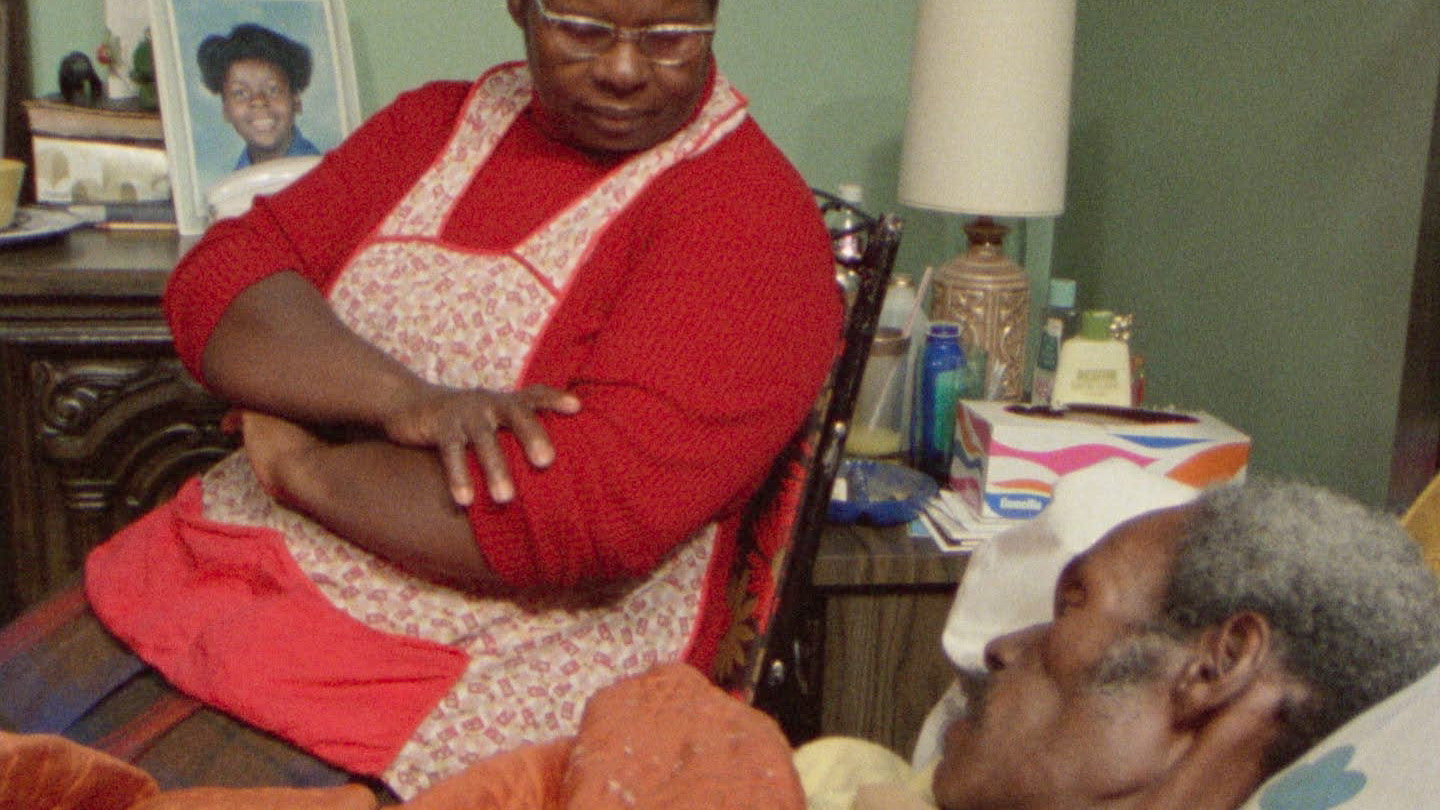
This all clearly came from Roemer’s observations of real people. On the surface, Dying and Pilgrim, Farewell, which were rereleased together earlier this year, make for a grim double bill—one an unflinching documentary and the other a narrative drama, both about the terminally ill. In the fictional Pilgrim, a dying artist (Elizabeth Huddle) rages against her loved ones, whipsawing from pity to contempt to sarcasm to savagery, sometimes over the course of a single scene. The picture is clearly informed by what Roemer witnessed during the preparation and production of the nonfictional Dying some years earlier. For that film, he had spent the better part of two years following various individuals as they lived out the last days of their lives.
Dying focuses on three of these people, with each section of the eighty-two-minute film presenting the relentless progression of their cancers. The first subject, Sally, is confined to a bed, her head bearing the evidence of past surgeries. Another, Bill, tries to maintain as normal a life as possible, even though his imminent demise from melanoma is clearly tearing his young family apart. In the final part, a preacher, Reverend Bryant, meets with his doctor, plays with his grandkids, delivers a sermon, and travels to the places of his youth; the movie ends with a vibrant, emotional funeral service and a final kiss from his grieving wife.



More: Features
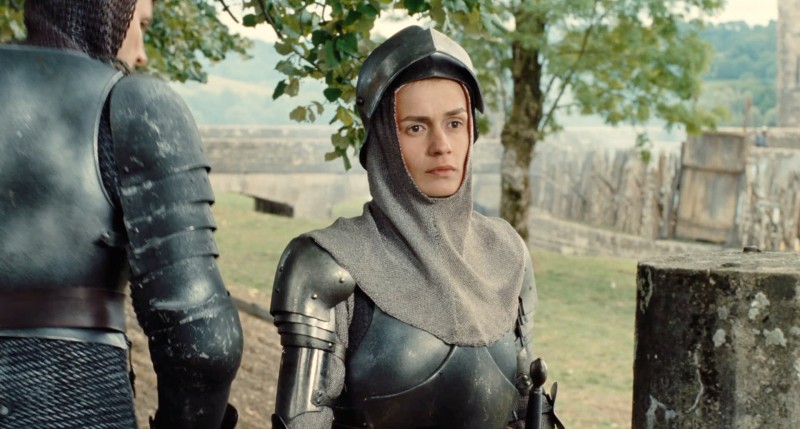
Jacques Rivette Envisions a More Human Joan of Arc
Anchored by an extraordinary performance from Sandrine Bonnaire, the epic historical drama Joan the Maid strips away its saintly protagonist’s mythic aura and gives us a humbler, more intimate version of her life story.
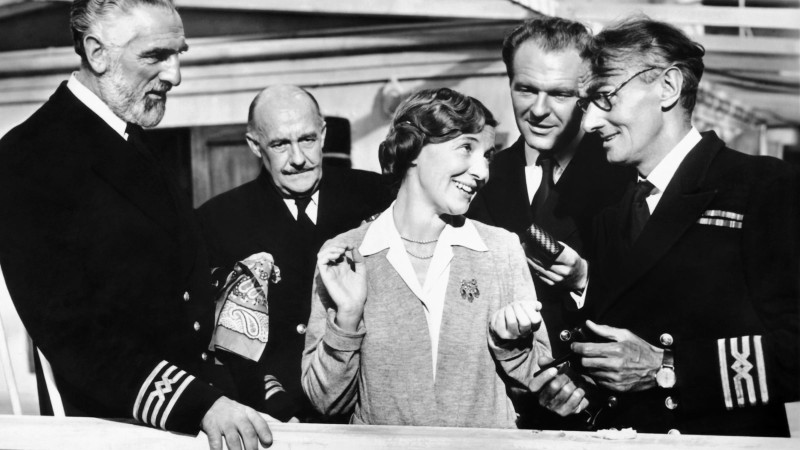
Anthologized: The World of W. Somerset Maugham On-Screen
The elegantly crafted portmanteau films Quartet, Trio, and Encore adapt twelve spellbinding tales of deception and passion from one of the best-selling authors of the twentieth century.

The Inner Worlds of Neon Genesis Evangelion
A Japanese-television phenomenon that sparked a boom in anime production and fandom, Hideaki Anno’s magnum opus is a mind-bending mix of kinetic action, sci-fi spectacle, and introspective human drama.

James Baldwin Looks Back
The illuminating 1982 documentary I Heard It Through the Grapevine follows the celebrated author on a journey through the American South, as he attempts to reckon with the legacy and losses of the civil rights movement.