Ham, Eggs, and Milk: Bigas Luna’s Mediterranean Diet
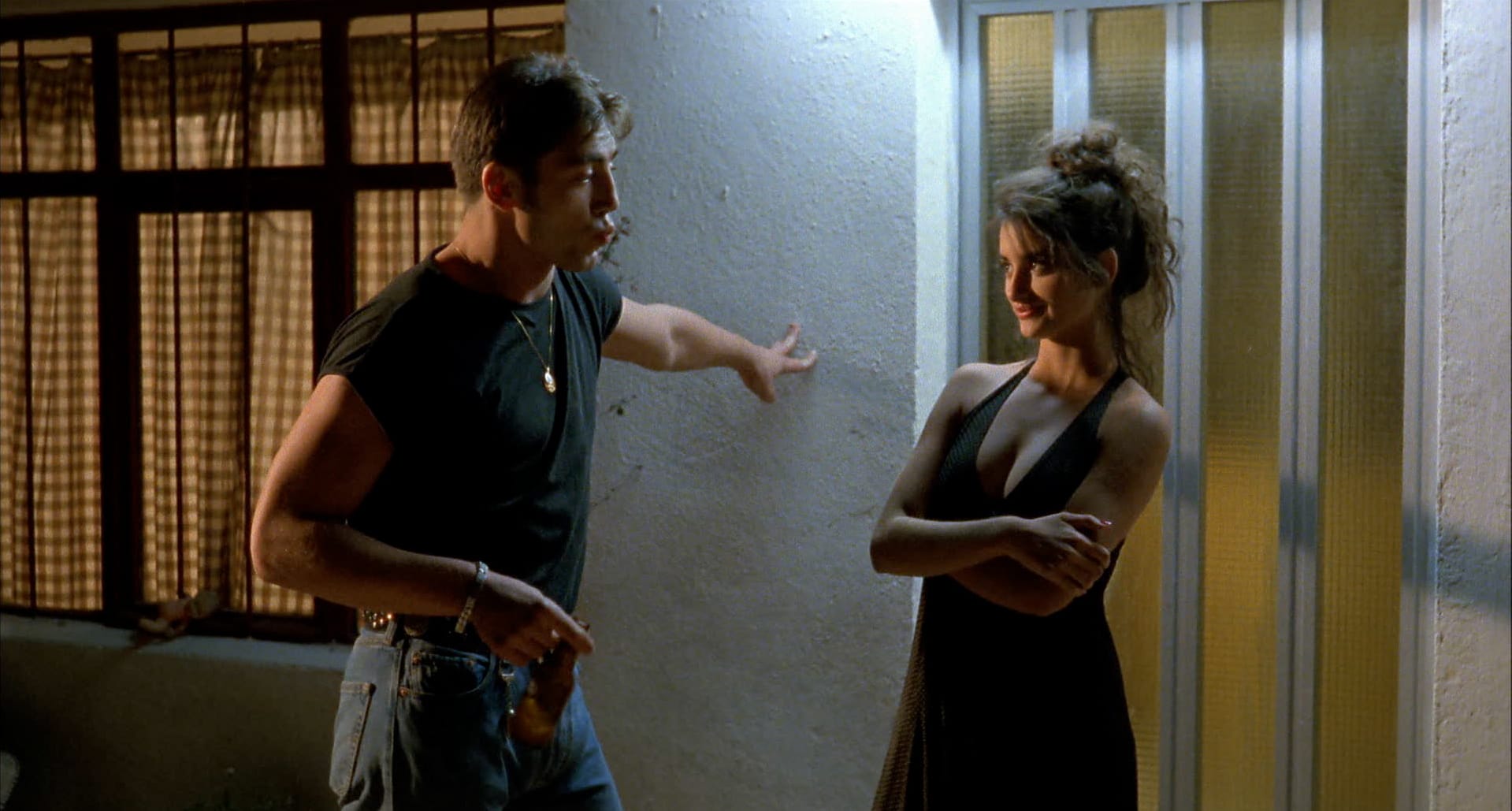
Bigas Luna was one of Spanish cinema’s most original directors. Drawing on early experiences in the visual arts, video, and interior design, Luna forged a unique filmography that brought together his interests as a painter, writer, designer, and photographer. His universe was singular and easily recognizable, marked by an easy-flowing Mediterranean eroticism. A sincere appreciation of sensuality runs through it, along with a voyeuristic strain of fascination with the darker sides of human sexuality. He distilled his style through the slow sifting of a broad range of influences: in his output, Andy Warhol rubs elbows with Ignacio F. Iquino, Luis García Berlanga, Luis Buñuel, and Alfred Hitchock. Traces of conceptual art, pop art, surrealism, and postmodernism can be found throughout his oeuvre. His aesthetic boldness wasn’t always welcomed or understood by critics. He took risks and sometimes capsized. But his films never lacked honesty or integrity, gathering up his dreams, obsessions, and anxieties—and a few of his small perversions.
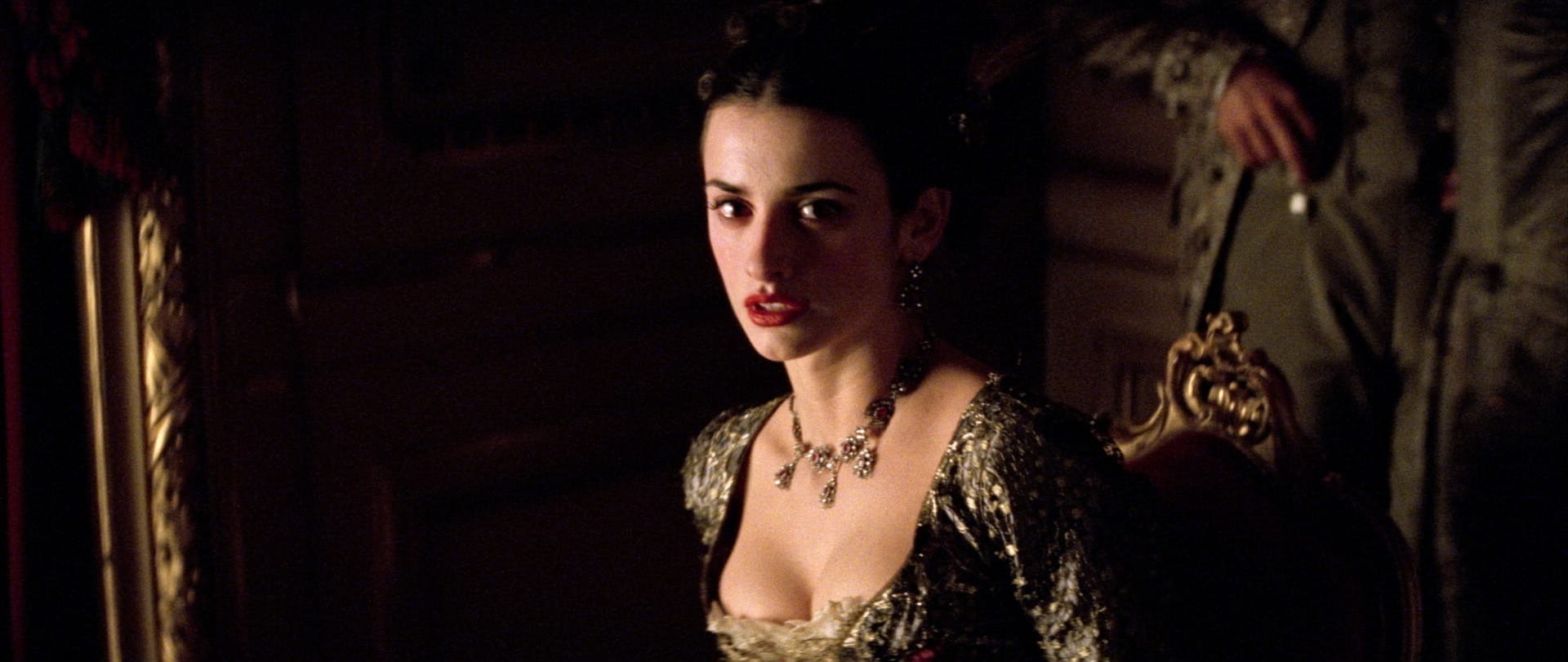
Luna’s early work dazzled. Bilbao (1978) and Poodle (1979) won him a cult following. Released amid the convulsions of political and social transition in the years following Franco’s death, these boundary-breaking, provocative films were battering rams against the moral hypocrisy and double standards of the Catalan bourgeoisie. Later, Luna gradually abandoned the incendiary mode of his early films and refined his approach further, cultivating a more classical style. From the sordid, wild cinema of his early years, Luna’s gaze softened and became more humane over time. Direct reproach was concealed by irony, caricature, and the grotesque; sensuality and evocative visual metaphor came to the foreground. Luna considered himself a fabulist, a spinner of tall tales. These stories were self-revealing, but they weren’t self-absorbed. He always kept the viewer in mind, drawing them into a game of powerful and suggestive imagery. For Luna, his films were above all an invitation to live life fully, taking in its pleasures great and small.
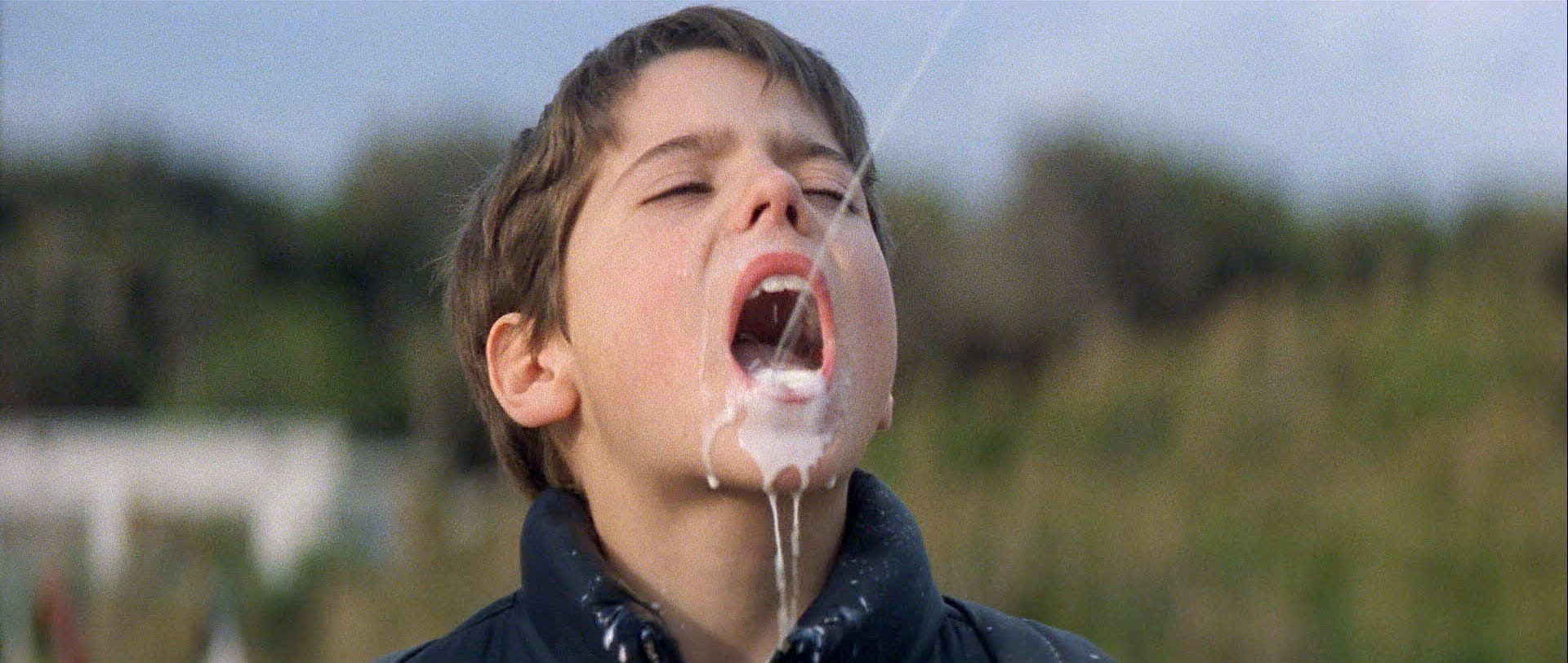
In the early 1990s, Luna earned his broadest audience yet—both in Spain and internationally—with a trio of films that exemplify these playful tendencies. Known as the Iberian Trilogy, Jamón jamón (1992), Golden Balls (1993), and The Tit and the Moon (1994) together make up a surprising meditation on the roots of Spanish cultural identity. Here his unique vision of eroticism blends with a celebration of gastronomy. This earthy, pungent combination of food and sex reveals a great deal about a rapidly changing Spain on the cusp of a new century. Luna knew how to find poetry where others only saw vulgarity, even at the bottom of a stew pot.

More: Features
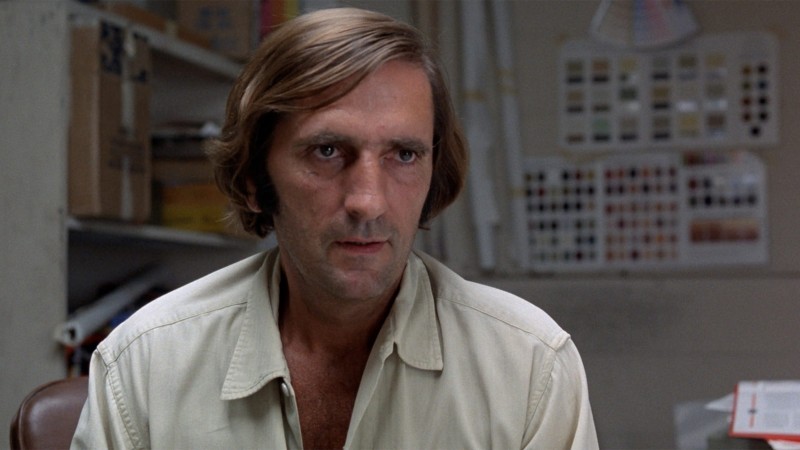
Get Me Out of Here: Harry Dean Stanton in Straight Time
In one of his greatest performances, the celebrated actor shows off his range by fusing the two modes that defined his career: the misanthropic provocateur and the soulful survivor-witness.
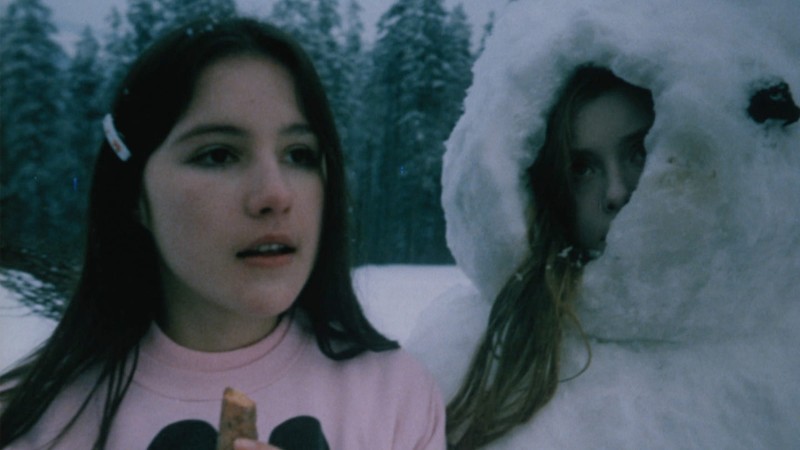
Věra Chytilová’s Boldly Antiauthoritarian Take on Teen Horror
A characteristically rebellious work from the Czechoslovak New Wave pioneer, Wolf’s Hole explores the perilous absurdities of groupthink through the story of eleven youths held captive at a skiing retreat.
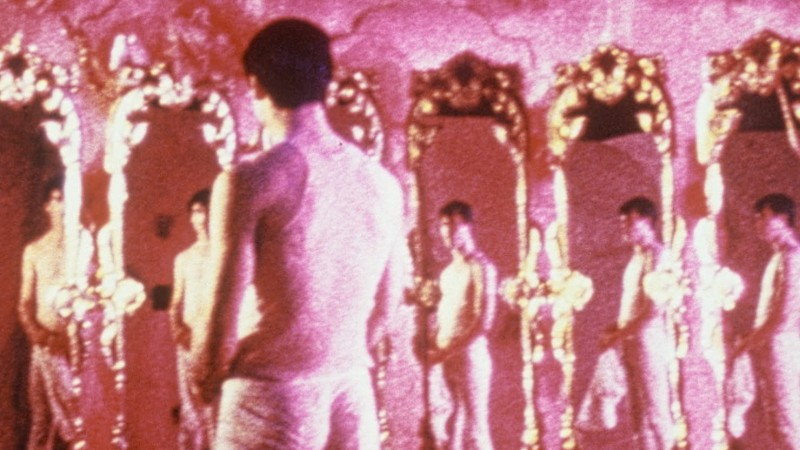
The Tawdry, Opulent World of James Bidgood’s Underground Classic Pink Narcissus
A labor of love made for cheap in its director’s Manhattan apartment, this audacious queer fantasia endures not only because of its frank sexuality but also its gentle, honest heart.

Speaking Nearby: Kimi Takesue’s Itinerant Gaze
A keen and patient observer who has taken her camera to such far-flung destinations as Peru, Laos, and Uganda, the acclaimed filmmaker immerses viewers in unfamiliar situations that highlight the fluid dynamics of human interaction.