The Pet Shop Boys’ Pop-Surrealist Oddity
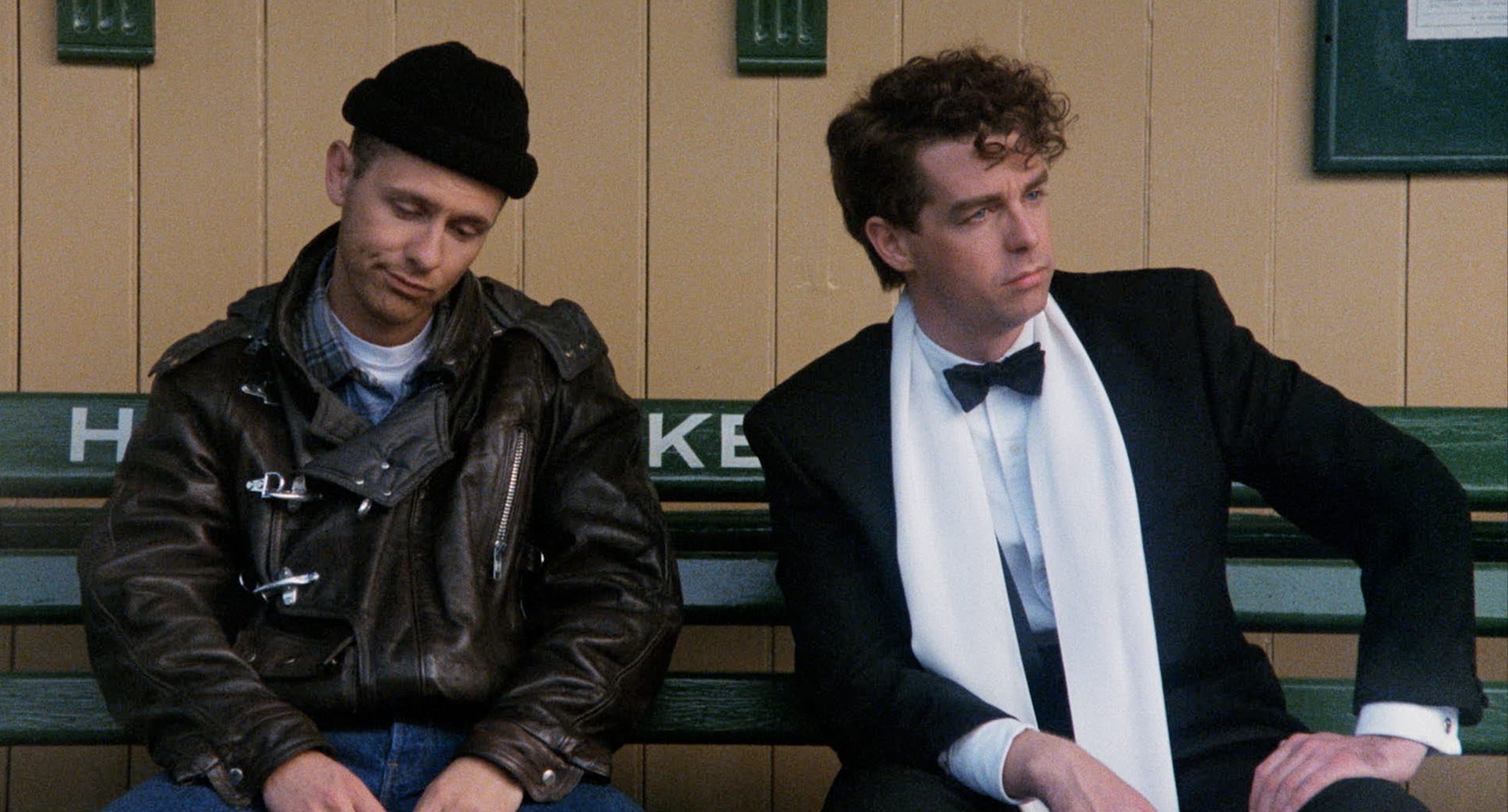
For a brief spell in the 1980s, in much of the world but especially in the United Kingdom, the Pet Shop Boys ruled pop music. The synth duo’s singer and lyricist Neil Tennant, once an editor at the magazine Smash Hits, was a keen surveyor of the scene before he became one of its biggest stars, and he would later call this the band’s “imperial phase.” During this halcyon period of critical and commercial invincibility, these improbable pop idols, known for not smiling in publicity photos and for standing stock-still while performing, racked up a string of British number-one singles and many more global hits. Whatever Tennant and keyboardist Chris Lowe attempted—a melodramatic disco stomper about Catholic guilt (“It’s a Sin”), a swaggering reinvention of a morose ballad popularized by Elvis Presley and Wille Nelson (“Always on My Mind”)—it would top the charts.
There was something both incongruous and thrilling about a sensibility as distinct as theirs attaining mainstream success, a sense that they had cracked the code of pop music while remaining outside it. Their hooks were undeniable and universal, their command of dance-music subcultures effortless, and that was hardly the extent of their polyglot fluency. These hyperliterate pop songs reveled in wit, irony, theatricality, ambivalence, and poetic allusion; if you were listening on a certain wavelength, they spoke the language of queer semaphore. The historical record will show, however, that at the height of their imperium, there was one blip—a display of hubris, perhaps, or a harbinger of an inevitable decline—and it took the form of their lone foray into cinema.
It Couldn’t Happen Here premiered in November 1987 at the London Film Festival and opened the following year, eliciting reviews that ranged from perplexed to savage. It quickly became a punchline, even for Tennant and Lowe (“A Wank of Epic Proportions,” they joked, proposing an alternative tagline), and dropped out of circulation for decades, until its restoration in 2020 by the British Film Institute. As with most movies constructed around pop stars, it was conceived as a promotional vehicle. The PSBs have since grown into a formidable live act, adept at choreographed spectacle and avant-garde costuming—as of this writing, they are in year three of their Dreamworld greatest-hits tour—but early in their career, touring was seen as a logistical challenge, and when ballooning costs caused them to scrap an engagement with the English National Opera, their record company proposed that they star in a movie featuring their music. This was hardly a novel idea, as old at least as Elvis, although in the eighties heyday of MTV, short-form clips were vastly more common than the full pageantry of a theatrically released feature film.



More: Features
Jacques Rivette Envisions a More Human Joan of Arc
Anchored by an extraordinary performance from Sandrine Bonnaire, the epic historical drama Joan the Maid strips away its saintly protagonist’s mythic aura and gives us a humbler, more intimate version of her life story.
Anthologized: The World of W. Somerset Maugham On-Screen
The elegantly crafted portmanteau films Quartet, Trio, and Encore adapt twelve spellbinding tales of deception and passion from one of the best-selling authors of the twentieth century.

The Inner Worlds of Neon Genesis Evangelion
A Japanese-television phenomenon that sparked a boom in anime production and fandom, Hideaki Anno’s magnum opus is a mind-bending mix of kinetic action, sci-fi spectacle, and introspective human drama.
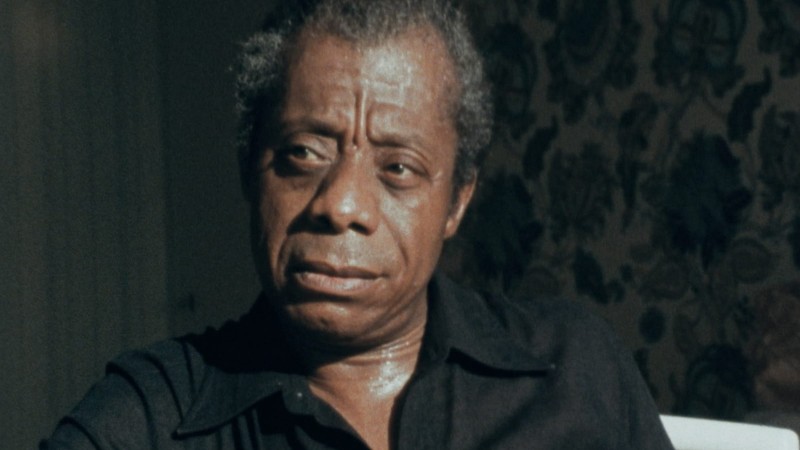
James Baldwin Looks Back
The illuminating 1982 documentary I Heard It Through the Grapevine follows the celebrated author on a journey through the American South, as he attempts to reckon with the legacy and losses of the civil rights movement.