Total Action: A Conversation with Darol Olu Kae
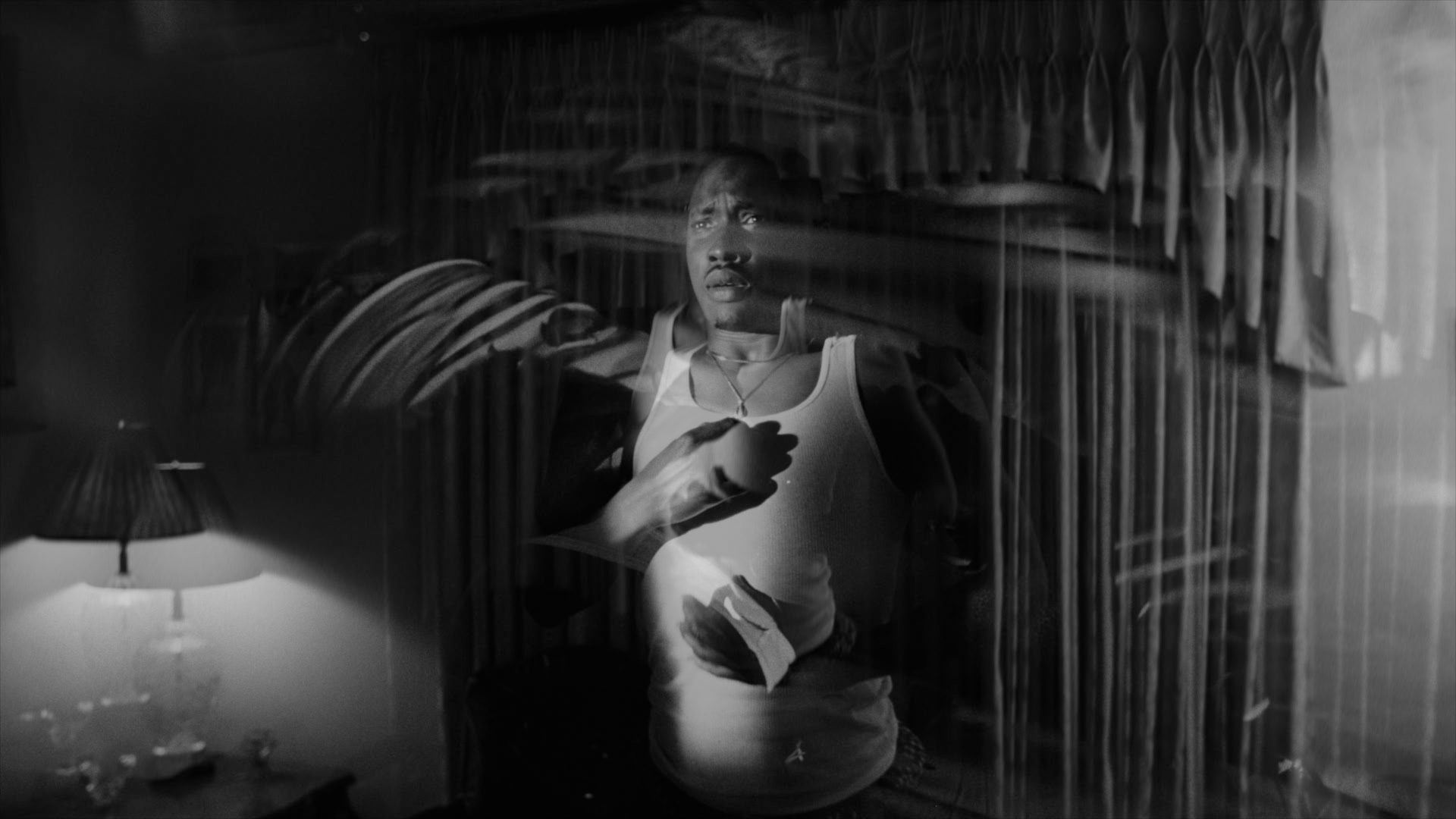
Individuation has no place in the cinematic compositions of Darol Olu Kae; his work is far more interested in affinities and interconnections between people and their histories. While Kae’s loose narrative structures, made from sampling and remixing varied audiovisual media, may initially appear fragmentary, on closer examination they reveal themselves to be fractals: each part contains the whole and exists in relation to the others. His aesthetic sensibilities are rooted in his hometown of South Central Los Angeles, the birthplace of political and cultural commitments that have guided his filmmaking. He operates with a global understanding of Black expressive culture inspired by diasporic literature and jazz, and his work has received an enthusiastic reception worldwide, at the Locarno Film Festival, International Film Festival Rotterdam, Camden International Film Festival, BlackStar Film Festival, Sundance Film Festival, and SXSW. From his collaboration with Kahlil Joseph on the evolving conceptual news program BLKNWS to his curatorial projects at museums and other cultural institutions, Kae continues to record and reimagine the life-worlds of Black people.
The triad of I Ran from It and Was Still in It (2020), Keeping Time (2023), and Blur (2025) exemplifies Kae’s assemblages of autobiography, artifice, and collective memory. The first of these films—his debut—was made during the street uprisings and virtual aftermaths of 2020, as he sought a way to remap personal losses and process them by borrowing from whatever was available to him. Because he initially did not have access to filming equipment, Kae honed the associative collisions of his editing by piecing together home movies, internet ephemera, archival materials, and clips from documentaries and films—including ones by LA-based luminaries of Black independent cinema Julie Dash and Billy Woodberry. Since I Ran from It and Was Still in It, Kae has relied on invention and refabrication. More amply resourced than his first film, in terms of both gear and budget, Keeping Time allowed for a different imaginative scope as he worked with members of the newly reconstituted avant-garde jazz group the Pan Afrikan Peoples Arkestra (known as “the Ark”), which was founded in 1961 by pianist Horace Tapscott. When Kae approached the Ark, the group was at a turning point under the new leadership of young drummer Mekala Session, whose work as the band’s timekeeper is a metacinematic analogue to how Kae’s own films keep the beat of a communal history.

More: Interviews
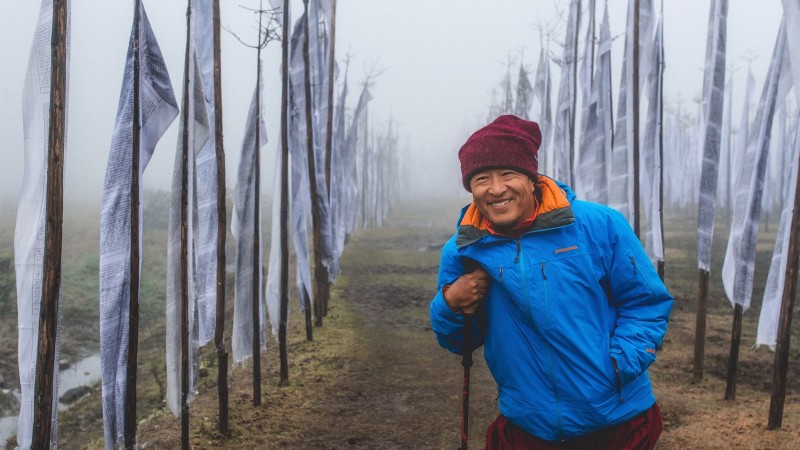
Cinema as a Buddhist Practice: A Conversation with Khyentse Norbu
The Bhutanese director and leading Tibetan Buddhist teacher talks about his wide range of aesthetic influences, his experience working with Bernardo Bertolucci, and film’s connection to meditation.
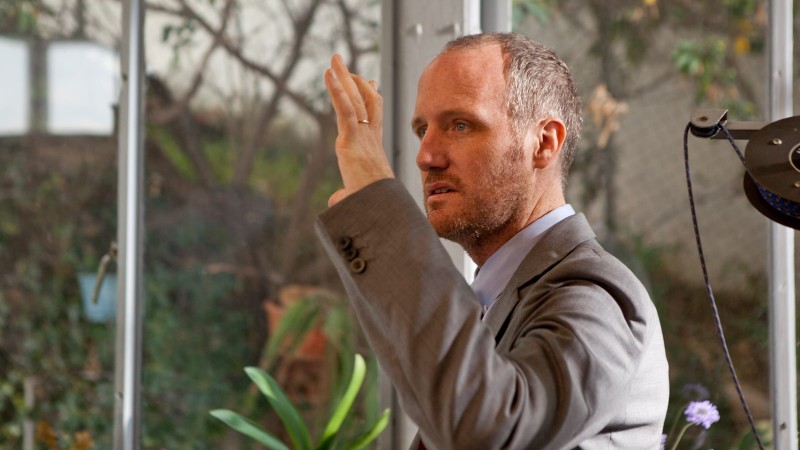
“A Radical Democracy of Images”: Mike Mills on His Work Outside of Feature Filmmaking
The filmmaker looks back on the experiences that have shaped his creative life, including his time in art school, his work as a graphic designer and music-video director, and his early interest in documentary cinema.
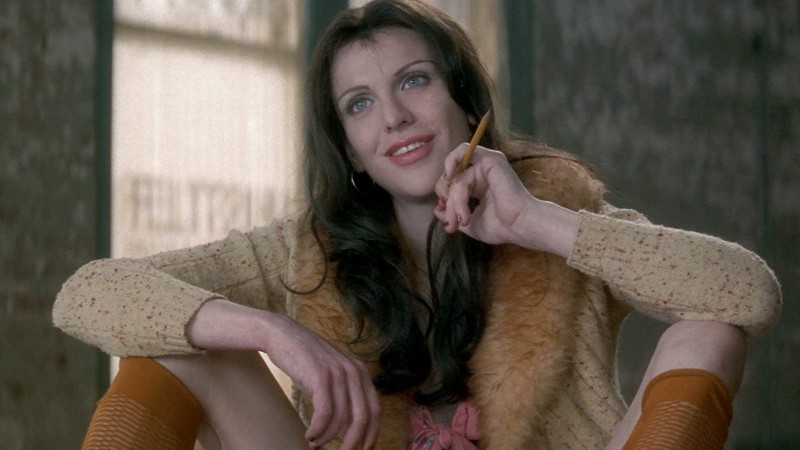
Courtney Love Looks Back on Her Life as a Movie Star
The beloved rock musician reflects on her formative experiences as an actor and her close collaborations with directors Miloš Forman and Alex Cox.
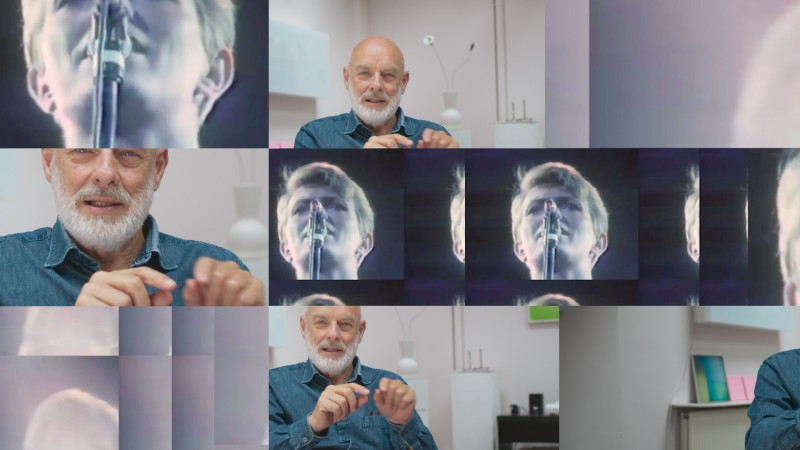
Art with a Life of Its Own: A Conversation with Gary Hustwit
The director behind such documentaries as Helvetica, Objectified, and Urbanized talks about his interest in how designers shape our world and explains the technological innovation at the heart of his new film about legendary musician Brian Eno.