Cinema as a Buddhist Practice: A Conversation with Khyentse Norbu
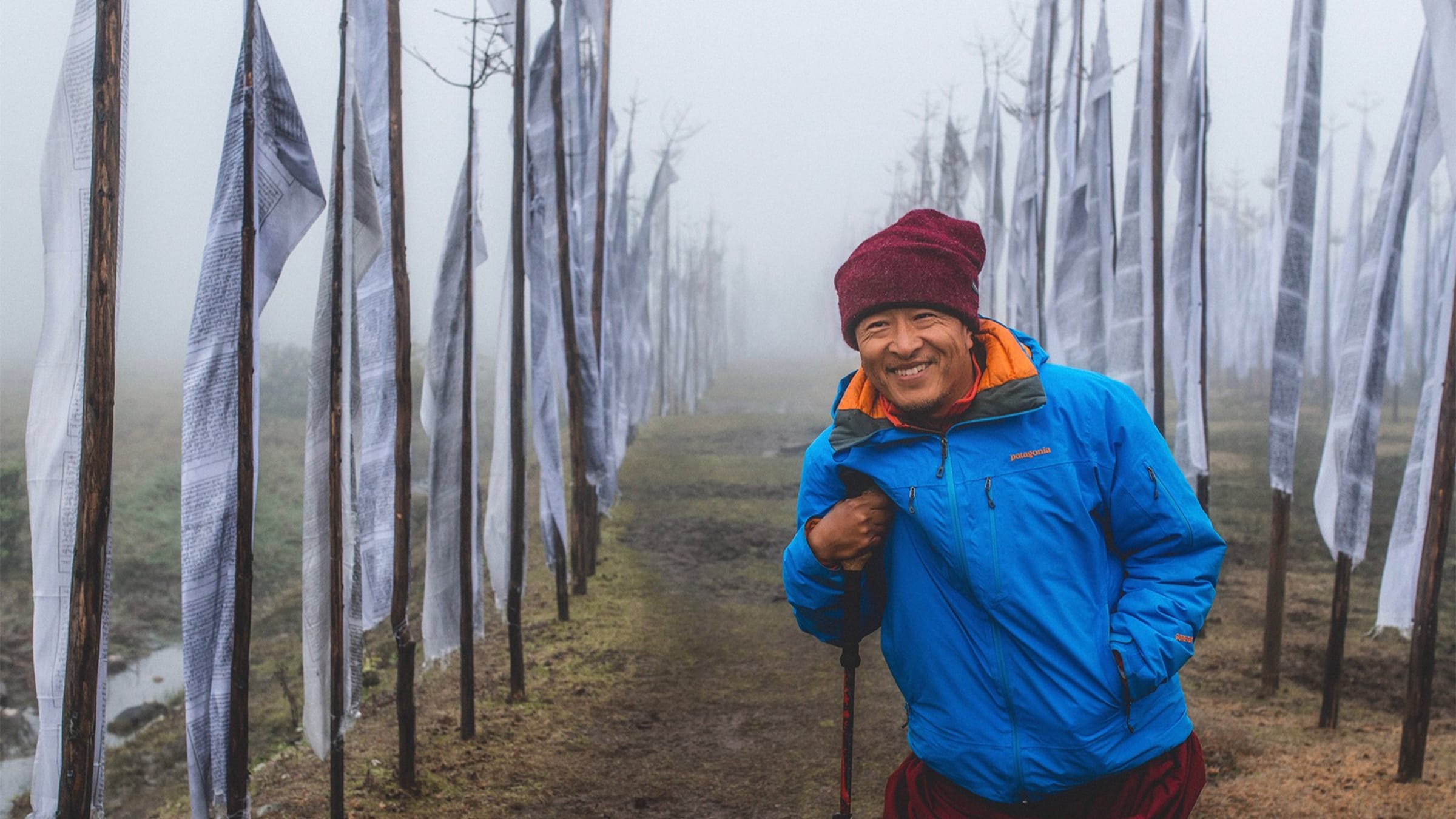
Film director Khyentse Norbu is a rare and exotic bird by any definition. He’s more widely known as Dzongsar Jamyang Khyentse Rinpoche (DJKR), a highly esteemed Tibetan Buddhist teacher with a large and thriving monastery in India, an international following, numerous published books, and an impactful nonprofit based in San Francisco, Khyentse Foundation. And yet somehow he has just directed his seventh dramatic feature. He is completely at home in both his roles, and sees no contradiction between them.
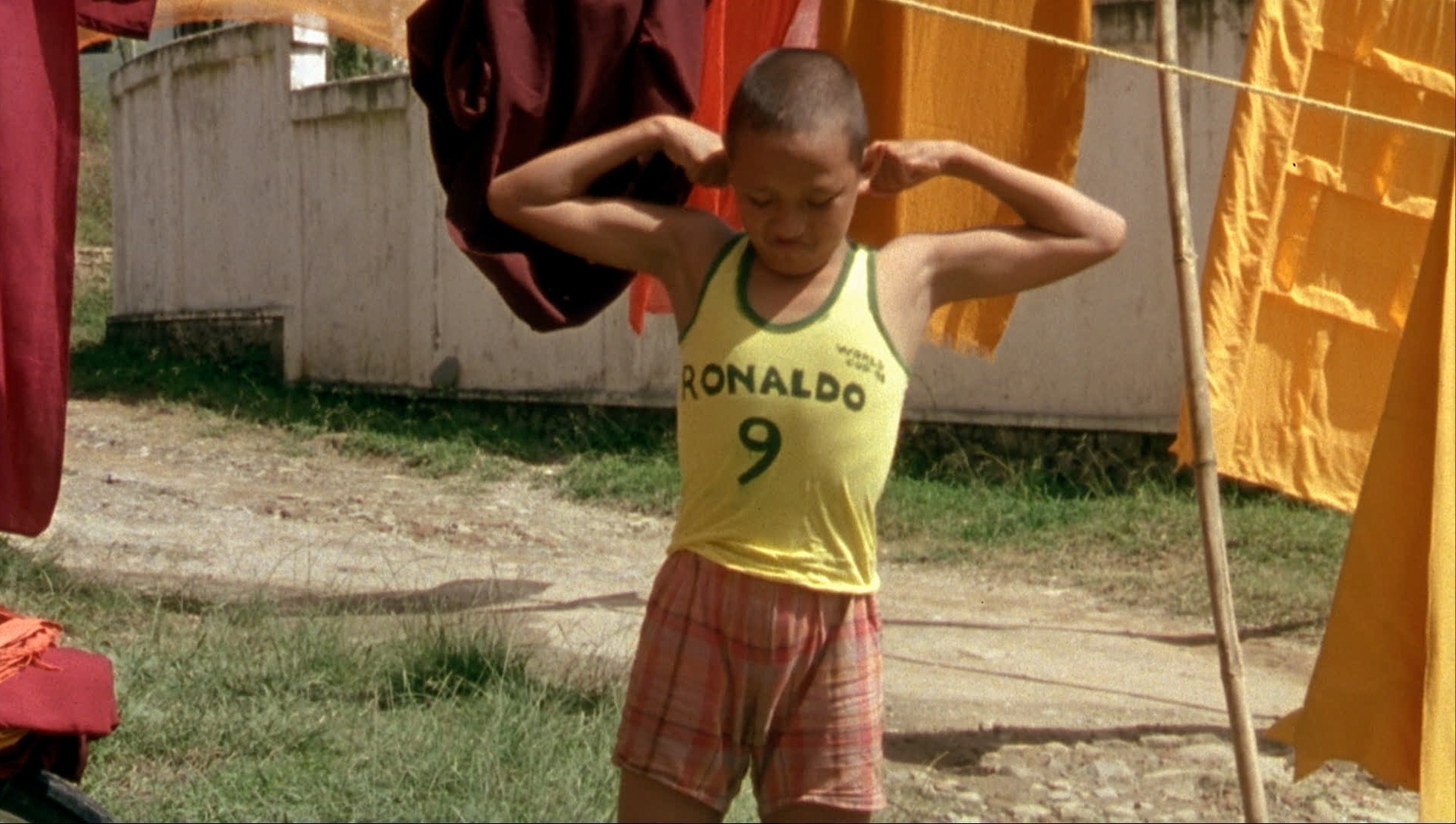
Born in 1961 in the Himalayan Buddhist Kingdom of Bhutan as the son and grandson of leading Buddhist teachers, and trained since childhood as a monk, he got his start in film as the Buddhism advisor to Bernardo Bertolucci on location for Little Buddha (1993), in which he ultimately also had a small but meaningful speaking role. Inspired by the experience, he soon after wrote his first screenplay, and the resulting feature film, directed by him and produced by the legendary Jeremy Thomas (among others), was the surprise 1999 indie hit The Cup, a neorealist dramedy about a group of soccer-obsessed young monks at a Tibetan Buddhist monastery in India.


More: Interviews
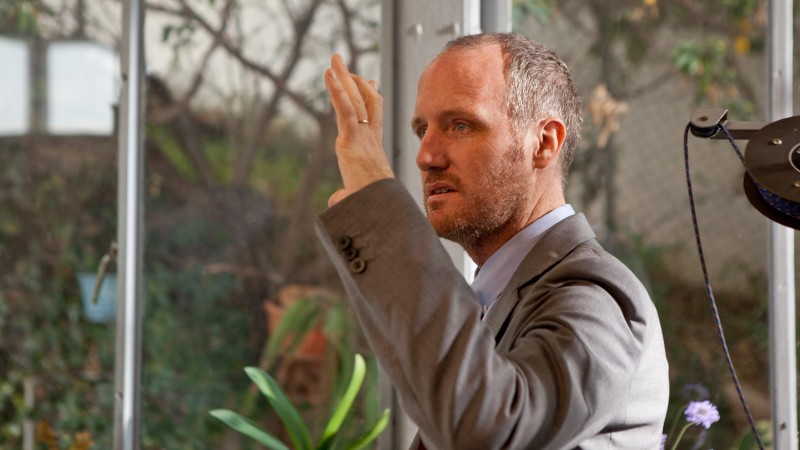
“A Radical Democracy of Images”: Mike Mills on His Work Outside of Feature Filmmaking
The filmmaker looks back on the experiences that have shaped his creative life, including his time in art school, his work as a graphic designer and music-video director, and his early interest in documentary cinema.
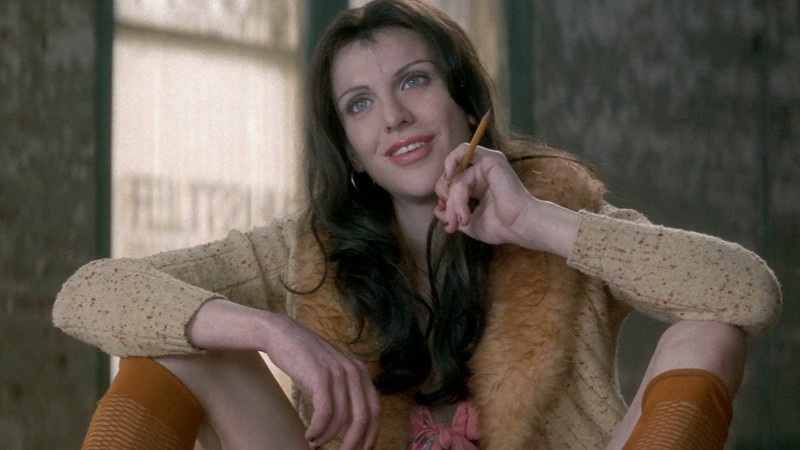
Courtney Love Looks Back on Her Life as a Movie Star
The beloved rock musician reflects on her formative experiences as an actor and her close collaborations with directors Miloš Forman and Alex Cox.
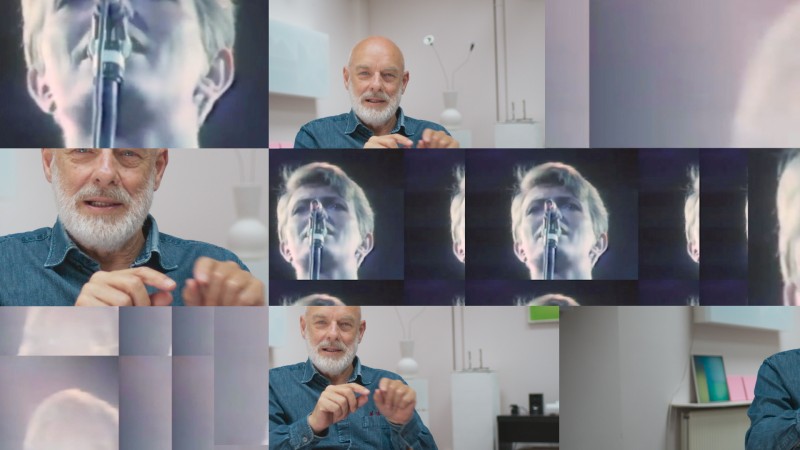
Art with a Life of Its Own: A Conversation with Gary Hustwit
The director behind such documentaries as Helvetica, Objectified, and Urbanized talks about his interest in how designers shape our world and explains the technological innovation at the heart of his new film about legendary musician Brian Eno.
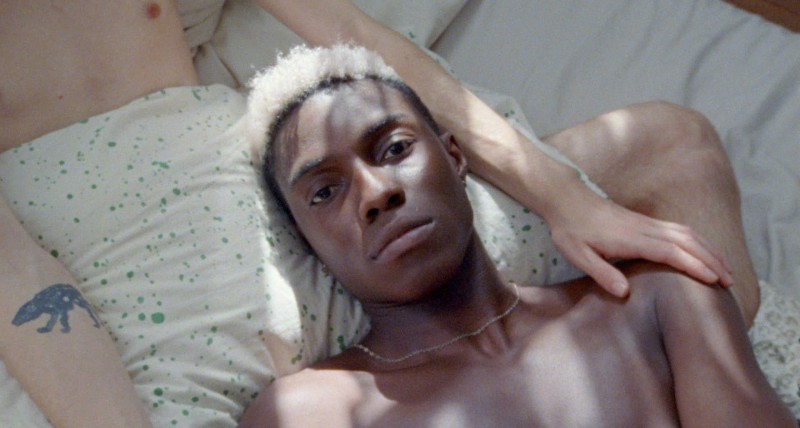
Charting the Rise of Trans Filmmaking with Caden Mark Gardner and Willow Catelyn Maclay
The curators of a showcase of trans directors now playing on the Criterion Channel discuss the work of these trailblazing artists, who have brought new layers of nuance and insight to cinematic depictions of their community.