Terror on the Airwaves
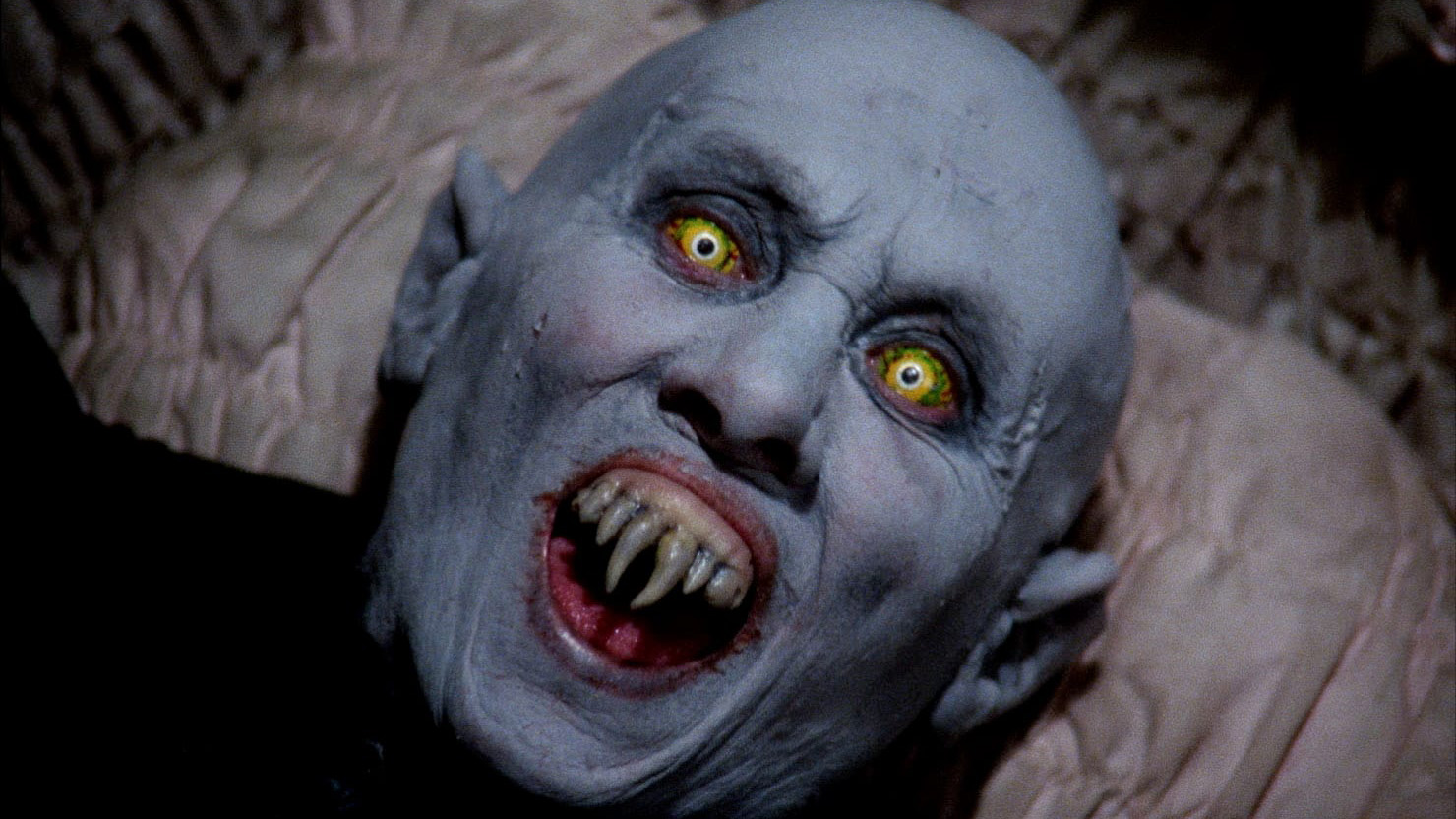
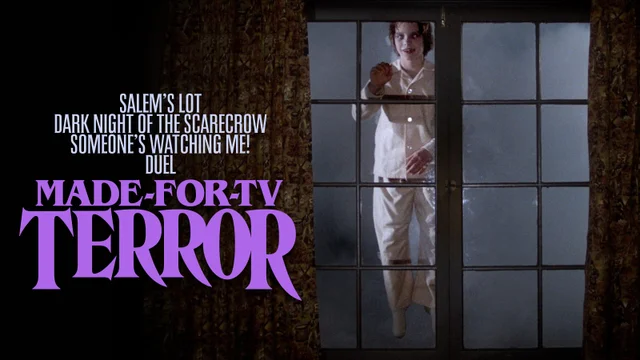
In the 1960s, American television networks opened a new front in their cold war with Hollywood: instead of licensing existing films, they would make their own, offering viewers the chance to see new feature-length movies without having to leave home. By the early 1970s, made-for-TV films were regularly broadcast by all three networks, cranked out on low budgets by new talents who would soon find their place in Hollywood, veterans who had aged out of it, and skilled craftspeople who rarely worked outside of the small screen.
Much like the B movies of the 1940s and 1950s that preceded them in spirit, runtime, and budget, made-for-TV movies included a lot of dross and dullness, and you could drive yourself mad if you took in every disaster-movie knockoff, failed pilot, and reactionary domestic comedy that aired during the decade. But, like those earlier theatrical films, the made-for-TV movie produced a bounty of simple and sometimes unexpected pleasures—if not as much subversion, thanks to the restrictions of the FCC and the whims of sponsors.
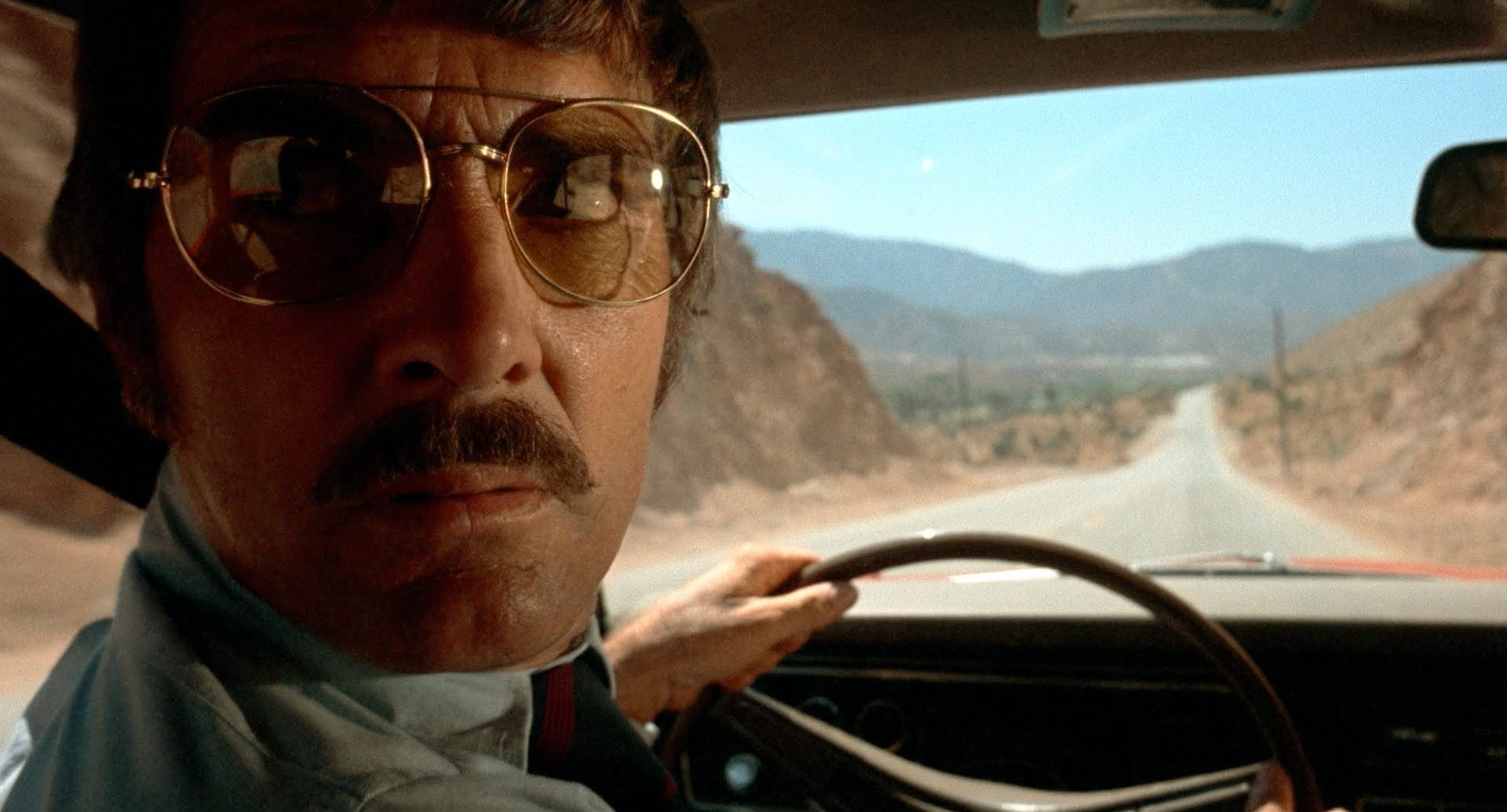
On any given evening during the 1970s, you could watch films written by James L. Brooks (Thursday’s Game), Melvin Van Peebles (Just an Old Sweet Song), or Joan Rivers (The Girl Most Likely to . . .); be introduced to the directorial talents of Steven Spielberg (Duel, included here) and Michael Mann (The Jericho Mile); or, if you were really paying attention, notice that some frequent helmers like John Llewellyn Moxey (Nightmare in Badham County) and Lamont Johnson (That Certain Summer) often turned out work that was a cut above.

More: Features
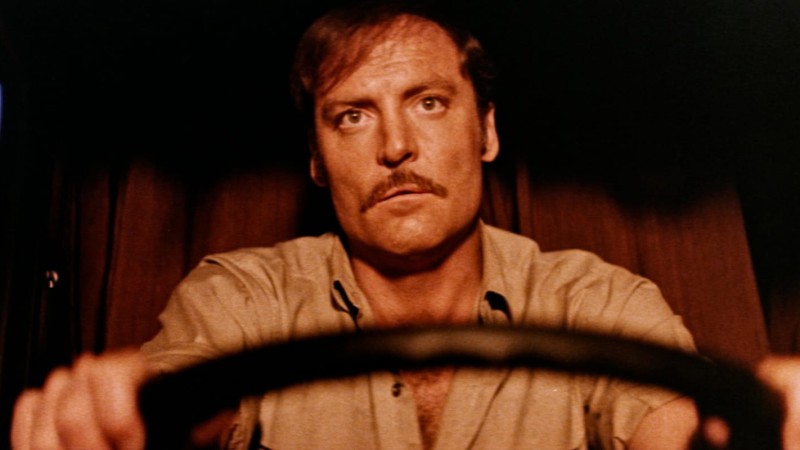
Death Is a Highway
Classics of highway horror, like Road Games, The Appointment, and Race with the Devil, present the open road as a dangerous landscape and automobiles as single-minded killing machines.
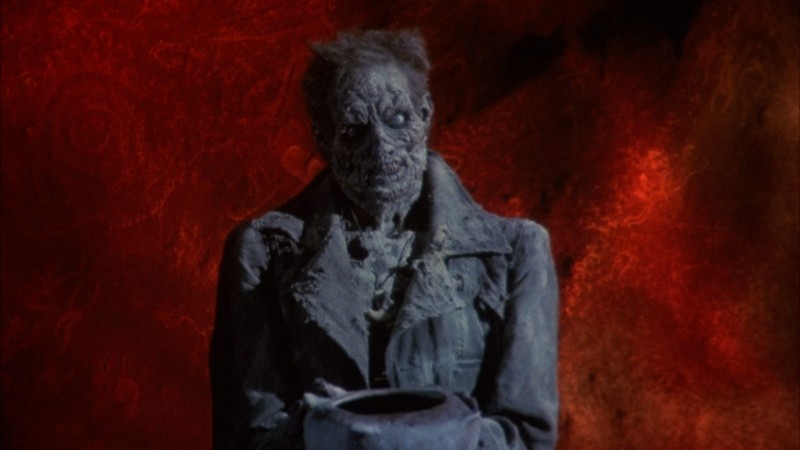
Deeper into Horror
To get you in the mood for Halloween, we invited a group of six writers and filmmakers to tell us about horror movies on the Criterion Channel that they feel deserve more attention.
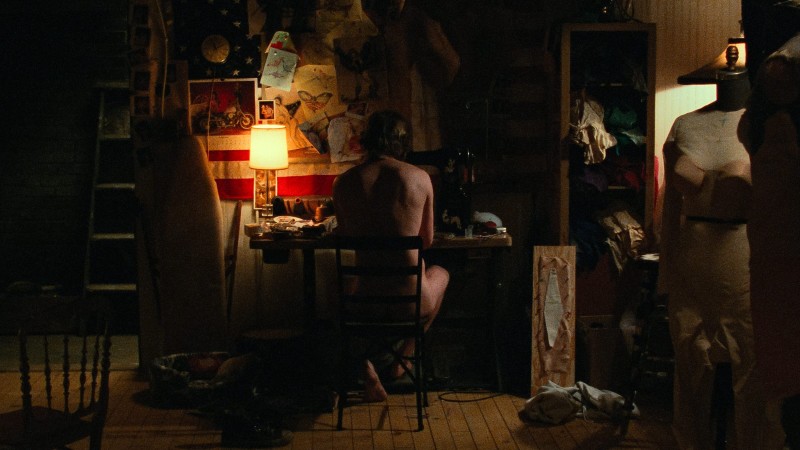
The Silence of the Lambs: Reckoning with Jame Gumb
The serial killer in Jonathan Demme’s Oscar-winning film remains a powerfully influential and dominant trans film image with a complicated legacy that cannot be taken lightly.
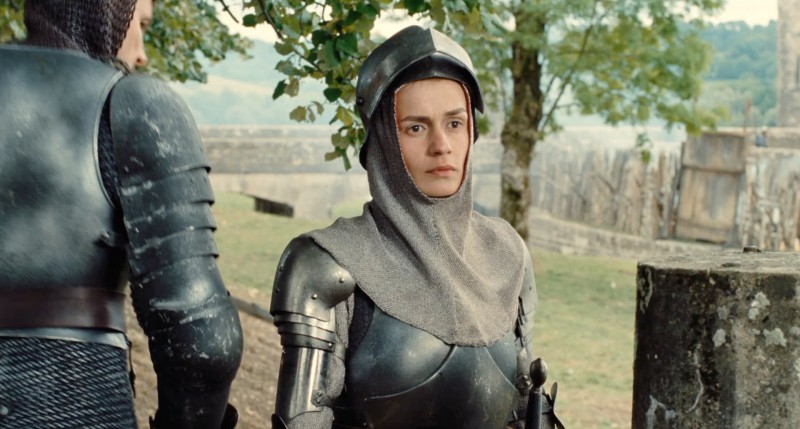
Jacques Rivette Envisions a More Human Joan of Arc
Anchored by an extraordinary performance from Sandrine Bonnaire, the epic historical drama Joan the Maid strips away its saintly protagonist’s mythic aura and gives us a humbler, more intimate version of her life story.