The Secret Agent: Left Out of History
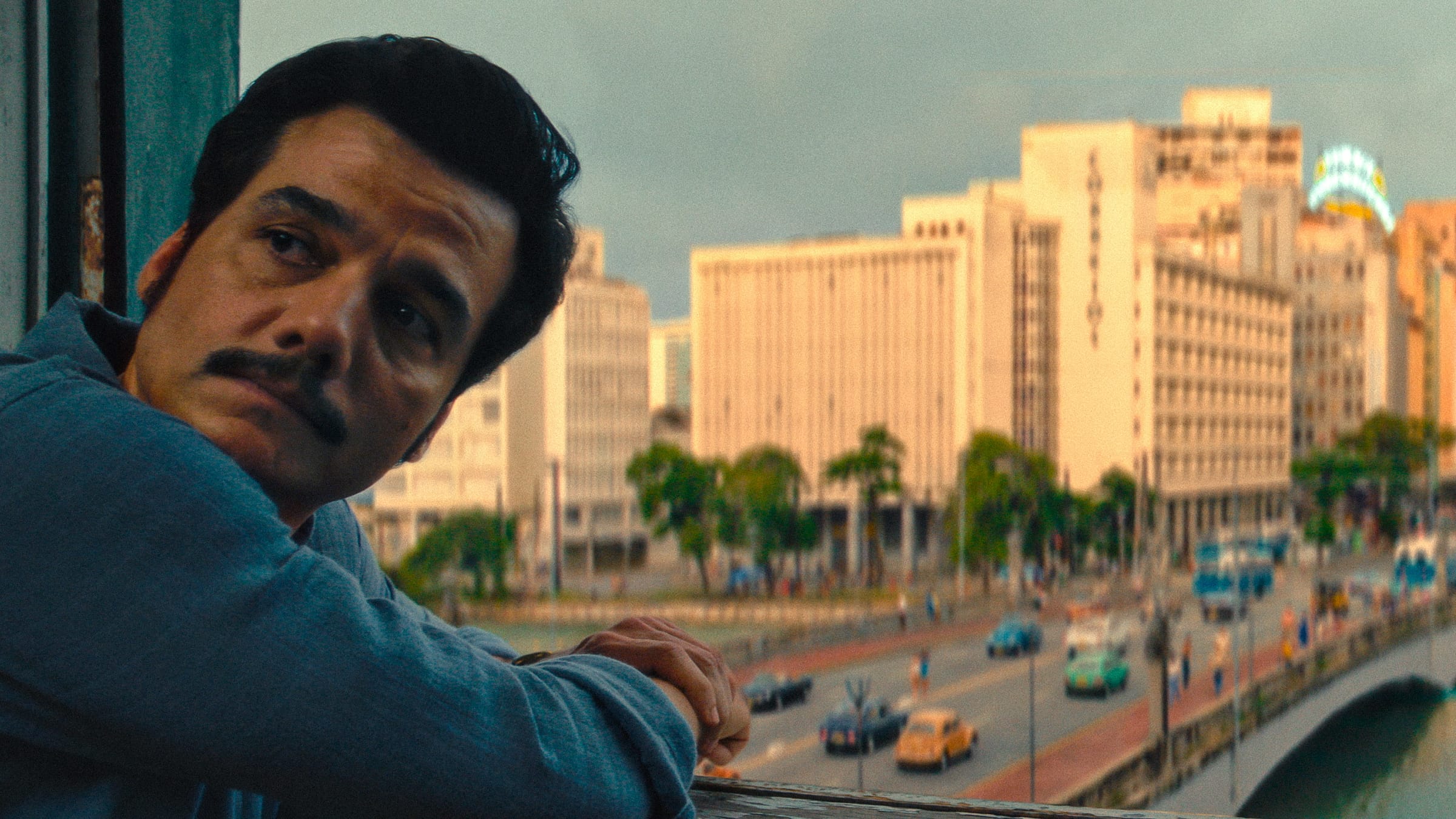
“I told you the story in the wrong order,” the protagonist of The Secret Agent (2025) admits, midway through a film that declines to linger for long on a single plot or timeline. Implicit within this confession is the question that animates Kleber Mendonça Filho’s expansive thriller about a man on the run in 1977 Brazil: Is there such a thing as a right order when it comes to conjuring the past, especially a brutal and traumatic one? How does one account for the elisions of history and the workings of memory, for the ambiguous status of archives as both evidentiary and incomplete, and for the role of imagination and speculation in filling in the gaps?
Much of The Secret Agent unfolds over a few days during Carnaval, squarely in the midst of the military regime that governed Brazil from 1964 to 1985. Crucially, the word dictatorship is never once mentioned in the movie, not even in the opening titles, which situate us instead within “a period of great mischief.” This sly understatement points to the dominant mood and mode of Mendonça Filho’s film, and to its thematic concerns. The dictatorship was a time of violent repression, but it also produced multiple forms of resistance, daily work-arounds, coded language, an anarchic irreverence that could double as shield and weapon. How else to explain why the newspapers of Recife, the northeastern coastal city that is Mendonça Filho’s hometown, ran story after story in the midseventies about a disembodied “hairy leg” terrorizing the local population, pinning all manner of assaults—including what one can only assume were instances of state violence—on a zombie appendage?
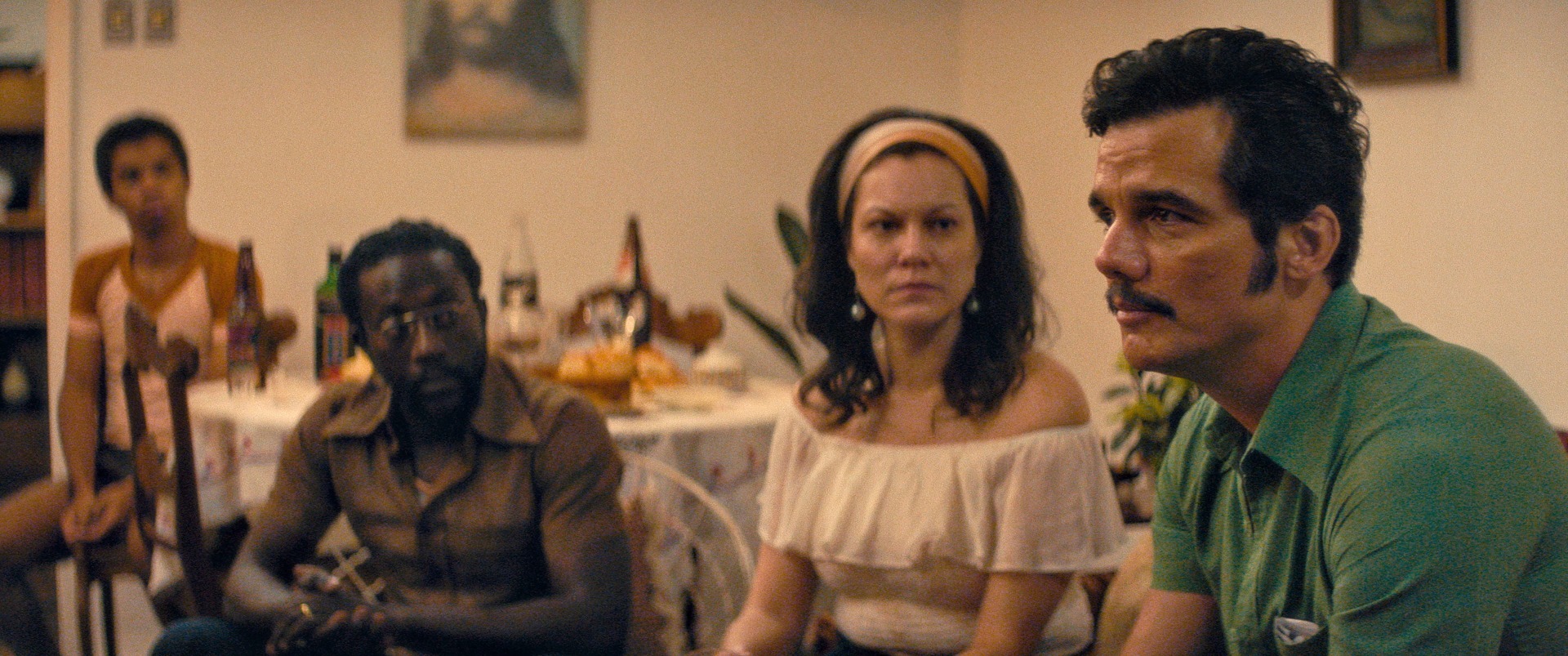
Although grounded in period-specific details, The Secret Agent is interested less in the literal events of those anxious days than in what Mendonça Filho has called “the logic of that time,” shaped by daily realities but also by popular culture and urban legends—including the aforementioned hairy leg that here makes its first appearance in the belly of a shark. The film’s opening sequence crystallizes an atmosphere of absurdist dread. A man we first know as Marcelo (Wagner Moura) pulls up to a rural gas station in a yellow Volkswagen Beetle, and immediately notices a corpse mere meters from the pump; its feet protrude from under a sheet of cardboard, and it is starting to smell, to judge by the swarming flies and marauding dogs. The pot-bellied attendant explains that the dead man was a would-be thief, dispatched by the attendant’s night-shift colleague. A police car pulls up on cue, but the officers—one of whom has a conspicuous bloodstain on his shirt—pay no attention to the body, and instead proceed to search Marcelo’s car and coerce a bribe, making do with the remainder of his pack of cigarettes.

More: Essays
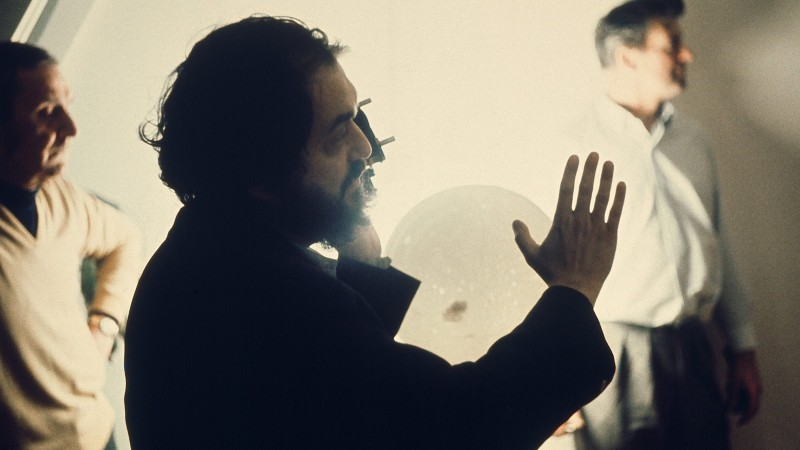
God Laughs: Stanley Kubrick’s Cinema
Throughout his enormously influential body of work, the great director explored the conflict between humankind’s obsession with control and our capacity for error and failure.
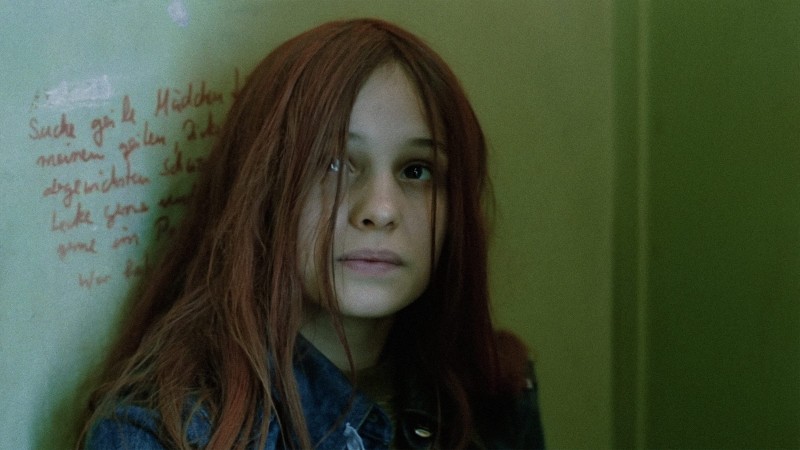
Christiane F.: Up Against the Wall
Uli Edel’s harrowing tale of youth rebellion is one of cinema’s greatest Berlin films, a visceral urban portrait that captures the city’s doom and decadence during the Cold War era.
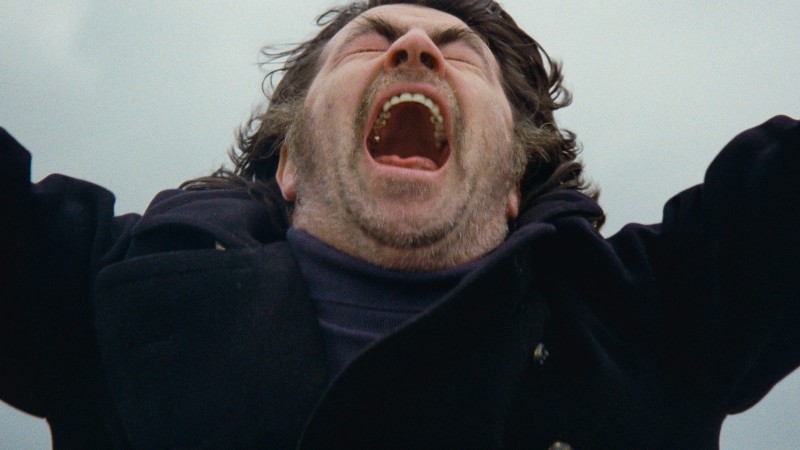
The Shout: Sound and Fury
Blending elements of psychological thriller, social satire, and psychedelic film, Jerzy Skolimowski’s Cannes-award-winning classic uses its audacious sound design to evoke the terror of English civilization.
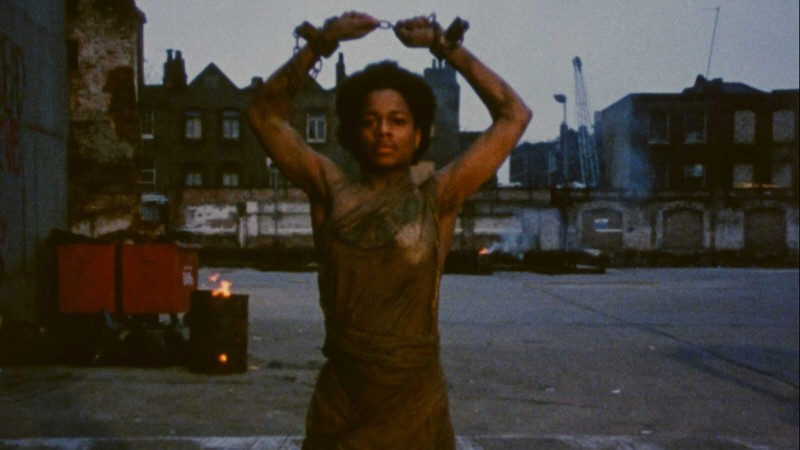
Welcome II the Terrordome: The Future Is Furious
A dystopian drama that draws on the influences of African mythology and hip-hop, Ngozi Onwurah’s debut feature uses a mix of speculative forms to expose anti-Blackness as a system that underpins the modern world.