Guillermo del Toro’s Frankenstein
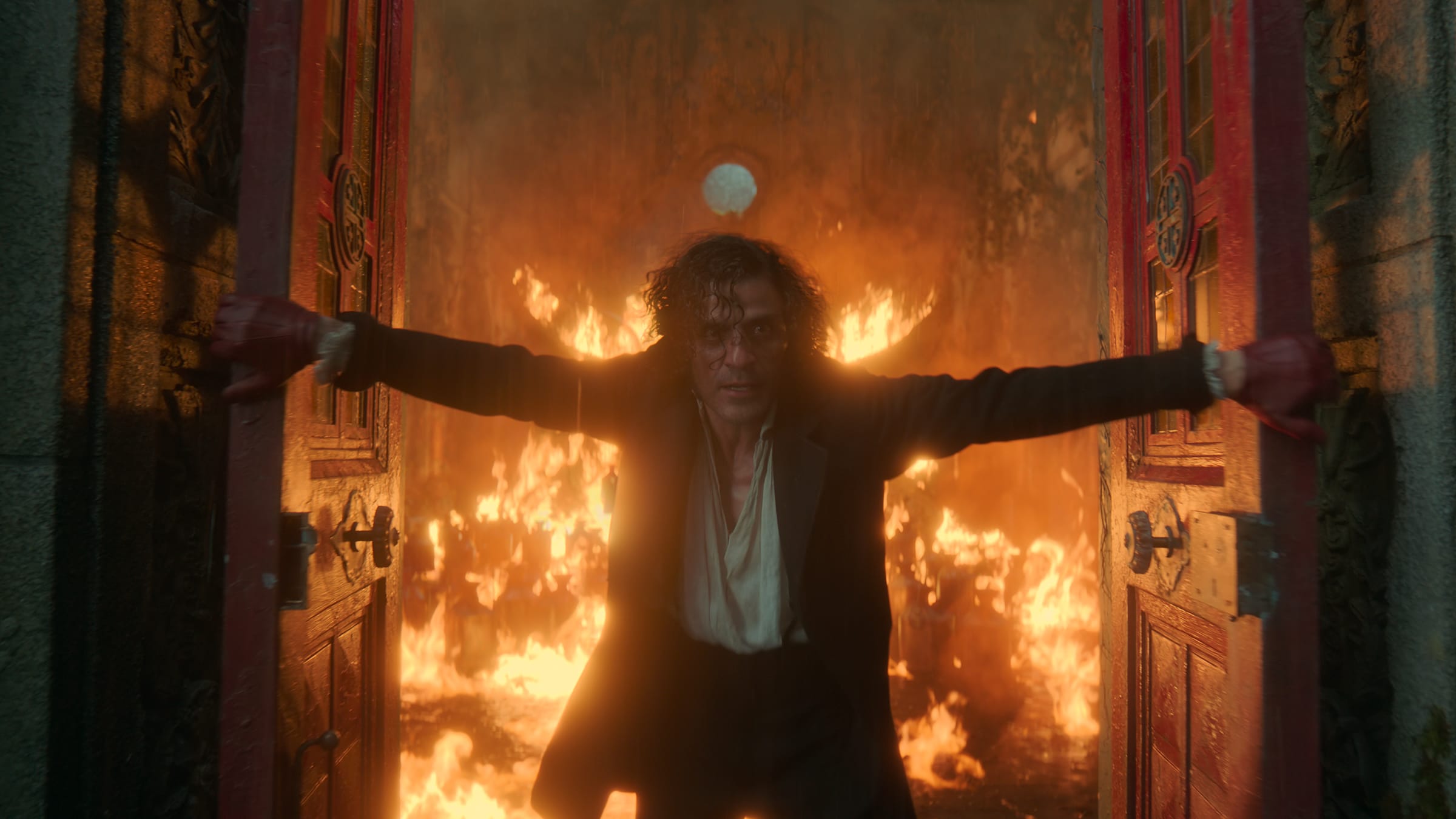
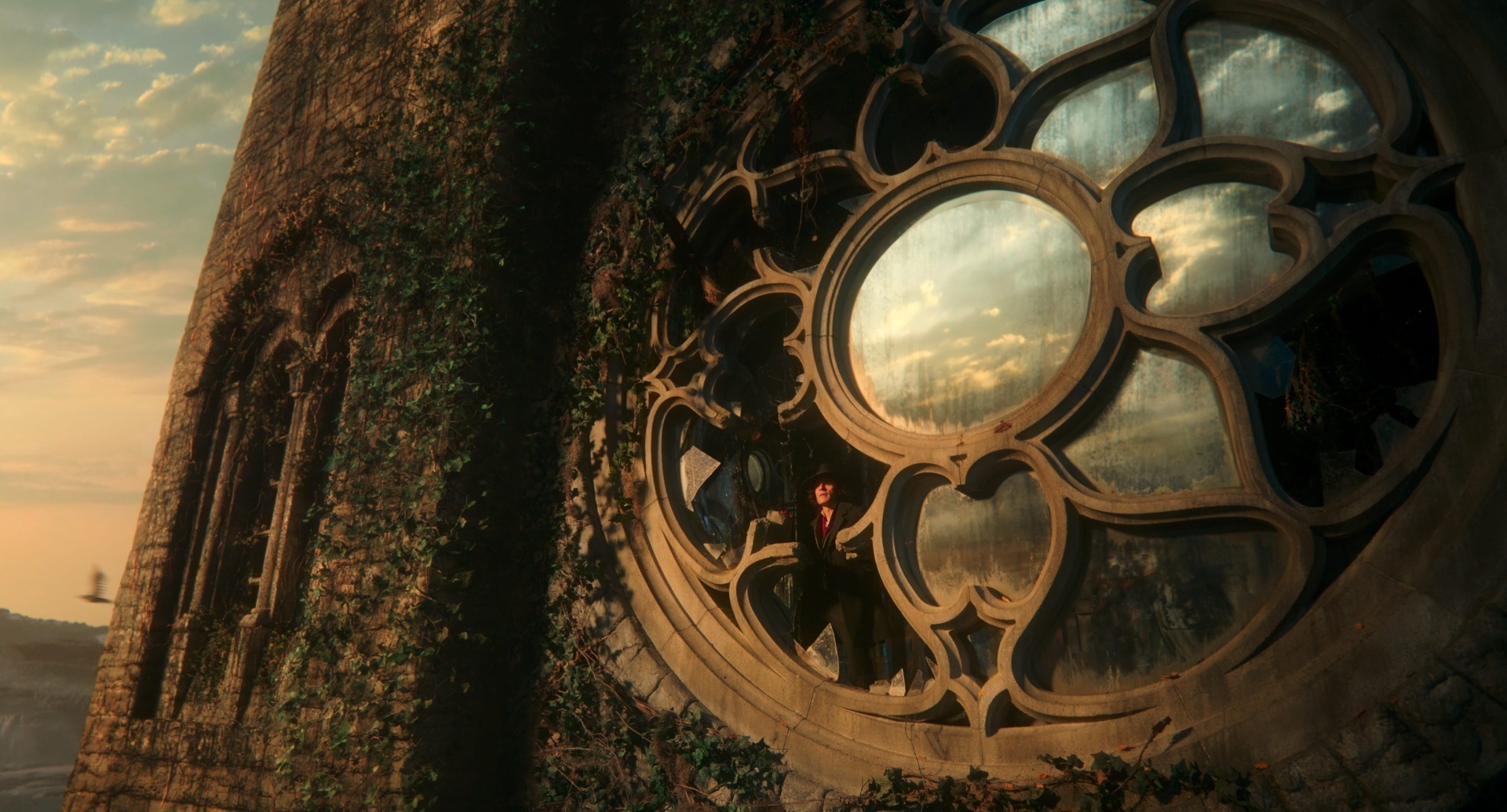
On New Year’s Day 1818, Mary Shelley’s Frankenstein; or, The Modern Prometheus was first published, in an anonymous three-volume edition of five hundred copies, costing a steep sixteen shillings and sixpence. The twenty-year-old Shelley made the princely sum of forty-one pounds on the deal. The novel had started life as a short story—the birth of Frankenstein’s creature—told by Mary (then Godwin, aged only eighteen) as part of the famous ghost-story session during a holiday at the Villa Diodati, overlooking Lake Geneva, on June 17, 1816. Her companions there were Lord Byron (aged twenty-eight), Percy Bysshe Shelley (aged twenty-three), Dr. John Polidori (Byron’s traveling companion-physician, aged twenty), and Mary’s impressionable stepsister, Claire (also aged eighteen). The creation scene in Frankenstein describes the young scientist Victor Frankenstein giving life to his “creature,” stitched together from various human and animal body parts, in his personal laboratory at the University of Ingolstadt in Bavaria—and then rejecting it with horror when it opens its “dull yellow eye . . . and a convulsive motion agitated its limbs.” This is a postpartum moment, involving creature and creator. The scene closely relates to the books Mary Godwin was reading and the conversations about science she was having in Geneva. Among the books were John Milton’s Paradise Lost, the legends of Prometheus in ancient times (Greek and Roman versions) and of Faust in the Middle Ages, and Mary Wollstonecraft’s A Vindication of the Rights of Woman (1792), in which her mother had written:
A great proportion of the misery that wanders, in hideous forms, around the world, is allowed to rise from the negligence of parents.
Frankenstein’s creature is like a motherless child, cruelly rejected by his “father.” In today’s terms, he’s a classic victim of child abuse. And this birthing scene was imagined by an unmarried teenage mother, one who understood only too well what it was like to conceive and create new life. She also understood what it was like to be motherless—and rejected by an increasingly conventional, strict father.
Mary Godwin had been born on August 30, 1797; her mother died just eleven days later of complications following the birth. Her father, William, remarried to Mary Jane Clairmont in December 1801. Mary Godwin never got on with her stepmother, either as a teenager or as an adult. She met the young and volatile, though not very well-known, poet Percy Shelley in May 1814, and the two lovers eloped in July to France, Switzerland, and Germany—only to return in September, frightened and in debt. William Godwin refused to speak to either of them. In February 1815, Mary Godwin bore her first child, a daughter, who was premature and died within a few days. Her second child, William, was born—still illegitimate—in January 1816, and she remained very anxious about his health. In May 1816, Mary and Percy (with Claire Clairmont in tow) ran away again, this time to Geneva. There they met the infamous poet Byron and Dr. Polidori. Mary and Percy were escaping scandal and debt, and thought they were practicing the gospel of “free love” that the young William Godwin had preached in his controversial book An Enquiry Concerning Political Justice, but about which he was now having middle-aged second thoughts; George Gordon, Lord Byron, was escaping from scandal (he had fallen in love, incestuously, with his half-sister Augusta Leigh), from his wife, Annabella, and from even larger debts. The tensions within this group of highly strung people contributed to the very stressful atmosphere that night in June, when Mary Godwin unleashed her creation scene on her unsuspecting companions.

More: Essays
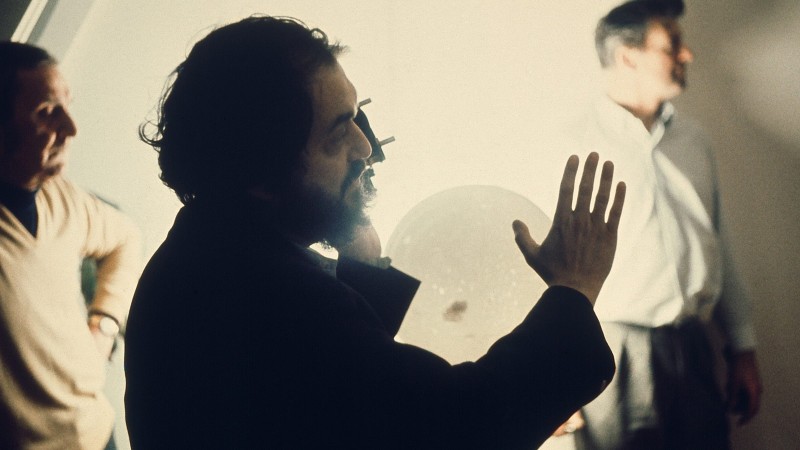
God Laughs: Stanley Kubrick’s Cinema
Throughout his enormously influential body of work, the great director explored the conflict between humankind’s obsession with control and our capacity for error and failure.
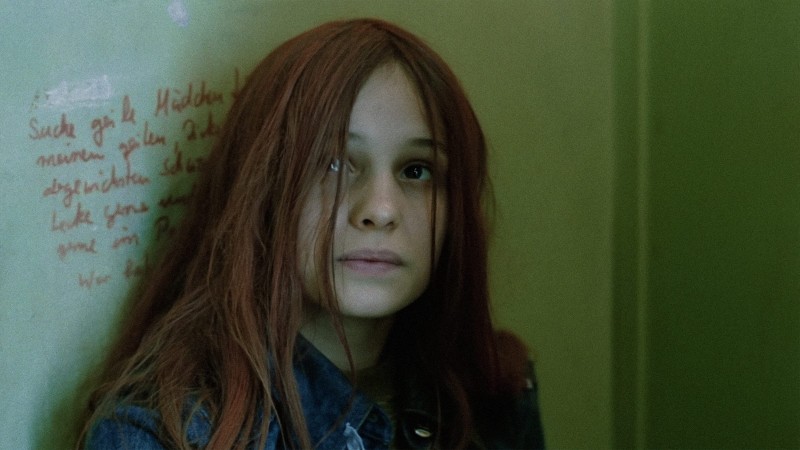
Christiane F.: Up Against the Wall
Uli Edel’s harrowing tale of youth rebellion is one of cinema’s greatest Berlin films, a visceral urban portrait that captures the city’s doom and decadence during the Cold War era.
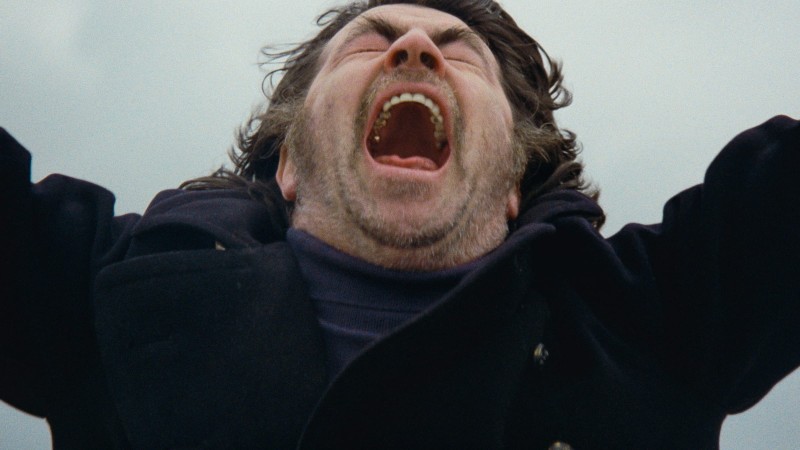
The Shout: Sound and Fury
Blending elements of psychological thriller, social satire, and psychedelic film, Jerzy Skolimowski’s Cannes-award-winning classic uses its audacious sound design to evoke the terror of English civilization.
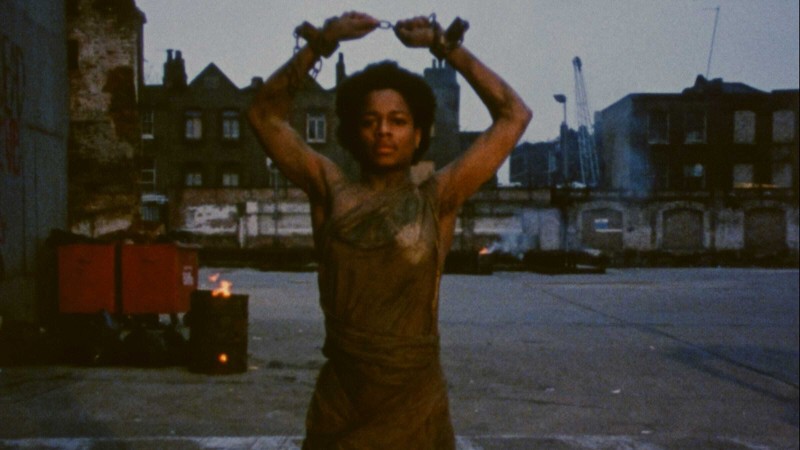
Welcome II the Terrordome: The Future Is Furious
A dystopian drama that draws on the influences of African mythology and hip-hop, Ngozi Onwurah’s debut feature uses a mix of speculative forms to expose anti-Blackness as a system that underpins the modern world.