The Inner Worlds of Neon Genesis Evangelion

“When did it start? Since when did animation stop being interesting? That is, animation itself may have stopped being interesting, and I myself may have been unable to maintain interest in animation. Both may be true. Animation may be over.”
Hideaki Anno wrote these words in 1993, just two years before he would definitively disprove them with the creation of his magnum opus, Neon Genesis Evangelion (1995–6). His pessimism was not without cause: the anime industry was in a slump, even before the bursting of Japan’s “bubble economy” in 1992 lead to major contractions. In particular, the science-fiction and mecha (a.k.a. “giant robot”) genres that had forged Anno’s own fandom, and on which he’d cut his professional teeth, had mostly disappeared from the airwaves and migrated to the home-video market. Anno and his studio Gainax had broken it big there with his first directorial project, the 1988 miniseries Gunbuster—an eccentric mash-up of giant robots, sports anime, hard sci-fi, and the then-recent Tom Cruise blockbuster Top Gun—but had hit much harder resistance on television. His first TV series, Nadia: The Secret of Blue Water (1990–1), suffered an arduous production, and left Gainax with major financial losses. Anno found himself emotionally in step with the medium he loved—which is to say, he spent the early nineties in a period of severe depression.
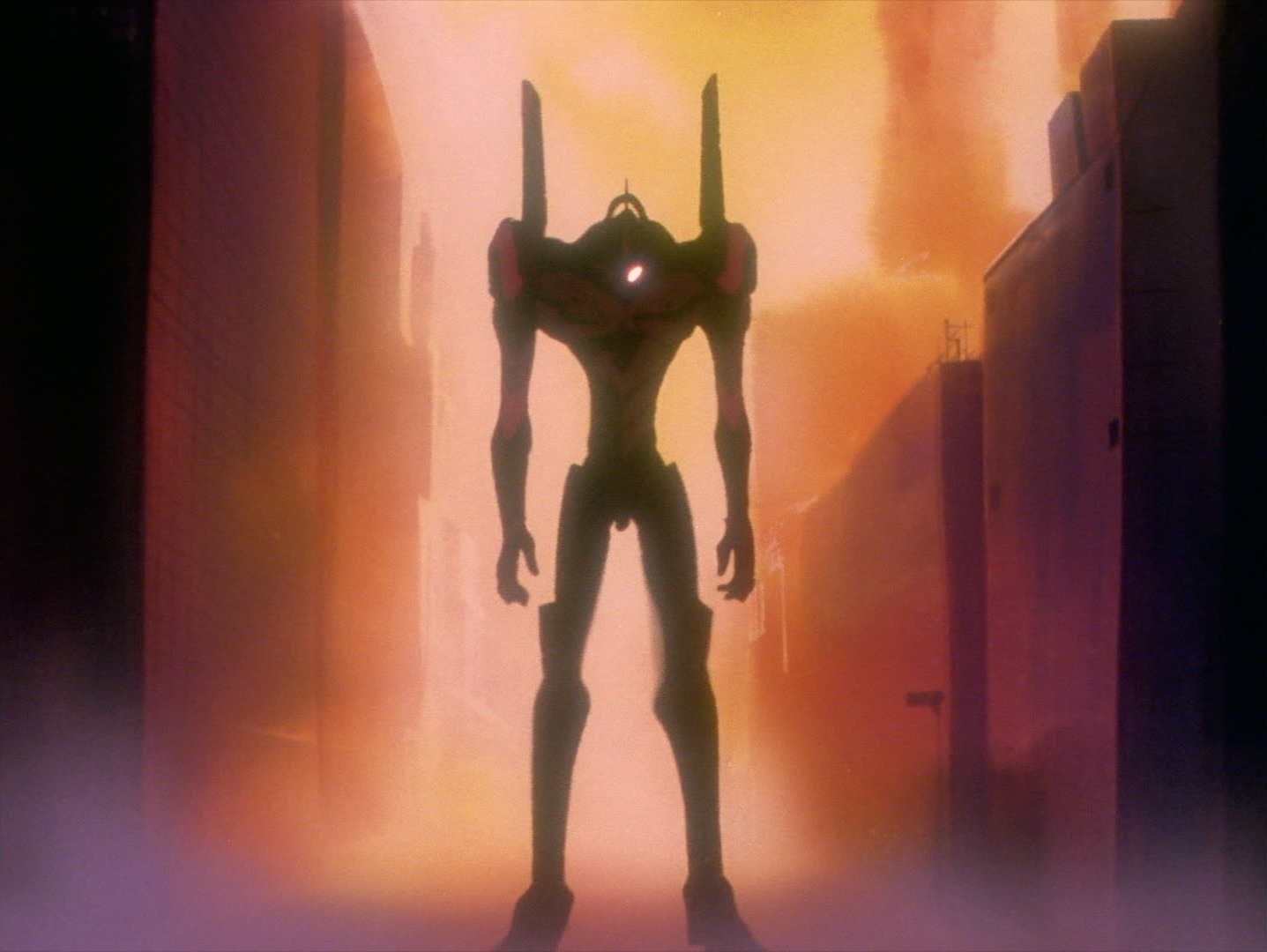
Produced in the wake of this personal and professional malaise, Evangelion proved both an emotional exorcism and a huge commercial paradigm shift. Its twenty-six-episode run sparked a new boom in anime production, fandom, storytelling, and merchandising that carried into the twenty-first century. It popularized the late-night anime block—where shows were broadcast in inexpensive time slots late at night or in early morning hours, creating a haven for more experimental and adult-oriented series—while further intensifying the already-hot home video market. And that was all before Evangelion left Japan: the series was also a crucial leader in establishing a durably popular anime market in the United States and other English-speaking territories. In the nineties, anime in America largely existed either as an underground, bootlegged subculture or through dubbed “cartoons” on TV edited to disguise their “foreign” nature. Evangelion’s release on both dubbed and subtitled VHS, beginning only months after the end of the Japanese broadcast and without content edits, refused this binary, and its popularity proselytized anime to a new generation of fans. (This dub, beloved by English-speaking fans but out of circulation since a new version was recorded in 2019, is the option presented on the Criterion Channel, alongside the original Japanese, restoring official access to an important piece of anime history).



More: Features
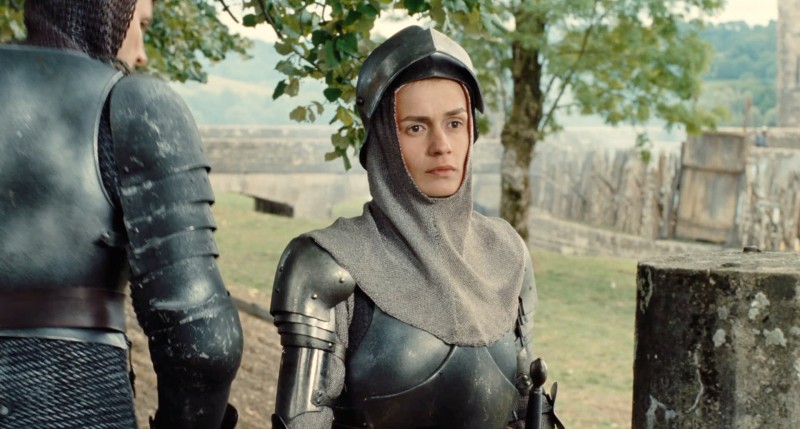
Jacques Rivette Envisions a More Human Joan of Arc
Anchored by an extraordinary performance from Sandrine Bonnaire, the epic historical drama Joan the Maid strips away its saintly protagonist’s mythic aura and gives us a humbler, more intimate version of her life story.

Anthologized: The World of W. Somerset Maugham On-Screen
The elegantly crafted portmanteau films Quartet, Trio, and Encore adapt twelve spellbinding tales of deception and passion from one of the best-selling authors of the twentieth century.

James Baldwin Looks Back
The illuminating 1982 documentary I Heard It Through the Grapevine follows the celebrated author on a journey through the American South, as he attempts to reckon with the legacy and losses of the civil rights movement.

Small Town, Big Money: Capitalism Runs Amok in Turumba
In Kidlat Tahimik’s playful and unpredictable film, a Philippine village is tasked with manufacturing thousands of figurines for the Olympic Games, upending the lives and customs of the local population.