James Baldwin Looks Back
You used to say, “June?
Honey when you come down here you
supposed to stay with me. Where
else?”
Meanin home
—June Jordan, “1977: Poem for Mrs. Fannie Lou Hamer”
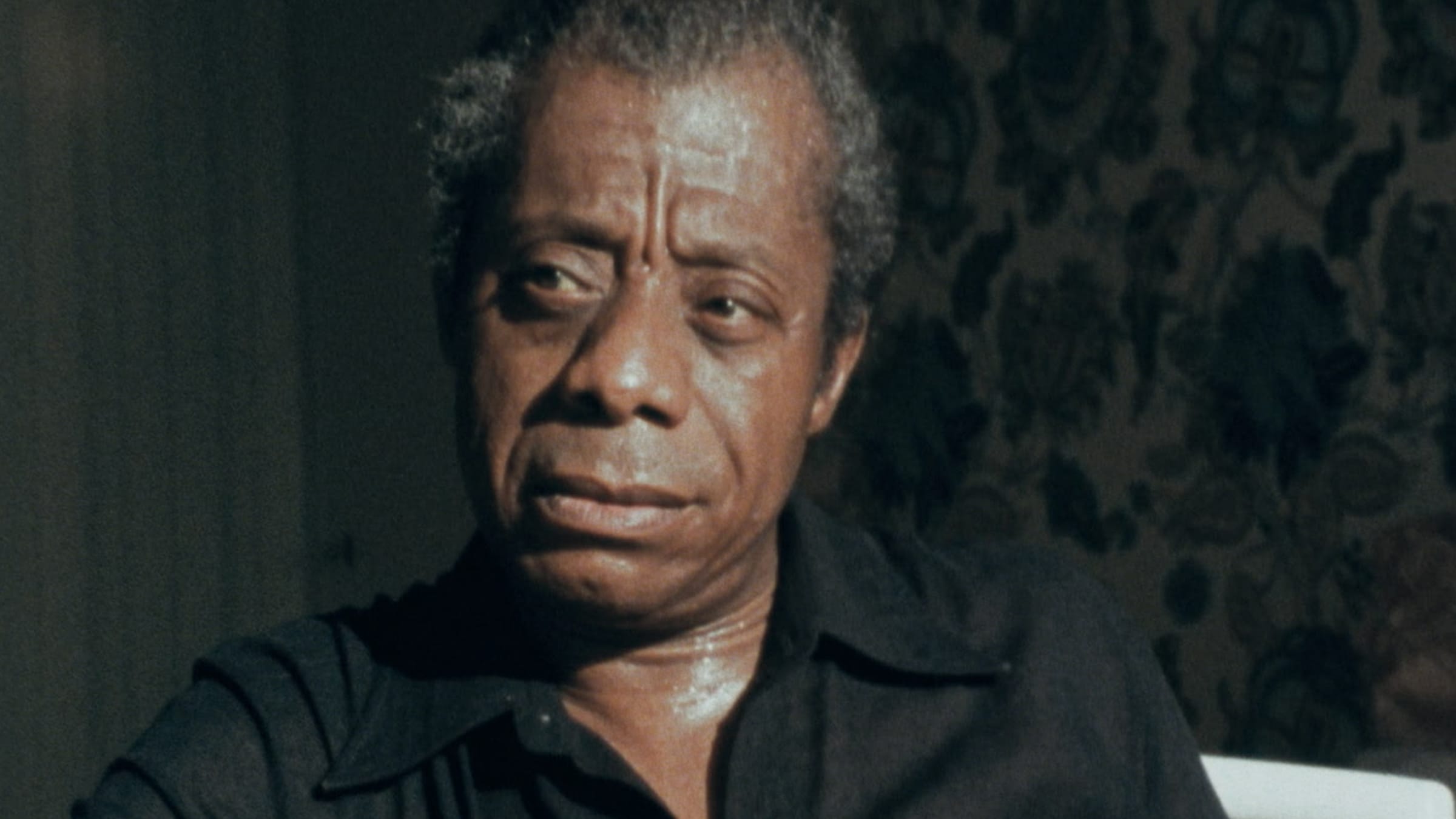
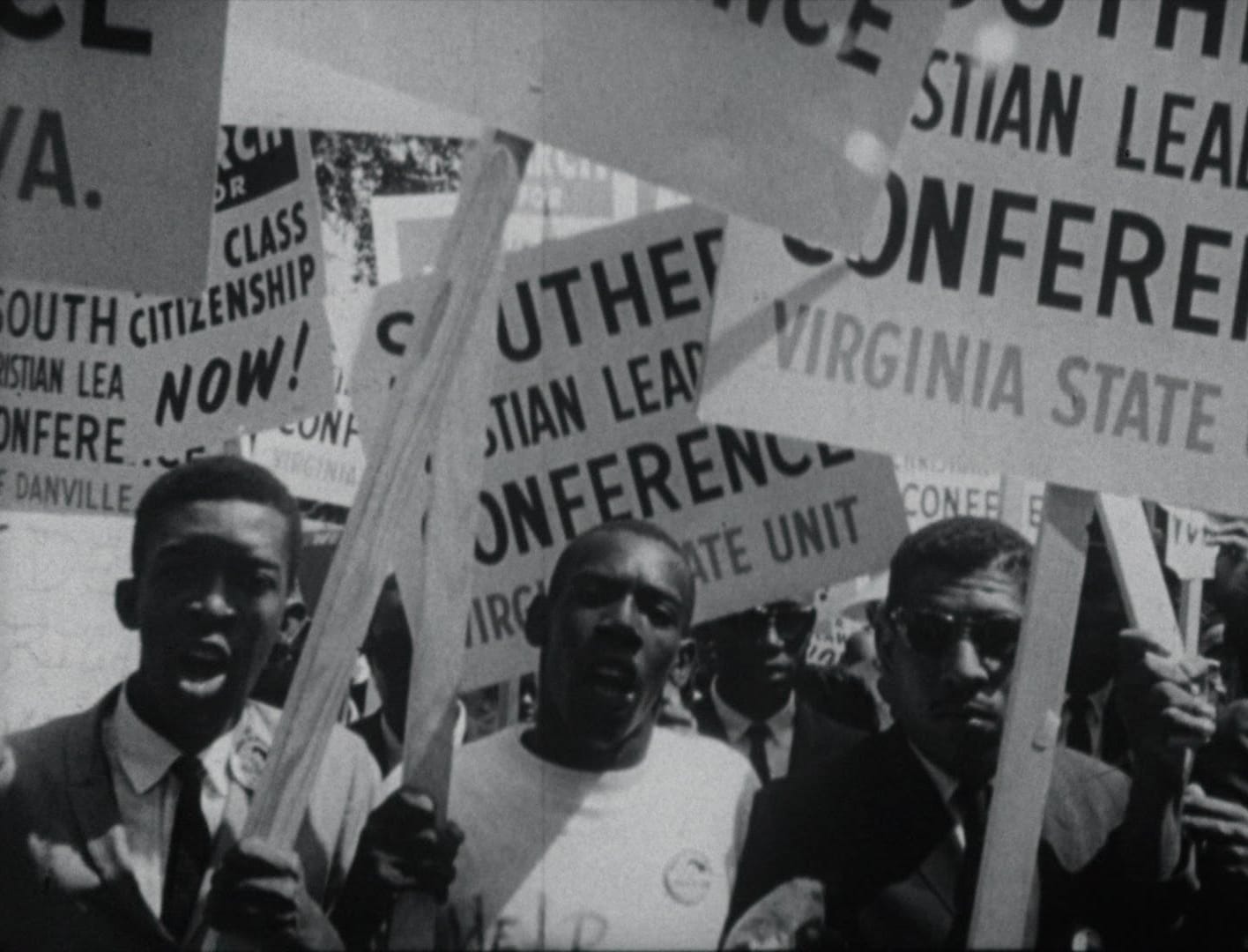
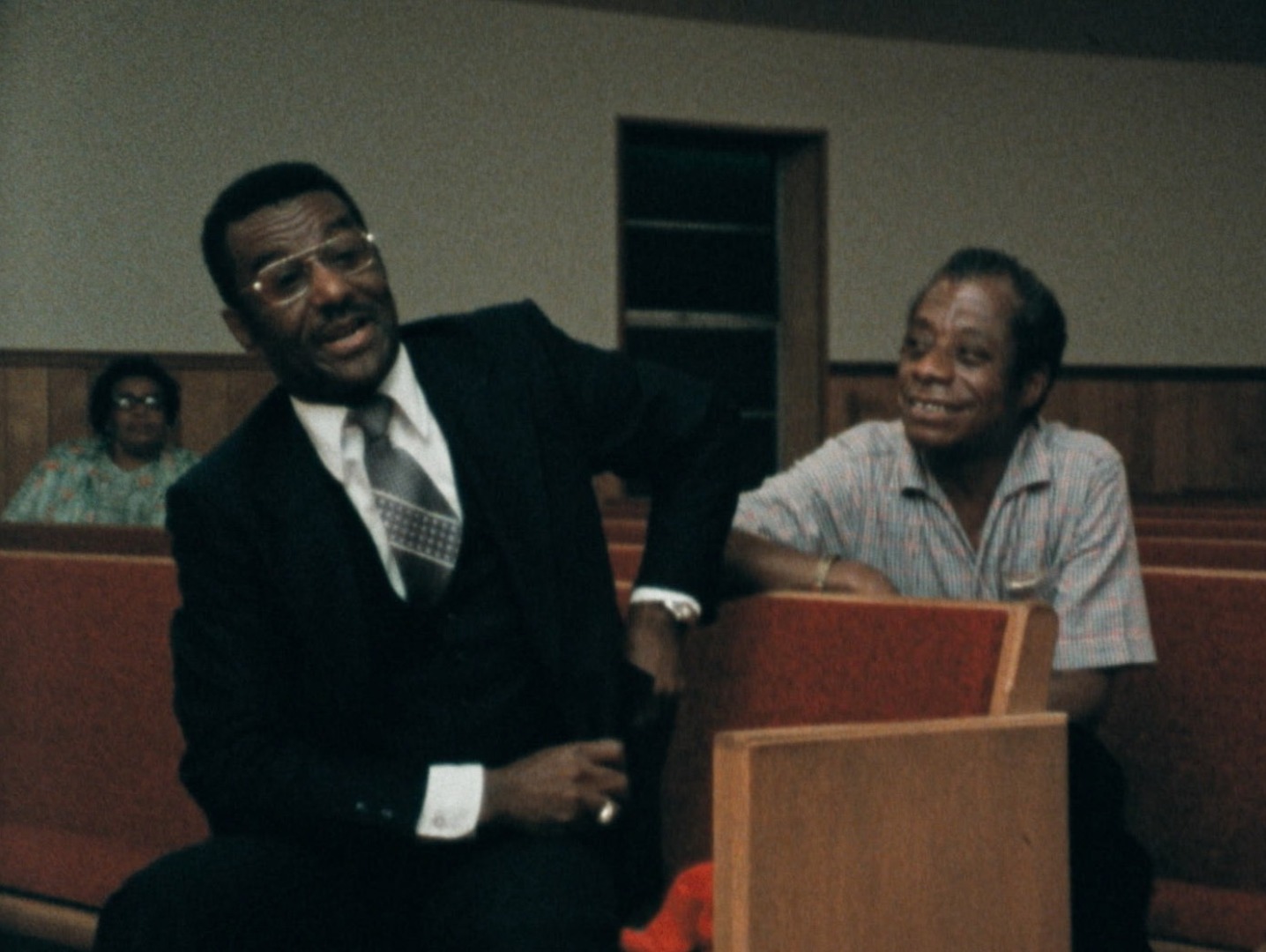
A few minutes into I Heard It Through the Grapevine (1982), a restless work of documentary filmmaking starring James Baldwin and directed by Dick Fontaine and Pat Hartley, the author, fifty-six and graying, grins at his younger brother, David. The two share a burst of laughter in a room adorned with a bed and a wide window. Rays of sunlight flicker through and beam. Black-and-white photographs of marches and protests held during key battles of the mid-twentieth-century freedom movement intercut the intimate scene as the elder brother recounts his recent travels down south, where he’s gone to revisit the sites of those struggles. His recollecting takes on the world-weary knowing of the old spirituals: My soul looks back in wonder . . . I wouldn’t take nothing for my journey now.
In the world of the film, now is 1980, the year Carter’s administration curled into Reagan’s. As a candidate, Reagan delivered a critical campaign speech near Philadelphia, Mississippi, where voting-rights organizers James Chaney, Michael Schwerner, and Andrew Goodman had been disappeared and murdered in 1964. It was a gesture toward the South, which the candidate needed to win, as well as to the past. Focused on his belief in “states’ rights,” Reagan’s speech coyly signaled his support for the white-supremacist ideology underlying the region’s history of slavery and segregation. The multiracial, multigenerational movement for civil rights had challenged the South’s ruling class and won a number of political victories. By the end of the seventies, its achievements were already under threat.


More: Features
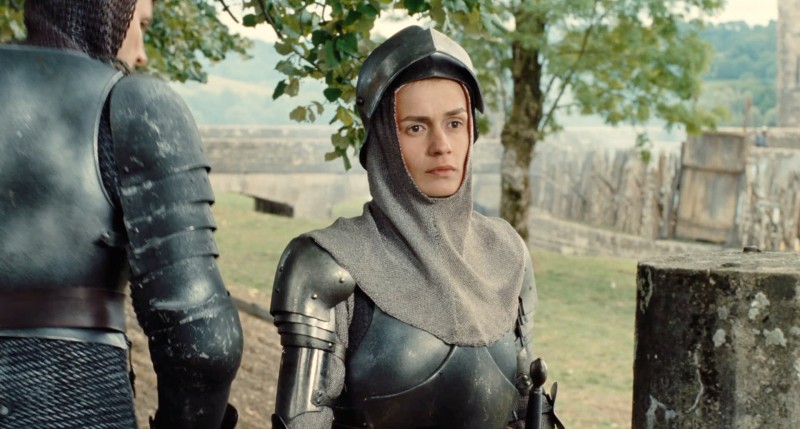
Jacques Rivette Envisions a More Human Joan of Arc
Anchored by an extraordinary performance from Sandrine Bonnaire, the epic historical drama Joan the Maid strips away its saintly protagonist’s mythic aura and gives us a humbler, more intimate version of her life story.
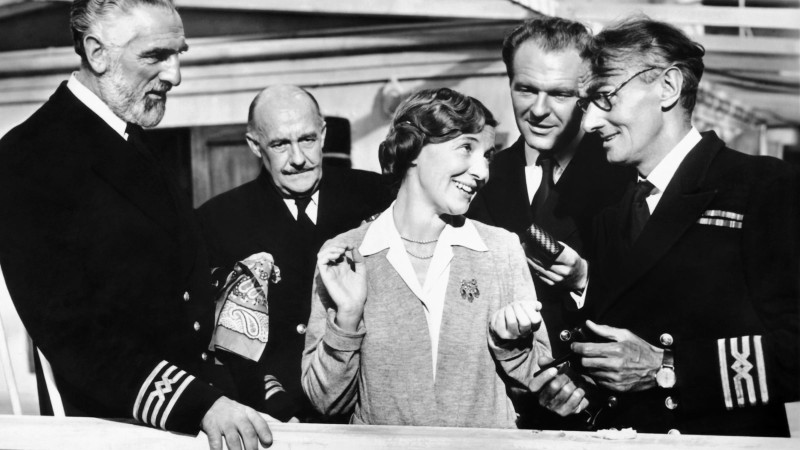
Anthologized: The World of W. Somerset Maugham On-Screen
The elegantly crafted portmanteau films Quartet, Trio, and Encore adapt twelve spellbinding tales of deception and passion from one of the best-selling authors of the twentieth century.

The Inner Worlds of Neon Genesis Evangelion
A Japanese-television phenomenon that sparked a boom in anime production and fandom, Hideaki Anno’s magnum opus is a mind-bending mix of kinetic action, sci-fi spectacle, and introspective human drama.
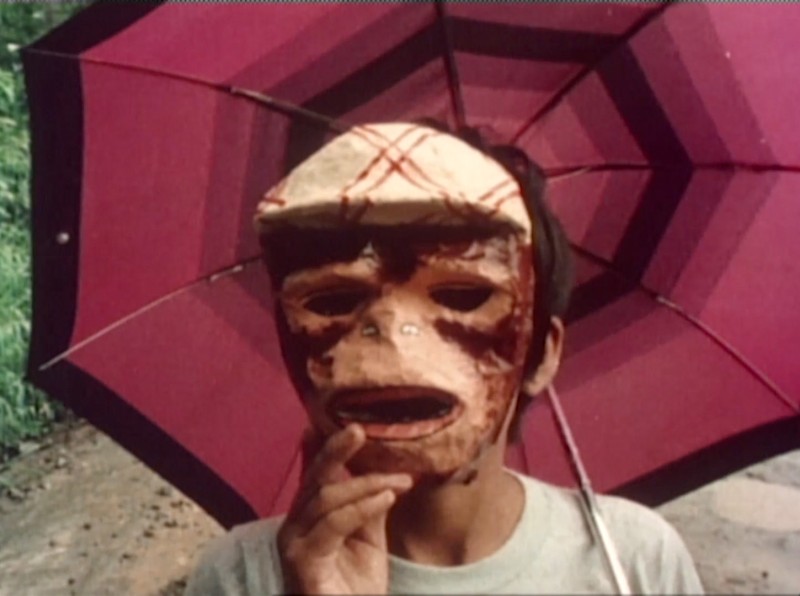
Small Town, Big Money: Capitalism Runs Amok in Turumba
In Kidlat Tahimik’s playful and unpredictable film, a Philippine village is tasked with manufacturing thousands of figurines for the Olympic Games, upending the lives and customs of the local population.