

The Films of Mike Mills: A Human Space
Share
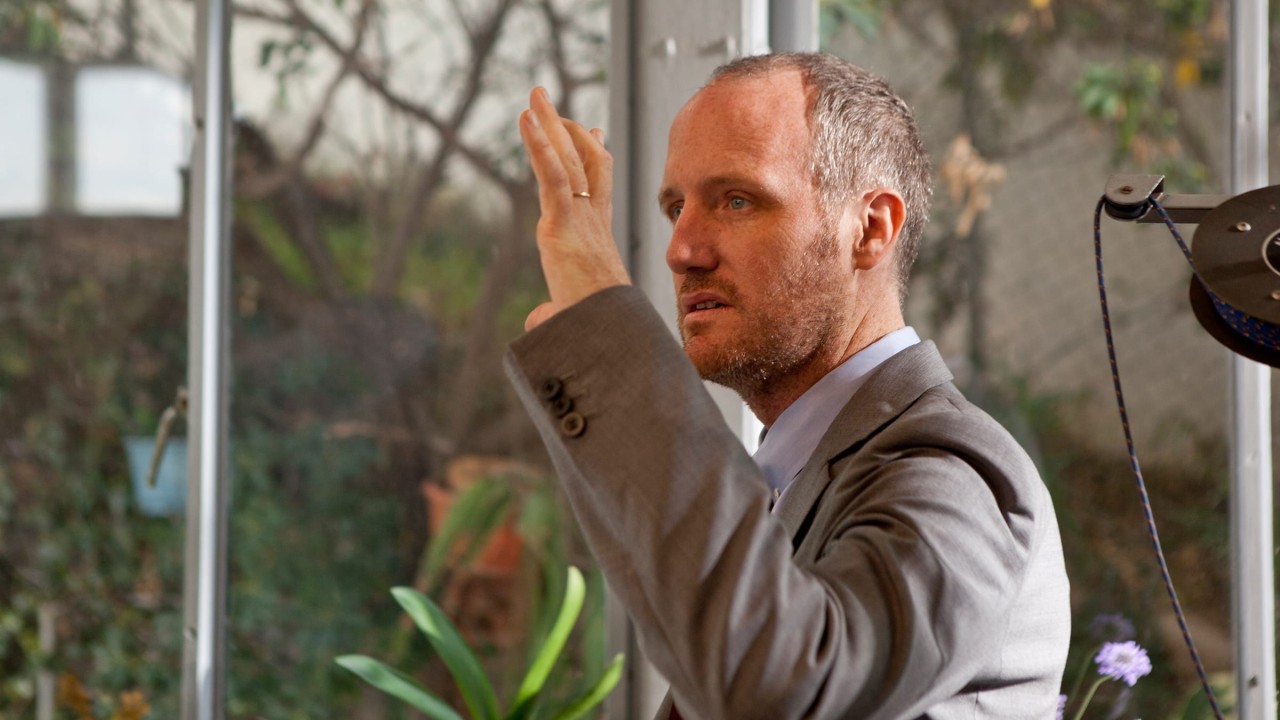
I cried the first time I saw a Mike Mills film. It happened at a screening of his first film, Thumbsucker, at the Oslo Film Festival. It must have been 2006, and Mike was there introducing it. His honesty had already moved me before the movie began because he had talked about personal inspirations and his own background in a way that was unusual, especially for an American filmmaker who lived in LA—in Hollywood.
Since then, I have come to understand that you don’t need Mike introducing the film for it to make you cry. He is always there in his films, which share a clear voice, a distinctive gaze, a personal approach to the filmmaking process. There is a sleight of hand to Mike’s work. Like magic, it’s not clear how it works or how it’s so deeply moving, nor is it easily explained. And as for the Hollywood part—well, Mike doesn’t play by those rules anyway.
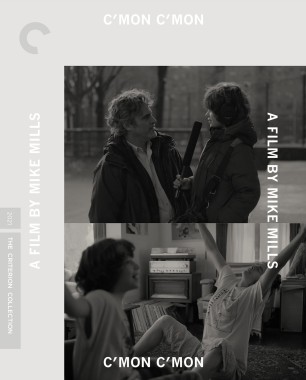
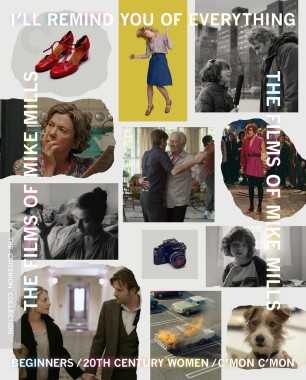
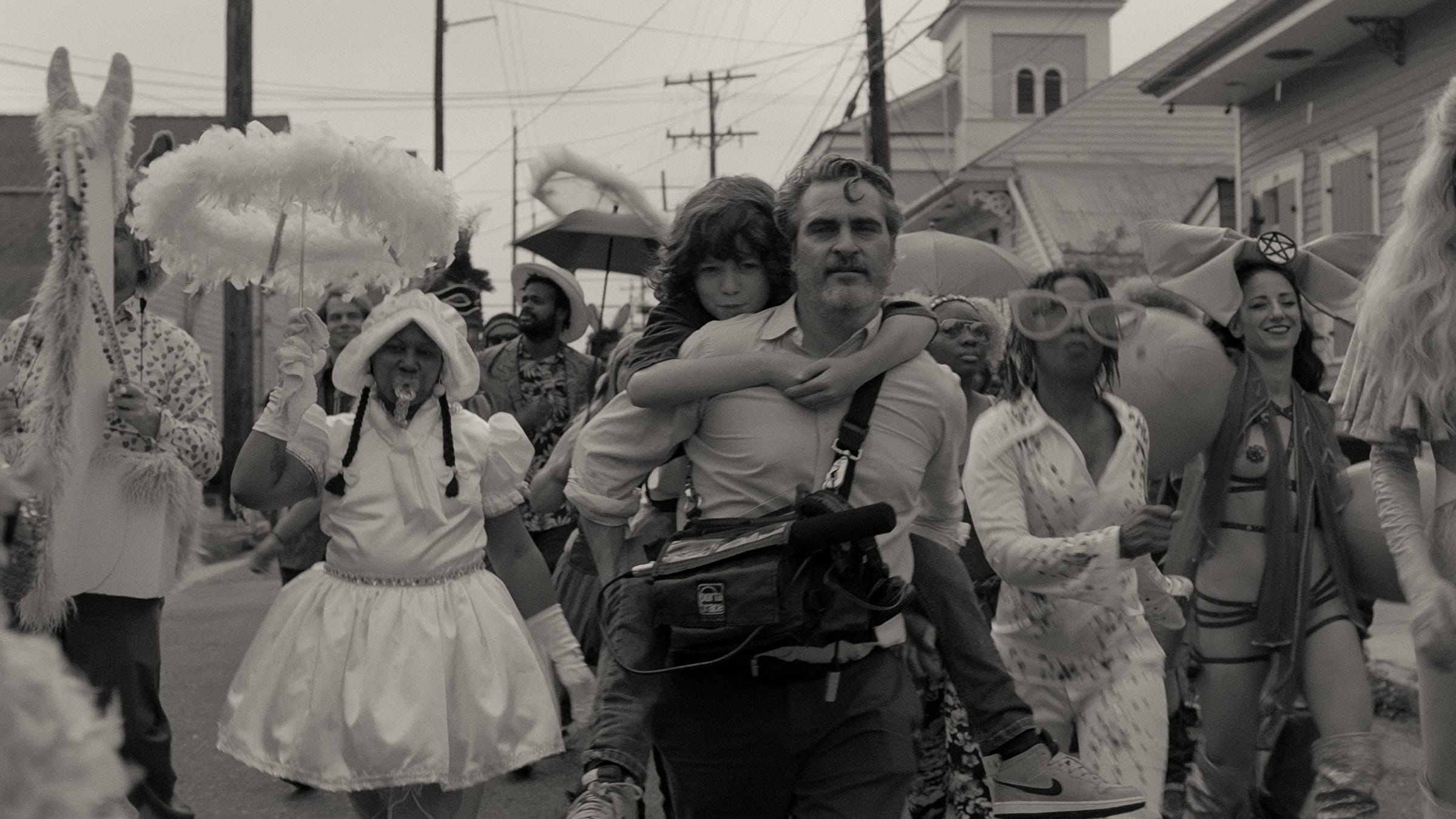
Mike Mills’s films are inhabited by human beings whose inner worlds engage us in ways that go beyond the plot or the exterior conflict. It is as if the voice of his cinema itself aligns us with the humans we are watching on-screen, and always in an unusually caring way. In his fiction features since Thumbsucker—Beginners (2010), 20th Century Women (2016), and C’mon C’mon (2021)—the characters are often flawed in their ability to function within a conventional family structure, and the tensions in their relationships are never portrayed stereotypically, in the vein of a partner or parent being an antagonistic force that needs to be overcome. The psychodynamics are rich and paradoxical in these films, just like in life.
Several of his male characters have left behind old ideas of masculinity—of meritocratic men who grapple with their missions or battles — and instead long for connection and intimacy in a world where those things are complicated, even in the closest of relationships. The films are defined by inactivity as a narrative force, telling silences, and looks that we the audience see, but no one else — stolen moments of lonely contemplation shared in a cinema, united with strangers.
The sophistication of Mike Mills’s design shows a deeper way for us to see the hidden interconnections of our unconscious motivations and movements. The real drama of life doesn’t happen when people yell at each other or make grand gestures, but rather in the tender, quiet moments of everyday despair or joy.
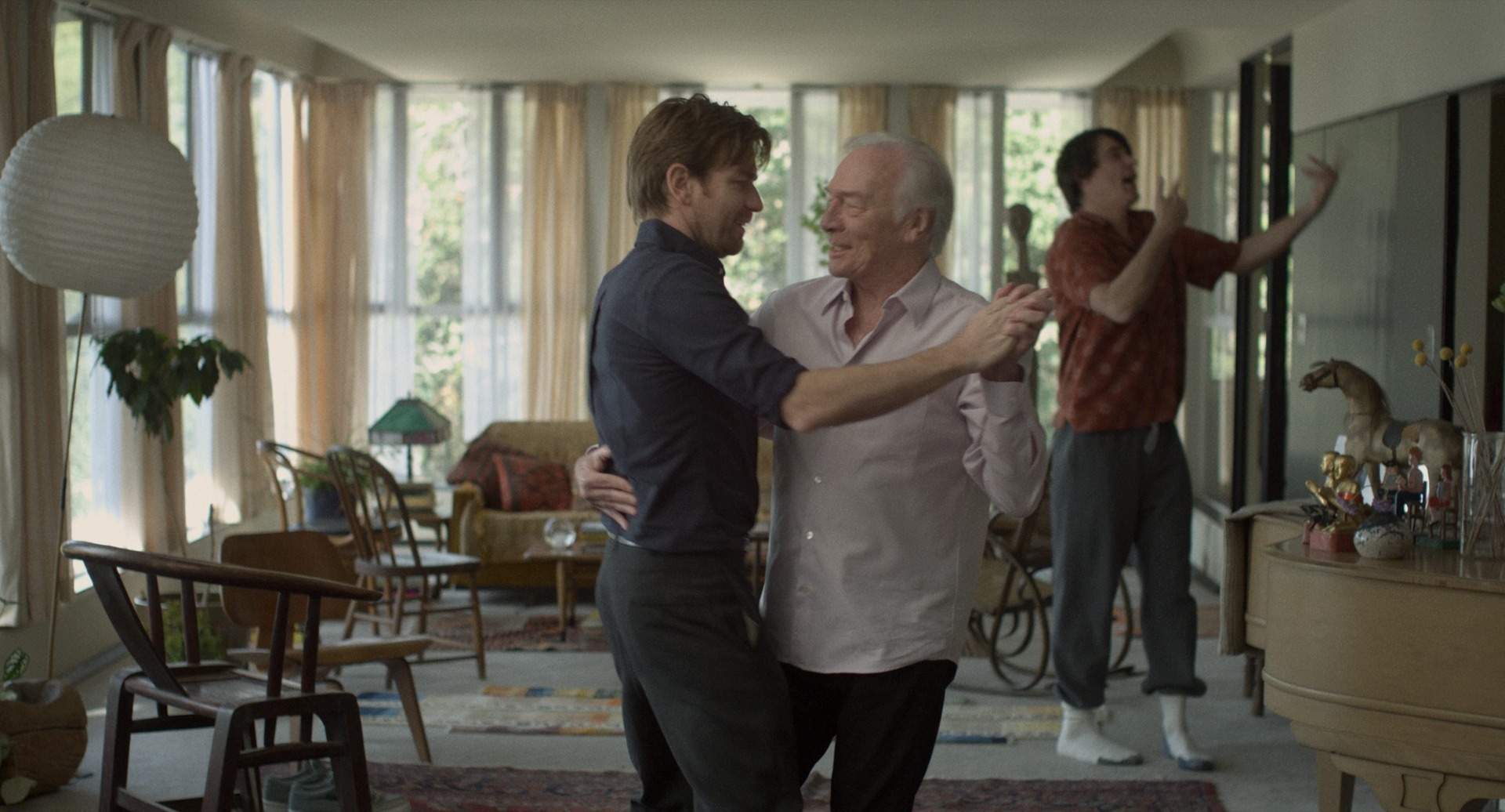
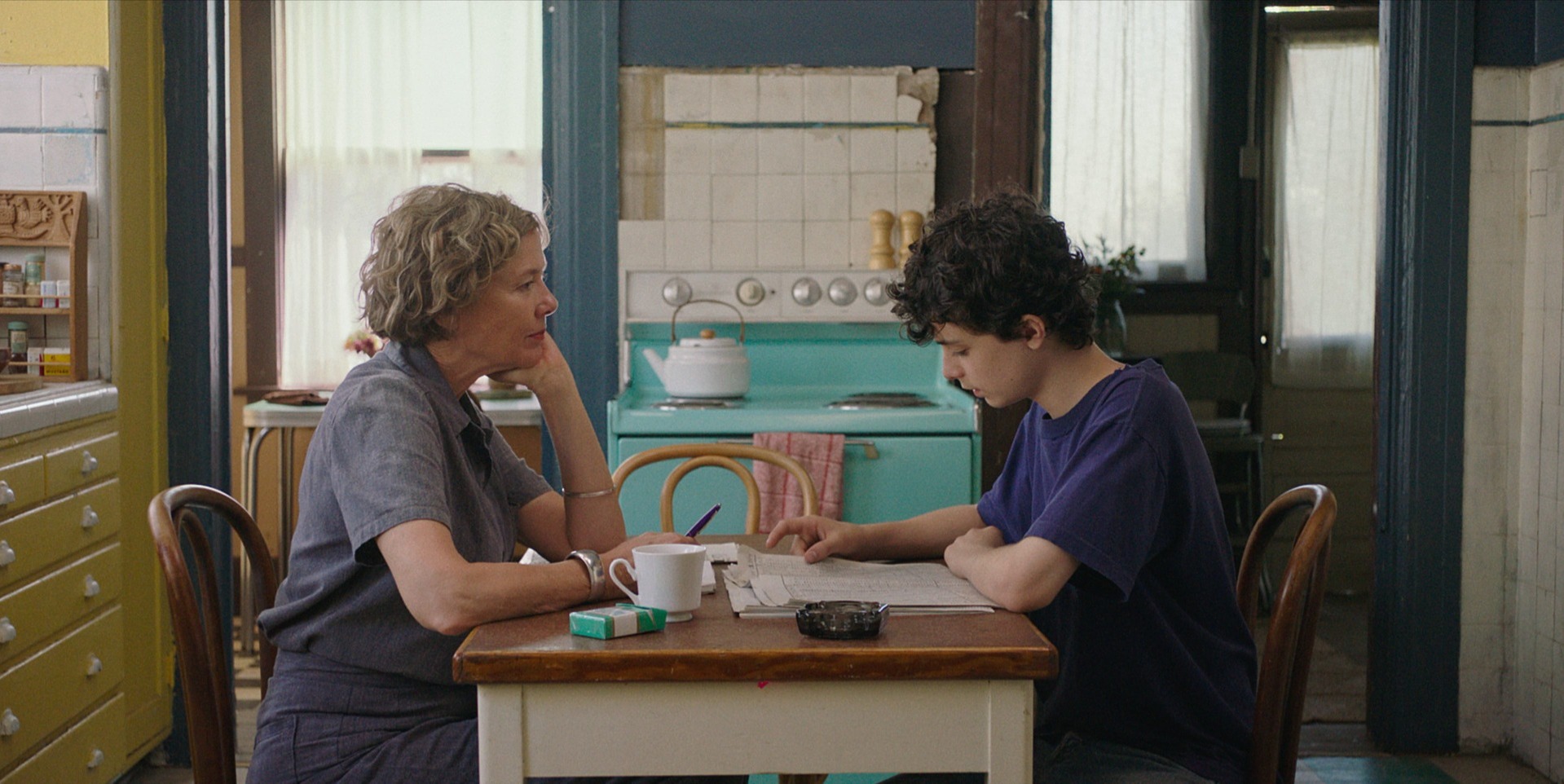
I later learned that Mike is an excellent graphic designer who has also played in a couple of bands (while being a skater himself). So, the fact that his film work is so beautifully designed and musical in its structuring makes complete sense.
Mike inspires the rest of us to be brave about our personal material, showing us how relevant even the tiniest domestic detail can be in a bigger existential perspective.
Because I have had the fortune of working with some of the same collaborators as Mike—the editor Olivier Bugge Coutté, the cinematographer Kasper Tuxen, and the incredibly talented Elle Fanning—Mike and I have become friends, and it’s always such a pleasure to spend time with a guy who is so knowledgeable about art, cinema, and music. But what impresses me most is how well-read and smart Mike is about psychology, and the dynamics inside and between us all. He is truly a great observer of life.
I will sometimes meet people who haven’t seen a Mike Mills film, and I will try to explain what they are like. It will be impossible.
More: Essays
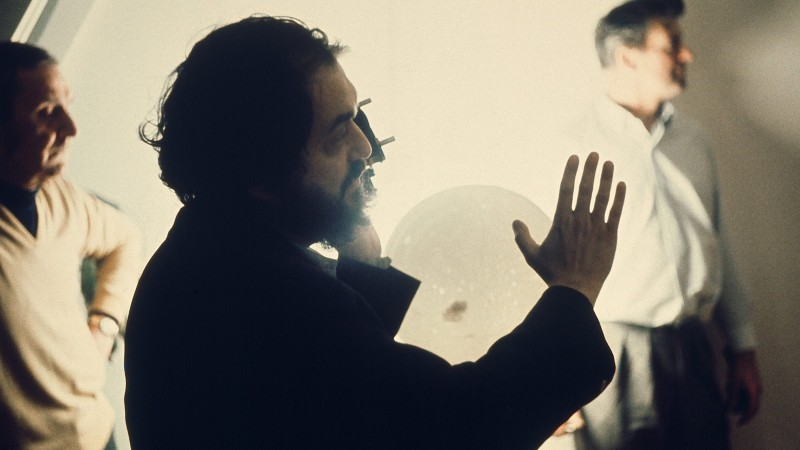
God Laughs: Stanley Kubrick’s Cinema
Throughout his enormously influential body of work, the great director explored the conflict between humankind’s obsession with control and our capacity for error and failure.

Christiane F.: Up Against the Wall
Uli Edel’s harrowing tale of youth rebellion is one of cinema’s greatest Berlin films, a visceral urban portrait that captures the city’s doom and decadence during the Cold War era.

The Shout: Sound and Fury
Blending elements of psychological thriller, social satire, and psychedelic film, Jerzy Skolimowski’s Cannes-award-winning classic uses its audacious sound design to evoke the terror of English civilization.
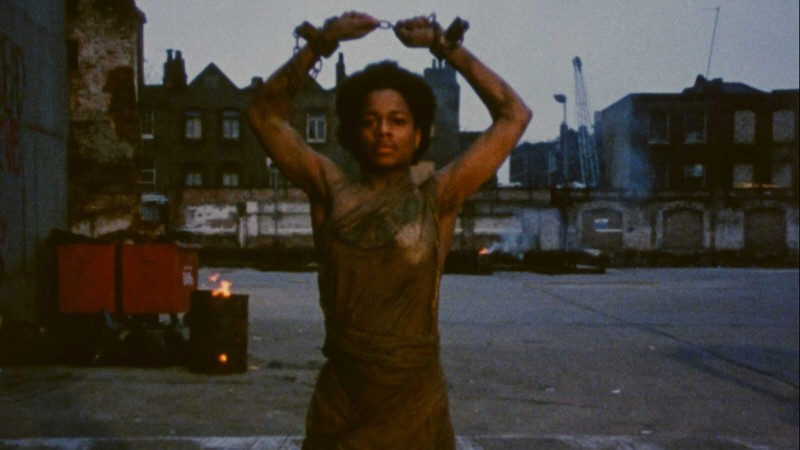
Welcome II the Terrordome: The Future Is Furious
A dystopian drama that draws on the influences of African mythology and hip-hop, Ngozi Onwurah’s debut feature uses a mix of speculative forms to expose anti-Blackness as a system that underpins the modern world.