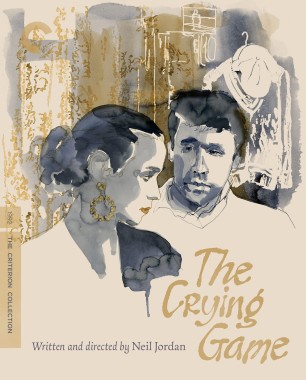
The Crying Game: Identity Crises
Share
On October 30, 1992, the Provisional Irish Republican Army set off two bombs as part of an ongoing campaign against British rule in Northern Ireland. One, a small explosive planted alarmingly close to the prime minister’s residence at 10 Downing Street, caused minimal damage and no reported injuries. A larger detonation outside a police station in Northern Ireland injured two officers and eleven civilians. According to one accounting in parliamentary records, these were the thirtieth and thirty-first IRA bombings of 1992.
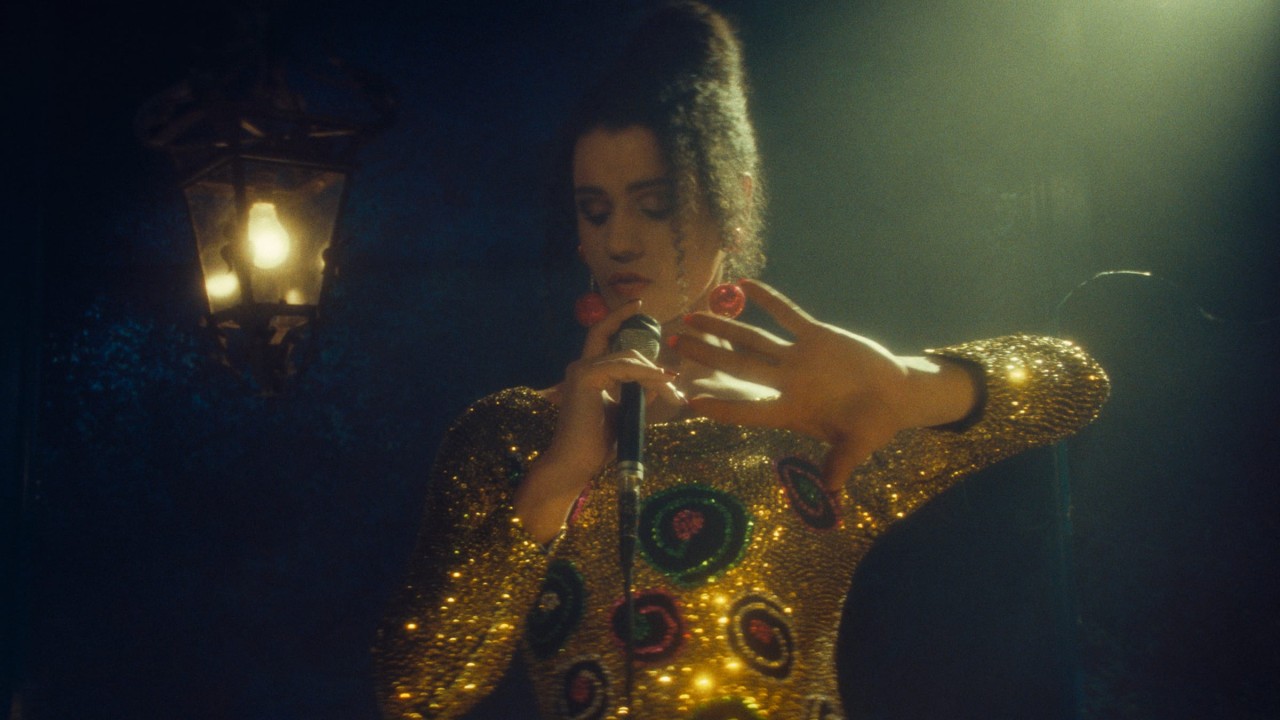
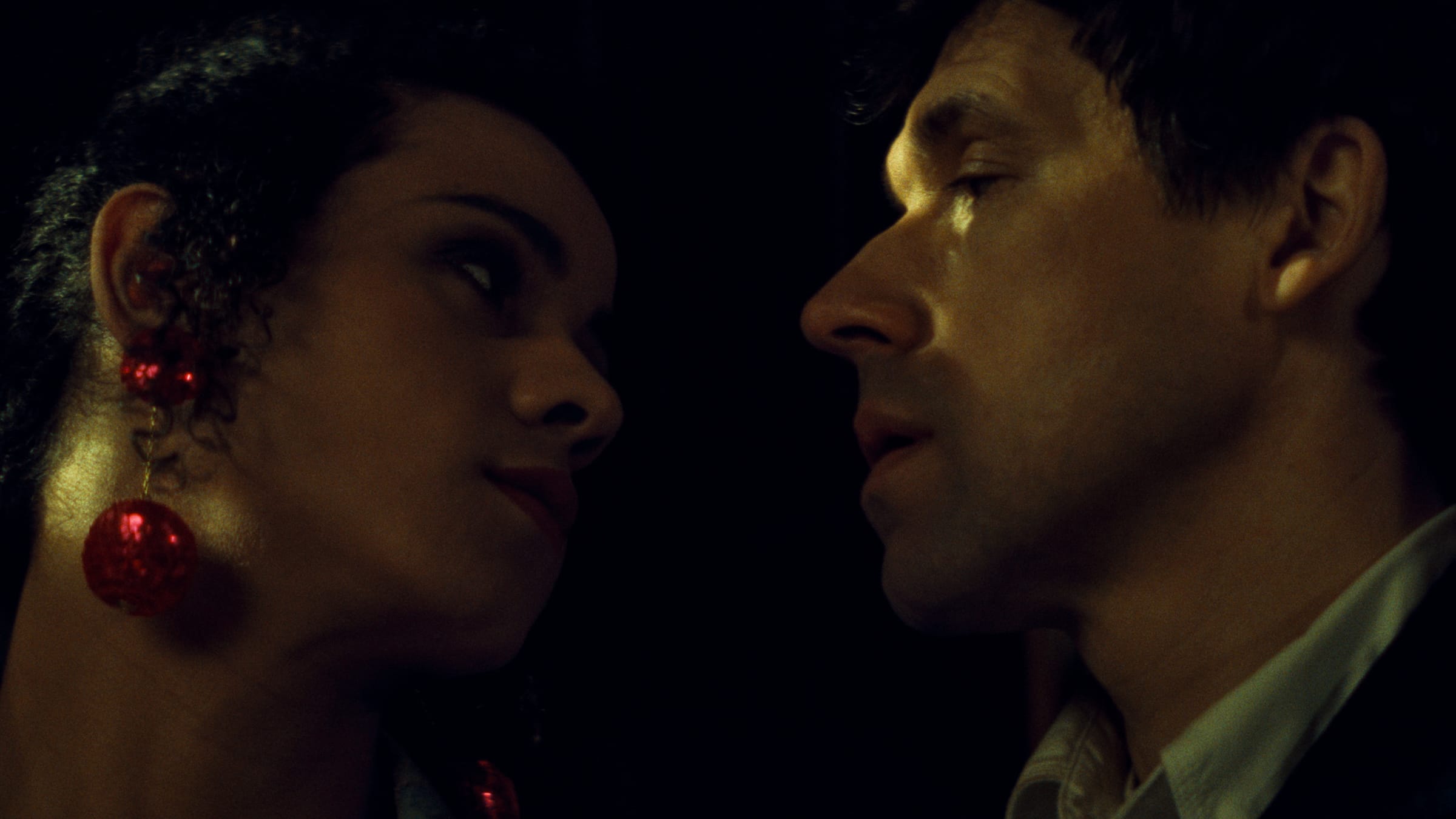
Also on October 30, 1992, The Crying Game, the new movie from Irish screenwriter, director, and author Neil Jordan, opened in UK theaters. It was a malign concurrence, if not exactly an unlikely one given how active the IRA was that month, that attacks occurred alongside the release of a film exploring the emotional complexities of an IRA member, portrayed with sympathetic sensitivity by Irish actor Stephen Rea. While the movie would be an immediate sensation when Miramax put it out in America a month later, its reception in the UK was more muted.
“I can understand why, when it was released in Britain, it didn’t take off like a rocket,” Jordan said at a twenty-fifth-anniversary screening. “It was still a very disturbing fact, you know, the fact of political violence. The memories of Bloody Birmingham and IRA bombs and all that were still very raw. And the idea of accepting a character like the character [Rea] played, seeing a human being there, was offensive—not only to English people, to a lot of Irish people as well.”
The humanization of an IRA soldier had also alarmed financial backers, whose reluctance nearly torpedoed the independent production. Jordan eventually started shooting without having the money to finish, and wound up “begging” for funding to complete the movie. (He got it from Britain’s Channel 4, on the condition he shoot a contrived, conventional happily-ever-after ending. He did, but he hated it, and ultimately lobbied successfully for his original finale.) Potential producers objected to The Crying Game’s political elements, its central interracial relationship, and its provocative take on sexuality, gender fluidity, and queerness. They were particularly uncomfortable with the midfilm twist, which took the movie out of the familiar arena of heterosexual, status-quo-confirming movie romances.
More: Essays
God Laughs: Stanley Kubrick’s Cinema
Throughout his enormously influential body of work, the great director explored the conflict between humankind’s obsession with control and our capacity for error and failure.
Christiane F.: Up Against the Wall
Uli Edel’s harrowing tale of youth rebellion is one of cinema’s greatest Berlin films, a visceral urban portrait that captures the city’s doom and decadence during the Cold War era.
The Shout: Sound and Fury
Blending elements of psychological thriller, social satire, and psychedelic film, Jerzy Skolimowski’s Cannes-award-winning classic uses its audacious sound design to evoke the terror of English civilization.
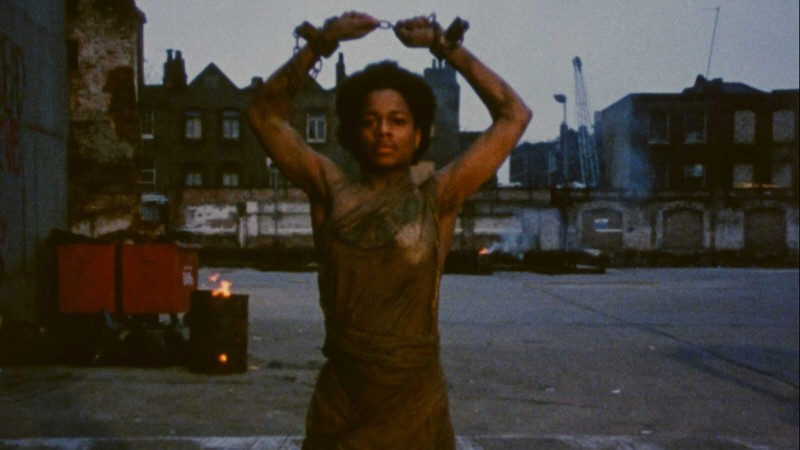
Welcome II the Terrordome: The Future Is Furious
A dystopian drama that draws on the influences of African mythology and hip-hop, Ngozi Onwurah’s debut feature uses a mix of speculative forms to expose anti-Blackness as a system that underpins the modern world.