Alice Doesn’t Live Here Anymore: At Home in the World
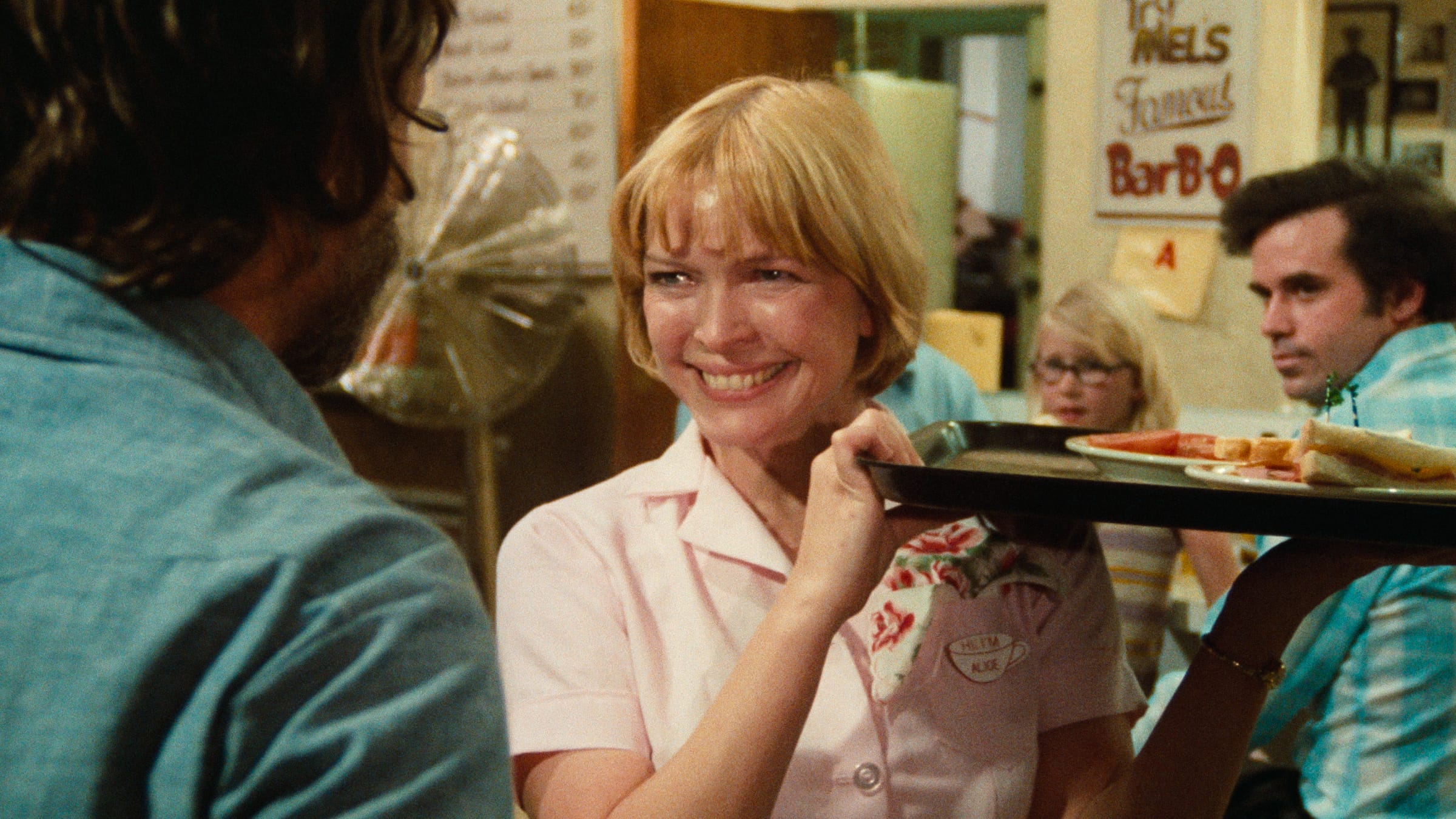
One of the funniest and most affecting scenes in 1970s Hollywood cinema is also one of the most quietly radical—no small feat in a decade of movies marked by wiggy experimentation, explosions of brutal and cathartic violence, and shaggy new forms of storytelling. In that context, this scene is almost austere: it involves a dress, a hairdo, and most important, an actress.
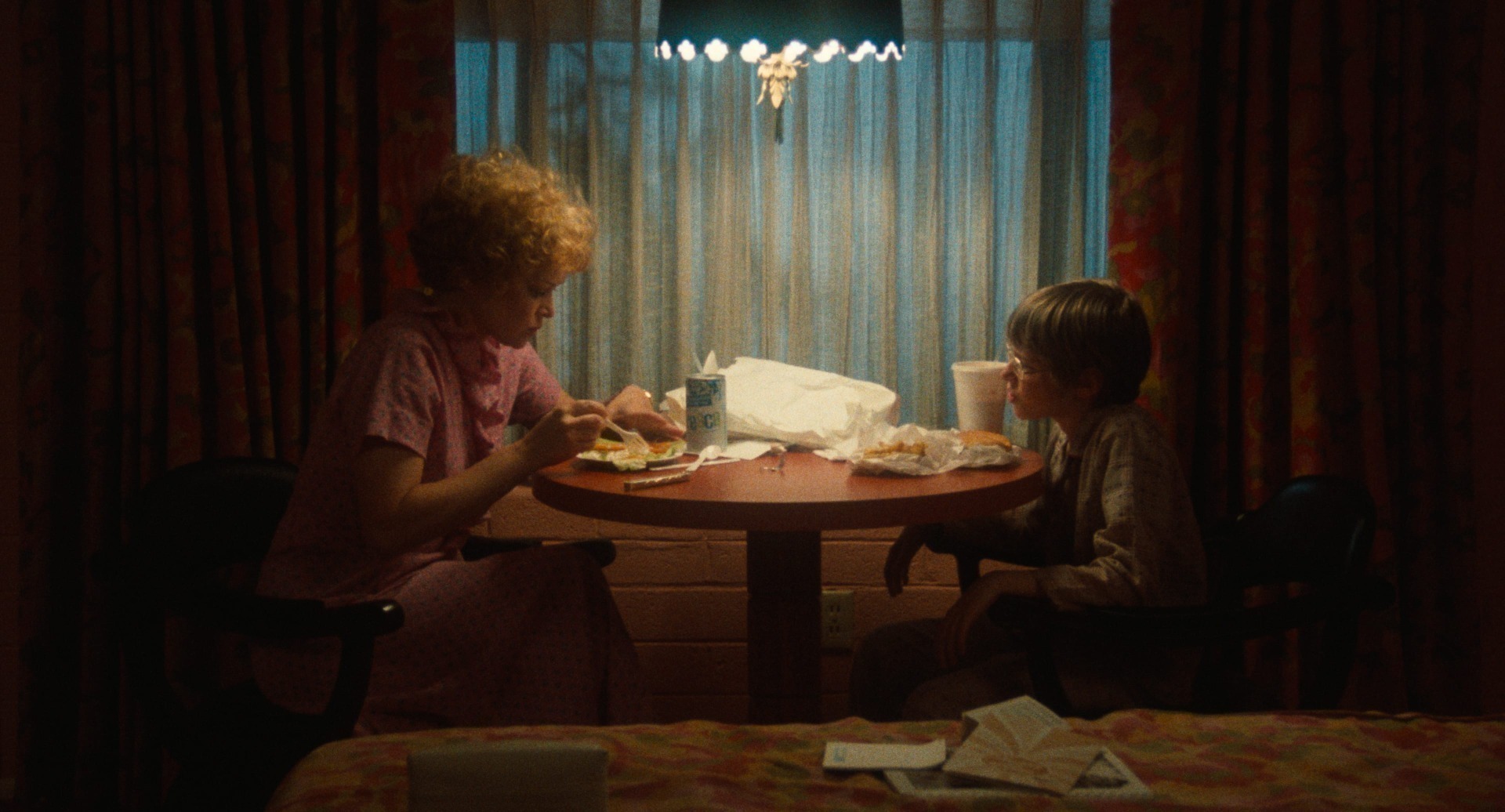
In Martin Scorsese’s 1974 comedy-romance Alice Doesn’t Live Here Anymore, Ellen Burstyn plays Alice, a freshly minted widow and single mother, thirty-five years old and tentatively ready for a new life. She goes shopping for herself, ending up with a pair of sensible bone-colored pumps and a simple green wrap dress accented with a jaunty black-and-white polka-dot scarf. It’s the kind of outfit worn by countless working women of the era, though the job Alice is seeking isn’t the secretarial sort; she’s hoping, after a yearslong detour, to finally fulfill her ambition of becoming a singer. Alice has been to the beauty parlor too: her hair, previously a housewife’s practical, sideswept blond bob, is now a tousle of flirty curls, alive to the future and electrical with anticipation. In this moment, Burstyn shows us an Alice who’s suddenly aglow with possibilities—yet she doesn’t look exactly modern. The seventies are almost half over, and Alice is just catching up. Jane Fonda’s groovy-subversive shag in Alan J. Pakula’s 1971 Klute may have been a shout of rebellion heard by women round the world, but not by Alice. Busy with her household chores, a wisecracking kid, and an impossible-to-please husband, she simply hadn’t had time to notice.
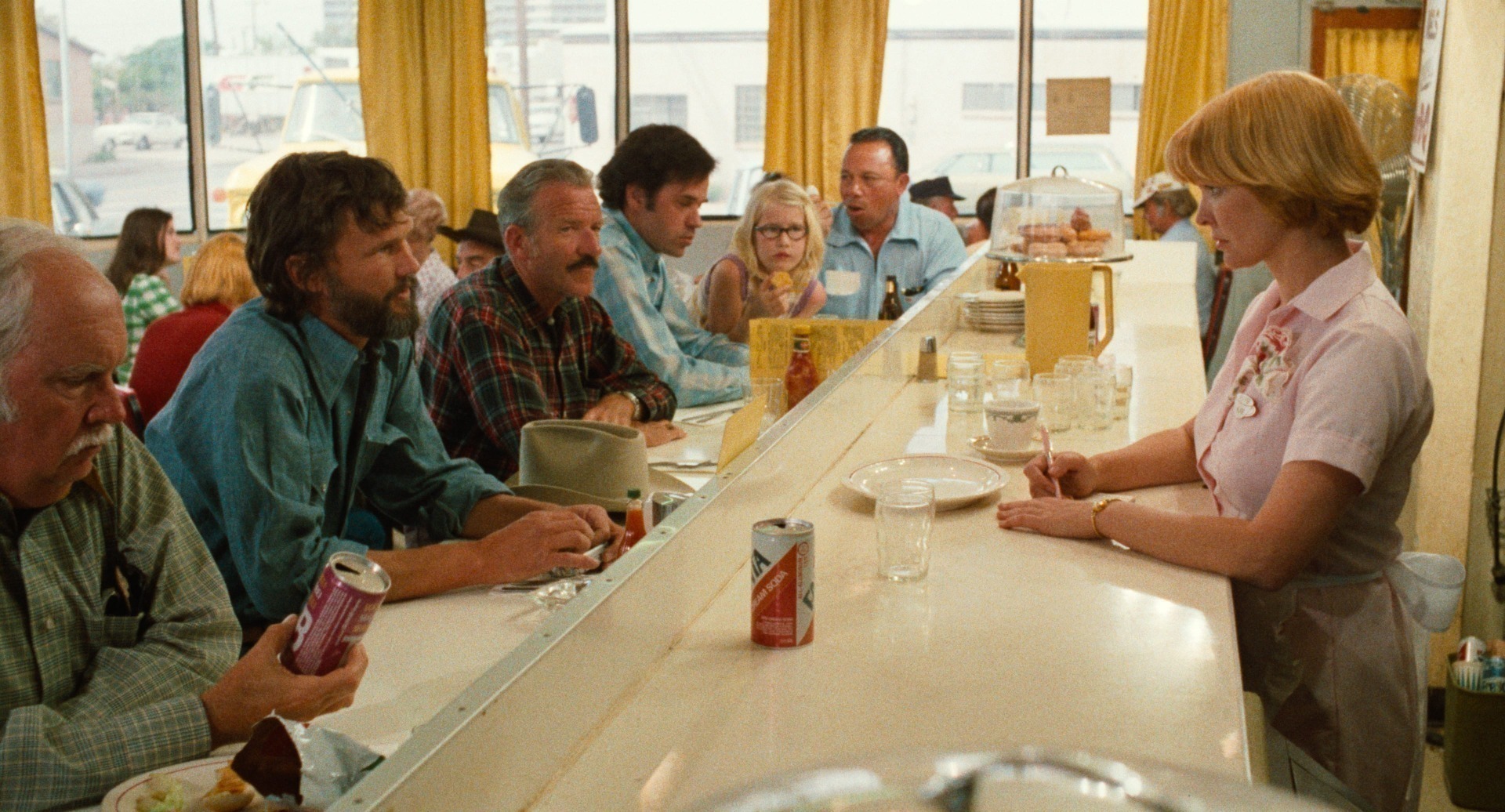
Yet in its time, Alice Doesn’t Live Here Anymore was the opposite of retrograde, especially for an American film released by a major American studio, in this case Warner Bros. The studios had been gradually picking up on the general static of women’s discontent: movies like Klute, featuring a woman—an escort—who makes her living off male desire without allowing her personal life to be ruled by it, and Frank Perry’s 1970 Diary of a Mad Housewife, in which Carrie Snodgress plays a homemaker who seeks release from her loveless marriage by launching an affair of her own, were mainstream pictures that echoed the greater social discord around them. But even within that framework, Alice was and is special. Like those two films, it had been directed by a man. But it’s so focused on everyday life—on one woman’s yearning to achieve her dreams even as she’s struggling simply to get by—that it becomes a feminist film merely by being human first. Burstyn’s Alice is conventional in many ways: she hasn’t picked up and left her husband—his death is the thing that forces her to make a new start. She’s an accidental heroine, and anyone who has ever felt their life springing out of control can feel kinship with her.
More: Essays
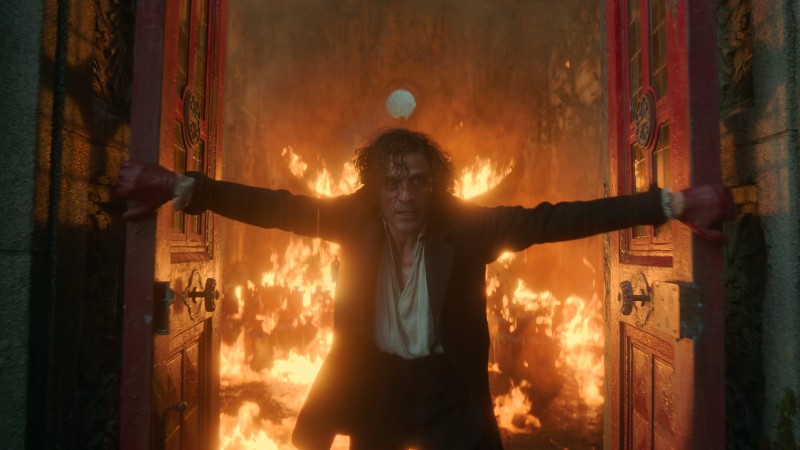
Guillermo del Toro’s Frankenstein
In one of his most personal films, the Oscar-winning director imbues Mary Shelley’s gothic tale with elements of family melodrama and traces of his own Catholic upbringing.
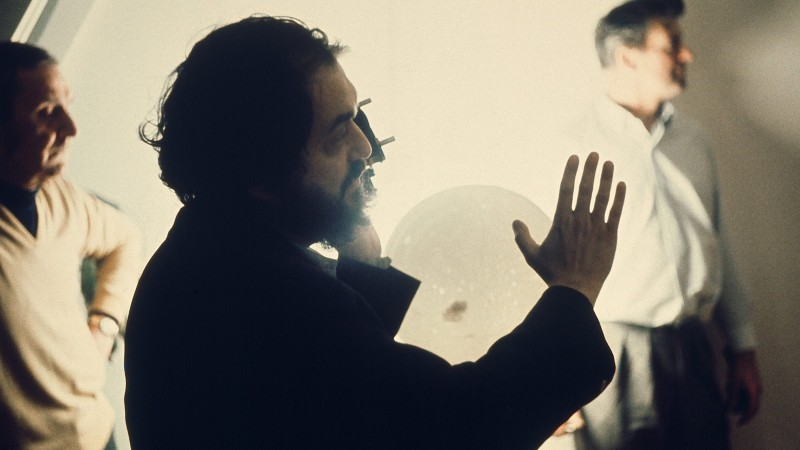
God Laughs: Stanley Kubrick’s Cinema
Throughout his enormously influential body of work, the great director explored the conflict between humankind’s obsession with control and our capacity for error and failure.
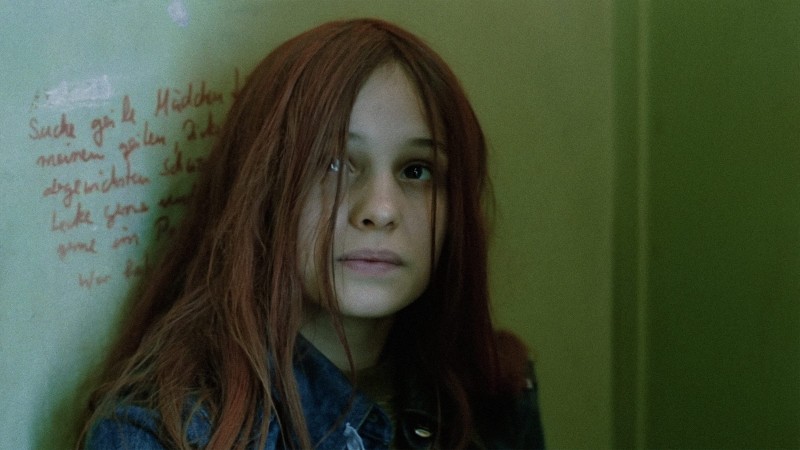
Christiane F.: Up Against the Wall
Uli Edel’s harrowing tale of youth rebellion is one of cinema’s greatest Berlin films, a visceral urban portrait that captures the city’s doom and decadence during the Cold War era.
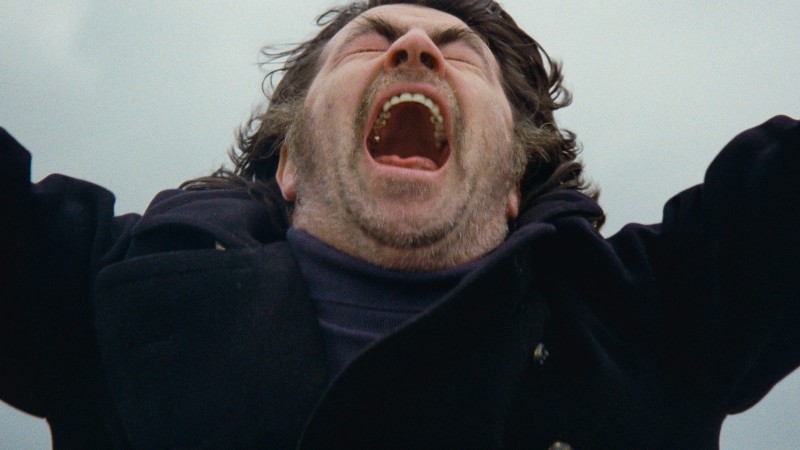
The Shout: Sound and Fury
Blending elements of psychological thriller, social satire, and psychedelic film, Jerzy Skolimowski’s Cannes-award-winning classic uses its audacious sound design to evoke the terror of English civilization.